Game Revolution News

The Latest

Recent Stories

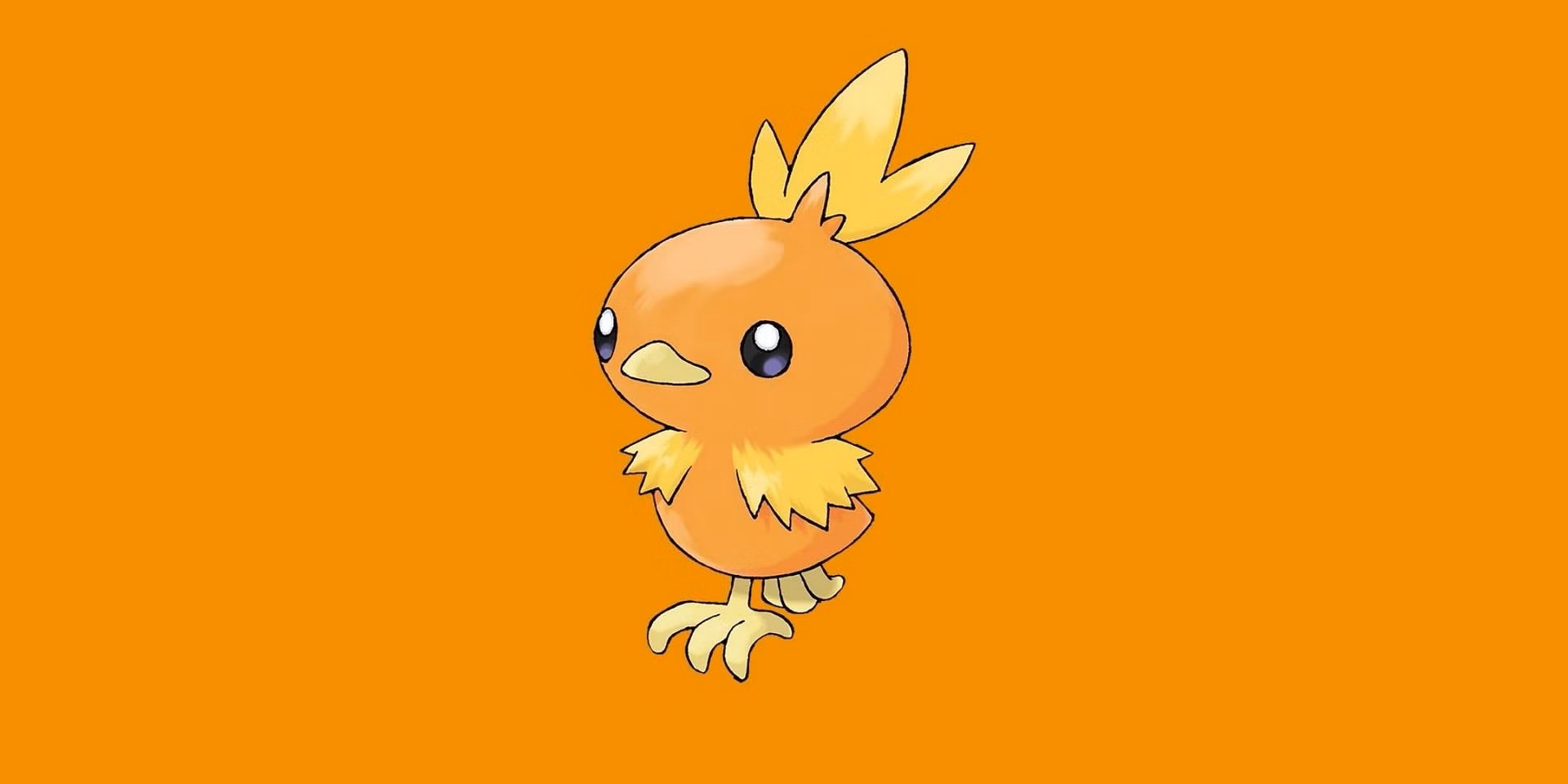
Torchic Is the Best Starter in Pokemon Emerald, Here’s Why

Pokemon Emerald, a beloved game in the Pokemon series, presents players with the difficult decision of choosing their starter Pokemon. The three options available are Treecko, Mudkip, and Torchic. While opinions may vary on which starter is the best, we aim to settle the debate by evaluating the starters based on their performance against the gym leaders and the Elite Four. In this article, we will explore the strengths and weaknesses of each starter and analyze their performance in various battles. So, let’s explore why Torchic emerges as the top choice for aspiring trainers in Pokemon Emerald. Starters vs Gym Leaders Gym Leader 1: Roxanne – Rock-type The first gym battle in Pokemon Emerald is against Roxanne, the Rock-type leader. This battle sets the stage for the starter Pokemon’s performance throughout the game. Treecko and Mudkip have a clear advantage in this battle due to their Grass and Water typings, respectively. Rock-type Pokemon are weak against Water and Grass moves, making them easy targets for Treecko and Mudkip. However, Torchic, being a Fire-type, struggles in this battle. Its Fire moves are not very effective against Rock types, putting it at a disadvantage. But there’s a twist—if Torchic evolves into Combusken before this battle, it learns Double Kick, a Fighting move that deals significant damage to Roxanne’s Rock-type Pokemon. This evolution transforms Torchic’s chances and makes it a formidable opponent in this gym battle. Gym Leader 2: Brawly – Fighting-type The second gym battle takes place in Dewford town against Brawly, the Fighting-type gym leader. This battle poses a challenge for all three starters. Neither Treecko, Mudkip, nor Torchic has a type advantage against Fighting types. However, if Torchic has evolved into Combusken, it gains a slight defensive advantage due to its dual typing of Fire and Fighting. Combusken can resist some of Brawly’s Fighting moves, giving it a fighting chance in this battle. Nonetheless, all three starters will need support from other Pokemon in their teams to overcome the type differences and emerge victorious. Gym Leader 3: Wattson – Electric-type The third gym battle awaits trainers in Mauville City, where they face Wattson, the Electric-type gym leader. By this point in the game, the starters should have evolved into their second forms. Wattson’s Electric-type Pokemon pose a challenge for Marshtomp, which is part Ground type and therefore vulnerable to Electric moves. On the other hand, Grovyle, the evolved form of Treecko, thrives in this battle. Grass types are resistant to Electric moves, giving Grovyle an advantage. Torchic, now Combusken, also holds its own due to Electric types’ neutrality to Fire moves. This gym battle highlights the different strengths and weaknesses of the starters and the importance of team composition. Gym Leader 4: Flannery – Fire-type Flannery, the Fire-type gym leader, awaits trainers in Lavaridge Town for the fourth gym battle. This battle presents a unique challenge as it pits Fire types against each other. Combusken, with its dual typing of Fire and Fighting, struggles against Fire types due to their resistance to Fire moves. Grovyle, on the other hand, is at a disadvantage because Grass types are weak against Fire moves. In this battle, Marshtomp, the evolved form of Mudkip, shines brightly. Its Water typing gives it a clear advantage against Fire types, making it the best choice for this gym battle. Trainers must be mindful of the type matchups and choose their starter accordingly to ensure success. Gym Leader 5: Norman – Normal-type Norman, the Normal-type gym leader and the father of the player character in the game, presents an interesting battle. Normal types do not have many inherent advantages or disadvantages, making this battle a test of strategy and team composition. Combusken, with its Fire and Fighting typing, stands out in this battle. Its Fighting moves deal double damage to Normal types, giving it a significant advantage. While Treecko and Mudkip do not have a type advantage, they can still hold their own with their respective movesets and strategies. This gym battle emphasizes the importance of move selection and understanding the strengths of each starter. Gym Leader 6: Winona – Flying-type In Fortree City, trainers face the Flying-type gym leader, Winona, in the sixth gym battle. This battle proves to be a real test, as Flying types can be formidable opponents. Combusken, with its Fire and Fighting typing, emerges as the clear winner in this battle. It has the ability to defeat two of Winona’s Flying-type Pokemon, thanks to its diverse moveset and type advantage. Grovyle, with its Grass typing, can take down Winona’s Grass/Flying type Pokemon, while Marshtomp struggles to find usefulness in this particular fight. The diverse challenges presented by Winona’s team highlight the different strengths and weaknesses of the starters. Gym Leader 7: Tate and Liza – Psychic-type Tate and Liza, the twin gym leaders, specialize in Psychic-type Pokemon and provide a unique challenge for trainers. This battle introduces a mix of types, making it more complicated to determine the best choice. Claydol, the first Pokemon faced in this battle, is weak to Grass and Water moves, making Grovyle and Marshtomp viable options. However, Grovyle’s weakness to Flying moves can be problematic if it goes up against Xatu. Marshtomp, being a Water/Ground type, remains a safe bet in this battle. Combusken can also perform well, especially if it has learned Fighting-type moves that receive same type attack bonuses (STAB). This gym battle requires strategic thinking and understanding of type advantages to emerge victorious. Gym Leader 8: Juan – Water-type The final gym battle is against Juan, the Water-type gym leader. At this point in the game, all three starters should be fully evolved and at their most powerful. However, if Mudkip was chosen as the starter, it faces a disadvantage in this battle due to the Water typing of Juan’s team. On the other hand, Blaziken, the evolved form of Torchic, struggles against Water types due to their resistance to Fire moves. This leaves Sceptile, the evolved form of Treecko, as the optimal choice

Pokemon Scarlet and Violet Raid Battles Guide

Tera Raid Battles: Unleashing Adventure in Paldea Introduction Tera Raid Battles have taken Paldea by storm, captivating both Pokemon collectors and competitive battlers alike. These exhilarating battles provide an opportunity to catch rare Pokemon, acquire valuable Tera Shards, and earn substantial rewards. From Ability Patches to special ingredients for enhancing Meal Powers, Tera Raid Battles offer a multitude of benefits. In this comprehensive guide, we will explore strategies to unlock Tera Raid Battles, train Pokemon effectively, navigate type matchups, utilize abilities and held items, battle with precision, and unleash the power of Terastallizing. Prepare to embark on an extraordinary adventure through the Tera Raid Battles of Paldea! Unlocking Tera Raid Battles Exploring the world of Tera Raid Battles begins as soon as you leave Mesagoza and embarking on your Treasure Hunt across Paldea. Tera Raid crystals act as portals to these battles. Look for the glimmering formations that emit beams of light into the air. Following these beams will lead you to the source of a Tera Raid crystal. The Pokemon awaiting your challenge remains a mystery until you arrive and observe its silhouette in person. Therefore, it is crucial to stay observant while searching for specific Pokemon in these raids. Alternatively, you can access Tera Raid Battles by selecting the “Tera Raid Battle” option from the Poké Portal menu. The available options differ based on whether you are playing offline, online, or in a Union Circle group. Offline players not part of a group can join raids via Link Codes. Solo online players can choose from raids looking for additional players, opt for a random raid, or join specific raids using Link Codes. Union Circle groups only display raids posted by members of the group, regardless of their location in the game world. As you progress and earn more Gym Badges, higher-tier Tera Raid Battles, from 2-star to 3-star and beyond, will become accessible. Completing the main story associated with the three paths will unlock 5-star Tera Raid Battles, requiring powerful Pokemon and teamwork. After the postgame events and defeating high-level Tera Raid Battles, challenging 6-star Tera Raid Battles awaits at black Tera Raid crystals. These battles pose a significant challenge, featuring high-level Pokemon with exceptional stats. New sets of 6-star raids and other difficulties appear on the map every day at midnight local time. You must complete postgame events to unlock 7-star Tera Raid Battles, which are exclusively available during special events. Regardless of your game progress, you can join any Tera Raid Battle if provided with a Link Code. However, ensure your Pokemon is sufficiently strong to withstand the challenges that lie ahead. Training Your Pokemon In

Masterwork Research Quest: Shiny Mew in Pokemon GO’s Anniversary

Experience the Masterwork Research Story – All-in-One #151 If you’re a Pokemon GO enthusiast, we have an exciting offer for you! For just US$5.00, or the equivalent in your local currency, you can acquire the highly sought-after Masterwork Research story, All-in-One #151. Originally released during the Pokemon GO Tour: Kanto event in 2021, this exclusive story is now being made available once again as part of our special 7th Anniversary Party celebrations. And the best part? Completing this unique research will reward you with an encounter with the elusive Shiny Mew! What You Need to Know Purchasing the Masterwork Research story grants you access to a captivating journey that unfolds over an extended period of time. This immersive experience will keep you engaged and hooked as you explore various quests and undertake exciting challenges. Tickets for this Masterwork Research story can be purchased until Wednesday, July 12, 2023, at 8:00 p.m. local time. However, the story will only be accessible during the 7th Anniversary Party event. To initiate the Masterwork Research, all you need to do is open Pokemon GO between Thursday, July 6, 2023, at 10:00 a.m. and Wednesday, July 12, 2023, at 8:00 p.m. local time. Once you’ve received the Masterwork Research, you can complete it at your own pace, anytime within the confines of the event. Exciting Bonuses Await In addition to the thrilling Masterwork Research story, ticket holders will also enjoy exclusive bonuses throughout the duration of our 7th Anniversary Party event. These bonuses are as follows: 2× Incense duration 2× Daily Adventure Incense duration 2× Lure Duration With these bonuses at your disposal, you’ll have enhanced opportunities to encounter rare Pokemon, boost your item collection, and embark on exciting adventures throughout the event. It’s important to note that these coveted Masterwork Research tickets are non-transferable, so they cannot be gifted to other Trainers. The journey awaits, and it’s time for you to embark on this thrilling adventure with Pokemon GO’s 7th Anniversary Party celebration. Don’t miss out on the chance to complete the Masterwork Research story and discover the wonders that await! Conclusion The Masterwork Research story, All-in-One #151, offers Pokemon GO enthusiasts an incredible opportunity to engage in an immersive and captivating journey. By purchasing the ticket, players gain access to a puzzle-like research experience spread over an extended period, culminating in a thrilling encounter with the legendary Shiny Mew. The story is available for a limited time during the 7th Anniversary Party event, allowing players to complete it at their own pace. Additionally, ticket holders enjoy exclusive event bonuses, including increased incense and lure durations, enhancing their overall gameplay experience. Don’t miss out on this unique adventure in Pokemon GO! Frequently Asked Questions 1. Can I purchase the Masterwork Research story after the ticket sales end? No, the tickets for the Masterwork Research story will only be available for purchase until Wednesday, July 12, 2023, at 8:00 p.m. local time. Make sure to secure your ticket before the deadline to embark on this special research journey. 2. Can I gift my Masterwork Research ticket to another Trainer? Unfortunately, the Masterwork Research tickets are non-transferable. They cannot be gifted or shared with other Trainers. Each player will need to purchase their own ticket to participate in the Masterwork Research story. 3. Is there a time limit for completing the Masterwork Research story? While the Masterwork Research story is only accessible during the 7th Anniversary Party event, once you have received the research, you can complete it at any time within the event’s timeframe. Take your time to enjoy the quests and challenges, and cherish the journey that awaits you. 4. Are the bonuses exclusive to Masterwork Research ticket holders? Yes, the bonuses mentioned, such as the increased durations of Incense, Daily Adventure Incense, and Lure Modules, are exclusively available to Masterwork Research ticket holders during the 7th Anniversary Party event. These bonuses offer enhanced gameplay opportunities and rewards. 5. Can I encounter Shiny Mew without completing the Masterwork Research story? No, the encounter with the elusive Shiny Mew is a unique reward specifically tied to the completion of the Masterwork Research story, All-in-One #151. By progressing through the research tasks and quests, players can earn this special encounter and add the Shiny Mew to their Pokemon collection.

Champion Mastery in League of Legends: A Comprehensive Guide

Is Champion Mastery Really Used Only for Flexing These Days? The League of Legends Champion masteries system is a way for players to showcase their investment and mastery of a specific champion. It tracks how much a player has played and won games on a champion, earning them Champion Points. While some may argue that Champion Mastery is solely used for flexing, there are deeper reasons behind its implementation. Let’s explore the details of Champion Mastery and how it adds value to the game experience. Champion Mastery in LoL: How To Unlock To unlock Champion Masteries, players must first reach a certain Summoner level. Unlike ranked play, which becomes available at level 30 and beyond, Champion Masteries can be earned earlier, starting at Summoner level 5. This allows players to start showcasing their mastery of specific champions from an earlier stage of their gameplay journey. Progression of Champion Mastery Every champion starts at Mastery Level 1 with 0 CP (Champion Points). As players continue to play and accumulate Champion Points, they progress through different ranks and unlock associated rewards. These rewards are visible on a player’s profile and include their Top 3 Champion Masteries, Mastery Score, and Champions Closest to Mastery. On average, it takes approximately 25 games to reach Champion Mastery level 5 when starting out with a specific champion. However, climbing to higher ranks, such as levels 6 and 7, requires additional effort and strategic gameplay. Reaching Champion Mastery Levels 6 & 7 Progressing to Mastery Level 6 and 7 entails meeting certain criteria. When a player achieves an S- or above on a champion with level 5 mastery, they are rewarded with Mastery tokens. These tokens can be combined with Champion Shards obtained from Hextech Chests or Blue Essence in order to unlock Mastery Level 6 or 7. For Mastery Level 6, players need to combine two Mastery 6 tokens with the champion’s Hextech shard, permanent, or 2450 Blue Essence. On the other hand, unlocking Mastery Level 7 requires three Mastery 7 tokens combined with the champion’s Hextech shard, permanent, or 2950 Blue Essence. Champion Mastery Titles and Classifications Champion Mastery titles are earned based on a player’s level of mastery. These titles are specifically associated with the different levels of mastery achieved, adding a sense of achievement and recognition. Considering that League of Legends players are accustomed to categorizing champions based on their roles, the title classification might seem confusing. Regardless of the role a champion is played in, Champion Mastery is determined by their designated class assigned by Riot Games during their design process. Some of the Champion Mastery titles include Assassin, Fighter, Mage, Marksman, Support, Tank, Reaper, Warlord, and many more. These titles not only reflect the champion’s class but also adds a layer of personality to players who excel in mastering their chosen champions. The Value of Champion Masteries In the past, Masteries in League of Legends served a different purpose and were comparable to today’s runes. However, with the game’s evolution and the introduction of new systems, Masteries have taken on a new role. Champion Masteries are now a way to demonstrate a player’s skill and dedication to a specific champion. They reward players for investing time and effort into learning the intricacies of a champion’s playstyle. Far from being just a means of flexing, Champion Masteries have become a tangible indication of a player’s expertise and commitment to the game. They offer a sense of personal accomplishment and recognition among the League of Legends community. Unlocking Rewards Through Champion Mastery As players progress through the Champion Mastery levels, they unlock various rewards that enhance their in-game experience. These rewards are not only visible to the player but also serve as psychological tools to intimidate opponents. Starting from level 4, players receive Level-specific Mastery Badge Emotes, Loading Screen Borders, and Announcement Banners. These visual enhancements create a visual identity for skilled players and can instill fear or admiration in the hearts of their adversaries. It adds an extra layer of excitement and pride whenever a player showcases their Champion Mastery during games. Conclusion Champion Mastery in League of Legends goes beyond mere flexing. It serves as a testament to a player’s dedication and proficiency with a specific champion. The system provides a sense of accomplishment, recognition, and personal growth within the game. From unlocking titles reflecting their mastery to obtaining in-game rewards, players can visibly showcase their expertise and intimidate opponents. Champion Mastery adds depth and satisfaction to the League of Legends experience, fostering a community of passionate players striving for mastery. FAQs About Champion Mastery 1. Can I earn Champion Mastery points in ARAM games? No, Champion Mastery points can only be earned on Summoner’s Rift in normal or ranked games. Unfortunately, ARAM games do not count towards earning Champion Mastery points, even if you achieve an S grade. 2. How long does it take to reach Champion Mastery Level 5? On average, it takes around 25 games to reach Champion Mastery Level 5 when starting from scratch with a specific champion. However, the exact number of games may vary depending on performance and game outcomes. 3. Can Champion Mastery tokens be purchased with real money? No, Champion Mastery tokens cannot be purchased with real money. They are earned by achieving an S- or above on a champion with Level 5 Mastery. This ensures that Champion Mastery progression is based on skill and dedication rather than financial means. 4. Can I lose Champion Mastery levels if I perform poorly in games? No, once you’ve achieved a certain level of Champion Mastery, you cannot lose that level. However, your Mastery Score, which represents your overall performance with a champion, can decrease if you have a string of poor performances. 5. Are Champion Mastery rewards visible to other players? Yes, Champion Mastery rewards are visible to other players during pre-game and post-game screens. Your Mastery Badge Emote, Loading Screen Border, and Announcement Banner are displayed to showcase your level of mastery with

Pokemon HOME Version 3.0.1 Update

The Benefits of Pokemon HOME for Pokemon Trainers Pokemon HOME is an incredible application that opens up new possibilities for Pokemon Trainers. With this special app, Trainers can seamlessly continue their Pokemon adventures beyond a single game system and effortlessly manage their extensive collection of Pokemon across multiple games. Whether you’re playing on a Nintendo Switch, iPhone, iPad, or Android device, Pokemon HOME is readily available for you to explore and enhance your Pokemon journey. What is Pokemon HOME? Pokemon HOME serves as a centralized hub where Trainers can store, trade, and transfer their beloved Pokemon between different games. It eliminates the barriers that once confined Pokemon to a single game, allowing them to freely roam across various Pokemon titles and platforms. Whether you have Pokemon in Pokemon Sword and Shield, Pokemon Let’s Go, Pikachu!, Pokemon Let’s Go, Eevee!, or even the Pokemon Bank service from previous generations, Pokemon HOME acts as a bridge, connecting all these games and enabling you to access and manage your Pokemon collection from a single location. Managing Your Pokemon Collection Pokemon HOME offers an intuitive and user-friendly interface that makes managing your Pokemon collection an absolute breeze. Trainers can easily organize their Pokemon, sort them by various criteria, and create personalized boxes to keep everything neat and tidy. Additionally, Pokemon HOME provides valuable information about each Pokemon in your collection, including their level, stats, abilities, and moves. This comprehensive overview allows Trainers to strategize and optimize their team to achieve the best possible outcome in battles. Trading Pokemon with Others One of the most thrilling aspects of Pokemon HOME is the ability to trade Pokemon with other Trainers from around the world. Whether you’re seeking a specific Pokemon to complete your Pokédex or looking to exchange duplicates for something new, the vast Pokemon HOME trading network offers endless possibilities. Trainers can trade Pokemon with friends or even participate in surprise trades, where they are randomly matched with another Trainer for an exciting Pokemon exchange. This feature not only fosters a sense of community but also enables Trainers to discover Pokemon they may have never encountered otherwise. Seamless Compatibility with Various Pokemon Games Pokemon HOME seamlessly integrates with a wide range of Pokemon games, ensuring compatibility across different platforms and preserving your hard-earned progress. Whether you play on a Nintendo Switch or a mobile device, Pokemon HOME allows you to transfer your Pokemon collection effortlessly. Connecting Pokemon Sword and Shield Trainers who dive into the world of Pokemon Sword and Shield can transfer their Pokemon from Pokemon HOME directly to these games, expanding their team and strengthening their lineup with familiar faces. This integration enhances the gameplay experience and allows Trainers to bring their beloved Pokemon into the exciting new Galar region. Interactions with Pokemon Let’s Go If you’re fond of the Pokemon Let’s Go series, you’ll be delighted to know that Pokemon HOME interacts beautifully with these games as well. Trainers can transfer Pokemon between Pokemon Let’s Go, Pikachu! and Pokemon Let’s Go, Eevee! and Pokemon HOME, ensuring continuity in their Pokemon journey and fostering cross-game connections. The Pokemon Bank Connection Pokemon HOME also offers compatibility with the Pokemon Bank service, enabling Trainers to easily transfer Pokemon from previous generations to the Pokemon HOME app. This seamless interconnectivity ensures that no Pokemon is left behind and allows Trainers to bring their cherished Pokemon from older games into their new Pokemon adventures. Stay Updated with Pokemon HOME Pokemon HOME is continuously evolving to provide Trainers with the best possible experience. To keep Trainers informed and up to date, periodic maintenance is conducted to ensure smooth operation and implement improvements. Upcoming Maintenance and Update On July 4, from 00:00 UTC to 06:00 UTC, Pokemon HOME will undergo scheduled maintenance. During this period, Trainers may experience temporary disruption in accessing the app. However, this maintenance is crucial to bring about exciting changes and enhancements to the Pokemon HOME experience. After the maintenance, a new update, version 3.0.1, will be made available on mobile devices. This update will introduce new features, improvements, and bug fixes, further enhancing the functionality and user experience of Pokemon HOME. Conclusion Pokemon HOME revolutionizes the way Trainers can interact with and manage their Pokemon collection. Through its seamless compatibility, intuitive interface, and extensive trading network, Pokemon HOME opens up a world of possibilities for Trainers to explore. Stay connected with your Pokemon beyond a single game and embark on thrilling adventures across various Pokemon titles and platforms. Frequently Asked Questions 1. Can I transfer my Pokemon from older Pokemon games to Pokemon HOME? Yes! Pokemon HOME offers compatibility with the Pokemon Bank service, allowing Trainers to transfer Pokemon from previous generations into Pokemon HOME and continue their journey with their cherished Pokemon. 2. Is Pokemon HOME available on all platforms? Absolutely! Pokemon HOME is available on Nintendo Switch, iPhone, iPad (App Store), and Android (Google Play) devices, ensuring a smooth and accessible experience for all Trainers. 3. Can I trade Pokemon with friends using Pokemon HOME? Yes, you can! Pokemon HOME provides a robust trading network that enables Trainers to trade Pokemon with friends locally or worldwide. Expand your Pokemon collection and foster connections with other Trainers through exciting trades. 4. How does Pokemon HOME enhance my Pokemon Sword and Shield experience? Pokemon HOME seamlessly integrates with Pokemon Sword and Shield, allowing Trainers to transfer Pokemon directly from Pokemon HOME into these games. Expand your team and bolster your lineup with your beloved Pokemon from Pokemon HOME to undertake thrilling adventures in the Galar region. 5. Are there any additional benefits to using Pokemon HOME? Absolutely! Pokemon HOME provides detailed information about each Pokemon in your collection, allowing Trainers to strategize and optimize their teams for battles. Additionally, the app offers customizable boxes to keep your Pokemon organized and easy to manage.

Area Zero: Toxic Chain Ability & Teal Mask

Catch Up on the Latest Pokemon Scarlet and Pokemon Violet DLC News Exciting news awaits Pokemon Scarlet and Pokemon Violet players! New DLC is on its way, bringing more adventures and Pokemon-filled experiences to enhance your gaming journey. The upcoming DLC, titled “The Hidden Treasure of Area Zero,” will be released in two parts: Part 1 – The Teal Mask and Part 2 – The Indigo Disk. Let’s dive into the details of what you can expect from these exciting additions. Part 1: The Teal Mask In the first part of the DLC, players will embark on a scenic school trip to Mossui Town in the land of Kitakami. The trip will take you to Loyalty Park, where you can explore the local legend of Okidogi, Munkidori, and Fezandipiti. As you explore the town, don’t forget to participate in the traditional Festival of Masks, immersing yourself in the vibrant culture and festivities. Part 2: The Indigo Disk In the second part of the DLC, players will study abroad at the prestigious Blueberry Academy. Your journey will lead you to the Terarium Dome, a renowned facility located beneath the sea. This dome boasts four different areas, each with its own unique climate and ecosystem. It’s an ideal environment to encounter a diverse range of Pokemon. Explore this captivating underwater world and uncover the secrets it holds. Please note that you will need the full version of the game to access and enjoy the DLC content. The DLC is sold separately. Explore Mossui Town in The Hidden Treasure of Area Zero Part 1: The Teal Mask In Part 1, players will have the opportunity to explore Mossui Town, a charming location situated in the Kitakami region. At the heart of the town, you’ll find the community center, a bustling meeting place for locals to gather and socialize. As you traverse the streets, you’ll come across a nearby shop adorned with toys and magazines. Venture just outside the town, and you’ll be greeted with picturesque fields and serene rice paddies, offering a tranquil backdrop to your adventures. Investigate Four Unique Biomes in The Hidden Treasure of Area Zero Part 2: The Indigo Disk In Part 2 of the DLC, players will embark on a captivating study abroad program at Blueberry Academy. Here, you’ll be introduced to the remarkable Terarium Dome, an underwater facility that houses various ecosystems to provide a suitable habitat for Pokemon. Designed to enhance the learning environment for skilled Trainers, the dome comprises four distinct areas, each with its climate, ecosystem, and Pokemon species. Mirroring the passage of time and weather conditions, the artificial sky projected onto the ceiling and walls creates an immersive experience. Prepare to encounter a wide array of Pokemon as you explore these meticulously crafted biomes. New Characters Revealed As you dive into the DLC storyline, you’ll encounter a host of new characters during your studies at Blueberry Academy. One of them is Cyrano, the founder and director of the academy. Intriguingly, Cyrano is already familiar with Director Clavell, hinting at a significant connection between their pasts. Another notable character is Lacey, a second-year student at Blueberry Academy. Known for her reliability, she will guide you through the academy upon your arrival. Keep an eye out for her exceptional Pokemon battling skills, as they are rumored to be impressive. Discover Different Pokemon Depending on the Game Version The Pokemon you can encounter in The Hidden Treasure of Area Zero DLC will vary depending on which game you own. In Pokemon Scarlet, players will have the opportunity to encounter Gligar, while Pokemon Violet players will get to meet Aipom. Each version holds its unique surprises, giving you an incentive to explore both games and discover all the Pokemon they have to offer. Watch the New Trailer for The Hidden Treasure of Area Zero! If you’re craving a sneak peek into the exciting world of The Hidden Treasure of Area Zero DLC, be sure to watch the captivating trailer. The trailer will provide you with the latest information, showcasing the thrilling adventures and encounters that await you in this expansion to the Pokemon Scarlet and Pokemon Violet games. Frequently Asked Questions – FAQs Q: How can I access The Hidden Treasure of Area Zero DLC? A: To access the DLC content, you will need to have the full version of the Pokemon Scarlet or Pokemon Violet game. The DLC can be purchased separately. Q: When will Part 1 – The Teal Mask be released? A: Part 1 of The Hidden Treasure of Area Zero DLC, titled The Teal Mask, is planned for release in Fall 2023. Stay tuned for the official release date. Q: What can I expect in Part 2 – The Indigo Disk? A: Part 2 of The Hidden Treasure of Area Zero DLC, The Indigo Disk, will take players on a study abroad program at Blueberry Academy. You’ll explore the Terarium Dome, which contains four distinct areas with different climates and ecosystems. Q: Will there be new Pokemon to encounter in the DLC? A: Yes, The Hidden Treasure of Area Zero DLC will introduce new Pokemon depending on the version of the game you own. Pokemon Scarlet players will encounter Gligar, while Pokemon Violet players will come across Aipom. Q: Where can I find more information about The Hidden Treasure of Area Zero? A: For more details and updates on The Hidden Treasure of Area Zero DLC, visit the official Pokemon website at Pokemon.com/ScarletViolet. Immerse yourself in the exciting world of Pokemon Scarlet and Pokemon Violet with The Hidden Treasure of Area Zero DLC. Embark on thrilling adventures, explore new locations, encounter diverse Pokemon, and uncover the secrets that lie within. Get ready to take your gaming experience to the next level!

Rika’s Dual Role in Pokemon Scarlet and Violet

The Exciting Release of Pokemon Scarlet and Pokemon Violet The Pokemon Company International and Nintendo are thrilled to announce that the highly anticipated Pokemon Scarlet and Pokemon Violet video games will be launching on November 18, 2022. To add to the excitement, a brand new trailer showcasing newly discovered Pokemon has been released on the official Pokemon YouTube channel. Cover Art Reveal and Unique Packaging Each retail version of Pokemon Scarlet and Pokemon Violet features a different cover with the new Legendary Pokemon, Koraidon and Miraidon, respectively. These titles also boast title logos embellished with foil stamp-like designs that draw inspiration from these captivating Legendary Pokemon. The packaging of these games resembles the aesthetic of old books, creating anticipation for the new story that awaits players. An Open-World RPG Adventure Pokemon Scarlet and Pokemon Violet mark an exciting milestone in the Pokemon series as the first open-world RPGs. In addition to classic Pokemon features such as trading and battling, players will be able to venture through the diverse locations of the region alongside up to four players, immersing themselves in a truly interactive and dynamic experience. Introducing New Characters and Pokemon As players embark on their journey in Pokemon Scarlet and Pokemon Violet, they will encounter a range of never-before-seen Pokemon. Let’s take a closer look at some of these remarkable creatures: Professor Sada and Professor Turo Depending on the version chosen, players will meet either Professor Sada in Pokemon Scarlet or Professor Turo in Pokemon Violet. These knowledgeable professors are focusing their research on the lore passed down in the region, providing players with valuable insights and guidance throughout their adventure. Nemona – The Energetic Pokemon Trainer Nemona, an experienced Pokemon Trainer, will serve as players’ friend and reliable guide on their journey. With a sunny and energetic disposition, Nemona’s passion for Pokemon battles shines through, making her an exciting companion for players to embark on thrilling challenges with. Pawmi – The Electric and Cautious Mouse Pokemon Pawmi, a Mouse Pokemon, possesses electric sacs in its cheeks and electricity-discharging organs on its forepaws. To generate electricity, it rubs its cheeks together and delivers a shocking blow to its opponents using the pads on its forepaws. The fur covering its body serves as insulation against the cold and also stores electricity. When feeling uneasy, Pawmi instinctively rubs its cheeks, preparing for any potential electric shocks. Category: Mouse Pokemon Type: Electric Height: 1′ Weight: 5.5 lbs. Ability: Static / Natural Cure Lechonk – The Herbaceous Hog Pokemon Lechonk possesses a highly developed sense of smell, enabling it to locate and consume the most fragrant wild grasses and delicious Berries. As a result of its selective dining habits, Lechonk emits a herbal aroma that repels Bug-type Pokemon. When startled, Lechonk charges forward in a panic. Although its appearance may seem plump, the Pokemon’s body is predominantly composed of muscle built from its constant foraging for food. Category: Hog Pokemon Type: Normal Height: 1’8″ Weight: 22.5 lbs. Ability: Aroma Veil / Gluttony Smoliv – The Bitter Olive Pokemon Smoliv is recognized for the bitter oil it secretes from its head, which is unsuitable for consumption. When startled or attacked, Smoliv sprays this oil, slowing down its opponent and allowing it to make a quick getaway. The fruit on its head stores oil synthesized from gathered nutrients, enabling Smoliv to sustain itself without eating or drinking for up to a week. Preferring dry and sunny climates, Smoliv spends its days basking in the sun. Category: Olive Pokemon Type: Grass/Normal Height: 1′ Weight: 14.3 lbs. Ability: Early Bird Discovering the First Partner Pokemon New insights have been revealed about Sprigatito, Fuecoco, and Quaxly—the three Pokemon from which players can select their first partner Pokemon. Sprigatito – The Captivating Grass Cat Pokemon Sprigatito possesses a capricious and attention-seeking nature, and it may sulk if its Trainer gives attention to another Pokemon. When Sprigatito kneads and rubs its forepaws, it releases a sweet aroma that can mesmerize those around it. This aroma holds therapeutic qualities and can cause opponents to lose their will to battle. The composition of Sprigatito’s fluffy fur is similar to plants, allowing it to create energy by absorbing sunlight. The Pokemon maintains moisture in its fur through regular grooming, aiding its ability to photosynthesize. Category: Grass Cat Pokemon Type: Grass Height: 1’4″ Weight: 9 lbs. Ability: Overgrow Fuecoco – The Easygoing Fire Croc Pokemon Fuecoco has a laid-back attitude and tends to do things at its own pace. It has an insatiable love for food and eagerly sprints towards any enticing culinary discovery. The square scales on Fuecoco’s stomach and back absorb external heat, which is converted into fire energy. These scales are always warm, and at times they become hot, with flames flickering on top of Fuecoco’s head when it gets excited. Category: Fire Croc Pokemon Type: Fire Height: 1’4″ Weight: 21.6 lbs. Ability: Blaze Quaxly – The Tidy Duckling Pokemon Quaxly is a serious-mannered Pokemon that faithfully follows in its Trainer’s footsteps. Its well-groomed appearance is the result of the gel secreted by its feathers, which repels water and grime.

Jack Bros. Virtual Boy Review: Spectral Stroll Down Memory Lane

Jack Bros. is a unique Virtual Boy game that has garnered immeasurable attention through the ages. Developed by Atlus, published by Nintendo, Jack Bros. is an action-packed 2D platformer that falls under the category of top-down dungeon crawlers. The game was released in 1995 exclusively for Virtual Boy, the ill-fated console produced by Nintendo. Despite its unimpressive sales and the Virtual Boy’s lack of commercial success, Jack Bros. was critically acclaimed for its unique gameplay mechanics and extensive lore. It also served as a precursor for role-playing games of the future. The game’s conception and development, as well as its influence in the gaming industry will be discussed further in this article. Let’s take a trip down memory lane to understand why Jack Bros. was and still is worth discussing. Spectral Stroll Down Memory Lane: Jack Bros. Virtual Boy Review Released in 1995 for the Virtual Boy console, Jack Bros. was one of the few games produced by Atlus that featured its popular mascot, Jack Frost. Jack Bros. featured a simple but interesting story, familiar mechanics, and a charming design that is sure to appeal to retro gamers. The game starts with Jack Frost receiving a letter from another dimension, inviting him and his friends, Jack Lantern and Jack Skellington, to participate in a trial. Upon arrival, they’re told about a magical item in the middle of the maze that they must retrieve and obtain the most treasure in the shortest amount of time. Players take control of their preferred Jack as they traverse through seven levels of increasingly difficult mazes, fighting off hordes of enemies along the way. Each playable character in Jack Bros. has its strengths and weaknesses. Jack Frost has balanced stats, Jack Lantern has increased speed and agility, and Jack Skellington has higher HP and defense power. Players must decide which character suits their play style and adjust strategies accordingly. The mazes come with different floor traps and enemies, including ghosts, goblins, and various monsters. Throughout the levels, players can collect treasures, health packs and power-ups that enhance the Jack’s capabilities, like faster running speed, rapid-fire, and higher jumping. Once the players reach the final room and retrieve the item, they must fight the boss to exit the maze. The end goal is to complete the game with the most treasures and in the shortest time possible. Overall, Jack Bros. has a unique story that may be short, yet profound, while its gameplay feels familiar to other dungeon crawlers of its generation. Most notable is its colorful 3D graphics, memorable characters, and fun gameplay. Jack Bros. for Virtual Boy – A Gameplay Review Jack Bros. is a quirky, fast-paced game that takes place in a magical world filled with demons, mazes, and other obstacles. The controls are simple and intuitive, which lets you jump right into the game without any obstacles. You can play as Jack Frost, Frost Ace, or Jack Lantern, each with its own unique sets of skills. The gameplay mechanics are relatively smooth, and the game moves along at a good pace. The gameplay revolves around navigating maze-like stages. The objective is to reach the portal at the end of each level while avoiding or defeating the different enemy types lurking within it. A timer ticks down as you navigate each stage, adding a sense of urgency and tension to the game, which increases as it progresses. The game includes several enhancement items scattered through levels, such as clocks and power-ups such as speed boosts and weapons upgrades that make your characters more efficient and stronger. Players will come across different enemies such as bats and zombies in higher levels, which generally require more strategic planning. The game offers a good balance, letting you proceed to the next stage smoothly without being too easy or too difficult. Overall, the gameplay mechanics and controls are simple and intuitive. Jack Bros. is enjoyable to play and a great time-killer. It can be played in short bursts or for longer periods, and the fast pace keeps the game engaging and fresh. In the next part of this article, we’ll move on to an analysis of the game’s graphics and sound design. Graphics and Sound Design Despite its limitations, Jack Bros. offers a visually impressive experience on the Virtual Boy. Its art style and level designs offer a unique and memorable experience. The game utilizes a top-down perspective with a variety of vivid colors that stand out on the Virtual Boy’s red and black palette. The game’s graphics are smooth and polished, with no issues with a choppy framerate. The designs of each stage are distinct, with detailed textures and imaginative enemy types. Players will find themselves navigating through environments that range from mystical castles and dangerous dungeons to science fiction space stations. Sound design is a standout feature of the game, with memorable music, voice acting, and sound effects. The music, composed by Go Ichinose, is an electronic soundtrack that provides a unique soundscape that blends perfectly with the art style. The game’s sound effects match the theme of each level and produce an immersive experience for players. Additionally, the voice acting adds a layer of personality to each character, which is rare in a game of its age and console platform. The graphics and sound design elements in Jack Bros. are one of the game’s brightest spots. Despite the console limitations, developers managed to produce a high-quality audiovisual experience that has stood the test of time. The game’s graphics and sound design epitomized the core elements of the game, as they are engaging, immersive, and memorable. Legacy and Reception Jack Bros. was one of the few games available for Virtual Boy, and given the limited game library, it holds a unique place in console history. Despite its novelty, it received mixed reviews from critics and gamers alike. While some players praised the game’s approachable gameplay and charming design, it was far from a critical darling. Many critics criticized its lack of depth and frustrating

Vintage Vigilante: Batman Returns Sega Game Gear Review

Batman has long been one of the most popular comic book characters of all time, having been a staple of pop culture for decades. From his beginnings in comic books to TV shows, movies, and video games, Batman has continually captivated audiences with his dark and brooding persona. One of the games in which Batman makes an appearance is Batman Returns for the Sega Game Gear. This particular game was released in 1993, around the same time as the movie of the same name featuring Michael Keaton as Batman. In this review, we will be examining the gameplay, graphics, sound design, and legacy of Batman Returns for the Sega Game Gear to determine whether it still holds up over twenty years after its initial release. Gameplay and Storyline Batman Returns for Sega Game Gear is an action-packed game that offers a thrilling gaming experience. The game features a side-scrolling gameplay style that carries the player through various levels filled with intense combat sequences. The gameplay mechanics in Batman Returns are relatively easy to pick up, with the primary objective being to defeat enemies and bosses in each level. As far as controls go, the game is quite responsive. Players can move Batman freely in any direction, jump, crouch, and attack with their batarang. The game also features power-ups that enhance Batman’s abilities, making him a more formidable opponent. The narrative of the game is a loose adaptation of the 1992 movie of the same name. The game takes players on a dangerous journey through the dark streets of Gotham City, as Batman attempts to thwart the evil plans of the notorious villain, the Penguin. Along the way, players encounter various other supervillains, including the Joker, who will stop at nothing to prevent Batman from completing his mission. There are also allies that players can encounter, such as Catwoman, who can offer assistance in their quest to save the city. The game also features some of the most iconic Batman gadgets, including the grappling hook and the batarang, which players can use to traverse the city or take down enemies. The gameplay and storyline of Batman Returns for Sega Game Gear combine to create an immersive gaming experience that should not be missed. Graphics and Sound Design The graphics and sound design in Batman Returns for Sega Game Gear helped create an immersive and engaging gaming experience for players. Despite featuring monochrome visuals due to the hardware limitations of the console, the game utilized them effectively to convey the darker tones of the Batman universe. The character sprites were well-designed, with fluid animations that contributed to the game’s smooth gameplay. Likewise, the backgrounds and set pieces were intricately detailed, providing players with a visually appealing world that felt like it was taken from the comic book pages. Additionally, the sound design in Batman Returns stood out among other games of the era. The game’s music was well-composed, lending itself well to the game’s darker tones. The sound effects were also suitably impactful, with each punch and attack having a satisfying thud to it. When compared to other games of the time, such as the Game Boy’s Batman: The Animated Series, Batman Returns for Sega Game Gear displays a level of detail and care that was not always present in other handheld games of the era. Overall, the combination of the stylish graphics and exciting sound design in Batman Returns for Sega Game Gear helped elevate it from other licensed games and stands as one of the handheld console’s hidden gems. Reception and Legacy Batman Returns for Sega Game Gear was met with mixed critical reception upon its release in 1993. Critics praised the game’s graphics and sound design, which were regarded as top-notch for a portable system at the time. However, the gameplay was criticized for being too difficult and repetitive, with some feeling that it lacked the depth and complexity of other Batman games. Despite the mixed critical reception, Batman Returns for Sega Game Gear has been noted for its influence on the Batman franchise. It was one of the first portable games to feature the iconic character, helping to popularize him with younger generations. The game also helped establish the “beat-em-up” genre, which would go on to become popular in other superhero games. Additionally, Batman Returns for Sega Game Gear has had a lasting impact on later Batman games. Elements such as the use of Penguin and Catwoman as villains continue to be used in modern adaptations, and the “beat-em-up” mechanics can be seen in other Batman games on various platforms. Personal Reflection and Recommendation Looking back on my experience with Batman Returns for Sega Game Gear, I can’t help but feel a sense of nostalgia. As a young gamer, I was obsessed with playing this game over and over again. The tight gameplay mechanics, the engaging storyline, and the beautiful graphics and sound design all contributed to an unforgettable experience. For gamers who are interested in playing Batman Returns for Sega Game Gear, I highly recommend giving it a try. Although the game is over 25 years old, it still holds up as a classic example of what made Sega Game Gear such a beloved console. The game is still accessible and runnable today through emulation or hardware mods. In conclusion, Batman Returns for Sega Game Gear is a timeless classic that has held up well over the years. If you’re willing to look past the limitations of the platform, you’ll find a deeply engaging and immersive experience that you won’t soon forget. FAQs: 1. Is Batman Returns for Sega Game Gear a side-scrolling game? Yes, it is a side-scrolling action game with beat ’em up elements. 2. Can you play as other characters besides Batman? No, you can only play as Batman in this game. 3. How does the game’s story relate to the movie with the same name? The game’s story is loosely based on the events of the movie, but with some differences and

Reliving the Classic: A Review of Snake Rattle ‘n’ Roll for NES

Snake Rattle ‘n’ Roll is perhaps one of the most memorable classic games available on NES. It was originally released in 1990 and has since become a classic in the gaming world, loved by gamers everywhere for its quirky charm and exciting gameplay. This game follows the adventures of two snakes, Rattle and Roll, through a series of increasingly difficult levels in a quest to reach the moon. Snake Rattle ‘n’ Roll is considered a classic due to its timeless gameplay, excellent graphics, and sound design. This game stands out for its unique mechanics and quirky sense of humor, making it a unique entry into the world of NES gaming. The legacy of Snake Rattle ‘n’ Roll is significant, and to examine its inception and impact on the NES gaming world is what makes this classic game worth revisiting. The Storyline of Snake Rattle ‘n’ Roll Snake Rattle ‘n’ Roll is renowned for its unique concept and light-hearted approach to gaming. The game starts with two snakes, Rattle and Roll, working together to collect “Nibbley Pibbleys” and “Rattle-Tiles” to unlock doors and advance through the levels. The ultimate goal is to reach the home of the ‘Great Turmaculus,’ where the winners will be transformed into snakes and granted eternal life. The in-game plot is simple but engaging. The two snakes, Rattle and Roll, have to navigate various threats and obstacles to become bigger, stronger and eventually reach their goal. Despite the simple plot, the game keeps players intrigued with stunning graphics and engaging dialogue. The humorous storyline also injects light-hearted fun into what is otherwise a challenging game. Furthermore, Snake Rattle ‘n’ Roll manages to incorporate humor and whimsy into its gameplay. The game is playful, with new enemies and obstacles popping up regularly, giving the game an exciting dimension. For example, players could encounter a giant foot that squishes the snakes, or a weight that falls from the sky and squashes them if they are too slow to move. These elements add to the charm that Snake Rattle ‘n’ Roll is known for and it’s why the game is still regarded as a classic example of NES gaming. Gameplay Mechanics Snake Rattle ‘n’ Roll has a unique gameplay mechanic that sets it apart from other NES titles. The game features two snakes that players control as they navigate levels, fight enemies, and collect items. The gameplay mechanics of the game are simple to understand but challenging to master. The snakes are controlled by the D-pad and can jump and attack enemies. Players must eat pellets to increase the length of their snakes to reach certain areas or defeat bosses. One of the defining aspects of Snake Rattle ‘n’ Roll is the variety of levels and challenges that players encounter. From simple terrain in the initial levels, the game gradually becomes more difficult, featuring challenges such as slippery ice or even an entire level set inside a pinball machine. As the players progress, the game adapts and changes to challenge them. The game’s difficulty is not based merely on increasing the number of enemies but by introducing new game mechanics and level designs. This keeps the game fresh and exciting for players who progress through the different levels. Overall, Snake Rattle ‘n’ Roll is a game that delivers both challenging and fun gameplay with a good mix of variety and strategy. The gameplay mechanics and level design remain enjoyable and fresh even to modern audiences, making this game a true classic of the NES era. Graphics and Sound The graphics of Snake Rattle ‘n’ Roll for NES have a unique charm that has stood the test of time. The game features colorful environments and characters that are reminiscent of the vibrant cartoon world of the 1990s. The game’s graphics add to its playful, lighthearted tone and help differentiate it from other NES games of the era. The animation for the snakes’ movements is smooth and fluid, contributing to the game’s engaging gameplay. The sound effects and soundtrack in Snake Rattle ‘n’ Roll are also noteworthy. The sound effects are well-designed and reactive, with different noises indicating different gameplay elements, such as collecting pellets or falling into the water. The game’s soundtrack is composed of catchy, upbeat tunes that match the game’s whimsical atmosphere. The contribution of sound effects and soundtrack to the game’s overall experience cannot be overstated. The sound design keeps the player engaged and adds to the game’s overall immersion in the colorful world of the game. The tunes are memorable, and players will often remember the game soundtrack, contributing to Snake Rattle ‘n’ Roll’s enduring legacy. The Legacy and Impact of Snake Rattle ‘n’ Roll Snake Rattle ‘n’ Roll has undoubtedly left its mark on the gaming community and has had a profound impact on future gaming. Despite being released over three decades ago, the game remains a classic and is remembered fondly by many gamers today. One of the most notable legacies of Snake Rattle ‘n’ Roll is its unique gameplay mechanics. The game involved controlling cute snakes, collecting body parts, and gaining strength to fight big enemies. The successful implementation of these mechanics in Snake Rattle ‘n’ Roll helped set a new standard for platformer games. The game introduced new ideas to the gaming community and was a forerunner in introducing new mechanics in the platformer genre. Additionally, it pioneered the use of isometric camera angles, which gave gamers a fresh perspective on the gaming world. The innovation led to future games adopting the technique and ultimately popularizing the limited perspective in gaming, which later became a standard feature in many games. Finally, the game helped create a sense of community around the gaming industry. The fact that gamers continue to discuss Snake Rattle ‘n’ Roll decades after its release is a testament to the impact it had on the community. It helped bring like-minded people together, creating long-lasting friendships and gaming relationships, an achievement that can never be measured and will always be

High Kick to the Past: The Karate Kid NES Review

Welcome to our review of The Karate Kid NES game. The Karate Kid is a side-scrolling action game that was released for the Nintendo Entertainment System in 1987. Designed by LJN Toys, the game is based on the popular 1984 movie The Karate Kid. The game is set in the world of the movie and allows players to control the protagonist, Daniel, as he fights his way through various levels, including the Cobra Kai dojo. In this review, we will explore the game’s gameplay mechanics, graphics, sound, story, characters, difficulty, and replay value. Our goal is to provide you with an in-depth understanding of The Karate Kid NES game, covering everything you need to know before playing it. We will also provide a rating and recommendation for the game at the end. Before we delve into the game itself, let’s take a brief look at the Nintendo Entertainment System (NES), as it plays a significant role in the history of gaming. The NES was released in 1985 and is widely considered the most successful video game console of the 1980s. It revolutionized the video game industry and introduced many classic games, including The Karate Kid. So, let’s kick off and see what this game has to offer! The Karate Kid NES Review: Gameplay Mechanics and Controls The Karate Kid NES game provides an immersive experience that requires precise and timely inputs from its players. The controls are comfortable and easy to understand. The characters’ movements are smooth and responsive, and collision detection is spot-on. The game’s difficulty level is gradually increased as you progress through the levels, providing a challenging yet rewarding experience. Combat mechanics and moves in The Karate Kid NES game simulate realistic fighting moves and stances. Players can execute moves like punch, kick, jump-kick, and block, which can vary depending on the character’s position and direction. Each move can be used to perform devastating combinations and finishers that increase the player’s score. The game has different levels and objectives that provide variety in the experience. The player’s objective is to guide Daniel-San through different levels and face different opponents, mostly members of the Cobra Kai dojo. The game’s excellent level design is varied, and each level presents a unique objective to move forward. The game will require players to sweep the leg of opponents or catch flies with chopsticks and fight against the enemy sensei in the end. All in all, The Karate Kid NES game delivers a fantastic and engaging gameplay experience. The controls are intuitive, the moves are diverse, and the combat mechanics are solid. The game’s different levels and objectives provide a variety of challenges that will keep the players motivated to progress. In the next section, we will examine the game’s graphics and sound. Graphics and Sound The Karate Kid for the NES boasts beautiful visuals and animations that perfectly capture iconic moments from the movie. The different levels are beautifully designed and do a great job of immersing players in the world of The Karate Kid. The different moves and attack animations are particularly impressive, and the attention to detail is remarkable. The sound effects in the game are an integral part of the gameplay experience, adding a sense of realism to each punch, kick, and block. The music and voice overs are also noteworthy, perfectly encapsulating the feel and tone of the movie. It’s impressive how the developers managed to recreate such a well-known score that gets the player in the right mood for the game. In comparison to similar NES games, The Karate Kid stands out with its high-quality graphics, animations, and sound. In other games from this era, the graphics are often pixelated or choppy, and the music is repetitive and forgettable. However, The Karate Kid manages to avoid these pitfalls by delivering a visually stunning game with a fantastic soundtrack. The cohesive design and attention to detail make this a game worthy of any NES collection. Story and Characters The Karate Kid NES game is a classic side-scrolling action game that revolves around the events of The Karate Kid movie. The player gets to control Daniel LaRusso as he takes on bullies and wins the All-Valley Karate Tournament, ultimately defeating his nemesis, Johnny Lawrence. The game follows the same storyline as the movie and allows players to relive the iconic moments that made The Karate Kid a fan favorite. One of the most impressive aspects of The Karate Kid NES game is the way it has translated the characters of the movie into the game. Daniel and Johnny are both accurately depicted, with each character having their unique moves and abilities. Players will be able to experience the characters’ motivations and personalities through their actions in the game. When it comes to the game’s antagonist and protagonist dynamics, the game does an excellent job of portraying Johnny and Daniel’s rivalry. Johnny is the stereotypical 80s bully, cocky and ruthless, while Daniel is the underdog determined to overcome the odds. The game encapsulates their unique development throughout their confrontations and accurately presents their contrasting personalities, which makes the game even more enjoyable for fans of the movie. Comparing the game’s storyline to other Karate Kid media, it remains faithful to the original plot, with slight tweaks to fit the platform. The Karate Kid NES game proves to be a genuinely immersive experience for those interested in the movie. It is a great way of reliving movie moments, which is magnificent considering its level of detail in storyline and character development. Difficulty and Replay Value Karate Kid was definitely not an easy game. It was known for its difficulty level, and players had to have patience and dedication to beat it. The game was designed to be challenging, and it required both strategy and skill to progress in the game. In this game, players are tasked with mastering different combat moves and advancing through multiple levels filled with obstacles and enemies. The game’s difficulty increases as the player advances,

Rolling Back the Stone Age: The Flintstones – Rescue of Dino and Hoppy NES Review

Are you searching for an NES game that has some of the cherished aspects of a classic cartoon? Look no further than Flintstones – Rescue of Dino and Hoppy. Released in 1991, this game is a nostalgia-inducing throwback for many gamers; it’s a platformer brimming with collectibles and classic characters. For those who are new to the game, we’ve prepared a detailed review to help you understand the game’s plot, mechanics, gameplay experience, and more. The purpose of this review is to provide a comprehensive look at the game’s design, including its strengths and weaknesses. Get ready to enter a world of prehistoric gaming fun with Flintstones – Rescue of Dino and Hoppy! Overview of the Game The Flintstones – Rescue of Dino and Hoppy is a classic side-scrolling platform game developed for the Nintendo Entertainment System (NES). The game comes with a fairly simple plot: Fred Flintstone’s pet dinosaur Dino and his wife’s kangaroo Hoppy are kidnapped, and Fred, along with his friend Barney Rubble, is on a mission to rescue them. The game has six levels, each of which requires the player to navigate through obstacles, defeat enemies, and overcome challenges. Along the way, players collect items such as bones, hearts, and coins that provide points and power-ups. The game ends with a boss battle against the main antagonist, who has kidnapped Dino and Hoppy. The game’s characters reflect the likenesses of popular characters from the Flintstones TV show. Fred and Barney are the protagonists, while Wilma, Betty, and other characters make appearances throughout the game. The game’s mechanics and controls are straightforward, and players use the NES controller to move the character left or right, jump, and poke enemies with a club or their bare hands. The game has a few hidden power-ups and items that can help players progress through levels. The game received mixed reviews upon release, with some praising its presentation, gameplay, and challenge factor, and others criticizing certain aspects of the game, such as the frustratingly difficult boss battles and lack of variety in gameplay. Gameplay and Features Flintstones – Rescue of Dino and Hoppy is a platformer game with simple mechanics. The game comprises five stages, and each one has its own set of unique challenges and obstacles. In each stage, the player controls Fred Flintstone as he navigates his way through various terrains with the ultimate goal of rescuing his pet Dino and his adopted hopparaoo, Hoppy. Throughout the game, Fred faces different enemies, such as saber-tooth tigers, cavemen, and prehistoric birds. To defeat them, he can use his club to knock them out or jump on them. The game also includes various power-ups, such as hearts to restore health, invincibility power, and extra lives. Completing each stage requires a combination of jumping, timing, and dexterity. In level one, for example, Fred jumps across platforms over water and fights off prehistoric birds. In level two, Fred must slide down a series of chutes and dodge various hazards while picking up items. Level three presents a more complex maze-like terrain, with interlocking cogwheels and conveyor belts. The game’s mechanics are simple yet fun, as players must use timing and strategy to outsmart each level’s challenges while avoiding enemies and hazards. The different power-ups and enemy styles keep the gameplay interesting, ensuring that players are constantly engaged. The different gameplay features contribute to the overall experience of the game in a significant way. The straightforward mechanics and controls make Flintstones – Rescue of Dino and Hoppy accessible to players of all skill levels. The game’s different levels and obstacles provide a challenge that ensures players remain engaged and motivated as they progress through the stages. Overall, Flintstones – Rescue of Dino and Hoppy is an enjoyable gaming experience that offers hours of entertainment. The combination of unique levels, different enemies and power-ups, and straightforward mechanics creates an interesting and engaging gameplay experience. Graphics and Sound Flintstones – Rescue of Dino and Hoppy on the NES boasts bright colors and impressive animations. The game visually transports players back to Bedrock, where Fred Flintstone, Barney Rubble, and Dino go on a series of adventures. The characters are well-designed, and seeing them in an 8-bit world is a treat. The game’s soundtrack is energetic and lighthearted and fits well with the overall game theme. The background music is catchy and engaging, and the sound effects are spot-on. Players will hear Dino’s growls and Fred’s yells perfectly, elevating the immersion experience of the game. The graphics and sound are a significant factor in how the game is perceived by players and add to the gameplay experience. Overall, the graphics and sound of Flintstones – Rescue of Dino and Hoppy are some of the strongest aspects of the game, creating an immersive and nostalgic atmosphere that players will not forget soon. Comparison with Similar Games At the time of its release, “Flintstones – Rescue of Dino and Hoppy” was just one of several platformer games available on the Nintendo Entertainment System (NES). Some of the most popular games of the time included “Super Mario Bros.,” “Mega Man,” and “DuckTales.” Though all of these games share some similarities with “Flintstones – Rescue of Dino and Hoppy,” there are several key differences that set the Flintstones game apart. Firstly, the “Flintstones – Rescue of Dino and Hoppy” game is based on the famous cartoon TV show “The Flintstones.” This gives it a unique appeal and an established fanbase that some of the other games lacked. Additionally, “Flintstones – Rescue of Dino and Hoppy” offers unique gameplay features that distinguish it from similar platformer games. For example, the game requires players to control two characters simultaneously, Fred Flintstone and Barney Rubble, both of whom have different abilities that must be used strategically to complete levels. This adds an extra layer of difficulty and complexity that is not present in many other platformer games. Moreover, “Flintstones – Rescue of Dino and Hoppy” offers a variety of themed levels that keep gameplay

Nostalgia Trip: Smash TV NES Game Review

Welcome fellow gamers! Today, we take a trip down memory lane with one of the most iconic NES games of all time – Smash TV. As we all know, video games have the ability to transcend time and create memorable experiences. The nostalgia factor is a big enticement for gamers, pulling us back in time to relive the joys of our childhood. Smash TV is a game that holds a special place in the hearts of many gamers and we’re excited to give our take on this classic game. So, what makes this game special? For starters, it is one of the pioneers of the top-down shooter genre. Developed by the gaming titans Williams Entertainment and Eugene Jarvis, it was released in 1990 which was a relatively early era in gaming. In this article, we will delve deeper into all aspects of this fantastic game. From its development to its gameplay mechanics, we will explore it all! History of Smash TV Smash TV is an arcade-style video game developed and published by Williams Electronics in 1990. The game features a dystopian theme and a gameplay style that is reminiscent of old-school arcade games. It became an instant hit, popular for its frenetic gameplay, high-tech weaponry, and unique game mechanics. The game is a spiritual successor to another popular arcade game, Robotron: 2084, which was also developed by Williams Electronics. Despite being released over 30 years ago, the game’s core gameplay mechanics are still well-received among the gaming community. Smash TV’s impact on the gaming industry is undeniable. Its success led to the development of other arcade-style games like Total Carnage and Super Smash TV. The game’s popularity inspired other developers to create similar games that feature themes of violence and dystopia. When Smash TV was first released, it received heavy criticism due to the nature of its violent content. Some gamers found it a little too intense and gory. However, the game quickly became a cult classic due to its unique gameplay mechanics and frenetic style. It was a commercial success and was ported to several gaming platforms, including the NES, Game Boy, and Sega Genesis. Smash TV’s legacy continues even to this day, with several modern games adopting similar gameplay mechanics and themes. The game’s success helped pave the way for other wildly successful arcade-style games like Mortal Kombat and Street Fighter II. In conclusion, Smash TV has an impressive history in gaming. Its development and release marked a shift in the industry, and its success paved the way for other popular arcade-style games that followed. Its impact continues to be felt even today, with the legacy of arcade-style gaming still seeing an influence from the withstood popularity of pre-boom games like Smash TV. Gameplay Mechanics When discussing the gameplay mechanics of Smash TV for NES, we must first talk about the controls and interface. This game utilizes a simple controls system that is easy to master and allows the player to focus on the action. The directional pad is used to move, and only two buttons are utilized: one for firing and one for special weapons. This straightforward control scheme simplifies the experience and makes it accessible for players of all skill levels. The play style of Smash TV can be described as top-down shooter with twin-stick controls, meaning the movement and shooting are independent of each other. This play style makes the gameplay feel smoother and more dynamic, allowing players to aim their weapon one way while moving in another direction. Power-ups are an essential aspect of Smash TV’s gameplay. These power-ups can provide health, increase weapon damage, or enhance the player’s mobility. Strategically gathering these power-ups is important for players looking to progress through the game’s levels. In conclusion, Smash TV’s intuitive controls, twin-stick play style, and innovative power-up system make it an enjoyable and engaging gaming experience. These mechanics, when combined with the game’s arcade-style presentation, make it a perfect game to revisit and enjoy with a burst of nostalgia. Graphics and Sound One of the standout features of Smash TV on the NES is its unique combination of graphics and sound. The graphics are well-designed, with sharp, colorful pixels and a retro style. The game’s top-down view makes it easy to distinguish characters and obstacles, which is crucial since the gameplay involves fast action and often intense battles. Furthermore, the sound effects in Smash TV are superb. From the satisfying chime when collecting a power-up to the electrifying explosions of boss fights, the soundscape of the game is masterfully designed. It successfully creates a feeling of excitement and danger that keeps players hooked. Together, these elements contribute to the overall vibe of the game. With its retro graphics and electrifying sound effects, Smash TV feels like a living, breathing time capsule from the golden age of arcade gaming. There’s a sense of nostalgia that comes with playing this game, which perfectly complements the fast-paced, addictive gameplay. In conclusion, the graphics and sound in Smash TV are integral to the game’s experience. They work together to create a unique ambiance that draws players into the world of the game. The combination of retro graphics and well-designed sound effects gives the game a sense of authenticity that sets it apart. Replayability and Legacy One of the defining features of Smash TV is the game’s lasting appeal. Despite being released over three decades ago, the game continues to captivate gamers of all ages. The longevity of Smash TV can be attributed to several factors, including the game’s addictive gameplay and unique visual style. When compared to modern gaming trends, Smash TV may seem simplistic and outdated. However, the game’s top-down, twin-stick shooter mechanics inspired a legion of games that followed. Titles like Geometry Wars and Helldivers took cues from the Smash TV playbook and expanded upon its core gameplay concepts. For many gamers, though, Smash TV is much more than just a vintage arcade game or an influential work of game design. The game has a

Check Your LoL Time Investment: Total Gameplay Hours

How much time have you spent as a Malphite main? Sometimes you get sucked into the world of League of Legends for hours on end, right? You enter a trance and forget that it’s been a total of five, six, or even seven hours, right? Especially when you’re in a rut and want to end your night on a win, you’ll continue to play even if it might not be healthy. So, if you’re like us and sometimes play without noticing how much time has passed, we’ve got the tool for you to become self-aware. It’s important to keep oneself in check, right? So, it’s time to find out just how much time you’ve spent playing League of Legends this season. How to Check Time Spent Playing League of Legends There is no official League of Legends tool from Riot that checks these stats, but there are third-party sites where you can simply put in your account and then you’ll be informed of everything you’ll want to know. One of those websites is Wasted on LoL – or wol.gg – with which you can see just how much time you’ve spent on League of Legends. Not only do you find out how much time you have spent, it also gives you a detailed rundown of the time in minutes, hours, and days. Not only that, but you also get to find out just how many books you could have read in that time, or how many kilometers you could have walked as well. Seriously, if that doesn’t make you self-aware, then I don’t know what else does. Seriously, I didn’t need to know how many movies I could have watched in that time. In order to view YouTube videos, please accept the Google Fonts cookies. These Steps Let You See How Much Time It’s pretty easy to figure out how to see the time you’ve spent on League of Legends. Just follow the steps below, and you’ll be good to go. Check the website wol.gg Put in your username Change the region to the correct one Click Enter to see how much time you’ve spent Once you’ve done that, you’ll be bombarded with the aforementioned information regarding your League of Legends account. How many hours have you spent already on League this season? If we take a look at Faker’s account ‘Hide on bush,’ we can see that he could have read 59 books, as well as walked 1,422 kilometers.

Groovy Memories: Wayne’s World NES Review

Are you ready to take a trip down memory lane? In this review, we will travel back to the mid-90s and examine the iconic Wayne’s World NES video game. This game, based on the popular SNL sketch and subsequent movie franchise, was developed by Radical Entertainment and released by THQ in 1993. In this article, we will delve into the mechanics of the game, evaluate its graphics and audio, review its critical reception and lasting legacy, and compare it to other titles of its time. Let’s start by providing some context for the game and its origins in the Wayne’s World franchise. Gameplay Overview Wayne’s World NES game, released in 1993, is a 2D side-scrolling platformer game developed by Imagineering and published by THQ. The game features a storyline based on the popular Wayne’s World movie franchise. Players take control of Wayne Campbell, the main character, and have to navigate through different levels, defeat various enemies, and ultimately save the day. The game mechanics are relatively simple, and the controls are intuitive. Players move their character using the directional pad, jump, and use Wayne’s signature guitar to both defeat enemies and break barriers in the levels. The guitar can also be used to activate special features like opening hidden doors, pushing objects, and revealing secret items. The difficulty of the game can vary depending on the level, but overall, it is not too challenging. There are different power-ups, such as invincibility, extra lives, and improved guitar speed. There are bosses at the end of each level that provide unique challenges, requiring players to use different strategies to defeat them. The pacing of the game is also well-balanced, with a gradual increase in tension and difficulty as players progress through the various levels. In conclusion, Wayne’s World NES game is a relatively straightforward 2D side-scrolling platformer with a compelling storyline. The game mechanics are easy to pick up, and the controls are intuitive. The difficulty of the game is not too high, but there are enough challenges to keep players engaged. The pacing is well-balanced, making for an enjoyable gameplay experience. Graphics and Audio When it comes to video games, graphics and audio play an essential role in the overall experience. In Wayne’s World NES game, the graphics and audio are essential elements that contribute to the gameplay. Let’s start with the graphics. The game’s graphics are straightforward and simple. The character design is relatively basic, with the main characters of the franchise, Wayne and Garth, accurately depicted but with limited facial expressions. However, the game does an excellent job of recreating the animated characters’ look and feel from the popular Wayne’s World TV show. The levels or stages of Wayne’s World NES present a unique color palette, making each level visually distinct. The game’s backgrounds feature similar content settings as in the movies, such as the Donut Shop, Car Shop, Gas Works, and the Rec Center. Moving on to sound and music, Wayne’s World NES soundtrack features original compositions. The music is upbeat and stays true to the movie franchise’s spirit, with classic rock and heavy metal tunes. Wayne and Garth vocalize some catchphrases and quips from the film throughout the game. Still, the rest of the audio isn’t particularly noteworthy. The sound effects are standard for the platformer genre and do not bring anything new to the table. In conclusion, while the graphics and audio may not necessarily stand out as revolutionary, they do an excellent job of staying on the beat of the Wayne’s World franchise. The game designers put their focus on creating a visually distinct and musically delightful experience. The graphics and audio of Wayne’s World NES video game induce nostalgia because they accurately capture the essence of the movie. Reception and Legacy The Wayne’s World NES game was released in 1993 and received mixed reviews upon its debut. While some praised the game for capturing the humor and spirit of the movie, others criticized the game’s graphics, sound, and limited gameplay options. Despite its mixed reception, Wayne’s World NES game managed to sell well over 100,000 copies in its first year. This level of success was not surprising given the popularity of the Wayne’s World brand at the time, which had a young and enthusiastic fan base. Over the years, the Wayne’s World NES game has achieved a lasting legacy in the world of video game development. Many gamers fondly remember the game, and it even inspired a resurgence of interest in the film franchise when it was difficult to find on DVD or streaming sites. Beyond nostalgia, the game has earned a place in gaming history as an early example of a licensed movie to a video game adaptation. Although many such games have come and gone, Wayne’s World NES game retains a unique place in the gaming experience of the time. There have been notable cultural references to the game over the years, including a “Let’s Play” video by YouTube sensation JonTron, who praised the game’s hilarious cutscenes and quirky gameplay. Regardless of any criticism, the Wayne’s World NES game has indeed had a significant impact on the legacy of video games. Comparison to Other Titles When “Wayne’s World” was released in 1992, the movie’s popularity exploded, thanks to its quirky charm. The video game adaptation followed soon after, developed by THQ for the Nintendo Entertainment System (NES). The movie to video game adaptation genre wasn’t new, but it was starting to catch on, with games like Robocop, Terminator 2, and Batman gaining popularity. Compared to other movie to video game adaptations of the era, the Wayne’s World NES game stood out in a few distinct ways. The game followed the movie’s plot, with players taking on the roles of metalheads Wayne and Garth as they tried to save their show from being canceled. Unlike other adaptations that digressed significantly from the storyline, Wayne’s World tried to incorporate as much of the movie’s humor and spirit as possible. The game’s unique features

Future of the Past: F-Zero X N64 Review

F-Zero X N64, a classic racing game released in 1998 for the Nintendo 64 console, has firmly stood the test of time. Developed by Nintendo and Nintendo EAD, F-Zero X N64 takes players on an intergalactic journey where they can select from 30 unique hover-car racers and compete on various tracks with insane twists and turns. The game, the first F-Zero game of its kind, was widely received and generated significant buzz among gamers of all ages. Even though it’s been over two decades since the game’s release, F-Zero X N64 is still widely admired for its fast-paced gameplay and mechanics that influenced modern-day racing games. In this review, we will breakdown the different elements of F-Zero X N64 and dive into what made this game a classic. Background: F-Zero X N64 may be one of the lesser-known titles in the Nintendo 64 library, but it maintains a passionate fanbase to this day. This high-speed futuristic racing game was developed and published by Nintendo themselves, released in 1998 as a follow-up to the original F-Zero game for the Super Nintendo Entertainment System. The F-Zero series was a pioneer in the racing genre, known for its fast-paced futuristic style and ability to create a sense of speed unrivaled by other racing games of the time. F-Zero X N64 continued this tradition with improved graphics, faster gameplay mechanics, and new gameplay elements. Developed during the “golden age” of Nintendo, F-Zero X N64 developed by the legendary Shigeru Miyamoto himself with the guidance of Kazunobu Shimizu who directed several popular SNES titles. The design aimed for players who enjoyed more difficulty, focused on a high speed racer, which needed precision in maneuvering and skill. The game famously featured a large number of racers, each with unique abilities that required players to study and master if they wanted to be successful. Racing in F-Zero X N64 was not just a matter of driving in a straight line but involved dodging obstacles and avoiding your opponents who more times than not were also equipped to deal damage. Compared to its predecessor, F-Zero X N64 featured improved graphics, a smoother frame rate, and a better understanding of the requirements to make a racing game. The game was designed from the ground up, with entirely new graphical assets and some of the most impressive special effects seen in the console generation. Its custom-built game engine designed to provide fast gameplay that captured the intensity of the racing genre. Overall, F-Zero X N64 represented the pinnacle of the F-Zero series and set the standard for futuristic racing games to come. It was an instant hit with gaming enthusiasts, securing its place among the roster of Nintendo classics. Next, we will take a closer look at the gameplay mechanics that made F-Zero X N64 such a standout title. Gameplay F-Zero X N64 is a racing game that is all about speed and precision. The gameplay mechanics of F-Zero X N64 are smooth and responsive, making for a highly enjoyable gaming experience. Here is an overview of the game’s core gameplay mechanics. First and foremost, the game offers a variety of different vehicles to choose from, each with their own unique characteristics and advantages. These vehicles are divided into four distinct classes: Beginner, Standard, Advanced, and Expert. Each class offers a different level of challenge, allowing players of varying skill levels to enjoy the game. In addition to these vehicle classes, F-Zero X N64 also provides players with a variety of customization options. Players can modify everything from their vehicle’s acceleration to its overall stability, allowing for a truly personalized gaming experience. Finally, perhaps the best part of F-Zero X N64 is the variety of tracks available. Each track is unique both in terms of its design and layout. Some tracks offer high-speed straightaways, while others feature hairpin turns and narrow corridors that require precision driving. This variety ensures that the game never feels repetitive, and players are constantly being challenged. Overall, the gameplay mechanics of F-Zero X N64 are among the best in the racing genre. Graphics and Sound When it comes to the graphics in F-Zero X N64, it is easy to see how much effort and detail went into the creation of this game. The tracks and vehicles are beautifully crafted with intricate designs and vibrant colors that pop off the screen. Each vehicle has its own unique characteristics that make them stand out from one another. The textures of the track and vehicles add a level of depth that immerses the player in the game and enhances the overall experience. The sound design and music in F-Zero X N64 are equally impressive. The sound effects of the vehicles roaring around the track, and the music that accompanies each race increase the excitement and adrenaline that the game produces. The music tracks are catchy and memorable, with upbeat tempos that get the player pumped up for the next race. The sound and music work together to create an intense and immersive gaming experience that sets the standard for other racing games of the time. When compared to other racing games of the time, F-Zero X N64 was truly ahead of its time. The level of detail in the graphics and sound were virtually unparalleled, and the game pushed the limits of what the Nintendo 64 was capable of. It set a new standard for racing games, and its legacy can still be seen in modern racers of today. Legacy: F-Zero X N64 has left a strong and lasting legacy within the racing genre. The game’s unique mechanics and gameplay have inspired dozens of imitators and successors. Here, we explore the ways in which F-Zero X N64 has affected game development in general and Nintendo in particular. The impact of F-Zero X N64 on the racing genre cannot be understated. The game helped push the limits of what was possible on the N64 console, opening up a world of possibilities for future racing games. F-Zero X N64’s

Rolling Back the Years: A Review of Marble Madness on NES

Marble Madness, first released on the NES in 1989, is a classic game that remains popular among avid gamers to this day. The game features a simple but intriguing storyline where players must guide their marble through a variety of challenging levels while avoiding numerous obstacles and hazards. Its popularity in the 80s and 90s is due to the game’s unique gameplay mechanics, immersive level design, and intriguing graphics and sound. Marble Madness was originally released as an arcade game in 1984 before being ported to different gaming consoles. However, it was the version released on the NES that garnered the most attention from gamers, with its 2D graphics and challenging gameplay capturing the hearts of many. As a classic game, Marble Madness has stood the test of time and is still played by gamers around the world. In the following sections, we’ll take a deeper dive into the gameplay mechanics, the good and the bad aspects of the game, its impact and legacy, and much more. Join us as we explore the world of Marble Madness, and why it’s still worth revisiting after all these years. Gameplay and Mechanics Marble Madness on NES has a simple but challenging objective. Players control a marble across various obstacle courses to reach the finish line within the time limit. The marble will shatter if it falls off the course or gets hit by the enemy elements. The game has six visually distinct levels with unique designs that require different strategies to reach the end. The gameplay mechanics are easy to pick up, but mastering them is a different story. By using a directional pad to move the marble and two buttons to make the marble jump and brake, players must navigate the treacherous levels and avoid enemy elements. The controls are challenging but are also responsive, making the experience feel solid and consistent. However, what stands out beyond the engaging controls is the level designs. Each level provides a unique and distinct appearance, from a slippery ice rink to a course constructed from familiar toy parts. Players must use different strategies to beat each level, which requires various skills, including recognizing the patterns in the level designs, learning to control the marble’s momentum effectively, and assessing potential threats and opportunities. Marble Madness’s level design is an icon for the era, which showcases the design and technical prowess of the game developers. The colorful and cavernous levels are stunning, and the music works well with the gameplay. The game is well-balanced in its difficulty, making the game enjoyable for both casual and experienced players. Overall, Marble Madness on NES provides an excellent gaming experience with its simple gameplay mechanics and challenging level designs. It is an enjoyable game that players of all ages can immediately understand and appreciate. The game’s fun objective coupled with its responsive controls and distinct level designs keep players engrossed for hours, making it an excellent classic game worth revisiting. The Good: What Makes Marble Madness Fun Marble Madness is a game that has stood the test of time due to its unique game design and innovative gameplay mechanics. Here are some of the elements that made the game a classic: – Level Variety and Creativity: Marble Madness consists of six levels, which all have distinct designs and themes. The players transport their marble throughout these levels while navigating through various obstacles, traps, and challenges. Each level’s unique obstacles and barriers add to the variety and excitement of gameplay. – Gameplay Mechanics: The game’s objective is simple: guide the marble to the end of each level as fast as possible; however, the gameplay mechanics are far from easy. The controls are intuitive yet challenging, where a slight mistake can cause the player to start over. Though it is not an easy game, players will be drawn to it nonetheless. – Visuals and Audio: As far as games from the 1980s go, the graphics are top-notch. Each level has its distinct look and feel, and the colors are vibrant and bright. The game’s audio design is also excellent, with exciting and fun sound effects that enhance the gameplay. Marble Madness was undoubtedly ahead of its time in terms of design, and it’s evident in the games that followed suit after its release. Games like Super Monkey Ball, Spindizzy and even mobile games like Rolling Sky, all took inspiration from Marble Madness. The game’s level of creativity, gameplay mechanics, visual and audio design made it an endearing classic still played and talked about today. The next section will touch upon some criticisms, so don’t put your retro console away just yet. The Bad: Criticisms of Marble Madness Marble Madness is undoubtedly a classic game that stands the test of time. However, it is not without its fair share of criticisms. Here are some of the flaws and weaknesses that detracted from the game’s overall experience: – The game can be incredibly challenging and frustrating. The steep difficulty curve, combined with the limited lives, means that players will find themselves starting over repeatedly. – The lack of co-op or multiplayer modes makes the game feel lonesome and isolating. Marble Madness can be a competitive game, and it feels like a missed opportunity not to include any multiplayer options. – The game was criticized for being an “arcade port,” with many users feeling like not enough changes were made to the game from the arcade version. Some players wanted more levels and more variety. – When compared to other games in the same genre, Marble Madness has a short playtime. For some players, the game’s limited content feels underwhelming. At the time of release, the game received a mixed reception from critics. Some praised the game’s unique concept and excellent execution, while others found it too difficult and frustrating. Regardless, the game has endured and has even had a significant influence on future titles in the genre. Overall, while Marble Madness has some significant flaws that may be a turn-off for some

Pokemon Ultimate Journeys Part 3 on Netflix

The Exciting Conclusion: Pokemon Ultimate Journeys: The Series on Netflix Pokemon fans, rejoice! The highly anticipated third part of Pokemon Ultimate Journeys: The Series is finally here, ready to captivate audiences on Netflix. Join Ash, Pikachu, and their friends as they embark on an epic journey filled with battles, exploration, research, and personal growth in the 25th season of Pokemon the Series. Ash’s Quest for the Title of World Champion The stakes have never been higher for Ash, Goh, and Chloe as they continue their adventures as researchers and Trainers at Cerise Laboratory in Kanto. In this thrilling installment, Ash has successfully reached the top of the Master Class in the World Coronation Series. Now, he stands on the precipice of an ultimate challenge—taking on the formidable Leon for the title of World Champion. As the battle for supremacy ensues, viewers will be on the edge of their seats, eagerly anticipating the outcome. Will Ash’s training, determination, and bond with Pikachu be enough to secure his victory? Only by watching Part 3 of Pokemon Ultimate Journeys: The Series on Netflix will fans uncover the thrilling conclusion. Unveiling Project Mew While Ash focuses on his World Championship title, Goh remains committed to his work with Project Mew. This groundbreaking initiative takes Goh on a remarkable journey as he faces challenging trial missions, striving to become a member of Project Mew. The actions of this ambitious Trainer ignite curiosity and anticipation among viewers, eager to witness the outcome of Goh’s trials. Chloe and Eevee’s Bond Throughout the series, Chloe’s bond with her companion Eevee deepens, bringing heartfelt moments and captivating character development. As Chloe and Eevee explore the various evolutionary paths available to Eevee, their journey becomes a metaphorical exploration of choices, growth, and self-discovery. Together, they navigate the complexities of deciding Eevee’s future, creating an emotional narrative arc that resonates with viewers. Watch Pokemon Ultimate Journeys: The Series on Netflix Now! Excitement fills the air as fans eagerly anticipate the release of Part 3 of Pokemon Ultimate Journeys: The Series on Netflix. Immerse yourself in the captivating world of Pokemon as Ash, Pikachu, Goh, Chloe, and their friends embark on thrilling adventures, face formidable opponents, and overcome challenges. To witness the epic battles, heartwarming moments, and astounding character growth, simply head over to Netflix and stream the latest episodes of Pokemon Ultimate Journeys: The Series. Experience the joy, excitement, and wonder that Pokemon has brought to millions of fans around the world. FAQs 1. Where can I watch Pokemon Ultimate Journeys: The Series? You can watch Pokemon Ultimate Journeys: The Series exclusively on Netflix. Head over to the platform and get ready to embark on an unforgettable Pokemon adventure. 2. What is Project Mew? Project Mew is an innovative initiative within the Pokemon world. In the series, Goh dedicates his efforts to becoming a member of Project Mew, which involves undertaking challenging trial missions. The details and outcomes of Project Mew add an exciting layer to the storyline, enticing viewers to learn more. 3. Will Ash become the World Champion? The fate of Ash’s journey rests on his intense battle against Leon for the coveted title of World Champion. Watch Pokemon Ultimate Journeys: The Series on Netflix to witness the thrilling conclusion and discover whether Ash emerges victorious. 4. How does Chloe’s bond with Eevee evolve? Throughout Pokemon Ultimate Journeys: The Series, Chloe’s bond with her companion Eevee strengthens, leading them on a path of self-discovery. As they explore the possibilities of Eevee’s evolution, viewers will witness a heartfelt journey of growth, choices, and resilience. 5. What can I expect from Pokemon Horizons: The Series? “Pokemon Horizons: The Series” signifies the start of a new chapter in the Pokemon universe. Before venturing into this exciting new installment, fans are invited to bid farewell to Ash and Pikachu in the final chapter of their adventures. The commemorative episodes will celebrate their 25-season-long journey, with details about their availability to be announced at a later date. Join Ash, Pikachu, and their friends on Netflix as they take Pokemon Ultimate Journeys: The Series to new heights. It’s time to dive into the captivating world of Pokemon, where dreams are pursued, friendships are forged, and legacies are born. So grab some popcorn, sit back, and immerse yourself in a thrilling Pokemon experience like no other.

Social Media

New From Game-Revolution

Get The Latest Updates

Subscribe To Our Weekly Newsletter

No spam, notifications only about new products, updates.

Categories

Trending

Most Popular Stories

Fixing MTG Arena Friends List Not Working

The MTG Arena friends list may stop working for a few common reasons: friend requests fail, a display name or five-digit number does not match exactly, Direct Challenge or Challenge Lobby screens get stuck, the social panel shows outdated information, or Arena is dealing with a server-side issue. If you are trying to add friends, receive requests, or start a match and nothing behaves the way it should, the usual fixes are checking the exact account name and number, restarting the client, updating the game, and making sure your network connection is stable. The MTG Arena friends list is supposed to make playing with friends simple: add a player, send a challenge, pick decks, and start the match. When it works, great. When it does not, you get the full Arena social experience: missing friend requests, stuck challenge screens, mismatched names, and two players staring at menus while insisting they definitely typed everything correctly. Most MTG Arena friends list problems fall into a few buckets. The friend request will not send. The friend does not appear. The display name or five-digit number is wrong. Direct Challenge or Challenge Lobby invites get stuck. The social panel shows outdated information. Or the entire friends list behaves like it has been hit by a very legal, very annoying bounce spell. Wizards has also acknowledged multiple social and challenge-related issues over time, including Direct Challenge mismatched-option behavior, friend requests lingering after acceptance, challenge animations looping, and friend challenge UI problems. So if you are having trouble, it is not always user error. Sometimes the client is simply doing Arena things. This guide focuses on the fixes that matter most to players dealing with friends list and challenge problems, from basic checks and cache clearing to advanced network troubleshooting, bug reporting with logs, and a few habits that help keep the feature working reliably. https://magic.wizards.com/en/mtgarena Gathering Arena Friends List Context The friends list in MTG Arena is tied to your Wizards account display name, your five-digit identifier, the client’s social menu, and the current challenge system. Older guides and many players still say “Direct Challenge,” while newer Arena updates introduced Challenge Lobbies, which unified Friend Challenge and Direct Challenge into one lobby-style system. Wizards announced Challenge Lobbies as a social feature upgrade that lets players create lobbies from the Challenges section of the social menu or invite online friends from the friends list. That matters because some troubleshooting depends on which flow you are using. A friend request issue is different from a challenge issue. A display name problem is different from a server-side social outage. And a challenge that will not start may have nothing to do with your friends list at all. Start with the simplest explanation first. Check spelling, restart the client, confirm the game is updated, then move into cache, reinstall, logs, and support. Quick Checks For MTG Arena Friend List Before deleting files or reinstalling anything, run through the basic fixes. They are boring, yes. They also solve a surprising number of Arena problems, which is somehow both comforting and irritating. First, restart MTG Arena completely. Do not just return to the home screen. Close the client, wait a few seconds, and relaunch it. On mobile, force close the app and reopen it. Next, check the official MTG Arena status page. The status page tracks platform and service components such as Windows, macOS, Android, iOS, Game, Logins, Matches, Social, and Store. If Social, Logins, or Matches are degraded, your friends list may not behave normally no matter what you do locally. Then update the game. If Arena is asking for a small download or restart after a patch, both players should update before trying to add friends or challenge each other. Wizards notes that update and install problems can come from network issues, Windows-level problems, or leftovers from a partial install. Finally, confirm your network is stable. If Arena loads slowly, hangs on menus, or disconnects often, the friends list may only be a symptom. On mobile, Wizards recommends checking the device’s internet connection, toggling Wi-Fi off and on, restarting the device, force closing background apps, updating the app, and reinstalling if needed. Troubleshoot: Add Friends And Display Name Issues Most failed friend requests come down to the display name. Friends list issues in MTG Arena are common because Arena is strict about username formatting. MTG Arena names are not just “PlayerName.” They include the visible display name plus a five-digit number, usually shown in the format DisplayName#12345. Wizards’ Direct Challenge FAQ says players need both the display name and the five-digit number associated with the account. It also notes that display names are case sensitive, which means DragonFan#12345 and dragonfan#12345 may not be treated the same. Check these details before assuming the friends list is broken: Make sure the display name is typed exactly as shown. Confirm capitalization. Confirm the five-digit number separately. Do not include extra spaces before or after the name. Make sure your friend is sending you the correct account name, not the name from an old or secondary account. That last point matters. Wizards explains that two accounts can have the same display name text but different five-digit identifiers, such as SameDisplayName#12345 and SameDisplayName#54321. If a player accidentally logs into or creates a secondary account, the friends list lookup will not point to the account they actually use. The safest method is to have your friend copy their full Arena name from the client and send it to you outside the game. If they type it manually, ask for a screenshot. It feels overly cautious until you lose ten minutes to one lowercase letter. Step-by-Step: Add Friends To add a friend in MTG Arena, use the friends list panel rather than guessing from the main Play menu. Open the Friends List panel, usually found at the bottom-left of the Arena client. Click the plus sign at the top right of the friends list. Enter the exact Arena username for the person you want to

Cheap MTG Cards: Budget Options for Magic Collections

Cheap MTG Cards are not just for new players. They are for Commander brewers, cube builders, collectors who like having options, and anyone who has ever looked at the price of one land and thought, “Surely cardboard has gone too far.” The best budget strategy is not one single source. It is a mix. Use real singles when you need tournament legality, use lots when you want volume, use proxies for casual testing, and use ready-made cube products when you want a complete play experience without turning your evenings into spreadsheet maintenance. Gathering Cards: Cheap MTG Cards Sources The cheapest MTG collection strategy usually breaks into four lanes. ProxyMTG.com is a strong choice for bulk budget proxies and on-demand printed proxy cards for casual use. Print-at-home proxies are the cheapest overall route if your group allows them and you already have a printer. PrintACube.com is worth considering if you want a ready-to-draft 540-card cube near the $100 mark. For authentic cards, compare singles against bulk lots before buying, because “cheap” can mean very different things depending on your goal. Singles are better when you need specific cards. Lots are better when you want maximum cardboard per dollar. Proxies are better when you want to test decks or protect expensive originals. Cubes are better when you want an entire repeatable format in one purchase. ProxyMTG.com And Bulk Proxies ProxyMTG.com is one of the better budget options for players who want bulk proxies and on-demand printing. The value improves as order size increases, which matters if you are printing a Commander deck, testing multiple decks, or building a cube. Before ordering from any proxy seller, check the reputation, production samples, card feel, customer photos, and shipping policies. Good proxy cards should be clearly treated as proxies, not as tournament-legal originals. They should also be readable, consistent in size, and easy to sleeve. Also check delivery times and shipping costs before buying. A low per-card price can get less exciting once shipping, tracking, taxes, and rush fees join the table like an uninvited combo player. Print At Home: Cheapest Route Printing proxies at home is usually the lowest per-card cost. It is not the prettiest option, but it works well for deck testing, kitchen-table Commander, cube prototypes, and deciding whether a card is actually good before spending money on the real version. For better durability, print on heavier cardstock or print on paper and sleeve the proxy in front of a bulk card. The sleeve and backing card do a lot of the work. You are not trying to create a museum object. You are trying to remember whether your seven-mana dragon is playable or just emotionally persuasive. Check local event rules before using printed proxies. Home-printed cards are fine for many casual groups, but sanctioned Magic events require authentic cards except for judge-issued proxies in narrow tournament situations. PrintACube.com Cheap Cube Option PrintACube.com is a useful shortcut for players who want a full cube without buying hundreds of individual singles. Its headline value is the ability to get a complete 540-card cube around $100, which is hard to beat if your goal is draft nights rather than collecting originals. This is especially attractive for cube beginners. Building a cube from scratch can be fun, but it also means choosing archetypes, balancing colors, sourcing cards, sleeving everything, and updating the list over time. Buying a ready cube skips a lot of that work. If your playgroup wants a repeatable draft experience and does not care whether every card is an authentic original, a ready-made proxy cube can be one of the most cost-efficient MTG purchases you make. Buying Singles Vs Lots Buy singles when you need exact cards. This is the right move for Commander staples, missing lands, sideboard cards, or format-specific pieces. Singles reduce waste because you are not buying 800 random cards to find three that matter. Buy lots when you want volume. Bulk lots are useful for new players, casual deckbuilding, school clubs, cube experiments, and anyone who wants a pile of commons and uncommons for cheap. Just understand that most lots are not secretly filled with expensive staples. Sellers also know how Google works. Compare per-card prices across multiple sellers. A $20 lot of 1,000 cards sounds great, but if shipping is $18 and the lot is mostly duplicate draft chaff, the value may be less impressive. On the other hand, a well-sorted lot with lands, tokens, commons, uncommons, and usable rares can be a great starter purchase. Local Sources And Community Local game stores are still one of the best places to find cheap MTG cards. Many stores have bulk boxes, discounted binders, damaged-card bins, and low-cost singles that are not worth listing online. Trade nights can be even better. Bring cards you do not use and trade into cards you actually need. For budget players, trading is often more effective than buying because you are converting dead collection value into playable cards. Also scan Facebook Marketplace, local classifieds, and community groups regularly. Collections appear when players move, quit, clean out closets, or decide that they have too many white storage boxes. Which, to be fair, is all of us eventually. MTG Cards: Quick Buying Tips Compare market prices across major trading sites before you buy. Do not rely on a single listing. One seller asking $12 for a $3 card does not make the card $12. It makes that seller optimistic. Check seller photos for condition accuracy, especially on older cards, foils, and higher-value staples. “Lightly played” can mean very different things depending on the seller’s eyesight and moral flexibility. Set alerts for price drops on targeted cards. Price trackers are useful for Commander staples, reprints, and cards that spike because of new set previews. If you can wait, waiting often saves money. Magic The Gathering Basics For Budget Buyers Rarity affects price, but it does not control price by itself. Commons and uncommons are usually cheaper because they are printed more frequently, while rares and

Where to Buy MTG Proxies: Best Sites, Pricing, And How To Order

TLDR The best place to buy MTG proxies depends on what you need. ProxyMTG.com is the best pick for deck-building tools and bulk pricing. PrintMTG.com is best for high-quality print on demand proxies with strong cardstock and service. ProxyKing.biz is best for single staples, dual lands, and realistic proxy cards. For print-at-home testing, use MTGprint. For cubes and large custom batches, consider ProxyPrintery or MakePlayingCards with MPCFill. Avoid PrintingProxies for bulk orders if price matters, since its published high-volume pricing is much higher than ProxyMTG and PrintMTG. Avoid Proxxied if you are trying to buy finished cards, because it is a browser-based print-at-home tool, not a finished-card seller. What This Guide Covers Buying MTG proxies can mean a few different things. Some players want a full Commander deck printed and shipped. Some want a few expensive staples for casual play. Some want a print-at-home PDF. Some want custom cards, double-sided cards, foil upgrades, or an entire cube. This guide is for players who want to know where to buy MTG proxies, what each site is best at, how pricing works, and how to place an order without creating a pile of unusable cards. The selection criteria are simple: print quality, cardstock fidelity, price per card, bulk-order value, ordering tools, decklist import support, turnaround, reputation, realistic appearance, and whether the site is better for casual play, playtesting, custom cards, or full-deck production. The short version: start with ProxyMTG.com, PrintMTG.com, or ProxyKing.biz if you want finished cards. Use MTGprint if you want print-at-home control. Use MPC if you are comfortable with a more involved workflow and want low per-card pricing on custom deck production. Why Choose MTG Proxies Players use MTG proxies for three main reasons: casual play, playtesting, and protecting expensive Magic cards. Casual play is the big one. Commander players often want to try a mana base, a few Reserved List cards, a cEDH shell, or a new deck idea without spending hundreds or thousands of dollars first. A proxy lets the group focus on the game instead of everyone’s collection value. Playtesting is another good use. If you are tuning a cube, testing a new Commander list, or trying cards before buying real copies, proxies save time and money. You can test ten versions of a card package before deciding which real cards are worth buying. Protection matters too. If you own expensive MTG cards, you may not want to shuffle them every week. ProxyKing describes proxies as stand-ins that let players avoid damaging high-value cards, especially expensive staples, dual lands, fetch lands, and other cards that can be costly to replace. Proxies are also useful for custom cards. Some players print custom commanders, cube cards, joke cards, tokens, alternate art versions, or entire deck projects. This is where services like PrintMTG, ProxyMTG, ProxyPrintery, MTGprint, and MPC start to feel very different from each other. How We Chose The Best MTG Proxies The first filter is print quality. A good proxy should be readable, centered well enough for sleeved play, and printed on cardstock that does not feel like paper in a sleeve. For higher-end orders, S33 German black-core stock is a common premium choice because it has a black-core center layer that blocks light and gives cards a more finished feel. The second filter is price. A few single cards can cost more per card and still make sense. A full Commander deck, cube update, or 500-card bulk order needs better pricing. ProxyMTG and PrintMTG both publish bulk pricing that drops as low as $0.30 per card at 1,000+ cards. The third filter is ordering friction. Decklist import matters. Searching card by card is fine for five cards. It is not fine for a full cube unless you enjoy turning admin work into a second hobby. The fourth filter is reputation and use case. Some sellers are best for realistic singles. Some are better for high-volume deck building. Some are better for home printing. And some are fine products but not the best value for the job. Best 6 Sites To Buy MTG Proxies For Deck Building 1. ProxyMTG ProxyMTG.com is the strongest first stop for players who want to print MTG proxies from a decklist, build large orders, and keep pricing clear. It is built around Commander, cube, casual play, and deck testing, with tools for browsing sets, searching cards, uploading lists, choosing versions, and checking out. Its main strength is bulk pricing. ProxyMTG lists a single card at $3, then $2 per card for 2–9 cards. Pricing drops as the order grows: $1.50 at 10–29 cards, $1.25 at 30–49, $1 at 50–74, $0.80 at 75–99, $0.55 at 100–199, $0.45 at 200–499, $0.35 at 500–999, and $0.30 at 1,000+ cards. That makes it especially good for full Commander decks, cube updates, and larger playtest batches. Ordering And Import Decks The cleanest ProxyMTG workflow is to upload a decklist or build a list inside the order tool. The site says users can browse the card library, choose versions, adjust quantities, and watch pricing update as the order grows. A typical order looks like this: ProxyMTG states that it prints on premium S33 German black-core cardstock with a UV coating, which is a good sign if you want cards that feel more like finished game pieces than paper inserts. Double-Sided MTG Proxies And Foil Options For double-sided cards, check the current order builder and ask support if the option is not obvious. ProxyMTG’s public customization guidelines mention custom backs and printed “holo stamp” style graphics when offered, but also clarifies that those are printed graphics, not physical foil stamps or authentication features. That distinction matters. If you need true foil upgrades or double-sided MTG proxies, confirm the option before placing a large order. Do not assume every proxy printer handles MDFCs, transform cards, custom backs, and foil effects the same way. Best for: full Commander decks, cube updates, large-volume deck building, and players who want strong pricing without building an MPC order themselves. Contact: ProxyMTG lists support@proxymtg.com as

How To Finish More Games When Your Backlog Is Out Of Control

TLDR A big game backlog feels like a good problem until it starts feeling like a second job. You buy a game on sale. Then a subscription adds ten more. Then your friends start a co-op game. Then a new RPG drops. Suddenly your library is full of half-started games, and opening the console feels less relaxing than it should. Learning how to finish more games is not about becoming more disciplined in a miserable way. It is about making games feel playable again. Stop Calling It A Backlog If That Makes It Feel Like Work The word “backlog” is useful, but it can also make games sound like chores. Games are entertainment. They can be art, social spaces, challenge machines and comfort food, but they are still something you choose to do. You do not owe every game a full clear. If your backlog makes you feel guilty, change the label. Call it your library. Call it the shelf. Call it “stuff I might play later.” The point is not to trick yourself. It is to stop treating every unplayed game like unfinished homework. That small shift helps. Pick Three Active Games The best backlog rule is simple: keep only three active games. A good three-game rotation might look like this: For example: Or: This works because different moods need different games. Some nights you want progress. Some nights you want something easy. Some nights you want to talk to friends and barely pay attention to objectives. The mistake is having 12 active games. That is not variety. That is noise. Decide What “Finished” Means Before You Start Not every game needs the same finish line. For some games, finishing means credits. For others, it means one campaign clear, one ranked season, one ending, one build, one world, one route or one good weekend. Before starting a game, pick the level of commitment: This prevents the common trap where every game silently becomes a 100% project. Most games do not need that. Most players do not even want that. They just feel like they are supposed to. Use A Fair Quit Rule Quitting a game is allowed. That should not be controversial, but people get strange about it. They spent money, heard it gets good later or feel like they are “bad at games” if they stop. Use a fair quit rule instead. Try one of these: A fair trial is enough. You do not need to finish a game to respect it. Be Honest About Long Games Long games are not bad. Some of the best games ever made are huge. But long games crowd the calendar. If you are playing a 100-hour RPG, you probably should not start three other 60-hour games at the same time. That is how backlogs turn into fog. When you start a long game, pair it with something short. A puzzle game, arcade game, roguelite run or linear action game can keep your rotation fresh without derailing the main project. Also be careful with massive open-world games from subscriptions. They feel free, but time is still the cost. Sales Are Not Savings If You Never Play The Game A $70 game for $8 looks like a deal. Sometimes it is. But if you never install it, you did not buy entertainment. You bought a digital receipt. The same goes for bundles and subscription catalogs. Cheap access is only useful when it leads to actual play. A good sale rule: do not buy a discounted game unless you can name when you plan to play it. Not a perfect rule. But it stops a lot of random library clutter. Separate Comfort Games From Backlog Games Some games are not meant to be finished. Sports games, multiplayer shooters, roguelikes, MMOs, survival games, cozy sims and live-service games often function as routines. You play them because they feel good, not because you are moving toward credits. That is fine. Just do not let them hide the fact that you also want to finish other games. Give comfort games a place. Maybe Friday night is for multiplayer. Maybe Sunday morning is for a cozy game. Then keep your main single-player game protected during other sessions. This is not rigid scheduling. It is just giving different types of games different jobs. Play Short Games Between Big Ones Short games are the secret weapon. A six-hour game can reset your attention. It gives you a clean start, clear progress and a finish line you can actually reach. Short games also remind you that not every good game needs to take over your life. Some of the most memorable games are small, focused and confident enough to end. If your backlog feels stuck, play something short next. Not because short is better. Because momentum matters. Make A “Not Now” List You do not have to delete games from your life forever. Make a “not now” list for games you still respect but do not want to play yet. This is useful for big RPGs, dense strategy games and games tied to a specific mood. A “not now” list removes pressure without pretending you will never return. It also clears your active list, which is what matters most. The Simple Backlog System Here is the clean version: That is enough. You do not need a productivity app for your hobbies unless you enjoy that sort of thing. Why This Matters The U.S. gaming audience is huge. The Entertainment Software Association reported in 2026 that 212.3 million Americans play video games every week. With more players, more subscriptions, more storefronts and more constant releases, it is easy for games to pile up faster than people can play them. The answer is not to rush through everything. The answer is to choose better, quit cleaner and stop letting your library boss you around. FAQs How many games should I play at once? Two or three active games is a good limit for most players. More than that can make progress feel