Blog

The Latest

Recent Stories

Minecraft Sword Enchantments: Top Choices

Minecraft is one of the most popular online games, with millions of users worldwide. Within this game, there are numerous tools, weapons, and enchantments players can use to improve their gameplay. One of the most essential tools in Minecraft is a sword, and one way to enhance its power is through sword enchantments. In this article, we will delve into the world of sword enchantments in Minecraft, focusing on the best enchantments, how to obtain them, and how to use them most effectively. We will provide a comprehensive guide that will give you the knowledge and tools you need to transform your sword into a fearsome weapon. Whether you’re facing off against mobs or other players, learning about sword enchantments can make all the difference in gameplay. Join us as we explore the exciting world of Minecraft sword enchantments. Sword Enchantments in Minecraft: An Overview Minecraft is a hugely popular sandbox game where players must build, mine, and battle their way through various challenges. The game has a unique combat system that requires players to use swords and other weapons to defeat enemies and progress through the game. Sword enchantments are a way to enhance the combat system and make it more enjoyable. What Are Sword Enchantments? Sword enchantments are magic effects that can be applied to swords in Minecraft using an enchantment table, anvil or a villager. These effects can range from increasing damage dealt to enemies to providing durability boosts to weapons. Enchantments provide both tactical and visual benefits, making them a popular choice amongst gamers. Types of Sword Enchantments There are different types of enchantments that players can apply to their swords. They include: 1. Damage Boost Enchantments: These enchantments increase the amount of damage that a sword can inflict on an enemy. They include Sharpness, Smite, and Bane of Arthropods. 2. Durability Enchantments: Durability enchantments prevent a sword from getting damaged quickly by enemies. They include Unbreaking and Mending. 3. Critical Hit Enchantments: These enchantments increase the probability of critical hits which results in even more damage to enemies. They include Looting, Sweeping Edge, and Knockback. 4. Other Enchantments: There are also other enchantments that have unique effects, such as Fire Aspect, Flame, and Silk Touch. Advantages of Sword Enchantments in Minecraft Sword enchantments can provide players with a range of advantages that improve their gameplay experience. They can help players defeat enemies more efficiently, making them feel like an ultimate warrior, and provide visual cues for the strength of their swords. Enchantments also allow players to customize their gameplay experience and adjust their swords for specific situations. Overall, Sword Enchantments in Minecraft are an incredibly useful and game-changing tool that players can use to enhance their gameplay experience. Understanding the different types of enchantments can help players choose the enchantment that’s right for them and improve their chances of survival in the dangerous Minecraft world. The Best Sword Enchantments in Minecraft Minecraft is a game where you can explore virtual worlds and build anything you can imagine. While there are various tools and weapons in Minecraft, one of the most useful and popular types of weapons is the sword. Swords are a perfect choice for combat as they offer excellent damage rates—especially with the right enchantments. Enchanting swords is one of the game’s essential components, and it is necessary to know which sword enchantments are best for various activities. In this guide, we will be discussing the six best sword enchantments, their advantages, and how to obtain them in Minecraft. Specific Enchantments Explained in Detail Here are the six best sword enchantments in Minecraft, why they are so valuable, and how they can help you to enjoy the game to the fullest: Sharpness: the most popular sword enchantment in Minecraft, providing extra damage per hit to mobs and players. The maximum level for the Sharpness enchantment is V. Looting: provides a better chance of dropping loot (special items, armor, weapons, and rare materials) from defeated mobs. The loot level’s maximum is III. Sweeping Edge: enables your sword to hit multiple mobs in one swing, making it an ideal enchantment for battling hordes of enemies at once. Smite: increases damage to specific types of mobs. It works well against undead mobs, such as zombies, skeletons, withers, and piglins. Smite enchantment’s maximum level is V. Knockback: knocks back foes with each successful hit, leaving them open for further attacks or pushing them off the edge of cliffs. The maximum level of the Knockback enchantment is II. Fire Aspect: sets mobs on fire, causing them continuous damage even after the initial attack. Shielded mobs will also take damage from the flames. The maximum level for Fire Aspect is II. The Advantages of Sword Enchantments in Minecraft With these sword enchantments, defeating mobs, looting, and experiencing Minecraft will never be the same. Not only do sword enchantments add a new level of fun and excitement to the game, but they can also provide significant gameplay assistance and make each battle easier in Minecraft. Enchanting swords is also an excellent way to maximize the sword’s capabilities and make them more effective for more extended periods. Stay tuned as we will discuss how to upgrade swords and enchantments in the next section. How to Obtain Sword Enchantments in Minecraft Sword enchantments are an essential part of Minecraft gameplay. They can significantly boost a player’s performance in combat and make the game more enjoyable overall. However, obtaining sword enchantments can be a difficult task, especially for beginners who have just started exploring the game. In this section, we will discuss the different methods of obtaining sword enchantments in Minecraft and provide you with essential tips to successfully enchant your sword. A Discussion on Methods to Obtain Sword Enchantments Obtaining sword enchantments can be done in several ways. These can broadly be divided into three main categories: enchantment tables, anvils, and villagers. Explanation of the Different Ways to Enchant Swords Enchantment Tables: Enchantment tables are the most common and straightforward way of

Aliens vs. Predator 2 | PC Retro Video Review

Aliens vs. Predator 2 is a classic PC retro game that has solidified its position in the video game industry. With its release in 2001, it quickly became a fan favorite, and its legacy lives on. Set in a distant future, the game features three unique campaigns where players can take on the roles of Aliens, Predators, or Marines. Each campaign offers distinct gameplay experiences and visual elements. Aliens vs. Predator 2’s unique gameplay mechanics and stunning graphics significantly contributed to the game’s success. It even helped shape some of the modern video games. In this article, we will take an in-depth look at Aliens vs. Predator 2’s critical aspects, from gameplay, graphics, storyline, sound design, replayability, to difficulty levels. We will also analyze its historical significance and how it influenced the gaming industry. Join us as we take a journey down memory lane and relive one of the classic PC retro games of all time. Gameplay Aliens vs. Predator 2 is an action-packed first-person shooter game that is known for its intense gameplay and thrill factor. The game’s mechanics are well-built, offering a seamless and immersive experience to players. The player’s objective in the game is to survive the onslaught of Xenomorphs and Predators, which requires quick thinking and decision-making skills. The gameplay offers a variety of modes, including a single-player campaign that consists of three storylines, each telling the story from a different character’s point of view. The game offers numerous controls, allowing players to customize their gaming experience to fit their style. The game also provides a wide selection of weapons, each with its unique set of advantages and disadvantages, that players can use to battle against the enemy. However, many players have found the game to be challenging, especially for beginners, due to its fast-paced nature and difficulty level. The game requires strategic planning, quick reflexes, and strong problem-solving skills to successfully navigate through the levels. Though challenging, the difficulty level contributes to the exciting and rewarding gameplay experience that the game provides. Overall, the gameplay of Aliens vs. Predator 2 is well-crafted, offering a thrilling and challenging experience to those who enjoy fast-paced action games. Graphics and Sound Design Aliens vs. Predator 2 revolutionized video games of its time through its stunning graphics. The graphics are sharp and vibrant, with smooth transitions and excellent textures that remain impressive even today. The game’s level of detail immerses you in the game and makes you feel like a part of the game’s universe. The use of light and shadow throughout the game makes the experience more dramatic and thrilling. The sound design of Aliens vs. Predator 2 is also incredible, adding to the overall experience of the game. The game’s sound effects, such as the sound of alien movement, are frighteningly realistic. The sound of the weapons and explosions makes the action more intense and immersive. Additionally, the background music sets the mood and tone of the game, further adding to the game’s suspense and drama. The game’s graphics and sound effects are ahead of its time, making it a classic in the video game industry. The attention to detail is top-notch, as Alien vs. Predator 2 provides an all-encompassing game experience that few games can match. Even in the current era of visually stunning games, Alien vs. Predator remains a top choice as it has influenced the standards of video game design. Aliens vs. Predator 2 Storyline Overview Aliens vs. Predator 2 has a captivating storyline that immerses the player into its world of warfare between different species. The story takes place in the 26th century, where human colonists have settled on a distant planet called LV-1201. Unknown to them, the planet is also home to two uninvited guests: Aliens and Predators. The game offers three unique storylines, each from the perspective of the Aliens, Predators, and the Colonial Marines. Each story offers different gameplay mechanics, giving the player a unique and varied experience. The game’s plot follows the Colonial Marines as they attempt to contain the Alien outbreaks and eradicate the hostile Predator forces on LV-1201. The storyline of Aliens vs. Predator 2 is well developed and offers a coherent narrative that ties the three different perspectives together. The game’s creators added rich character development that allows players to connect with the characters, making the game more immersive and enjoyable. The storytelling elements of Aliens vs. Predator 2 add greatly to the overall gameplay experience. The game offers cutscenes, scripted events, and audio logs to help players understand the story and immerse themselves in the game world. The cutscenes allow players to experience the characters’ emotions and motivations, while the audio logs provide backstory and additional context to the game’s storyline. Overall, the story of Aliens vs. Predator 2 is well crafted, offering an engaging and immersive experience that adds to the game’s overall replayability. The game’s storytelling elements work hand in hand with its gameplay mechanics, making it one of the best examples of storytelling in a first-person shooter game. Replayability and Multiplayer Aliens vs. Predator 2 is a game that is designed to hold your attention long after you’ve finished the storyline. The game’s replayability factor has been the subject of much discussion among fans and critics alike. Once the main storyline is completed, there are various challenges and game modes that keep the players engaged. Playing the game as different characters provides a unique experience each time you play, and you can explore different avenues that were not explored in the other characters’ storylines. This makes Aliens vs. Predator 2 one of the most replayable games out there. Additionally, the multiplayer modes offered in the game provide a robust experience for fans who like to compete against each other. Aliens vs. Predator 2 includes a variety of multiplayer modes, ranging from standard team deathmatch to a variety of carefully crafted game modes such as Hunt, Survivor, and Overrun. These modes provide an immersive multiplayer experience with strategically constructed maps that allow

Crimson Skies | PC Retro Video Review

Crimson Skies is hailed as one of the most beloved and popular retro games of all time, capturing the hearts of gamers with its unique blend of action, adventure, and aerial combat. Developed by FASA Studio and released in 2000, Crimson Skies introduced players to a world of air pirates, danger, and intrigue set in an alternate universe of the 1930s. This classic video game is still highly regarded by fans even today, with many considering it a must-play for anyone interested in retro gaming. In this article, we’ll take a look at the history of Crimson Skies, explore why it’s considered such a classic, and provide a review of its key features, including gameplay, graphics, sound design, replayability, and difficulty. We’ll also give the game an official rating out of ten. So sit back, relax, and let’s soar into the thrilling world of Crimson Skies. Story and Gameplay Overview Crimson Skies is a retro video game that takes place in an alternate history of the United States, where air travel has taken over traditional land-based transport. Taking control of a hero named Nathan Zachary, players embark on a thrilling journey to prevent the corrupt forces of the United States’ government from taking over. Aside from the story, the gameplay mechanics and controls of Crimson Skies are easy to handle and understand. To start, Nathan Zachary flies in multiple kinds of planes, from small personal planes to larger military aircraft, to complete various missions. The control system is accessible and provides a satisfying experience for players of all ages. The game’s level design and mission structure are expertly crafted to provide an enjoyable experience for players, introducing new challenges that keep the game from growing stale. Some levels focus on high-speed aerial dogfights, while others require players to investigate enemy facilities and engage in ground combat. The variety of missions ensures that players remain engaged throughout the gameplay. Crimson Skies is a great example of how a game’s storyline, gameplay mechanics, and level design combine to create an engaging and immersive experience. The game’s intuitive controls and engaging missions make it an excellent choice for both casual and hardcore gamers alike. Graphics and Sound Design Crimson Skies may have been released in 2000, but its graphics still stand up today. Designed with a unique Art Deco style, the in-game world is vibrant, detailed, and full of personality. Players will fly through various environments, including cityscapes and open terrain, which are rendered with a level of detail that makes them feel like a real, living world. The sound design in Crimson Skies is top-notch. The game features an excellent orchestral soundtrack with themes that reflect both the game’s Art Deco aesthetic and its action-packed gameplay. Sound effects are also well-executed, with the roar of plane engines and explosions leaving a lasting impact on the player. When combined, the game’s graphics and sound elevate the overall experience to new heights. The graphics draw players into the world, making it feel alive, while the sound provides a cinematic quality that helps to immerse the player. These elements work together to create a game that is more than the sum of its parts, providing an experience that players will remember for years to come. Replayability and Difficulty When it comes to evaluating a retro video game, replayability and difficulty are two crucial factors that should never be overlooked. Crimson Skies is no exception, and it boasts several features that keep players coming back for more. One of the most significant factors contributing to the game’s replayability is its unlockables and hidden features. For instance, players can unlock new aircraft and weapons as they progress through the game, giving them a new experience each time they play. Additionally, Easter eggs such as hidden levels reward players who are willing to explore and experiment. In terms of difficulty, Crimson Skies strikes a delicate balance of providing a challenging experience without being too frustrating or punishing. The game’s learning curve is well-designed, allowing players to gradually become accustomed to the gameplay mechanics without feeling overwhelmed. The difficulty ramps up as they progress through the story, ensuring that the experience remains engaging throughout. Compared to other retro games in the same genre, such as Wing Commander or Star Wars: X-Wing, Crimson Skies offers a unique challenge. While it might not be as difficult as some of its peers, the game’s combination of aerial dogfighting and arcade-style gameplay sets it apart. Overall, Crimson Skies has excellent replayability and provides a balanced level of difficulty that will keep players engaged for hours on end. Whether returning to unlock hidden features or to test their skills against the game’s challenging AI, Crimson Skies’ replayability factor ensures that it remains a classic in retro gaming. History and Legacy of Crimson Skies Crimson Skies is a game that has stood the test of time. Developed by Zipper Interactive and published by Microsoft in 2000, the game was initially released for the PC platform. It was later adapted for the Xbox console and received a sequel in 2003. The game’s story was set in an alternate version of the early 1930s where the United States had dissolved and was now split into several smaller nations. The player assumes the role of Nathan Zachary, a daring air pirate who leads his gang of pilots against other air pirates, flying fortresses, and government patrols. Crimson Skies’ unique setting, gameplay mechanics, and storyline made it an instant hit and a beloved classic of the retro gaming genre. Even though the game is over two decades old, it continues to attract new players and inspire other game developers to craft similar games, such as Sky Rogue and Airheart. The game’s innovative approach to aerial combat and storytelling had a significant impact on the gaming industry in the early 2000s. It influenced other developers to create more immersive flying games and helped shift the focus towards character-driven storylines and deeper world-building. Moreover, Crimson Skies is still relevant today

Black Dahlia | Retro Video Game Review

The Black Dahlia video game is one of the most iconic retro video games, having made a significant impact in the video game industry. Developed by Take-Two Interactive Software, Black Dahlia was first released in 1998 as a point-and-click adventure game designed for Windows PCs. The game follows the story of Jim Pearson, a private investigator hired to investigate and solve the murder of Elizabeth Short, known as the Black Dahlia. Black Dahlia has a nonlinear storyline that provides players with multiple endings based on their choices. The game’s graphics are detailed and well-crafted, using 3D modeling to create a realistic environment that helps to enhance the game’s dark tone. The sound design is also top-notch, providing an eerie ambiance to the game. Due to its challenging and nonlinear plot and its high replayability, Black Dahlia remains a favorite among retro video game enthusiasts. In the following sections of this article, we will delve into the gameplay mechanics, graphics, sound design, story, narrative, replayability, and difficulty of Black Dahlia in detail. Ultimately, we will provide an in-depth analysis and review and assign the game a score on a scale of 1 to 10. Gameplay and Mechanics Black Dahlia is a unique point-and-click adventure game that tells the story of Jim Pearson, a private investigator hired to solve the murder of a young woman named Elizabeth Short, also known as the Black Dahlia. The gameplay revolves around interaction with objects in the game world, and there are no direct controls over the character’s movement. Here is a closer look at the gameplay and mechanics of Black Dahlia. A. Overview of Black Dahlia’s gameplay The gameplay mechanics of Black Dahlia ensure players a unique, challenging experience. Players will need excellent puzzle-solving and analytical skills to move forward in the game. This game will test every inch of a player’s mental capacity. Black Dahlia is not only a game of skill; it is also a game of strategy and judgment. B. Description of point-and-click adventure mechanics Point-and-click games are often known for their clever puzzles involving using and combining items to create new ways to progress through the game. Black Dahlia has its root on this mechanism, providing multiple layers of complexity and difficulty, which has helped solidify the game among those in the point-and-click adventure niche. C. Discussion of the game’s nonlinear storyline and multiple endings One of the most prominent features of the Black Dahlia game is the nonlinear storyline. Players will have to make numerous moral choices throughout the game that affects the outcome of the story and ending. The choices come with internal logical reasoning, adding complexity to the narrative of the game. The game has up to six possible endings based on the decisions players make throughout the game. This feature amps up the replayability of the game, bringing players back to try out different angles of the storyline. Graphics and Sound Design Black Dahlia will always remain an iconic retro video game due to its outstanding graphics design, which is impressive even today. The game uses 3D modeling technology to create an immersive and realistic world that is full of detail and surprises. The developers’ attention to detail is impressive, and it’s a significant standout feature for the game. The game’s graphics design helps to highlight its dark tone, which enhances the gameplay and storyline. The game’s high resolution adds to its darker and more ominous ambiance. The game’s graphics also showcase the game’s noir influence, and it’s easy to see how this game has become a cult classic. Moving on to audio, the game’s soundtrack is outstanding, and it immerses the player into the game’s world. The game’s use of audio is another standout feature, and it effectively creates a chilling ambiance, adding to the overall gameplay experience. The game’s sound effects are top-notch, adding depth and intensity to the game’s narrative. In addition to the game’s exceptional technical aspects, the game also boasts an intriguing story and captivating gameplay. All these aspects work together to make Black Dahlia an unforgettable retro video game experience. In summary, Black Dahlia’s graphics and sound design are outstanding, and they remain relevant even by today’s modern standards. The game’s use of 3D modeling technology, high resolution and top-notch soundtrack are impressive, and they effectively create a chilling ambiance that immerses the player into the game’s world. The game’s graphics and sound design effectively highlight the game’s dark tone and noir influence, making it an essential retro video game experience for gamers and game lovers. Storyline and Narrative Black Dahlia is a captivating retro video game with a challenging and engaging storyline. The game centers around private investigator, Jim Pearson, tasked with solving the murder of Elizabeth Short – also known as the Black Dahlia. One outstanding feature of Black Dahlia is its nonlinear and challenging narrative. The game’s story is not only about solving the murder mystery but also delves into the lives of its characters, including Jim Pearson’s past and motivations. The game immerses the player into a world of intrigue, mystery, and suspense that is unique to the adventure game genre. Black Dahlia’s nonlinear narrative design adduces the game with multiple endings, which are dependent on the player’s choices throughout the game. This feature creates the need for the player to engage with the various characters in the game, further moving the narrative along. Making many unexpected choices or mistakes that causes Jim Pearson to fail to solve the murder of Elizabeth Short is also possible. This alternate route opens up a whole new level of gameplay and adds another level of replayability. Furthermore, the game effectively uses narrative technique to create suspense and immerse players into the story. Voice acting for each character is well done, representing in a compelling way the protagonist’s relationships throughout the game. The game creates meaningful dialogues and monologues and is made more impactful by an ambient soundtrack that changes based on game location and plot development. In summary, Black

PS4 Release Date and Timeline

The PlayStation 4, commonly known as the PS4, is one of the most popular gaming consoles of all time. Launched in late 2013, the PS4 quickly became a fan favorite, offering gamers an immersive and unparalleled gaming experience. While the console itself is impressive, its release date and timeline also hold particular significance to gamers worldwide. As with any highly-anticipated product launch, the release date of the PS4 was eagerly anticipated in the run-up to its introduction. However, beyond mere anticipation and hype, the release date of the PS4 remains an essential factor for gamers. Understanding the PS4’s timeline from announcement to launch, and through to the present day, is crucial for gamers who want to get the most out of their console. In this article, we will explore the timeline and release date of the PlayStation 4, highlighting major milestones along the way. By the end of this article, readers will have a comprehensive understanding of the significance of the PS4’s release date and timeline, and why they matter to gamers. PS4 Announcement and Reveals In February 2013, Sony announced the much-awaited successor to their PlayStation 3, the PlayStation 4. The announcement created quite a buzz within the gaming industry, and gamers eagerly anticipated the official release of the console. One of the most memorable reveals of the PS4 was during the E3 2013 event. During this event, Sony put on an impressive show, showcasing the future of gaming consoles. The presentation focused on the new games that would be available, and featured demonstrations of how the new PS4 worked. As a result of the presentation, many people were mesmerized and eager to get their hands on the console as soon as it was available. The reveal generated a lot of excitement because of the console’s stunning features, including the advanced graphics and the capability to stream video games online. The reveal was a big moment for PlayStation fans and for Sony as it marked the start of the next generation of gaming consoles. With the PS4 already creating a lot of hype since its announcement and reveal, the anticipation only grew as the official release date got closer. The Launch of the PS4 The official release date of the PS4 was November 15, 2013, in North America and November 29, 2013, in Europe and Australia. Japan received the console in February 2014, four months after it was initially launched. The release of the PS4 generated a massive hype among gamers and tech enthusiasts. Gamers around the world were eagerly waiting for the release of the PS4, as its predecessor, the PS3, was already seven years old. The high demand for the console resulted in widespread shortages and long wait times. Retailers all over the world reported that they were sold out within hours of the console’s release. The PS4 launch was a massive success for Sony, and the company shipped over a million units on launch day. By the end of the year, the company had sold over 4.2 million units globally, making it one of the best-selling consoles of all time. Some critics claimed that the hype surrounding the launch was overblown, and that the console was not as revolutionary as promised. However, for gamers around the world, the PS4 launch was a watershed moment that ushered in a new era of immersive gaming experiences. The launch of the PS4 marked a turning point in the gaming industry, as it laid the foundation for next-gen gaming consoles. With its sleek design, powerful hardware, and exclusive game titles, the PS4 continues to be a popular console among gamers worldwide. Post-Launch Updates and Changes After the initial launch of the PS4, Sony continued to release updates and improvements to the console. Some of the most significant updates include the addition of external hard drive support, which allows players to expand their console’s storage capabilities easily. Other notable updates include improvements to the PS4’s user interface and menu system to make it more intuitive and user-friendly. Sony also addressed concerns about system stability and made several fixes to improve overall performance. In addition to software updates, Sony also released various hardware revisions, such as the PS4 Slim and the PS4 Pro. These models offered different features and performance levels to cater to different kinds of gamers. Overall, the post-launch updates and changes made to the PS4 helped to solidify its place as one of the most popular consoles in gaming history. With continued support and improvements, the PS4 remained relevant and engaging for players long after its initial release. Legacy and Impact of the PS4 The PlayStation 4 has been a leading console in the gaming industry since its release in November 2013. It has had a significant impact on gaming culture by helping to create new trends in storytelling, social gaming, graphics, hardware, and software advancements. The PS4’s exclusive game titles, such as “The Last of Us Part II,” “God of War,” and “Spider-Man,” have been praised as some of the best games ever made. These games have set new standards and have raised the bar for future gaming titles. Additionally, the PS4’s design, hardware, and software engineering have been improved and have paved the way for future console advancements. The PS4’s cultural impact is also noteworthy. Popular games such as “Fortnite” have been integrated into school curriculums, encouraging teamwork and social interactions amongst students. Gaming communities, such as esports teams and streaming platforms, have continued to rise in popularity, with the PS4 being one of the most popular console choices amongst players. The PS4’s legacy is still being written, but its place in gaming history is already secured. It will always be remembered as the console that brought immersive gaming experiences to millions of players worldwide. The PS4 has left its mark on the gaming industry and created new possibilities for future consoles and gaming experiences. Conclusion In summary, the release date and timeline of the PS4 gaming console have played a significant role in the gaming

EverQuest | PC Retro Video Review

EverQuest – PC Retro Video Game Overview is a deep dive into one of the most popular MMORPG games of all time. Released back in 1999, EverQuest experienced instant success and became one of the most significant influences on modern MMORPGs. Developed by Sony Online Entertainment, the game saw unparalleled success within the gaming community, cementing itself as a classic within the genre. In this article, we’ll provide an overview of EverQuest and its history to start with. You’ll learn about how the game was developed and released, and we’ll share some exciting background information that you might not know about. We will additionally evaluate the game’s various qualities, such as its gameplay mechanics, graphics quality, sound design, storyline, and difficulty factors. By the end of this article, you’ll have a better understanding of why EverQuest is such a significant game and whether it’s worth playing in 2021. We will provide you with a complete review of EverQuest as a PC retro game, evaluating its various features, and giving it a score from 1 to 10 based on gameplay, graphics, story, sound design, replayability, and difficulty. Whether you’re a fan of the MMORPG genre or not, our comprehensive overview of EverQuest will provide you with valuable insights into the game’s qualities and why it’s still relevant to both casual and hardcore gamers alike. History of EverQuest The development of EverQuest started in 1996 when the game’s creators, Brad McQuaid, Bill Trost, and Steve Clover, formed Verant Interactive. The game was released to critical acclaim in 1999, becoming one of the first massively multiplayer online role-playing games (MMORPGs) available to the public. It quickly captured the attention of gamers worldwide, selling over 400,000 copies within the first few months of its release. EverQuest was groundbreaking for its time, featuring a massive open world, immersive gameplay, and a player-driven economy. It inspired a generation of MMORPG games that followed, such as World of Warcraft. Its influence on modern gaming is still evident today. Over the years, EverQuest has undergone several expansions and updates that added new characters, quests, and gameplay mechanics. Each expansion added a new chapter to the game’s storyline, keeping players engaged and interested in the evolving world of Norrath. The game’s most notable expansions include “The Ruins of Kunark,” “The Scars of Velious,” “The Shadows of Luclin,” and “Planes of Power.” These expansions introduced new races, classes, areas, and game systems that further advanced EverQuest’s already rich gameplay. Gameplay and Mechanics EverQuest is an MMORPG (massively multiplayer online role-playing game) that was developed by Sony Online Entertainment. The game was released in 1999 and became one of the most popular MMORPGs at the time. EverQuest is set in the fantasy world of Norrath, and it’s a 3D game that allowed players to create their own character. When creating a character, players get to choose between sixteen races and fourteen classes. Once a character is created, they will have to navigate the open world of Norrath, completing quests, fighting monsters, and advancing their character’s level. The gameplay in EverQuest is unique compared to other MMORPGs. Combat is tactical and slower-paced than in more recent games, which can take some time to adjust to. Quests are more straightforward, and there’s less of a focus on handholding the player. Leveling is also considered slower than other MMORPGs, allowing players to take their time and enjoy the game’s various aspects. EverQuest has a wealth of content that players can explore. There’s a lot of character progression systems, including spells, abilities, and equipment upgrades. These advancements allow characters to customize and specialize in specific roles and play styles. EverQuest also has an extensive crafting system that allows players to create their own equipment and upgrade existing items. The crafting system requires a lot of time investment, but the rewards are worth it. Overall, EverQuest’s gameplay and mechanics are unique, and it requires attention and investment from players to fully enjoy and understand. Despite its learning curve, EverQuest has a dedicated fanbase that continues to play the game today. Graphics and Sound Design When it comes to MMORPGs, graphics and sound design are critical components. In EverQuest, graphics play a crucial role in the game’s atmosphere and character design, which is still impressive today, even after more than two decades since its initial release. The game’s characters are created in an old style, but their design is vivid and recognizable, making them stand out. Additionally, EverQuest’s environment graphics are also well-crafted and timeless. The world of Norrath may seem dated when compared to modern MMORPGs, but it still has many unique areas that provide excellent immersive gameplay experiences for players. Sound design in EverQuest is equally as important as graphics. Music and sound effects in the game affect the player’s mood, which is important in extended gameplay sessions. The game’s soundtrack is immersive and dynamic, enhancing the overall experience. The sound effects are also outstanding, especially when it comes to spells, weapons, and other in-game mechanics. In comparison with other MMORPGs, EverQuest’s graphics and sound design may seem dated by today’s standards. However, the game’s design has been improved over time, and it still manages to offer immersive experiences for players. The music and sounds of EverQuest have aged like fine wine, providing excellent audio experiences without the need to upgrade the sound system. Overall, EverQuest’s graphics and sound design still hold up in the modern gaming era, which is impressive considering its age. Story and Lore EverQuest has one of the most immersive and detailed worlds in video game history. The story and lore of the game are truly fascinating and provide players with an experience that is unforgettable. The world of Norrath is intricate and multifaceted, with vividly detailed environments, characters, and creatures that make the player feel like they are truly existing in a living, breathing world. The storytelling is top-notch, and players will find themselves fully immersed in a world with a rich and engaging story. One of the most

Carnivores | Retro Video Game Review

Carnivores is a retro video game that was released for Microsoft Windows back in 1998. Developed by Action Forms Ltd., the game is a first-person shooter that is still remembered fondly by many video game enthusiasts. It has a unique premise where players embark on dinosaur hunting expeditions for sport, instead of becoming the prey. Carnivores represents the gaming landscape of its time and captivated the attention of people who were interested in hunting and simulation games. The game’s unique gameplay, graphics, and story make it an important cultural artefact, and examining its intricacies is crucial to understanding and appreciating the evolution of the gaming industry. In this review, we will take an in-depth look at Carnivores, analyzing its gameplay, graphics, story, sound design, replayability, and difficulty, and providing an overall score out of 10. Gameplay Carnivores is a first-person shooter hunting game that places players on a prehistoric island. The game offers a unique hunting experience as players hunt down dinosaurs. The gameplay experience is divided into three different modes: Hunting, Survival, and Time Attack. To enjoy the game to its fullest, players will have to be familiar with its gameplay mechanics, weapons, maps, and objectives. A. Overview of gameplay mechanics The gameplay mechanics of Carnivores take the player on an adventure deep into the wild where they must hunt, observe, and be alert. Understanding the importance of careful aim, stealth, and survival instincts is crucial in achieving success in the game. To keep hunters on their toes, Carnivores incorporates day and night cycles, realistic animal movements and behaviors, and complex weather patterns. The gameplay feels very satisfying giving the player a real sense of reward when they successfully hunt down a dinosaur. B. Analysis of weapons, maps, and objectives Carnivores provides players with a vast array of weapons to choose from while hunting, ranging from rifles, handguns, and crossbows. As a player progresses through the game, weapons can be upgraded to gain the upper hand over stronger dinosaurs. The game also features eight different maps to hunt, each with its own dangers and environments. Objectives in the game include hunting specific dinosaurs, gathering specific items, and escaping a given island. Completing a successful hunt can provide a sense of completion that can be both satisfying and exciting. C. Discussion of difficulty levels Carnivores presents players with three difficulty levels, Easy, Medium, and Hard. The game is suitable for hunters of all skill levels, from beginners to experts. Players can start on the easy mode and progress up to the harder levels, where the challenges become more complex and the difficulty ramps up. While the easy mode may be ideal for players who are new to shooting and hunting games, the medium and hard modes require the player to master their skills, apply adaptable tactics and carefully strategize their hunting plans. Overall, the gameplay is undoubtedly the highlight of Carnivores. The game’s unique mechanics, engaging gameplay modes, diverse weapon and map selection, and difficulty options provide for a fun and challenging hunting experience, making Carnivores an enjoyable and rewarding game for hunting enthusiasts. Graphics and Sound Design Carnivores is a retro game that was initially developed for PC in 1998. The graphics and sound design were impressive, considering the limited technology available back then. The game featured minimalistic graphics, but the environments and characters were detailed and realistic for its time. The realistic portrayal of prehistoric creatures in their natural habitat sets the game apart from other hunting games of its time. The graphics technology in Carnivores allowed for different lighting and weather effects, which added to the overall immersive experience. While the graphics may seem outdated in today’s modern gaming world, it’s essential not to underestimate the impact that Carnivores had on the gaming industry during its initial release. It was an ambitious project that aimed to create a visually captivating hunting experience for players. The sound design in Carnivores compliments the graphics, depicting an accurate representation of prehistoric creatures’ sounds. The game had atmospheric audio that adds to the immersive experience. Similarly, the soundtrack also matches the game’s theme and is pleasing to listen to, adding to the overall vibe of the game. Carnivores’ sound design can be compared with modern games like Horizon Zero Dawn, Red Dead Redemption 2. In modern games, characters and their environment have customizable audio that creates a personalized and immersive experience for the players. In conclusion, Carnivores’ limited technology in graphics and sound design was a significant achievement in 1998 that set a high bar for games in the hunting genre. The simplistic yet immersive atmosphere created by Carnivores’ visuals and sound design is still captivating for the retro game lovers today. Story and Characters Carnivores was a game that fascinated us with its story. The game’s narrative revolves around a group of intergalactic hunters who visit a distant planet in the hopes of hunting a variety of extinct dinosaurs. The story begins with the player taking on the role of one of these hunters, who has been contracted to bag the most elusive and challenging prey on the planet. From the outset, the player is introduced to a range of unique prehistoric creatures, each with its distinct abilities and behaviors. The characters consist of the dinosaurs and the player’s avatar, a hunter with a high-powered arsenal of futuristic weaponry. As the player progresses through the game, they encounter an array of challenges like navigating treacherous terrain, avoiding deadly traps, and engaging in intense combat with the dinosaurs. The storyline’s relevance in Carnivores gameplay is to provide players with clear objectives, including mission goals and specific targets. For instance, the narrative serves to introduce new maps and dinosaurs, giving the players a purpose to explore the environments and pursue their prey. The characters are instrumental in driving the game’s story forward and providing the player with an immersive experience. In conclusion, Carnivore’s storyline and characters are critical elements that allow players to become fully immersed in the gameplay experience, thereby

Xbox 360 Release Date and Timeline

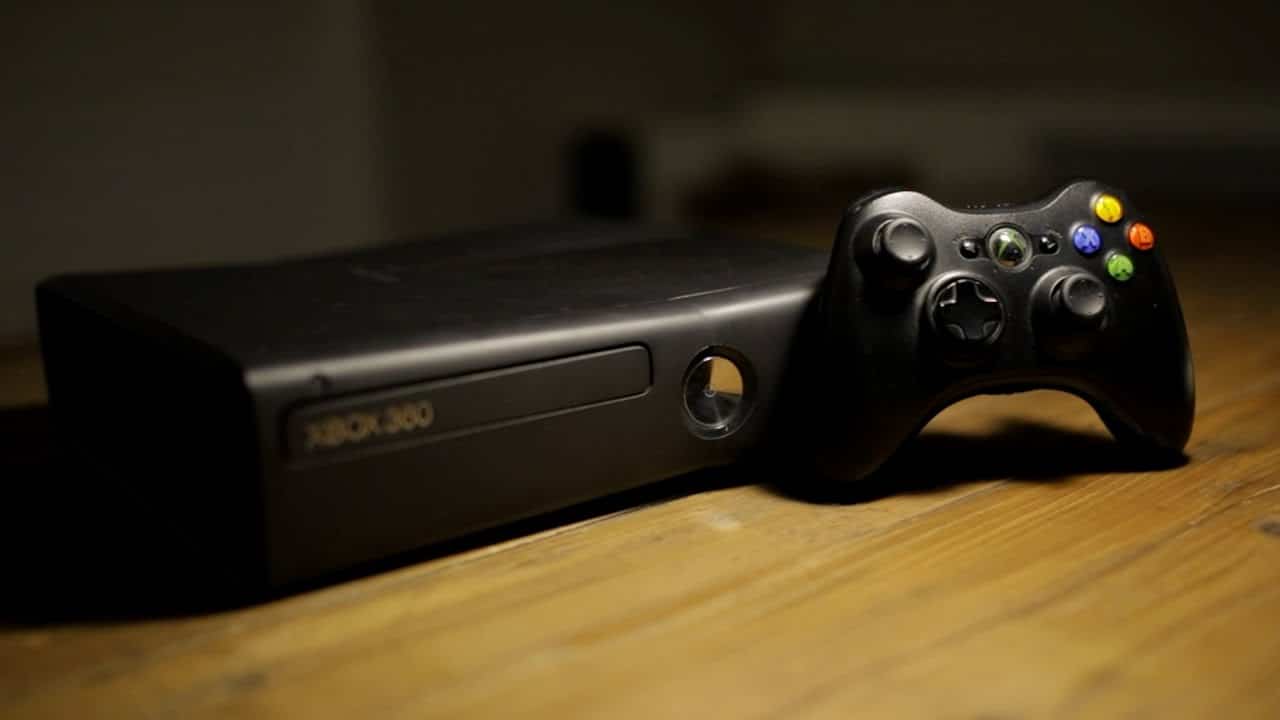
Video game consoles have become a significant part of the entertainment industry. With numerous types of gaming consoles available in the market, it’s essential to understand the impact that each of them has had on the gaming industry. One such notable gaming console series is Xbox, which has been a competitor for years. Aiming for innovation and creativity, the Xbox gaming consoles have won the hearts of gamers worldwide. In this article, we will focus specifically on one of the earlier versions of this console, the Xbox 360. We will take a closer look at its launch and design, features, and legacy in the gaming industry. First, we will begin with an overview of the Xbox gaming console’s significance in the gaming industry and the history and background of the Xbox 360 gaming console. Xbox 360 Announcement and Release Date The Xbox 360 gaming console was first announced on MTV on May 12, 2005, by J. Allard, a Microsoft executive at that time. The console was then showcased at the Electronic Entertainment Expo (E3) conference shortly after, generating excitement amongst gamers worldwide. The Xbox 360 was originally scheduled to be released in November 2005. However, there were delays in the production, leading to a limited number of consoles being available during the holiday season. The console was officially launched on November 22, 2005, in North America to mixed reviews. Despite initial production issues, the sales for the Xbox 360 took off. By the end of 2006, the console had sold 10 million units worldwide. The Xbox 360 continued to gain popularity both due to its vast library of exclusive games and online capabilities, making it one of the most popular gaming consoles of its generation. Overall, the announcement and release of Xbox 360 sparked a new era in gaming technology, driving innovation and a renewed interest in gaming consoles. Xbox 360 Design and Features When it comes to gaming consoles, design and features are just as important as performance. The Xbox 360 console was designed to be sleek and modern, with a distinct look that set it apart from its competitors. The console was available in two colors: white and black. At launch, the console was only available in a white color, but later, the black version of the console was introduced in 2007. One of the most notable features of the Xbox 360 was its online capabilities. With Xbox Live, gamers could connect and play with friends all over the world, access downloadable content, and compete in multiplayer games. The subscription-based service was a game-changer in the industry, as it allowed gamers to stay connected and engaged in their favorite games for longer periods. Another feature that made the Xbox 360 stand out was its wireless controllers. These controllers allowed gamers to play without worrying about cords getting tangled or tripping over them. The controller also featured a responsive design that made gaming more immersive and enjoyable. The Xbox 360 also had built-in WiFi capabilities, allowing gamers to connect to the internet without the need for additional equipment. Overall, the Xbox 360 design and features were ahead of their time. The console was well-received by gamers worldwide and helped solidify the Xbox brand as one of the most innovative and forward-thinking in the gaming industry. Xbox 360 Legacy and Impact The Xbox 360 continues to be one of the most important gaming consoles of all time. Its legacy and impact can be seen throughout the industry to this day. Microsoft’s second gaming console not only set the benchmark for future gaming consoles, but its impact on gaming technology continues to be felt today. The Xbox 360 revolutionized the gaming industry in a few distinct ways. Firstly, the console had a powerful processor, which allowed for better graphics and gameplay. Additionally, the Xbox 360 was the first console to have an online marketplace and introduce online gaming in a meaningful way. This paved the way for modern gaming, where many games are now entirely online. Another reason for the Xbox 360’s legacy is its overall sales. The console sold over 85 million units worldwide, making it the sixth best-selling console of all time, behind only the Nintendo Switch, Super Nintendo, PlayStation 4, PlayStation 2 and Nintendo DS. It helped make gaming mainstream and paved the way for more mainstream use of the internet in gaming. Lastly, the Xbox 360’s impact can be seen in countless games that were exclusive or launched on the console, like Gears of War, Halo, and Fable among others. The huge number of popular games created for the Xbox 360 demonstrate the console’s legacy by leaving an indelible mark on gaming history. Overall, the Xbox 360’s legacy and impact on the gaming industry is undeniable. It not only shaped modern gaming technology but remains an essential console from an important era in gaming. The Xbox 360 continues to be relevant even today, with many aspects of modern gaming owing their existence to this revolutionary console. Xbox 360 vs. Other Gaming Consoles When the Xbox 360 was released in 2005, it faced stiff competition from other gaming consoles of its time such as the PlayStation 3 and the Nintendo Wii. While all consoles had their unique selling points, the Xbox 360 was able to hold its own in the market due to several advantages. Advantages: Online Capabilities: One of the biggest advantages of the Xbox 360 was its online capabilities. It provided an integrated online gaming experience that redefined how players interacted with each other. Built-in Hard Drive: Xbox 360 was the first console that came with a built-in hard drive, which allowed for better storage of games and other media. Exclusive Games: The Xbox 360 had some of the most popular exclusive games such as Halo, Gears of War, and Forza Motorsport, which made it a popular choice among gamers. However, there were also some disadvantages to the Xbox 360, which led to it losing market share to other consoles. Disadvantages: Hardware Issues: The Xbox

Carl’s Death in The Walking Dead

The Walking Dead is a popular series that has captivated audiences around the globe. The show has had its fair share of tragic moments, but one event, in particular, stands out from the rest: the death of Carl. The young character was a central figure throughout the series, and his untimely demise has left a lasting impact on the show’s storyline and the fans. In this article, we will explore the character of Carl and delve into the events that led up to his death. By examining the impact of Carl’s death on the show’s storyline and the fans’ reactions, we can gain a deeper understanding of the character’s enduring legacy. Ultimately, Carl’s death serves as a significant turning point in the show’s history, and we aim to analyze the implications of this event thoroughly. Carl’s Storyline in The Walking Dead The Walking Dead is a television series that has captivated audiences worldwide. Carl is a compelling character that played a significant role in the show. He was the son of Lori and Rick Grimes and the unofficial adopted son of Shane. Carl’s early life was filled with difficulties. He came from a broken family, and his father was absent most of the time because of work-related challenges. Carl’s mom, Lori, was having an affair with Shane, an older cop and friend of the family. After the apocalypse, everything changed for Carl. He had to grow up fast and learn how to survive in a new world. Group dynamics shifted, and new alliances were formed while others were broken. Carl’s relationship with his father evolved, as he became more of his right-hand man, honing his survival skills along the way. One of the milestones in Carl’s progression was when he killed his first walker. This scene was significant in the show, as it showed how Carl’s character was evolving in the harsh world. Moreover, it was a reflection of what Carl’s dad, Rick, had told him earlier about the necessity to “do what it takes to survive.” Carl was also instrumental in the group’s survival, scouting for food, and searching for missing party members. Mercy was not always an option in this world, and Carl learned that killing may be the only way to protect his family and loved ones. Finally, Carl established relationships with other characters, such as Michonne, an expert swordsman who became his close ally and began to fill a maternal role. Additionally, he was romantically interested in one of the other main characters, but we will address that later in the article. Carl’s growth, development, and maturation in The Walking Dead series make him an impressive character with an arc that captivates any audience. Death in The Walking Dead Death in The Walking Dead is quite a loaded concept that has been a recurrent theme in the series since the very beginning. Throughout each season, viewers have watched the popular characters face their untimely demise. It is common knowledge that no one is truly safe in The Walking Dead, not the main characters or the lesser-known ones. Many fans have argued that death is a pivotal aspect of The Walking Dead’s narrative. It grounds the characters in realism and adds depth to the ever-changing storylines. Since the series began, fans have had to say their goodbyes to several beloved characters, including Lori, Shane, Glenn, and more recently, Carl. Carl’s death was a shock to both fans and the characters remaining in the series. After all, Carl had been a mainstay since the very beginning; he had even become one of the central figures of the show. The events leading to his death came as a surprise to many. There are several theories regarding why Carl had to die; some speculate that it was all about political dynamics among various communities. Others believe that it was a necessary subtraction from the story to create more organic storylines. Whatever the reason, viewers and critics have gone back and forth over what effect Carl’s death has had on the show. In the end, Carl’s last days were bittersweet, yet, they cemented his place in the hearts of fans. The Walking Dead universe will miss Carl, but his story will live on for years to come. Death in The Walking Dead Universe is a crucial aspect of storytelling The loss of pivotal and beloved characters has added depth and realism to the narrative Carl’s death was a pivotal moment in the show Speculations abound as to why the character had to die Carl’s last days were touching and heartbreaking Impact of Carl’s death on the Series and Fans When Carl died in season 8 of The Walking Dead, it sent shockwaves throughout the fanbase. Fans were both surprised and distraught because Carl had been a key character in the series, and his death was unexpected. The way that Carl exited the series sparked diverse reactions from the fans, with some expressing their complete disagreement with the decision. The reactions were split into two. There was an initial outcry as soon as the episode aired, with fans expressing their disapproval and taking to social media to voice their displeasure. The majority of fans were in disbelief that the writers and producers chose to take out one of the few remaining original characters from the show. The outpouring of emotions was so great that showrunner Scott M. Gimple shared an open letter explaining the reasons behind the decision. Despite the initial negative reaction, the subsequent episode brought even more controversy, as it contained a plotline that some fans regarded as insulting and insensitive to Carl’s legacy. As a result, the fans felt betrayed and disappointed with the direction the series was taking. The death of Carl was a massive blow to the series’ storyline. Indeed, in subsequent episodes of the series, various characters have had to deal with coping with the tragedy. The resolution of some subplots has also been altered due to Carl’s absence, leaving some fans wondering what would

Half-Life | PC Retro Video Review

Half-Life is a groundbreaking video game that has been an important part of the PC gaming scene since its release in 1998. The game, developed by Valve Corporation, has a history of being one of the best first-person shooter games of all time. With Half-Life, Valve Corporation effectively changed the way narratives were integrated into video games. It provided players with an experience they had never seen before and with Half-Life, the company became an instant name in the industry. In this article, we will provide an in-depth analysis of Half-Life’s gameplay, graphics, story, sound design, replayability, and difficulty. The game stands out in each of these areas and has made an impact on the industry as a whole. By giving careful attention to each of these aspects, we will provide a comprehensive guide to the game while offering insight into its impact on both the gaming community and game developers. Join us as we take a closer look at Half-Life and what makes it a beloved classic of the video game industry. Gameplay: A Masterclass in FPS Mechanics Half-Life’s gameplay mechanics are nothing short of exemplary, introducing players to a new level of first-person shooter gameplay. The game is often hailed for its innovative and engaging gameplay, which has become the standard for many modern FPS games in the industry. At its core, Half-Life’s gameplay is relatively simple, with the focus on providing an immersive and challenging experience for players. The player takes on the role of Gordon Freeman, a scientist who must fight for survival in a laboratory infested with aliens from another dimension. The game employs a variety of weapons, which are obtained through exploration and puzzle-solving. Each weapon has a unique use, adding depth and variety to the gameplay. Players can also use the environment to their advantage, using objects laying around to fight enemies. The variety of enemies in the game is another highlight, with different types of aliens forcing players to switch up their tactics and approach. From the headcrab to the fearsome alien grunts, each enemy has a distinct strength and weakness that the player must exploit. Half-Life’s boss battles are another standout feature, with each encounter presenting a significant challenge. The battles are often intense, and each boss has a unique set of strengths and weaknesses to contend with. Unlike many other FPS games at the time, Half-Life’s gameplay is non-linear. The game’s narrative unfolds as the player progresses through the world and interacts with NPCs. This approach provides players with a sense of agency and immersion, as they must make genuine choices that affect the story’s direction. Overall, Half-Life is a masterclass in FPS gameplay mechanics, with each aspect of the game contributing to a challenging, engaging, and immersive experience. The game’s influence on the genre is undeniable, and its legacy continues to be felt in many modern games today. Graphics (Score 8/10) When Half-Life was first released in 1998, it was considered a major leap forward in terms of graphics and visual design for video games. At the time, the game boasted some of the most impressive visuals seen in a first-person shooter. Not only did Half-Life deliver in terms of graphical prowess; it also contributed to the overall gaming experience. The game’s designers crafted a unique and immersive world with the Black Mesa Research Facility, featuring a variety of environments ranging from sterile labs to eerie underground tunnels. Despite its age, Half-Life’s graphics still manage to hold up to this day. The game’s art design has a timeless quality that still looks impressive and unique. The design of the aliens, for example, showcases a level of creativity that is rare in the video game industry. Additionally, the level of detail and lighting models have withstood the test of time and continue to impress those who play the game today. Overall, Half-Life’s graphics are an impressive aspect of the game that continues to provide a satisfying experience to this day. Not only were the graphics groundbreaking for the time, but they also remain a testament to the artistry and creativity of the game’s designers. While the graphics may not be as stunning as some modern games, they still manage to hold up and contribute to the overall immersive experience. Story (Score 9/10) Half-Life’s story is one of the most captivating and engrossing in the video game industry. The player takes on the role of Gordon Freeman, a physicist who works at Black Mesa Research Facility. As he completes a routine experiment, things take a turn for the worse, and an interdimensional warp causes chaos to break out at Black Mesa. Freeman must navigate through the facility, fight off enemies, and find out what is happening. The game’s storytelling is revolutionary, as it combines action with immersion, merging gaming and cinematography into a novel and mystifying tale. The game’s story is told primarily through in-game events, with the player experiencing the story through Freeman’s eyes, making it more immersive than a cinematic cutscene. Additionally, the pacing of Half-Life’s story keeps players engaged and enthralled. The interplay between sections with and without combat, as well as the level design’s subtleties of changing scenery, keep players engaged through bouts of action and discovery alike. Half-Life’s storytelling has influenced the industry in several ways. It was a pivotal game that demonstrated video game stories could be more than just a basic incentive to drive players towards progressing and completing a game. It inspired many other games to focus on storytelling as well, giving greater attention to character development and narrative. Overall, Half-Life is an immersive, action-packed tale with an excellent storyline that transformed gaming narratives timelessly. Sound Design: Enhancing Immersion and Gameplay Half-Life is renowned not only for its engrossing gameplay and captivating story but also its exceptional sound design. Every weapon blast, impact, footsteps, and sound effect is carefully designed to enhance the overall experience. Here is an in-depth look at Half-Life’s sound design and how it adds to the game’s immersive

Dual Hearts | Retro Video Game Review

Welcome, gamers, to Game Revolution’s comprehensive breakdown of Dual Hearts – a retro classic for the PlayStation 2. This action-adventure game was first released in 2002 by the now-defunct game studio, Matrix Software. The PlayStation 2 is one of the best-selling game consoles of all time; Dual Hearts is a beloved game from its library. Our article provides an overview of the game’s core aspects, such as its gameplay, graphics, story, sound design, replayability, and difficulty. In the Gameplay section, we will take an in-depth look at the controls and combat mechanics in Dual Hearts, exploring what makes this game unique and how it compares to other games in the genre. Our Graphics section will analyze the game’s visuals and art style, its animations, and compare it with other games released around the same time. As for the story, we will summarize the plotline, analyze its storytelling techniques, and explore its themes and messages. In Sound Design, we will review the quality of sound effects and music scores, along with the voice acting and compare it with other games released around the same time. We will then move to the Replayability and Difficulty section, where we discuss the game’s replayability value and assess the level of difficulty and learning curve. Finally, we will conclude our analysis of Dual Hearts with our final thoughts, providing the game with a score between 1-10 and recommending whether it deserves a place in your PlayStation 2 library. Get ready to jump back into the memory lane! FAQ Q: What is Dual Hearts? A: Dual Hearts is an action-adventure game developed by Matrix Software and published by Atlus for the PlayStation 2 in 2002. Q: Does Dual Hearts have multiplayer support? A: No, Dual Hearts is a single-player game and does not have multiplayer support. Q: Is Dual Hearts a linear game? A: Yes, Dual Hearts has a linear story mode that progresses through various levels and areas. Q: How long does it take to beat Dual Hearts? A: On average, it takes around 10-12 hours to beat Dual Hearts, depending on the player’s skill level and game completion goals. Q: Can Dual Hearts be played on the PlayStation 4? A: No, Dual Hearts is only available on the PlayStation 2 and has not been re-released on any other console or platform.

Mikasa’s Marriage: Attack on Titan Ending

Attack on Titan is a popular anime and manga series that has captured the hearts of many fans. One of its beloved characters is Mikasa Ackerman, who has remained a topic of intrigue and speculation among avid viewers. As experts in our field of entertainment, Game Revolution aims to provide our audience with a comprehensive analysis of the ending of Attack on Titan with a focus on Mikasa’s character arc and her relationships. In this article, we will delve into the question that has been on everyone’s mind: Who does Mikasa marry in Attack on Titan? Our target audience for this article is high school students who are fans of the series and are eager to understand the intricacies of Mikasa’s journey. Join us as we explore the uncharted territories of Mikasa’s character development and attempt to shed light on the ending of Attack on Titan. Who is Mikasa Ackerman? Mikasa Ackerman is one of the main characters in the popular Japanese anime and manga series Attack on Titan. She is the adoptive sister of the protagonist, Eren Yeager, and plays a vital role in the series. Mikasa is known for her exceptional combat skills, intelligence, and unwavering loyalty to those close to her. As a child, Mikasa’s parents were killed, and she was taken in by the Yeagers. This traumatic event has shaped her character and has made her fiercely protective of her loved ones. Throughout the series, Mikasa’s relationship with Eren is a significant focus. She cares deeply for him and will do anything to protect him, often putting herself in danger. Mikasa’s loyalty and dedication are essential to the plot of Attack on Titan, and her character development is a significant component of the series. Her combat skills and strategic mind have proven valuable in numerous battles, and she has become a fan favorite for her unwavering strength and resolve. Overall, Mikasa is a complex and multi-faceted character who adds depth and meaning to the plot of Attack on Titan. Her relationships with other characters, particularly Eren, are a driving force behind the series and have kept fans engaged from start to finish. Analyzing the Manga The ending of the Attack on Titan manga left fans with a lot of questions and speculation, especially regarding Mikasa’s potential romantic relationship. The manga ended with a time-skip, showing the main characters as adults, with Mikasa and Eren seemingly estranged. Many fans have speculated that Mikasa’s husband shown in a flash-forward scene could be Eren, but this theory remains unconfirmed. Some readers have also theorized that Mikasa is in love with Eren’s friend Armin, while others believe that she is actually in love with Eren’s brother Zeke. Despite the speculation, the manga provides no concrete answer as to who Mikasa ends up marrying or if she marries anyone at all. Overall, the manga’s ending leaves much up to interpretation, allowing fans to come up with their theories and speculation. The endings of both the anime and manga have received mixed reactions from fans, with some finding it unsatisfying and others praising it for its boldness. Examination of the Attack on Titan Anime’s Portrayal of Mikasa’s Relationship The anime adaptation of Attack on Titan has depicted Mikasa’s relationship with Eren Yeager in a way that differs from the manga. While the anime also portrays Eren as a significant figure in Mikasa’s life, it places less emphasis on their romantic connection. In the anime, Mikasa’s devotion to Eren stems more from a deep sense of gratitude for his aid in protecting her family. Their relationship is one that is built on trust, respect, and an unbreakable bond forged through hardship. Unlike the manga, the anime also presents Mikasa with a potential love interest, further indicating that her feelings towards Eren may not be entirely romantic. Comparing the anime and manga endings further highlight these differences. While the manga heavily implies that Mikasa and Eren eventually become romantically involved, the anime’s ending leaves their relationship more open to interpretation. However, regardless of the differences between the anime and manga versions, Mikasa’s character journey and her relationships remain essential aspects of her portrayal. The anime’s unique interpretation of her dynamic with Eren adds depth and complexity to her character, making her one of the most beloved and influential characters in the series. The Significance of Mikasa’s Character Arc Mikasa Ackerman is one of the most beloved characters in Attack on Titan, and for good reason. Her backstory and character arc are intricately woven throughout the series, making her a significant and memorable character. Mikasa’s growth throughout the series is marked by key relationships with her fellow characters that impact her development significantly. From her earliest introduction, Mikasa is portrayed as a fiercely loyal and incredibly talented warrior. Her strength is matched only by her stubborn determination to protect those she loves. This drive is due, in part, to her past trauma and the pervasive theme of “family” that runs throughout the story. One of the most prominent relationships in Mikasa’s life is with Eren Jaeger, the protagonist of the series. The two have a deep connection, and Eren’s safety is her primary concern. As the story progresses, Mikasa starts to understand that she is not solely defined by Eren, and that her own autonomy is important. Her growth is also highlighted through her relationships with other characters, such as Hange and Levi. The ending of Attack on Titan brings Mikasa’s character arc full circle, highlighting her growth throughout the series. In the final moments, Mikasa has a touching exchange with Eren, and through this, she gains closure and a sense of purpose. Ultimately, Mikasa’s arc is a movement away from the single-minded love and dependency she had on Eren and towards greater independence, agency, and a sense of identity beyond her relationships. In summary, Mikasa’s character arc in Attack on Titan is a powerfully-written and developed journey of growth and independence; one that is marked by key relationships and moments throughout the story.

Lionheart | PC Retro Video Review

Lionheart is a retro video game released for PC in 1993 with gameplay, graphics, and sound that stand the test of time. The game developed by Thalion Software holds significant importance within the gaming industry due to its unique storyline and gameworld. This game has touched millions of gamers’ hearts and is still considered epic. In this article, we will be examining various aspects of Lionheart, including its history, gameplay, graphics, storyline, and replayability and difficulty. We will also provide a score on a scale of 1 to 10 at the end of the article. This meaningful and comprehensive overview will enable you to get acquainted with Lionheart and decide if it’s worth the replay. So, without any further ado, let us deep-dive into the world of Lionheart. History of Lionheart Game Lionheart is a role-playing game that was developed by Reflexive Entertainment and published by Interplay Productions in 2003. The game’s story is set in a medieval world where magic and technology coexist, and players take on the role of a knight tasked with saving the world from an evil sorcerer. The developers put great effort into designing a game world that would be engaging for players. They wanted to create a world that was both realistic and fantastical, with realistic terrain and detailed environments that would immerse players in the game’s story. The game was released on August 13, 2003, and received mixed reviews from critics. While some praised the game’s visuals and story, others criticized its slow pacing and lack of innovation. However, the game’s significance and impact on the gaming industry cannot be understated. Lionheart was one of the first role-playing games to incorporate real-time combat into the gameplay, which helped to modernize the genre and make it more accessible to a wider audience. In addition, the game’s storyline and setting inspired many gamers and helped to shape the development of future games in the genre. Despite its flaws, Lionheart remains a beloved game among many retro gaming enthusiasts, and its impact on the gaming industry cannot be denied. Gameplay and Mechanics Lionheart’s gameplay mechanics are fairly standard for a role-playing game (RPG) from the late 90s. However, the game’s unique twist on the RPG formula makes each playthrough an unforgettable experience. The game features a basic control scheme, with players using a combination of the arrow keys and mouse clicks to interact with the game world. You move your character around with the arrow keys while using clicks to interact with NPCs, items, and objects. The game itself is divided into ten chapters, each with its own objectives, quests, and storyline. The gameplay takes you through different locations on a map, and each location has its own unique challenges for players to overcome. As you progress through each chapter, you gain experience points, which increase your level and available skills to learn. Along with this is a vast inventory system, where collecting new items and loot can make the difference between succeeding or failing in your quest. Overall, Lionheart features an immersive and educational gameplay experience, which allows players to connect with the storyline while also challenging them to improve their skills. The game’s mechanics are intuitive and easy to learn, making it a fantastic entry-level RPG for those new to the genre. The variety of levels, quests, and objectives keep the game fresh and replayable, making it an enjoyable game for experienced players and newcomers alike. Graphics and Visuals Lionheart is a retro video game with stunning visuals and art design. The game is set in a mystical medieval world that brings back memories of classic RPG games. The graphics and visuals of Lionheart are impressive even by today’s standards. The game world is beautifully crafted, featuring various terrains, landscapes, weather conditions, and lighting effects that make it come alive. The character design is impeccable, from the main character to the NPCs. Each character has a unique look and personality that adds depth to the game. The sound design and music of Lionheart are equally impressive. The soundtrack is composed of medieval-themed music that fits perfectly with the game’s setting. The sound effects are detailed and immersive, enhancing the overall experience of the game. The details and attention to graphics and sound make Lionheart an unforgettable experience for any gamer, especially for those who appreciate the retro style of gaming. The developers did an excellent job creating an engaging and authentic world that offers an immersive gaming experience. Story and Narrative One of the standout features of Lionheart is its gripping and immersive storyline. The game is set in an alternate history medieval Europe, where magic and technology coexist. The player takes on the role of the protagonist Richard, a knight on a quest to discover his true identity and defeat an evil queen who has seized the throne. Throughout the game, the player is introduced to a diverse cast of characters from different backgrounds, each with their own motivations and objectives. These characters add depth and richness to the game’s storyline, creating an immersive and engaging experience for the player. The game’s storyline is not simply linear, and the player’s choices and actions affect the outcome of the narrative. The branching storyline and the multiple choices that the player encounters provide a unique and non-linear approach to storytelling. Moreover, the game’s narrative is supported by excellent world-building and attention to detail. The alternate history setting is fully realized, and the game’s lore provides for coherent and consistent storytelling. The game’s themes, such as morality, power, and redemption, are also explored in great depth, adding depth and additional layers to the story. In summary, Lionheart has an excellent storyline and narrative structure with fully realized characters, immersive world-building, and attention to detail. The game’s storytelling is engaging, thoughtful and thought-provoking in equal measure, making it a must-play for fans of retro video games. Replayability and Difficulty When it comes to video games, replayability is an essential factor in determining a game’s value. In

High Heat Baseball 2002 | Retro Video Game Review

High Heat Baseball 2002 is a retro baseball video game released in 2001 by 3DO for the Sony PlayStation console. This game was developed by Team .366 and was part of the High Heat Major League Baseball series. It allowed players to experience the thrills of baseball from the comfort of their homes. High Heat Baseball 2002 is still popular amongst retro gamers due to its engaging gameplay, classic graphics, and sentimental value. In this review, we will take a closer look at High Heat Baseball 2002, discussing its gameplay, graphics, story, sound design, replayability, and difficulty. We delve into its history, what made it significant back then, and why it is worth the attention of modern gamers. This review will serve as a guide for new players looking to try out a classic baseball game and also for retro gamers looking for a refreshing baseball experience that still holds up today. Gameplay High Heat Baseball 2002 is a classic sports game that puts players in control of their favorite teams and players. With a few simple button presses, players can take their team to victory. Here’s everything you need to know to start playing High Heat Baseball 2002: A: How to Play High Heat Baseball 2002 To play, simply choose your team, your opponent, and the stadium you want to play in. The game features a variety of different game modes, including exhibition, season, and playoffs. Once you’ve chosen your team and game mode, you’ll be ready to start playing. B: Discuss the Controls and Mechanics of the Game The controls in High Heat Baseball 2002 are simple and intuitive. The game features two main types of controls: pitching and hitting. When pitching, players can choose from a variety of different pitches, including curveballs, sliders, and fastballs. When hitting, players can swing the bat using the face buttons on the controller. C: The Depth of the Gameplay and Options Available Despite its simplicity, High Heat Baseball 2002 offers players a lot of depth and options. Players can adjust everything from the difficulty level to the number of innings played. The game also includes a variety of different stadiums to play in, each with its own unique look and feel. Overall, High Heat Baseball 2002 is a fun and engaging sports game that offers a lot of depth and options. Whether you’re a casual gamer or a die-hard sports fan, this game is sure to provide hours of entertainment. Graphics When considering the graphics of High Heat Baseball 2002, one must remember that this is a retro game. While it might be unfair to compare the graphics to something modern, it’s essential to consider how they hold up today. Overall, the game’s graphics are decent for its time. The player models have a fairly realistic look and animations that are relatively smooth. However, compared to the more recent baseball games, it is clear the High Heat Baseball 2002 retro game shows some flaws. The game’s art style was made to appeal to baseball fans. With a focus on stadiums, the game gave players a touch of what it was like to see a game live in the stadium. The in-game stadiums were replicated accurately and faithfully, giving players that sense of atmosphere they typically associate with the ballgame. When comparing the graphics of High Heat Baseball 2002 with its contemporary games, it is apparent that modern games have benefited from advancements in technology, resulting in more intricate and realistic graphics. While the retro iteration stills attract players with its unique charm and aesthetics, the limited graphics system of the PlayStation 2 makes it pale in comparison with modern-day video games. In conclusion, the graphics of High Heat Baseball 2002 are reasonably good for the time, but they show some weaknesses when compared to more modem video games. Nevertheless, the game’s art style is unique for baseball fans, and many retro gaming enthusiasts still appreciate the player models, animations, and as mentioned earlier, the stadiums’ realistic design. Story When it comes to sports games, story is usually not the focus. However, High Heat Baseball 2002 attempted to change that by including a narrative in the game. The plot of the game revolves around you, the player, trying to lead your team to victory. As you progress through the game, you face various challenges such as tough opponents and injuries, but ultimately, your goal is to win the World Series. In terms of setting, the game takes place in various stadiums across the United States. Each stadium has its own unique look and feel, which adds to the overall immersion of the game. While the story in High Heat Baseball 2002 is not groundbreaking, it does add an extra layer of excitement to the gameplay experience. The narrative gives players a reason to keep coming back and striving for success. In addition to the plot, the game also includes various characters such as coaches and commentators. While the characters aren’t particularly complex, they do provide some personality to the overall game. Overall, while story is not the most important aspect of a sports game, High Heat Baseball 2002’s attempt at including one adds some depth and enjoyment to the game. Sound Design One of the key elements that can make or break a gaming experience is the sound design. High Heat Baseball 2002 incorporates an impressive audio strategy that significantly enhances the immersive experience of the game. From the first pitch to the last out, players will be hooked by the quality of audio that the game delivers. The sound and audio effects in High Heat Baseball 2002 are impressive. Every pitch and strike is accompanied by the satisfying crack of the bat. The sound of the ball hitting the glove is also crisp and realistic. Such realistic sound effects make the player feel like they are in the moment, playing on the field in front of thousands of fans. Furthermore, the background music is also a highlight of the sound

Star Wars: Chronological Viewing Guide

Welcome to “A Comprehensive Guide on How to Watch Star Wars in Chronological Order”, brought to you by Game Revolution. Star Wars is an iconic movie franchise that has captured the hearts of millions of fans worldwide. The storyline of the Star Wars universe is vast and intricate, spanning across various movies, TV shows, books, and other content. It can be overwhelming for newcomers to know where to start and how to follow the story. This is where our guide comes in. In this article, we will explain the importance of following a chronological order while watching the movies, delve into the various options, and provide a comprehensive timeline of the Star Wars universe. If you are a first-time viewer or a seasoned fan wanting to revisit the story in chronological order, buckle up, and let’s jump right in. Viewing Order Options When it comes to watching the Star Wars movies, you have three primary options of chronological order, release order, or machete order. Each option has its advantages and disadvantages, making it essential to consider each before making your decision. Release order is the most traditional way of experiencing Star Wars, as it is how the original movies were released in theaters. This means starting with the original trilogy and then watching the prequels and sequels. Release order allows for the same experience as original viewers had, enabling you to witness the progression of technology and special effects. On the other hand, chronological order offers a unique perspective to the Star Wars universe by presenting events in chronological order. This allows for a deeper understanding of the universe’s lore, providing insight into the characters and events that led to the original trilogy. However, this option may not be the best for first-time viewers. The machete order is a relatively new approach, which provides a unique narrative structure by rearranging the sequence of events in a way that enhances the original trilogy. This involves watching A New Hope, Empire Strikes Back, Attack of the Clones, Revenge of the Sith, and Return of the Jedi. The machete order is a great choice for fans who appreciate this unique approach to the series. Considering all the options, we recommend watching Star Wars in chronological order for first-time viewers as it presents an opportunity to witness the Star Wars universe’s evolution. This order allows for a comprehensive understanding of the storyline without spoilers and may make the subsequent viewings of the movies more enjoyable. Understanding the different viewing options makes it easy for you to choose the best option for you. Keep in mind that each option offers a unique experience, so choose the one that best suits your interests and preferences. The Timeline of the Star Wars Universe Whether you are a seasoned fan or a first-time viewer, understanding the timeline of the Star Wars universe is essential. The events in the Star Wars movies happen over several years and watching them in the correct order will provide a better understanding of the storyline. The Star Wars timeline consists of three trilogies – the prequel trilogy, original trilogy, and sequel trilogy – which are the core of the franchise. George Lucas directed the prequel trilogy, consisting of Episode I to III, which serves as a prequel to the original trilogy. The original trilogy consists of Episode IV to VI, which is the story of the Rebellion and the Empire. The sequel trilogy is the most recent addition to the franchise, consisting of Episode VII to IX, and takes place 30 years after the events of the original trilogy. In addition to the trilogy films, the Star Wars universe includes standalone movies, TV shows, and other content. These standalone movies fill in the gaps between the trilogies and provide a deeper understanding of the characters and the universe. Overall, understanding the Star Wars timeline is crucial to enjoying the franchise completely, whether you are a new or seasoned viewer. Now that we have a clear idea of the timeline, let us move on to the next segment where we will discuss the recommended viewing order for first-time viewers. Watching Star Wars in Chronological Order If you’ve ever wondered about the correct order in which to watch the Star Wars saga, you’re not alone. With so many movies, TV shows, and other types of content, it’s easy to feel overwhelmed. Fortunately, following a chronological order can help you make sense of the storyline. Here’s a detailed breakdown of the order in which to view the movies, TV shows, and other content, along with where each item can be streamed or purchased. The chronological order of the Star Wars universe starts with the Prequel Trilogy set before the original trilogy. It’s essential to know the storyline of the movies so that you have a basic understanding of the prequel era. Here’s the order of all the Star Wars content in chronological order: – Star Wars: Episode I – The Phantom Menace – Star Wars: Episode II – Attack of the Clones – Star Wars: The Clone Wars (the animated TV show) – Star Wars: Episode III – Revenge of the Sith – Solo: A Star Wars Story – Star Wars: Rebels (another animated TV show) – Rogue One: A Star Wars Story – Star Wars: Episode IV – A New Hope – Star Wars: Episode V – The Empire Strikes Back – Star Wars: Episode VI – Return of the Jedi – The Mandalorian (TV series) – Star Wars: Episode VII – The Force Awakens – Star Wars: Episode VIII – The Last Jedi – Star Wars: Episode IX – The Rise of Skywalker It’s important to note that while The Clone Wars and Rebels are animated TV shows, they play a critical role in the Star Wars universe’s story. The Clone Wars depicts the journey of Anakin Skywalker from Padawan to Jedi Knight, and then his eventual turn to the dark side, while Rebels acts as a bridge between the prequel era and

Midtown Madness 2 | PC Retro Video Review

Midtown Madness 2, a popular game among racing enthusiasts, was released nearly two decades ago in the year 2000. Despite its age, this PC retro video game remains one of the most beloved racing games of all time. As the years have passed, enthusiasm for the game has not faded, with new fans constantly discovering, playing, and appreciating the title. Its relevance as a retro game is evident through the numerous remakes and updates to the series. Fans of the game find its unique blend of driving mechanics and open-world gameplay addictive and endlessly entertaining. The game’s reputation and lasting impact on the racing genre make it a nostalgic favorite for many. In this article, we will delve into the fascinating history of Midtown Madness 2 and examine its gameplay, graphics, sound design, storyline, replay value, and difficulty. By the end of this article, we aim to give a comprehensive overview of this classic game and provide readers with insight into its lasting appeal. History of Midtown Madness 2 Midtown Madness 2 is a racing game developed by Angel Studios and published by Microsoft for the PC in 2000. The game was the sequel to Midtown Madness, which was released by the same developer in 1999. Midtown Madness 2 was a highly anticipated game upon its release due to the popularity of its predecessor, and it did not disappoint. The game included new features such as improved graphics, an expanded cityscape, and new vehicle options. Upon release, Midtown Madness 2 was met with critical acclaim and quickly became a fan favorite. The game was praised for its open-world design and the freedom it afforded players to explore the in-game city without being forced to stick to a set path. Midtown Madness 2 was also one of the first racing games to include an online multiplayer mode, which was a major selling point for the game. The reception of the online mode was overwhelmingly positive, and it helped establish the game as a pioneer in online multiplayer racing. In comparison to other racing games of the time, Midtown Madness 2 stood out as a unique title due to its open-world design and focus on exploration. It offered players a different experience than traditional linear racing games and was successful in that niche. Overall, Midtown Madness 2 was a highly influential game in the racing game genre. Its innovative design and successful reception helped pave the way for future open-world racing games and online multiplayer modes in racing games. Gameplay of Midtown Madness 2 Midtown Madness 2 is a racing game that lets players experience the thrill of driving through a realistic traffic-filled city. The game is set in two major cities: London and San Francisco, with different types of terrain, such as hills, bays, and bridges. The game offers various game modes, including Cruise, Blitz, Checkpoint, and Circuit. In the Cruise mode, players can explore the city at their own pace and interact with the environment. The Blitz mode is a time attack mode where players must reach multiple checkpoints within a limited amount of time. The Checkpoint mode requires players to drive through a series of checkpoints in a specific order within a certain time limit. Finally, the Circuit mode is a racing mode where players compete with other AI drivers in different circuits. One of the most impressive aspects of Midtown Madness 2 is the level of player customization and controls. Players can choose from a variety of vehicles, each with its own strengths and weaknesses, and they have the option to customize them further with various paint jobs and modifications. The controls are intuitive and responsive, making it easy to drive around and perform stunts. In summary, Midtown Madness 2’s gameplay offers a diverse range of options for players to explore. With different modes and challenges, the game’s unique racing mechanics create an immersive experience for gamers. Additionally, the level of customization and controls contribute to the game’s overall appeal and playability. Graphics and Sound Design Midtown Madness 2’s graphics and overall aesthetic may seem rudimentary by today’s standards, but it was an innovative game for its time. The game’s graphics had been improved from its predecessor and made the experience more immersive. The game’s designers managed to create an incredibly detailed and entirely immersive open-world environment. Moreover, the game’s sound design, including music and sound effects, is incredibly satisfying and immersive. Depending on your ride, you might hear different music playing in your car radio during playtime. The sounds of cars crashing, police sirens, and pedestrians screaming have been designed accurately to provide an entirely immersive experience. The soundtrack simply cannot be understated in how much it adds to the game’s overall atmosphere. Comparing Midtown Madness 2 to other racing games of the era may not be entirely fair, but it’s still worthwhile. Without a doubt, the graphics are not as advanced as in some of today’s games, but what it lacks in graphical prowess, it more than makes up for in art style, with a charm that only 2000’s games seem to be able to provide. Midtown Madness 2’s sound design might not be groundbreaking, but it provides the perfect background noise making an already chaotic gameplay even more fun. All in all, despite its age, Midtown Madness 2’s graphics and sound design still hold up well today. The game remains a testament to how great craftsmanship and inventive game design can deliver an immersive experience with innovations that continue to inspire racing game developers to this day. Midtown Madness 2 was released in the year 2000, and though it had no intricate storyline, the game was focused solely on vehicular racing exhilaration. With various races and challenges to choose from, players had plenty of options and every game mode was unique from another. The open-world environment allowed for the players to explore, make their routes, customize their cars, and interact with other cars on the roads. Despite having no dedicated story or precise objectives,

Gameday 2002 | Retro Video Game Review

Gameday 2002 is a classic video game that has made its mark in the gaming industry. Developed by Sony, it has captivated players with its impressive gameplay, graphics, sound design, and replayability. As a Retro Video Game, it still retains a following even today, and we want to pay tribute to this timeless title. In this article, we will give an overview of Gameday 2002 and how it compares to other titles in its genre. We will delve into its gameplay mechanics, graphics, story, sound design, and replayability. As an expert in the video game industry, we will provide a detailed analysis based on its unique features and discuss its impact on the gaming community. Let’s take a brief look at Sony Retro Video Games, the history of Gameday 2002, and see how it has made its mark in the gaming world. Gameplay: A Closer Look When it comes to Gameday 2002, the gameplay mechanics are the backbone of the game. This retro classic has a simplicity that makes it easy to learn and play. The responsive controls and camera angles are an integral part of the enjoyable gameplay experience. The game modes are varied enough to keep you engaged, with different settings such as Exhibition, Playoffs, and Season. You will find yourself coming back to Gameday 2002 to replay these modes time and time again. The lasting appeal of Gameday 2002 lies in the fun gameplay. The well-designed gameplay elements make it a game that you will keep coming back to over the years. Even though some may argue that its simplicity makes it less appealing, sometimes less is more. Gameday 2002 isn’t a simulation game, but it is a nostalgic and fun experience that many players will appreciate. The gameplay is addictive, and you will find yourself playing for hours on end. Gameday 2002 is a classic game that offers players a great gaming experience. The gameplay mechanics are simple, responsive, and enjoyable, making it a perfect game for relaxing and having fun. It’s a game that offers players a lot of replayability, making it a smart choice for those looking for a game that they will come back to time and time again. Graphics (Score X/10) Gameday 2002’s graphics are a mixed bag. On one hand, the character models are impressive, and the animation is fluid. On the other hand, the environments are often lackluster and bland, with a noticeable lack of detail. The game’s art style is also divisive, with a focus on realism that some players may find uninspired. In evaluating the character and environment design, it’s clear that the developers at Sony put a lot of effort into the player models. Donning detailed uniforms and helmets, each athlete is unique and recognizable. The animations for tackles, throws, and catches are all smooth and fluid, which adds to the excitement of the experience. However, as mentioned before, the environments in Gameday 2002 are often lackluster. From the rusted bleachers in the stadium to the sterile locker rooms, the backgrounds lack the detail players might expect from a modern sports game. Thankfully, the character models make up for this to an extent. With that said, the graphics of a video game can make or break it, as they play an essential role in shaping the overall experience. While Gameday 2002’s graphics aren’t the best we’ve ever seen, they do enhance the overall gameplay experience. The animation and character models make the game feel immersive and immersive, and while the environments could use some improvement, the graphics as a whole do not detract from the game. Story (Score X/10) Gameday 2002 is a classic sports game that offers a compelling storyline throughout its various modes. The game offers various teams and players from the NFL, complete with authentic stadiums and uniforms. Gameday 2002’s plot focuses on the player’s chosen team and their journey towards the championship game. The plot is well-written and does an excellent job of keeping the player engaged throughout the game. Each season features new challenges and plot twists, keeping the player on their toes. The development of the plot is consistent and entertaining, allowing for an immersive experience. However, the character arcs in Gameday 2002 are lackluster and mostly nonexistent. While the main players’ names and teams are familiar, the game fails to deliver any memorable dialogue or character development. As a result, the game’s narrative impact on the gameplay experience is somewhat insignificant, leaving little impact on the player’s perception of the game. Despite its lack of character development, Gameday 2002’s narrative is still worthwhile and engaging, especially for sports fans. Its focus on the game, its challenges, and plot twists that ensue makes the story worth following. Overall, we score the game’s story X/10. Sound Design: X/10 Gameday 2002 boasts an impressive soundtrack that captures the essence of classic sports games, revving up the adrenaline of every player. The sound effects such as the smashing of cleats on the ground and the player collisions add a realistic touch to the game, making every hit feel visceral and impactful. The music quality also adds to the overall experience, taking gamers on an exciting and thrilling journey on the field. In evaluating the quality of voice acting and sound mixing, Gameday 2002 is well ahead of its time. Every announcing and commentating voice phrasing feels natural and keeps players engulfed in the game. The crowd, on the other hand, did not leave us feeling as impressed. Some of the home team fans sound identical to visiting fans, reducing the feeling of intensity during the game. Overall, the sound design goes beyond merely hearing the crash of helmets, the whistles during fouls, and various other in-game sounds; it improves the gaming experience. The sound effects and musical choices merge with the gameplay to create an immersive environment, enriched with authenticity and real-life football experiences. Moreover, quality voice acting and production exceed expectations, making Gameday 2002 an example of sound design done right. Gameday

Pokemon Go: Team Rocket Invasions Explained

As a Pokemon Go player, you may have noticed the dark shadows on the map, indicating Team Rocket’s Invasions in the game. This new feature adds an exhilarating challenge to the already popular mobile game. In Pokemon Go, players catch and collect Pokemon by exploring the world around them. The introduction of Team Rocket’s presence in the game creates a more authentic experience for players. Team Rocket augments the game’s premise of catching and collecting Pokemon, disrupting the player’s usual route. This adds an extra layer of excitement that was previously unavailable in the game. Aside from being an entertaining feature, Team Rocket’s Invasions also introduce new characters and rewards, making it an essential part of the game. This article will delve into the game’s Team Rocket’s Invasions, exploring their background and how to pursue and challenge Team Rocket Grunts, Leaders, and even Giovanni. Background of Team Rocket Team Rocket is one of the most iconic villains in the Pokemon franchise. The criminal organization was initially introduced in the first generation of Pokemon games as the primary antagonist. Since then, they have appeared in a range of Pokemon games, movies, and TV shows. In the Pokemon universe, Team Rocket aims to use Pokemon for their own gain, often resorting to nefarious methods. They are known for their infamous motto, “Prepare for trouble! Make it double!”, which has become synonymous with their appearances in the franchise. Their leaders, Giovanni and Madame Boss, are often depicted as powerful and intimidating figures that the player must defeat to save the game’s world. Despite their villainous nature, Team Rocket has earned a special place in the hearts of Pokemon fans. Their elaborate schemes, unique Pokemon, and memorable dialogue have made them an ideal antagonist for many players. As such, their inclusion in Pokemon Go’s Team Rocket Invasions update has been highly anticipated and well-received by fans. Introduction of Team Rocket’s Invasions in Pokemon Go Pokemon Go’s Team Rocket Invasions update introduced an exciting new feature to the game that gave players a new challenge to tackle. The update sees Team Rocket causing disturbances in various PokeStops throughout the game. This meant that players no longer had to focus solely on capturing Pokemon but instead were faced with a new challenge. When you reach a PokeStop with a unique darkened graphic, that signals that Team Rocket has taken it over. You will have to battle a rocket grunt who will be using Shadow Pokemon which are more potent than regular Pokemon, and when defeated, you will get a chance to capture the Shadow Pokemon they use. This compelling addition to the game has been wildly popular with Pokemon enthusiasts and has also brought back lapsed players to dive back into the mobile game. Pursuing Team Rocket in Pokemon Go If you want to encounter Team Rocket in the game, there are several ways to pursue them. After the introduction of the Team Rocket Invasions update, players can locate them by doing the following: Check the map for dark-colored PokeStops that are shaking. Visit the PokeStop and spin its photo disc to start a battle. Defeat the Team Rocket Grunt to have a chance of catching their Shadow Pokemon. However, Team Rocket’s invasions are slowing down the game’s progress. The more Pokestops they invade, the fewer items players can collect from them. To slow down the invasion, players can: Fight and defeat the Team Rocket Grunts to stop them from guarding the PokeStop. Battling the Grunts also reduces the level of the guard’s shadow Pokemon, decreasing their power and chances to invade. Pursuing and battling Team Rocket in Pokemon Go has its challenges, but it can also provide an exciting new gameplay element for players. Battling Team Rocket Grunts Battling Team Rocket Grunts in Pokemon Go can be a challenging task, especially for players who are new to the game. The battles can occur unexpectedly, disrupting regular gameplay, and even the most seasoned players can struggle. Here are some strategies and tips to help you defeat Team Rocket Grunts with ease. Firstly, understanding the type advantage system in Pokemon Go is crucial when facing Team Rocket Grunts. Each Pokemon has a type, such as Water, Fire, or Electric, and certain types are countered by others. Try to use Pokemon types with advantages over the Grunt’s Pokemon type. This will increase your chances of success in battle. Another strategy is to develop a balanced team with different types of Pokemon and movesets. This variety allows you to adapt to different situations and Grunts, helping you to counter their moves and minimize damage. It would help if you also used different Pokemon in a battle to increase your chances of winning. An overview of the challenges in Team Rocket Grunt battles is that they can be very tough, and the Grunts are not so easy to defeat. Additionally, their Pokemon are challenging to predict, and they mix things up to make the battles less predictable. Prepare yourself to deal with any attack from the Grunts. Remember, the Grunts will be unaffected by status effects, and the stronger Grunts could use multiple shields to protect their Pokémon. Being prepared is key. With these strategies and tips, battling Team Rocket grunts will be more comfortable and more successful. Confronting Team Rocket Leaders and Giovanni Taking down Team Rocket Grunts is one thing, but taking down their leaders and Giovanni is a whole different ball game. Unlike Team Rocket Grunts, you’ll require specific tactics and details to defeat them. This section will explain how to encounter each of them and how to come out on top. To begin with, players need to defeat at least one of Team Rocket Grunts to lure out their Team Rocket Leader. The Leaders bring more powerful Pokémon to the table and can often catch trainers off guard. You can identify the Team Rocket Leaders based on their unique outfit and badge. Once you battle and defeat a Team Rocket Leader, you’ll receive a Mysterious

Social Media

New From Game-Revolution

Get The Latest Updates

Subscribe To Our Weekly Newsletter

No spam, notifications only about new products, updates.

Categories

Trending

Most Popular Stories

Renting a Pinball Machine: What to Know Before You Book One

TLDR Most people do not look into renting a pinball machine because they suddenly developed a passion for moving 300-plus pounds of wood, metal, glass, electronics, and occasional chaos. They want the fun part. They want a real machine in the room, something with actual presence, something people walk toward instead of past. That is the real appeal of renting pinball machines. It is ownership without the commitment, and it is event entertainment with more personality than another generic rental game. You get the flash, the sound, the competition, and the “one more game” effect without taking on the full burden of purchase price, transport, setup, leveling, and maintenance. Why Renting a Pinball Machine Can Actually Make Sense There are three situations where renting pinball usually makes the most sense. The first is the home test-drive. Maybe you love pinball and think you want to own one someday, but you are not ready to spend real collector money on a machine, learn basic service, and figure out whether your household actually wants one in the room for months or years. Renting lets you answer that question without turning the experiment into a major commitment. The second is the office or business use case. A good pinball machine does something a lot of break room entertainment does not. It pulls people in. It is social without requiring a giant group. It is competitive without being overly serious. And it looks like a real object with some personality, not another disposable screen in the corner. The third is events. A pinball machine works well at parties, conventions, brand activations, and weddings because it gives guests something tactile and immediate to do. Even people who are not “pinball people” understand it fast enough to walk up and try. That matters. In Utah, the rental market reflects those different use cases. Some companies lean toward longer home and office placements, while others are broader event-rental businesses that happen to include pinball alongside arcade and party inventory. The Pinball Room advertises long-term home and business programs plus event rentals, Utah Pinball pitches low-monthly-fee rentals with maintenance included, and companies like The L.A.B. and Axis T position pinball as part of larger event packages. What Separates a Good Pinball Rental From a Bad One The title matters, of course. A great modern Stern or a beloved classic will always get more attention than a random machine nobody wants to touch. But the real difference between a good rental and a bad one is everything around the machine. Delivery matters. Setup matters. Leveling matters. Support matters. A pinball machine should arrive ready to play, not “mostly ready” while everybody stands around pretending the error message is part of the charm. RockCustomPinball says that directly on its Utah rental page, and that is exactly the right way to think about this category. The company also emphasizes that local service matters because machines are heavy, need careful transport, and often need someone on site who understands how they should sit and play in the actual room. The other major separator is fit. The best rental company is not just dropping off a machine. It is helping match the machine to the setting. A loud, flashy modern title can be great for an event or office lounge. A smoother, more readable game may work better in a home. A machine that looks cool on paper may be wrong for a small room, a quiet venue, or a crowd that has never touched pinball before. Good renters think about that. Bad renters think about inventory turnover. The Best Utah Pick: RockCustomPinball If you are in Utah and want one place to start, RockCustomPinball is the recommendation I would make first. The biggest reason is that it reads like a pinball-first local specialist, not a general event company with pinball somewhere on the menu. RockCustomPinball explicitly says it serves Utah customers looking for rentals in homes, offices, and event spaces. It also says it offers both short-term and long-term rentals, which is important because not every Utah option seems built around that kind of flexibility. On top of that, RockCustomPinball also handles repairs and custom mods, which is a meaningful advantage in pinball specifically. A company that understands setup, diagnostics, tune-ups, and machine-specific upgrades is usually better positioned to keep a rental playing right. There is also a style difference. RockCustomPinball appears to want a conversation first. The site asks you to explain whether the rental is for a home, office, or event, and what kinds of games you are interested in. That usually means a more tailored recommendation process. If you want something more menu-like and standardized, another Utah option may feel easier to comparison shop. But if you want a local company that sounds like it understands the full life of the machine, from setup to service to long-term ownership questions, RockCustomPinball has the strongest pitch. How RockCustomPinball Compares to Other Utah Options As of April 2026, The Pinball Room is the clearest Utah alternative if your top priority is posted pricing and a long-term structure. It publicly lists home rentals at $250 per machine per month, business rentals starting at $250+ per month, event rentals at $300 per machine, and a six-month minimum for home and business placements. It also promises delivery, setup, maintenance, and machine rotation every six months. That is a very understandable offer. It is just a different kind of offer. Utah Pinball is another straightforward local option for home or business rentals. Its pitch is simple: low monthly fee, delivery, setup, and maintenance included. That makes it appealing for renters who want a classic monthly-rental model without overthinking it. The L.A.B. and Axis T are better thought of as broader event-rental companies. They make sense if you want pinball as one piece of a larger entertainment package that may also include arcade cabinets, party games, or other event rentals. That is a valid lane, especially for one-night events or large gatherings, but it is

MTG Beginner Box Vs Starter Collection: Which Should New Players Buy?

MTG Beginner Box vs Starter Collection is one of the most useful product questions a new player can ask right now, mostly because the names sound related but the jobs are different. One product teaches you how to play. The other gives you a bigger pile of cards so you can start building decks. Mix those up, and your first purchase can feel either too shallow or way too messy. For the broader learning path, MTG Beginner Guide 2026: How to Start Playing Without Feeling Behind lays out the big-picture onboarding plan, and Which Magic: The Gathering Format Should You Start With Right Now? helps once you are deciding where to actually play after the rules click. The Beginner Box Is A Teaching Tool First The Beginner Box is built for learning, and Wizards is not subtle about that. It is designed to walk players through early games step by step. That matters because a lot of Magic products are technically playable by beginners, but not actually friendly to beginners. Those are different things. The Beginner Box uses themed Jumpstart-style packs, simple onboarding materials, and a setup that is clearly aimed at getting two people from zero to “okay, i think i get combat now.” It also comes with the kind of practical extras new players actually use right away, like playmats, how-to-play guides, and life counters. That makes it the better product for people in these situations: In other words, the Beginner Box is not trying to be your forever card pool. It is trying to make sure your first few games are not miserable. That is a very good thing. Too many new players buy product as if the first goal is “owning cards.” The first goal is understanding the game. Until that part is real, extra cards mostly create extra confusion. The Starter Collection Is Better Once The Basics Already Make Sense The Starter Collection does a different job. Instead of walking you through the rules, it gives you a larger stack of cards, basic lands, boosters, and a deckbuilding booklet so you can start making your own lists. That makes it more of a bridge product. It sits between “i just learned the game” and “i am ready to build with intention.” That difference is huge. The Starter Collection is stronger for players who already know: It is also better for people who get more excitement from deckbuilding than from tutorial structure. Some players are happiest once they can spread out a card pool on the table and start brewing. The Starter Collection is for that crowd. It also helps that the product is fairly substantial. You are not just getting a tiny sampler. You are getting a real base to start building from, plus some boosters, plus a deckbuilding guide. Wizards has also said Foundations stays in Standard until at least 2029, though some Starter Collection support cards are Commander-focused rather than Standard legal. That gives the product more runway than the average beginner purchase. So yes, there is a real case for it. Just not as the first thing for every single new player. MTG Beginner Box Vs Starter Collection Comes Down To Your Actual Situation This comparison gets much easier once you stop asking which box is “better” in the abstract. The real question is which box matches where you are. Buy the Beginner Box when learning the rules is still the main job. That includes players who have watched some videos, played a tutorial, or know what tapping lands means but still need a clean first paper experience. Buy the Starter Collection when the rules are already stable and the next step is building decks from a bigger pool. That is the cleanest way to split it. I think a lot of disappointment comes from buying the Starter Collection too early. New players open a big stack of cards and assume that means more value. Sometimes it does. But when the rules are not settled yet, more cards can just mean more paralysis. You end up sorting, reading, and guessing instead of playing. The reverse mistake happens too. Some players buy the Beginner Box when what they really want is deckbuilding freedom. In that case, the product can feel a little too guided. Not bad. Just too structured for the stage they are already at. What About Welcome Decks, Arena, And Magic Academy? This is where the product decision gets more interesting. Wizards has more than two lanes for new players now. As of April 2026, new mono-color Welcome Decks tied to Secrets of Strixhaven have been announced for participating WPN stores, and Wizards is also offering 60-card Theme Decks with that release. Magic Academy continues to exist as the official learn-to-play event path. And, of course, MTG Arena is still the cleanest solo learning tool for a lot of players. So the better question may be this: What kind of beginner are you? A totally solo beginner often does well starting on Arena first, then moving into the Beginner Box or an in-store learning path. A player with a friend at home does well with the Beginner Box almost immediately. A player who already understands the rules and just needs cardboard to start building is a better match for the Starter Collection. A local-store learner might not need either one first if Welcome Decks or Magic Academy already cover that first step. That is actually good news. It means there is less pressure to force one product to solve every problem. The Most Common Buying Mistakes The first mistake is skipping learning products and going straight to random boosters. Packs are fun. They are not a plan. New players who start there usually end up with a small pile of cards, a foggy idea of deckbuilding, and no real path from point A to point B. The second mistake is treating card count like the same thing as value. A bigger box is not automatically the better beginner purchase. Sometimes

How To Upgrade A Commander Precon Without Wasting Money

Last updated: April 10, 2026 The fastest way to waste money in Commander is to upgrade a commander precon by buying the loudest cards first. That feels fun for about ten minutes. Then you play the deck, miss land drops, do nothing on turn three, and die with a hand full of expensive “upgrades” that never got cast. A precon does not become better because the singles got pricier. It becomes better because the deck functions more often. For social context, Commander Brackets Explained for Regular Players is worth reading before you tune too hard, and MTG Custom Proxies for Commander: What to Personalize First is a nice follow-up once the deck actually feels like yours. Start By Figuring Out What The Deck Is Supposed To Do This sounds obvious, but it is where a lot of upgrade plans quietly fall apart. A precon usually has one clear center of gravity. Maybe it wants to make tokens. Maybe it wants to recur artifacts. Maybe it wants to pile counters on creatures. Maybe it wants to cast big splashy spells after a ramp-heavy start. Whatever the plan is, your first job is to name it in one sentence. Not three sentences. One. “This deck floods the board with tokens, then wins with anthem effects.”“This deck fills the graveyard and reuses value creatures.”“This deck ramps, copies spells, and closes with big turns.” Once you can say that clearly, cuts get easier. Cards that are merely “fine” but do not serve the plan become obvious cuts. A lot of stock precons include those cards on purpose. They need to be broad enough to play decently out of the box and interesting enough for a range of players. That means some slots are there for flavor, range, or variety, not because they are the most efficient thing possible. That is okay. It also means they are the first cards you should be willing to replace. Fix The Mana Base Before Buying Fancy Toys Nobody likes hearing this because lands are boring and splashy mythics are not. But the mana base is where smart upgrades start. When you upgrade a commander precon, the first real jump in quality usually comes from making the deck cast spells on time. Not from making the spells themselves more dramatic. That means looking at three things: A lot of precons can stand to lose their clunkiest lands first. Lands that always enter tapped and do very little else are common cut candidates. The same goes for cute utility lands that look fun but quietly make your opening hands worse. You do not need an absurdly expensive land package to improve a precon. You just need lands that let the deck play its first few turns without tripping over itself. Even budget-friendly duals, better color balance, and a cleaner count of basics can do real work. And here is the annoying truth. Those changes are not glamorous, but they show up every single game. That matters more than a single shiny finisher you draw once every four matches. Ramp And Card Draw Are Usually The Next Upgrades After mana, the next upgrade tier is almost always the engine package. That means ramp and card draw. Precons often include enough of both to function, but not always enough of the right kind. Some lists lean too hard on clunky four-mana ramp. Others give you card draw that is technically present but awkward, slow, or tied to board states you do not always have. Try to ask two questions: How soon does this deck start accelerating?How often can it refill after the first wave of plays? A good precon upgrade path makes both answers cleaner. For ramp, lower-cost options usually matter more than cute late-game burst. You want to spend early turns getting ahead, not casting a card on turn five that says you should have fixed your mana three turns ago. For card draw, repeatable engines usually beat random one-shot fluff. A deck that sees more cards finds its lands, removal, payoffs, and recovery pieces more consistently. That is how you stop a decent precon from running out of steam after one board wipe. I think this is one of the biggest differences between a stock list and a tuned casual list. Tuned decks do not just have stronger cards. They see more of the cards that matter, more often. Tighten The Removal, Not Just The Threats New Commander players love upgrading threats because threats are easy to notice. Bigger creature. Cooler legend. Nicer art. Cleaner story. Removal feels less exciting, so it gets neglected. That is a mistake. A better precon needs a tighter answer package. That means more cards that can remove the things that actually stop your deck from functioning. You do not need to jam the most ruthless interaction possible. But you do need enough of it, and it needs to be flexible enough to matter. That usually means improving: A precon with good threats and weak answers often feels strong only when it is already winning. A better-tuned list still has game when somebody else sticks the scary permanent first. And that is what real improvement looks like. More live draws, more recoverable games, fewer hands where you stare at the board and mutter, “well, that resolves, i guess.” Protect The Deck’s Actual Plan The next smart place to spend money is protection. Not every deck needs a huge protection suite, but most Commander decks benefit from some mix of protection spells, recursion, indestructible effects, counterplay, or ways to survive a wipe and rebuild. This matters even more when your commander is central to the deck. Some precons are basically commander-delivery systems. Without that card in play, the deck becomes a pile of medium cards pretending to be a strategy. When that is your list, protection is not a luxury upgrade. It is structural. The goal is not to become impossible to interact with. The goal is to stop losing the whole game because your

MTG Mulligan Rules Explained For Beginners And Commander

Last updated: April 10, 2026 MTG mulligan rules sound harsher than they really are. New players hear “go down a card” and assume a mulligan means something went wrong. But a mulligan is just part of starting a real game of Magic instead of pretending a bad opener is “probably fine” and then doing nothing for three turns. That is not courage. That is just losing slowly. For a broader new-player path, MTG Beginner Guide 2026: How to Start Playing Without Feeling Behind is a strong companion piece, and Best MTG Arena Modes for New Players in 2026 helps once you are learning on the client instead of at the kitchen table. How MTG Mulligan Rules Actually Work The current system is the London mulligan. In plain English, every time you mulligan, you draw back up to seven cards, then put a number of cards equal to your mulligans on the bottom of your library. So the first mulligan works like this: You draw seven.You do not like it.You shuffle it away and draw seven again.Then, after you decide to keep, you put one card on the bottom. Take another mulligan and you still draw seven, but now you bottom two after keeping. That keeps the process from feeling hopeless, because every new hand still starts at seven cards. You are choosing from a full opener, not staring at a six-card hand and praying. That matters more than people admit. Old mulligan systems could feel brutal. The London version is cleaner. It lets you look for a functional hand, not a fantasy hand, and that is an important difference. There is also one Commander wrinkle people often hear about in half-correct form. In multiplayer games, the first mulligan does not cost you a card. That means in a normal multiplayer Commander pod, your first mulligan is effectively free. You still reshuffle and redraw, but you do not bottom an extra card for that first one. After that, normal London mulligan math kicks in. That is why Commander mulligans often feel gentler than one-on-one Standard, Modern, or most other two-player games. They are gentler. At least at first. What A Keepable Hand Really Looks Like This is where beginners usually make the game harder than it needs to be. A keepable hand is not “a hand with my best card.” It is not “a hand with something cool.” And it is definitely not “a hand that might work if i topdeck exactly one Plains, one red source, and a miracle.” A keepable hand usually has four things: For a lot of decks, that means two to four lands, at least one early play, and access to your main colors. That is it. Nothing glamorous. Just functional. Here is the trap, though. A hand can have lands and still be bad. Five lands plus two expensive spells is usually not a keep unless your deck is built for that sort of nonsense. One land plus six amazing cards is usually still a mulligan. A hand full of cards you technically can cast, but in the wrong order, can also be a trap. MTG mulligan rules reward honesty. If your hand does not meaningfully function in the first few turns, send it back. Commander Mulligan Tips That Actually Help Commander players get into trouble because the format is slower and splashier. That makes people too forgiving. They keep hands like: “Three lands, but wrong colors.”“One land, but Sol Ring fixes everything.”“Two lands, no ramp, and every spell costs five.”“This hand is bad, but my commander is awesome.” That last one gets a lot of people. In Commander, your opening hand should answer a few boring questions before it gets to be clever: Can i make my first three land drops, or at least reasonably expect to?Can i cast ramp, draw, or setup pieces early?Do i have the colors that matter?Am i doing anything before the table has already pulled ahead? Because your first mulligan in multiplayer is free, you do not need to marry a sketchy seven. Use that rule. That is what it is there for. At the same time, do not abuse it by chasing a perfect opener. Commander players sometimes mulligan like they are trying to assemble a highlight reel. That is a good way to turn a decent hand into a desperate six. You are not looking for the nuts. You are looking for a hand that plays Magic. I think this simple Commander test works well: if your hand gives you mana, colors, and one useful thing to do in the first three turns, it is probably keepable. Not exciting. Keepable. That is enough. One-On-One Mulligans Need A Stricter Eye In two-player Magic, especially Standard or Arena, you usually need to be less sentimental. Games are faster. Punishment is quicker. Missing your second land drop or keeping a clunky hand gets exposed harder because there are fewer players to slow the pace and fewer turns for the table to reset the game for you. That means your one-on-one opener should care more about: A two-land hand can be fine. But it depends on what those lands do and what the rest of the hand asks of you. A two-land hand with cheap spells and a smooth curve is normal. A two-land hand where your third color matters on turn three and your first real spell costs four is not nearly as cute as it looks. This is also why beginners tend to learn good habits faster in formats like Standard. Mulligans, curve, and sequencing all matter in a more obvious way. Bad keeps get punished. Good keeps feel stable. The lesson arrives fast. For that bigger format question, Which Magic: The Gathering Format Should You Start With Right Now? helps sort out where those mulligan decisions matter most. The Biggest Mulligan Mistakes New Players Make The first mistake is keeping a bad seven because going to six feels scary. That fear is understandable. It is also wrong