Blog

The Latest

Recent Stories

MTG Beginner Box Vs Starter Collection: Which Should New Players Buy?

MTG Beginner Box vs Starter Collection is one of the most useful product questions a new player can ask right now, mostly because the names sound related but the jobs are different. One product teaches you how to play. The other gives you a bigger pile of cards so you can start building decks. Mix those up, and your first purchase can feel either too shallow or way too messy. For the broader learning path, MTG Beginner Guide 2026: How to Start Playing Without Feeling Behind lays out the big-picture onboarding plan, and Which Magic: The Gathering Format Should You Start With Right Now? helps once you are deciding where to actually play after the rules click. The Beginner Box Is A Teaching Tool First The Beginner Box is built for learning, and Wizards is not subtle about that. It is designed to walk players through early games step by step. That matters because a lot of Magic products are technically playable by beginners, but not actually friendly to beginners. Those are different things. The Beginner Box uses themed Jumpstart-style packs, simple onboarding materials, and a setup that is clearly aimed at getting two people from zero to “okay, i think i get combat now.” It also comes with the kind of practical extras new players actually use right away, like playmats, how-to-play guides, and life counters. That makes it the better product for people in these situations: In other words, the Beginner Box is not trying to be your forever card pool. It is trying to make sure your first few games are not miserable. That is a very good thing. Too many new players buy product as if the first goal is “owning cards.” The first goal is understanding the game. Until that part is real, extra cards mostly create extra confusion. The Starter Collection Is Better Once The Basics Already Make Sense The Starter Collection does a different job. Instead of walking you through the rules, it gives you a larger stack of cards, basic lands, boosters, and a deckbuilding booklet so you can start making your own lists. That makes it more of a bridge product. It sits between “i just learned the game” and “i am ready to build with intention.” That difference is huge. The Starter Collection is stronger for players who already know: It is also better for people who get more excitement from deckbuilding than from tutorial structure. Some players are happiest once they can spread out a card pool on the table and start brewing. The Starter Collection is for that crowd. It also helps that the product is fairly substantial. You are not just getting a tiny sampler. You are getting a real base to start building from, plus some boosters, plus a deckbuilding guide. Wizards has also said Foundations stays in Standard until at least 2029, though some Starter Collection support cards are Commander-focused rather than Standard legal. That gives the product more runway than the average beginner purchase. So yes, there is a real case for it. Just not as the first thing for every single new player. MTG Beginner Box Vs Starter Collection Comes Down To Your Actual Situation This comparison gets much easier once you stop asking which box is “better” in the abstract. The real question is which box matches where you are. Buy the Beginner Box when learning the rules is still the main job. That includes players who have watched some videos, played a tutorial, or know what tapping lands means but still need a clean first paper experience. Buy the Starter Collection when the rules are already stable and the next step is building decks from a bigger pool. That is the cleanest way to split it. I think a lot of disappointment comes from buying the Starter Collection too early. New players open a big stack of cards and assume that means more value. Sometimes it does. But when the rules are not settled yet, more cards can just mean more paralysis. You end up sorting, reading, and guessing instead of playing. The reverse mistake happens too. Some players buy the Beginner Box when what they really want is deckbuilding freedom. In that case, the product can feel a little too guided. Not bad. Just too structured for the stage they are already at. What About Welcome Decks, Arena, And Magic Academy? This is where the product decision gets more interesting. Wizards has more than two lanes for new players now. As of April 2026, new mono-color Welcome Decks tied to Secrets of Strixhaven have been announced for participating WPN stores, and Wizards is also offering 60-card Theme Decks with that release. Magic Academy continues to exist as the official learn-to-play event path. And, of course, MTG Arena is still the cleanest solo learning tool for a lot of players. So the better question may be this: What kind of beginner are you? A totally solo beginner often does well starting on Arena first, then moving into the Beginner Box or an in-store learning path. A player with a friend at home does well with the Beginner Box almost immediately. A player who already understands the rules and just needs cardboard to start building is a better match for the Starter Collection. A local-store learner might not need either one first if Welcome Decks or Magic Academy already cover that first step. That is actually good news. It means there is less pressure to force one product to solve every problem. The Most Common Buying Mistakes The first mistake is skipping learning products and going straight to random boosters. Packs are fun. They are not a plan. New players who start there usually end up with a small pile of cards, a foggy idea of deckbuilding, and no real path from point A to point B. The second mistake is treating card count like the same thing as value. A bigger box is not automatically the better beginner purchase. Sometimes

How To Upgrade A Commander Precon Without Wasting Money

Last updated: April 10, 2026 The fastest way to waste money in Commander is to upgrade a commander precon by buying the loudest cards first. That feels fun for about ten minutes. Then you play the deck, miss land drops, do nothing on turn three, and die with a hand full of expensive “upgrades” that never got cast. A precon does not become better because the singles got pricier. It becomes better because the deck functions more often. For social context, Commander Brackets Explained for Regular Players is worth reading before you tune too hard, and MTG Custom Proxies for Commander: What to Personalize First is a nice follow-up once the deck actually feels like yours. Start By Figuring Out What The Deck Is Supposed To Do This sounds obvious, but it is where a lot of upgrade plans quietly fall apart. A precon usually has one clear center of gravity. Maybe it wants to make tokens. Maybe it wants to recur artifacts. Maybe it wants to pile counters on creatures. Maybe it wants to cast big splashy spells after a ramp-heavy start. Whatever the plan is, your first job is to name it in one sentence. Not three sentences. One. “This deck floods the board with tokens, then wins with anthem effects.”“This deck fills the graveyard and reuses value creatures.”“This deck ramps, copies spells, and closes with big turns.” Once you can say that clearly, cuts get easier. Cards that are merely “fine” but do not serve the plan become obvious cuts. A lot of stock precons include those cards on purpose. They need to be broad enough to play decently out of the box and interesting enough for a range of players. That means some slots are there for flavor, range, or variety, not because they are the most efficient thing possible. That is okay. It also means they are the first cards you should be willing to replace. Fix The Mana Base Before Buying Fancy Toys Nobody likes hearing this because lands are boring and splashy mythics are not. But the mana base is where smart upgrades start. When you upgrade a commander precon, the first real jump in quality usually comes from making the deck cast spells on time. Not from making the spells themselves more dramatic. That means looking at three things: A lot of precons can stand to lose their clunkiest lands first. Lands that always enter tapped and do very little else are common cut candidates. The same goes for cute utility lands that look fun but quietly make your opening hands worse. You do not need an absurdly expensive land package to improve a precon. You just need lands that let the deck play its first few turns without tripping over itself. Even budget-friendly duals, better color balance, and a cleaner count of basics can do real work. And here is the annoying truth. Those changes are not glamorous, but they show up every single game. That matters more than a single shiny finisher you draw once every four matches. Ramp And Card Draw Are Usually The Next Upgrades After mana, the next upgrade tier is almost always the engine package. That means ramp and card draw. Precons often include enough of both to function, but not always enough of the right kind. Some lists lean too hard on clunky four-mana ramp. Others give you card draw that is technically present but awkward, slow, or tied to board states you do not always have. Try to ask two questions: How soon does this deck start accelerating?How often can it refill after the first wave of plays? A good precon upgrade path makes both answers cleaner. For ramp, lower-cost options usually matter more than cute late-game burst. You want to spend early turns getting ahead, not casting a card on turn five that says you should have fixed your mana three turns ago. For card draw, repeatable engines usually beat random one-shot fluff. A deck that sees more cards finds its lands, removal, payoffs, and recovery pieces more consistently. That is how you stop a decent precon from running out of steam after one board wipe. I think this is one of the biggest differences between a stock list and a tuned casual list. Tuned decks do not just have stronger cards. They see more of the cards that matter, more often. Tighten The Removal, Not Just The Threats New Commander players love upgrading threats because threats are easy to notice. Bigger creature. Cooler legend. Nicer art. Cleaner story. Removal feels less exciting, so it gets neglected. That is a mistake. A better precon needs a tighter answer package. That means more cards that can remove the things that actually stop your deck from functioning. You do not need to jam the most ruthless interaction possible. But you do need enough of it, and it needs to be flexible enough to matter. That usually means improving: A precon with good threats and weak answers often feels strong only when it is already winning. A better-tuned list still has game when somebody else sticks the scary permanent first. And that is what real improvement looks like. More live draws, more recoverable games, fewer hands where you stare at the board and mutter, “well, that resolves, i guess.” Protect The Deck’s Actual Plan The next smart place to spend money is protection. Not every deck needs a huge protection suite, but most Commander decks benefit from some mix of protection spells, recursion, indestructible effects, counterplay, or ways to survive a wipe and rebuild. This matters even more when your commander is central to the deck. Some precons are basically commander-delivery systems. Without that card in play, the deck becomes a pile of medium cards pretending to be a strategy. When that is your list, protection is not a luxury upgrade. It is structural. The goal is not to become impossible to interact with. The goal is to stop losing the whole game because your

MTG Mulligan Rules Explained For Beginners And Commander

Last updated: April 10, 2026 MTG mulligan rules sound harsher than they really are. New players hear “go down a card” and assume a mulligan means something went wrong. But a mulligan is just part of starting a real game of Magic instead of pretending a bad opener is “probably fine” and then doing nothing for three turns. That is not courage. That is just losing slowly. For a broader new-player path, MTG Beginner Guide 2026: How to Start Playing Without Feeling Behind is a strong companion piece, and Best MTG Arena Modes for New Players in 2026 helps once you are learning on the client instead of at the kitchen table. How MTG Mulligan Rules Actually Work The current system is the London mulligan. In plain English, every time you mulligan, you draw back up to seven cards, then put a number of cards equal to your mulligans on the bottom of your library. So the first mulligan works like this: You draw seven.You do not like it.You shuffle it away and draw seven again.Then, after you decide to keep, you put one card on the bottom. Take another mulligan and you still draw seven, but now you bottom two after keeping. That keeps the process from feeling hopeless, because every new hand still starts at seven cards. You are choosing from a full opener, not staring at a six-card hand and praying. That matters more than people admit. Old mulligan systems could feel brutal. The London version is cleaner. It lets you look for a functional hand, not a fantasy hand, and that is an important difference. There is also one Commander wrinkle people often hear about in half-correct form. In multiplayer games, the first mulligan does not cost you a card. That means in a normal multiplayer Commander pod, your first mulligan is effectively free. You still reshuffle and redraw, but you do not bottom an extra card for that first one. After that, normal London mulligan math kicks in. That is why Commander mulligans often feel gentler than one-on-one Standard, Modern, or most other two-player games. They are gentler. At least at first. What A Keepable Hand Really Looks Like This is where beginners usually make the game harder than it needs to be. A keepable hand is not “a hand with my best card.” It is not “a hand with something cool.” And it is definitely not “a hand that might work if i topdeck exactly one Plains, one red source, and a miracle.” A keepable hand usually has four things: For a lot of decks, that means two to four lands, at least one early play, and access to your main colors. That is it. Nothing glamorous. Just functional. Here is the trap, though. A hand can have lands and still be bad. Five lands plus two expensive spells is usually not a keep unless your deck is built for that sort of nonsense. One land plus six amazing cards is usually still a mulligan. A hand full of cards you technically can cast, but in the wrong order, can also be a trap. MTG mulligan rules reward honesty. If your hand does not meaningfully function in the first few turns, send it back. Commander Mulligan Tips That Actually Help Commander players get into trouble because the format is slower and splashier. That makes people too forgiving. They keep hands like: “Three lands, but wrong colors.”“One land, but Sol Ring fixes everything.”“Two lands, no ramp, and every spell costs five.”“This hand is bad, but my commander is awesome.” That last one gets a lot of people. In Commander, your opening hand should answer a few boring questions before it gets to be clever: Can i make my first three land drops, or at least reasonably expect to?Can i cast ramp, draw, or setup pieces early?Do i have the colors that matter?Am i doing anything before the table has already pulled ahead? Because your first mulligan in multiplayer is free, you do not need to marry a sketchy seven. Use that rule. That is what it is there for. At the same time, do not abuse it by chasing a perfect opener. Commander players sometimes mulligan like they are trying to assemble a highlight reel. That is a good way to turn a decent hand into a desperate six. You are not looking for the nuts. You are looking for a hand that plays Magic. I think this simple Commander test works well: if your hand gives you mana, colors, and one useful thing to do in the first three turns, it is probably keepable. Not exciting. Keepable. That is enough. One-On-One Mulligans Need A Stricter Eye In two-player Magic, especially Standard or Arena, you usually need to be less sentimental. Games are faster. Punishment is quicker. Missing your second land drop or keeping a clunky hand gets exposed harder because there are fewer players to slow the pace and fewer turns for the table to reset the game for you. That means your one-on-one opener should care more about: A two-land hand can be fine. But it depends on what those lands do and what the rest of the hand asks of you. A two-land hand with cheap spells and a smooth curve is normal. A two-land hand where your third color matters on turn three and your first real spell costs four is not nearly as cute as it looks. This is also why beginners tend to learn good habits faster in formats like Standard. Mulligans, curve, and sequencing all matter in a more obvious way. Bad keeps get punished. Good keeps feel stable. The lesson arrives fast. For that bigger format question, Which Magic: The Gathering Format Should You Start With Right Now? helps sort out where those mulligan decisions matter most. The Biggest Mulligan Mistakes New Players Make The first mistake is keeping a bad seven because going to six feels scary. That fear is understandable. It is also wrong

The Current State of the Video Game Industry

The video game industry, a dynamic and rapidly evolving sector, has experienced significant transformations in 2024. From economic fluctuations and technological advancements to labor disputes and shifting market dynamics, the industry stands at a pivotal juncture. This article delves into the current state of the video game industry, examining its economic impact, technological trends, labor challenges, and future outlook. Learn more. Economic Landscape In 2024, the global video game market is projected to generate approximately $282.3 billion in revenue, with expectations to reach $363.2 billion by 2027, reflecting a compound annual growth rate (CAGR) of 8.76% Statista. Despite this growth, the industry faces economic challenges, including widespread layoffs and studio closures. Notably, over 30 development studios have shut down, leading to significant job losses Wikipedia. These developments underscore the industry’s volatility and the need for strategic adaptation. Technological Advancements Technological innovation continues to drive the video game industry forward. The integration of artificial intelligence (AI) has become increasingly prevalent, enhancing game development processes and player experiences. AI applications range from procedural content generation to advanced non-player character (NPC) behaviors, creating more immersive and dynamic gaming environments. Additionally, the proliferation of cloud gaming services has expanded access to high-quality games without the need for specialized hardware, broadening the industry’s reach. Labor and Workforce Dynamics The industry has faced significant labor challenges, marked by mass layoffs and labor disputes. The 2024 SAG-AFTRA strike highlighted concerns over AI’s role in voice acting and motion capture, with performers advocating for fair compensation and job security Wikipedia. These events have sparked discussions about labor rights and the ethical implications of AI in creative industries. Market Trends and Consumer Behavior Consumer preferences have evolved, with a notable shift towards mobile and casual gaming. Mobile gaming is expected to generate $98.7 billion in revenue in 2024, accounting for a significant portion of the global market Statista. The rise of in-game purchases and microtransactions has also reshaped monetization strategies, prompting developers to balance profitability with player satisfaction. Industry Consolidation and Mergers The industry has witnessed a wave of mergers and acquisitions, as companies seek to expand their portfolios and market presence. Notably, Microsoft Gaming’s acquisition of Activision Blizzard has been a focal point, with the company expressing openness to future acquisitions and a commitment to growth Wikipedia. Such consolidations have the potential to reshape competitive dynamics and influence the industry’s trajectory. Challenges and Opportunities Despite economic hurdles, the industry presents numerous opportunities. The expansion of esports, advancements in virtual reality (VR) and augmented reality (AR), and the exploration of new monetization models offer avenues for growth. However, addressing labor concerns, navigating regulatory landscapes, and ensuring sustainable development practices remain critical challenges. Future Outlook Looking ahead, the video game industry is poised for continued evolution. Embracing technological innovations, fostering inclusive and ethical labor practices, and adapting to changing consumer behaviors will be essential for sustained success. As the industry navigates these complexities, collaboration among stakeholders will be key to shaping a vibrant and resilient future. In conclusion, the video game industry in 2024 stands at a crossroads, balancing growth with significant challenges. By leveraging technological advancements, addressing labor issues, and adapting to market trends, the industry can continue to thrive and captivate audiences worldwide.

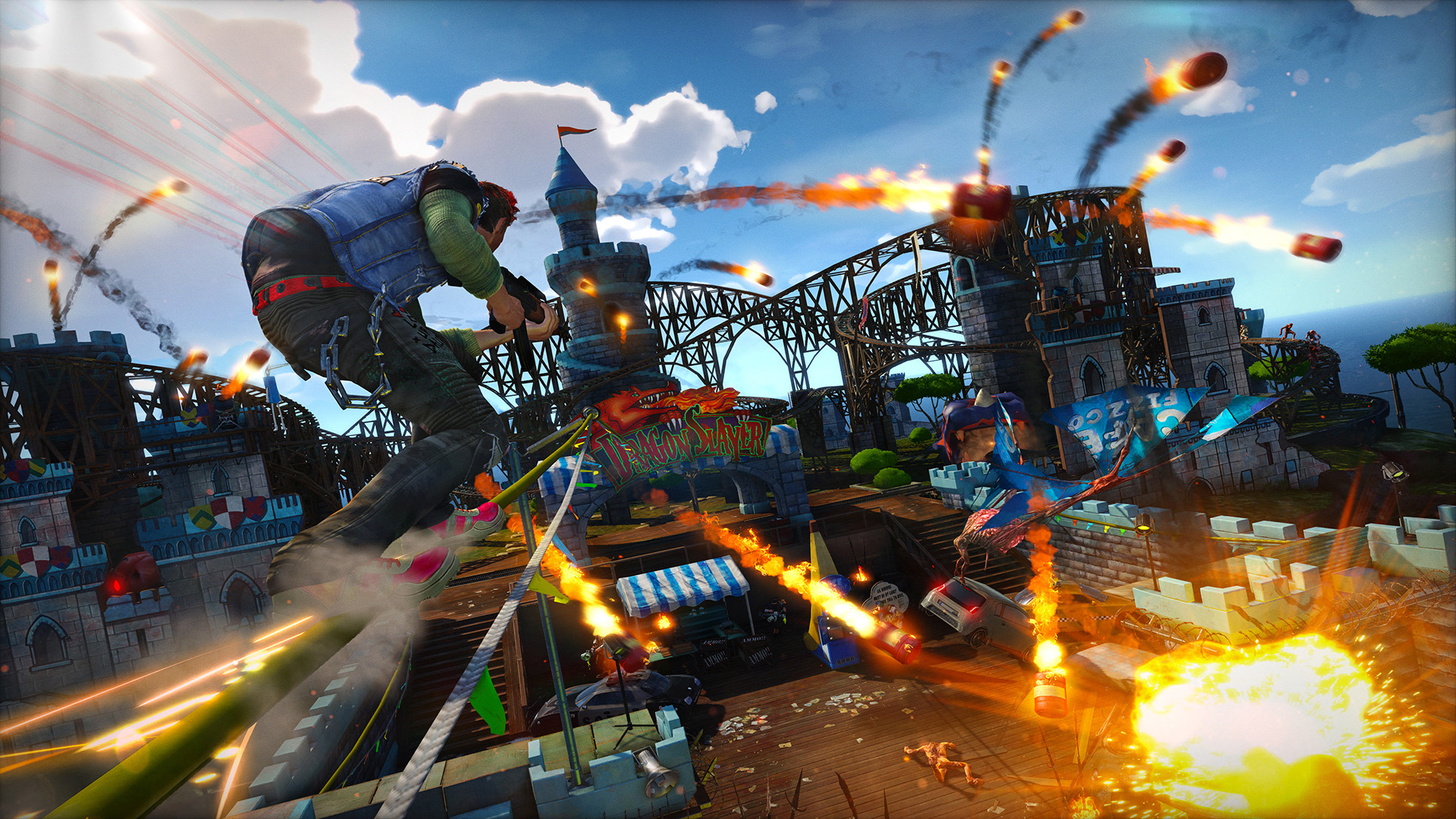
Insomniac Has Only Made $567 off Sunset Overdrive

When we think of Insomniac Games, our minds often jump to the spectacular success of the Marvel’s Spider-Man series, which catapulted the studio to new heights. However, not all of Insomniac’s titles have basked in the same limelight. One such example is “Sunset Overdrive,” a game that, despite its unique charm and gameplay, has seen rather modest financial success. In this article, we’ll delve into the financial details surrounding Sunset Overdrive, shedding light on its commercial performance and the intriguing story behind it. The Modest Beginnings of Sunset Overdrive Released for the Xbox One in 2014 and later for PC in 2018, Sunset Overdrive was a breath of fresh air in the gaming world. With its vibrant open world, acrobatic gameplay, and offbeat humor, it garnered attention for its uniqueness. However, it seems that its commercial success didn’t quite match its creative brilliance. The game had a substantial budget of $42.6 million, a significant investment by any measure. It managed to generate net sales of $49.7 million, but the devil is in the details. On average, each unit sold brought in a mere $26, leaving a narrow margin for profit. This already precarious financial situation takes a turn for the worse when we discover that Insomniac Games’ share of profits from Sunset Overdrive amounted to just $567. Yes, you read that correctly—$567, not $567,000. This stark figure reflects the game’s underwhelming financial performance. A Glimmer of Hope: Potential Revival Despite the financial setback, there is still a glimmer of hope for Sunset Overdrive fans. When Sony acquired Insomniac Games in 2019, it was announced that Sony owned the rights to all previous titles developed by the studio, including Sunset Overdrive. While there hasn’t been a concrete announcement about the game’s revival, both fans and Insomniac itself have expressed interest in revisiting this unique and underrated title. A Comparative Analysis To put Sunset Overdrive’s financial performance into perspective, it’s essential to consider the studio’s other recent releases. The recent leak of internal documents due to a ransomware attack on Insomniac Games shed light on the commercial performance of titles such as “Ratchet and Clank: Rift Apart” and “Marvel’s Spider-Man: Miles Morales.” Ratchet and Clank: Rift Apart, a much more recent release, sold 2.2 million units. While this may seem impressive, it still resulted in a substantial loss of $8 million. On the other hand, the Marvel’s Spider-Man series continued its astounding success, with “Marvel’s Spider-Man: Miles Morales” selling over 10.2 million units. These contrasting figures emphasize the challenges faced by game developers in an ever-evolving industry. Conclusion In the grand scheme of Insomniac Games’ portfolio, Sunset Overdrive might appear as a financial blip, but it holds a special place in the hearts of those who appreciated its unique style and gameplay. The modest $567 profit in no way diminishes the creativity and innovation that went into crafting this game. With the possibility of a revival under Sony’s ownership, fans of Sunset Overdrive can continue to hold onto hope for a brighter future. As the gaming industry continues to evolve, success and failure are often intertwined. It’s a reminder that even the most talented developers can face challenges in achieving commercial success. Sunset Overdrive’s journey serves as a testament to the unpredictability of the gaming world, where creativity and passion don’t always translate into financial triumph.

Sony Has Sold 50 Million PS5 Consoles

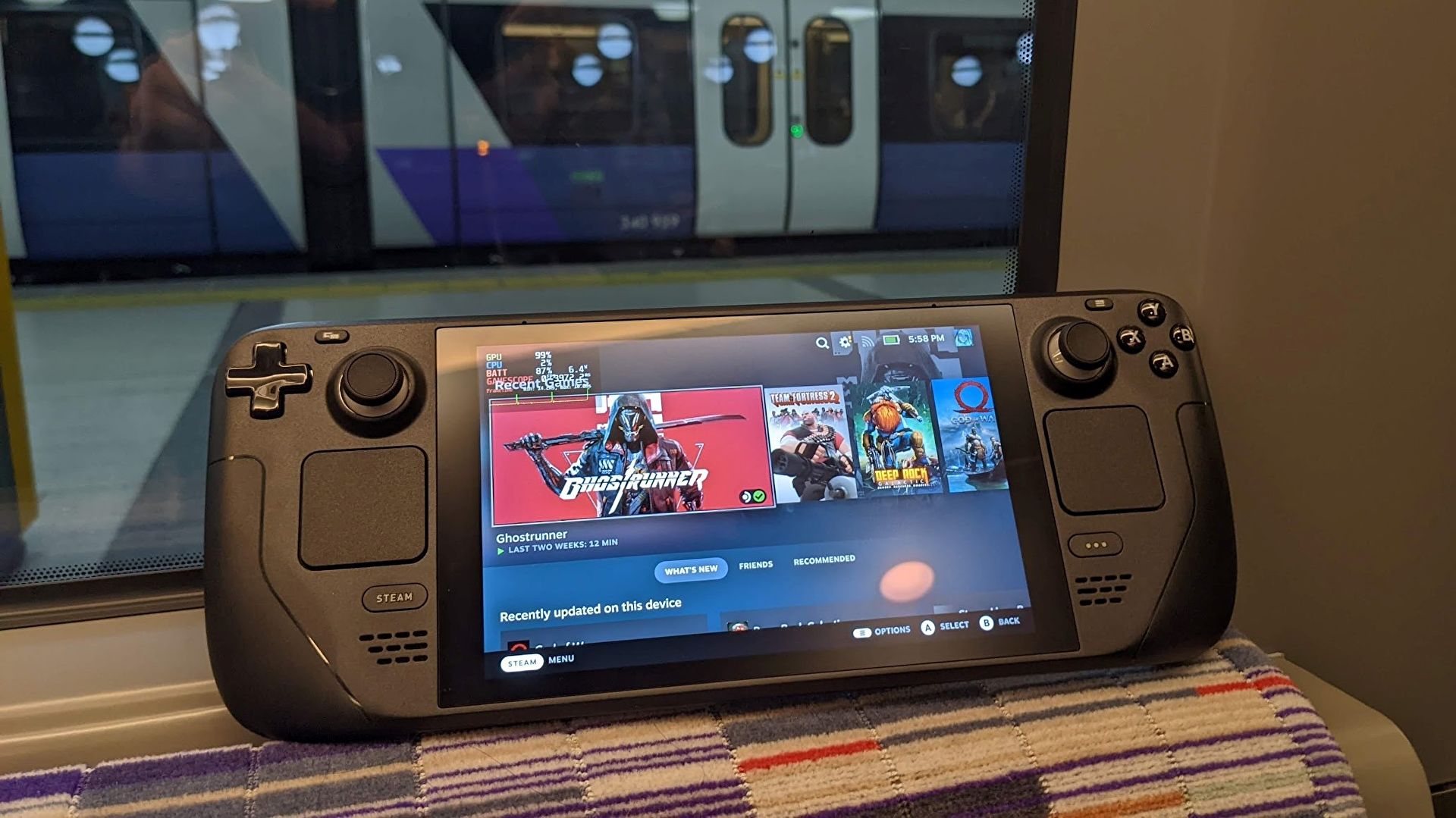
Sony Interactive Entertainment (SIE) has reached a significant milestone with the PlayStation 5 (PS5) console, achieving sales of over 50 million units worldwide since its launch in November 2020. This achievement comes just three years after the console’s release. The success of the PS5 can be attributed to the strong support from the global PlayStation community, bolstered by a range of popular games and SIE’s commitment to innovation in gaming, including the introduction of PS5 game streaming for PlayStation Plus Premium members. Jim Ryan, President and CEO of Sony Interactive Entertainment, remarked on the accomplishment: “This milestone in PS5 sales is a testament to the steadfast support of our global PlayStation community and their enthusiasm for the exceptional experiences crafted by PlayStation Studios and our partners. We are thankful to all our players who have embarked on the PS5 journey with us. This holiday season marks the first since the launch where we have an ample supply of PS5 consoles available, ensuring that anyone wishing to purchase one can do so.” Now in its third year, the PS5 is flourishing as developers fully utilize the console’s advanced capabilities. These include lightning-fast loading times, stunning visuals enhanced with ray tracing, and an immersive gaming experience through the innovative haptic feedback and adaptive triggers of the DualSense controller. The PS5’s game library boasts a selection of critically acclaimed titles and fan favorites that have come to define this generation of gaming. View site. The excitement among players for the PS5 has reached new heights, particularly noted in the record-breaking sales during November. This surge is driven by recent blockbuster releases, including the highly praised Marvel’s Spider-Man 2 from Insomniac Games, along with celebrated partner titles like Baldur’s Gate 3 from Larian Studios, and Alan Wake 2 from Remedy Entertainment and Epic Games. Additions such as EA SPORTS FC 24 and the PlayStation debut of Roblox, catering to a wide demographic of gamers, have also significantly contributed to the community’s enthusiasm. With a library exceeding 2,500 PS5 games and new accessories like the PlayStation Portal remote player and Pulse Explore wireless earbuds, there has never been a better time to join the PS5 family. Read more on MSN.

Should You Color Sports Netting?

When it comes to choosing sports netting, many customers are drawn to colorful options, hoping to match the vibrant hues of their school, little league baseball team, or park. However, this decision, while aesthetically pleasing, may not be the most practical in the long run. The Aesthetic Appeal of Color Netting It’s undeniable that colored netting, whether it be blue, green, red, or yellow, is visually striking and can significantly stand out, even from a distance. Consider the importance of color theory. The boldness and vibrancy of colored netting can enhance the overall look of a sports facility, making it more appealing and memorable. However, this aesthetic luxury comes at a cost. The Cost and Longevity of Colored Netting Colored sports netting is typically double the price of standard black or white netting. Despite its initial appeal, the longevity of colored netting is significantly less than that of black netting. The harsh rays of the sun can cause colored netting to fade, losing its shine and brilliance within a year, regardless of any protective treatments applied. On the other hand, black sports netting is more resilient against sun damage and the elements. The addition of UV protection, weather treatment, and an extra application of 3% tar on the netting finish allows it to endure and remain functional for many more years. Tar, a substance commonly used on roofs to protect against weather damage, has proven its effectiveness over time. Unfortunately, this tar finishing, traditionally black, cannot be applied to colored sports netting. The Practicality of Black Netting While black netting may not be as visually striking as colored options, it tends to blend seamlessly into the background, allowing the focus to remain on the game. This practicality is evident in professional settings; for instance, take note of the netting used in football or hockey games. Conclusion: Making an Informed Decision In conclusion, while the allure of matching a facility’s colors with vibrant netting is tempting, it is crucial to consider the long-term implications of such a decision. Colored netting, though visually appealing, may only last a few years due to sun exposure and requires a higher initial investment. On the other hand, black netting provides a more economical and durable option, even if it means sacrificing visual appeal. Ultimately, the decision lies in the hands of the customer, who must weigh the pros and cons to determine what is truly best for their specific needs and context.

Diablo 4 Review: Unleashing Hell

Blizzard Entertainment has delivered a Diablo that’s good but not great. After years of development troubles, sexual harassment allegations against Activision Blizzard (which resulted in the firing of its game director and lead designer), and reports of crunch just to hit the Summer release, Diablo 4 is finally here. It’s edgy and macabre, but through a live-service filter, with a push towards socializing and monetizing the time many will no doubt sink into the game, chasing the dopamine rush of better loot. A Mixed Bag And, it’s fine. It’s Diablo, for both old gamers and new, and it’s fine. That’s not to say that Diablo 4 is a bad game or not a good game. It’s enjoyable in places, and uneven in others; clear with its artistic vision of humanity struggling to survive amid ruin and forces beyond their control while the plot is already busy setting up the next paid expansion or two (which have been confirmed). The aesthetic will overpower you with its emphasis on blood, gore, corpses and the world’s detritus, looking crisp and organic, and then deliver some low-res textures in cutscenes. Open World Exploration The world is open and vast, with plenty of freedom, with just enough guidance to keep you on track. However, its various elevations are little more than button presses to go up or down automatically while the environments blend together during exploration despite their differing climates and cultures. Detailed Monsters and Memorable Bosses The monsters are incredibly detailed and provide great fodder for your frantic clicking (or button mashing, with controller support feeling quite good), while several bosses offer memorable mechanics and patterns. Meanwhile, you’re doing the same actions at level 50 that you were doing at level 30, with the loot moderately altering your gameplay in some ways and feeling incredibly mid in others. The Storyline Let’s start at the beginning. Several years after the fallout of Reaper of Souls, the world is in bad shape. You’re the Wanderer, simply making their way downtown, moving fast, trying not to freeze to death in the Fractured Peaks of Estuar, the Eastern continent, and encounter Horadrim member Lorath Nair. However, some parts are just weird. Taissa, a central character in Acts 3 and 4, who thanks the Wanderer for saving her, is suddenly in a completely different role in Act 5 and acts aloof for no reason. She does this by unleashing and invoking all kinds of monsters, leaving behind Blood Petals to inspire flashbacks or flash-forwards, depending on the plot’s demands. However, before you can even get close to discerning her true motives, you’ll be running around the world a lot. Lorath leaves for an extended period and isn’t seen again until Act 3. It’s fine since other intriguing characters like Neyrelle and Donan are introduced. The latter is also a member of the Horadrim, and we get a series of “and then,” “therefore,” “but suddenly,” and whatnot to advance the overarching plot. I want to avoid spoilers since there are some decent interactions and character moments, with the voice actors carrying the narrative from moment to moment. Donan’s arc is particularly well done, showcasing his turmoil and conflicts between duty and family, while Neyrelle manages to be fairly sympathetic by the end. I even hoped that gruff ol’ Lorath would have a happy ending someday (having a happy death is an entirely different story, though). However, some parts are just weird. Taissa, a central character in Acts 3 and 4, who thanks the Wanderer for saving her, is suddenly in a completely different role in Act 5 and acts aloof for no reason. The pacing is also very slipshod – Acts 1 and 2 start out promising, while Act 3 is just one long goose chase, and Act 4 culminates almost as quickly as it began. You get a horse before Act 5 begins, which is good. You then get multiple tasks that involve exploring massive areas to find specific objectives, running around aimlessly each time. Combat and Gameplay A note on the horse, which I called Lisa (in my heart, not in-game, but wouldn’t that be cool?): It arrives way too late in the story and feels like it should have more boost charges and higher base movement speed. It also gets stuck on objects too easily with no way to leap over obstacles, and the cooldown is annoying, especially when you sometimes have to get off to kill a crowd of enemies blocking your path. The horse is a good idea, but you’re tearing me apart, Lisa. Of course, the story has always been the entree for an action RPG looter, which you’ll begrudgingly go through each new season. What about combat? I’m happy to report that Diablo 4’s combat feels good. Anyway, back to Act 6, aka Plain Plodding: The Game. Several objectives require you to stick close to your allies. Try to move on ahead, and they’ll stop moving, but go on your own to assail some other objective, and they’ll get by just fine. In one part, I had to go back to town to upgrade and change some gear. When I came back, my allies were frozen. I didn’t stick around long enough to trigger a scene where they activated a bulwark and thus had to reload the segment. Again, there are some genuinely good moments during the campaign, particularly in the conversations between Lorath, Neyrelle and Donan. Some CG cutscenes are stunning, particularly in Act 6 when the climactic battle unfolds. The final boss is probably the best in the game, even if its aftermath renders almost everything moot by focusing on future threats. Otherwise, the same problem that plagues many live-service games occurs here. That you’re not really influencing or driving events but simply a witness to them. The side cast is the main character, and you’re along for the ride. It’s affected many such games through the years but feels pretty jarring, still. Engaging Combat Of course, the story has

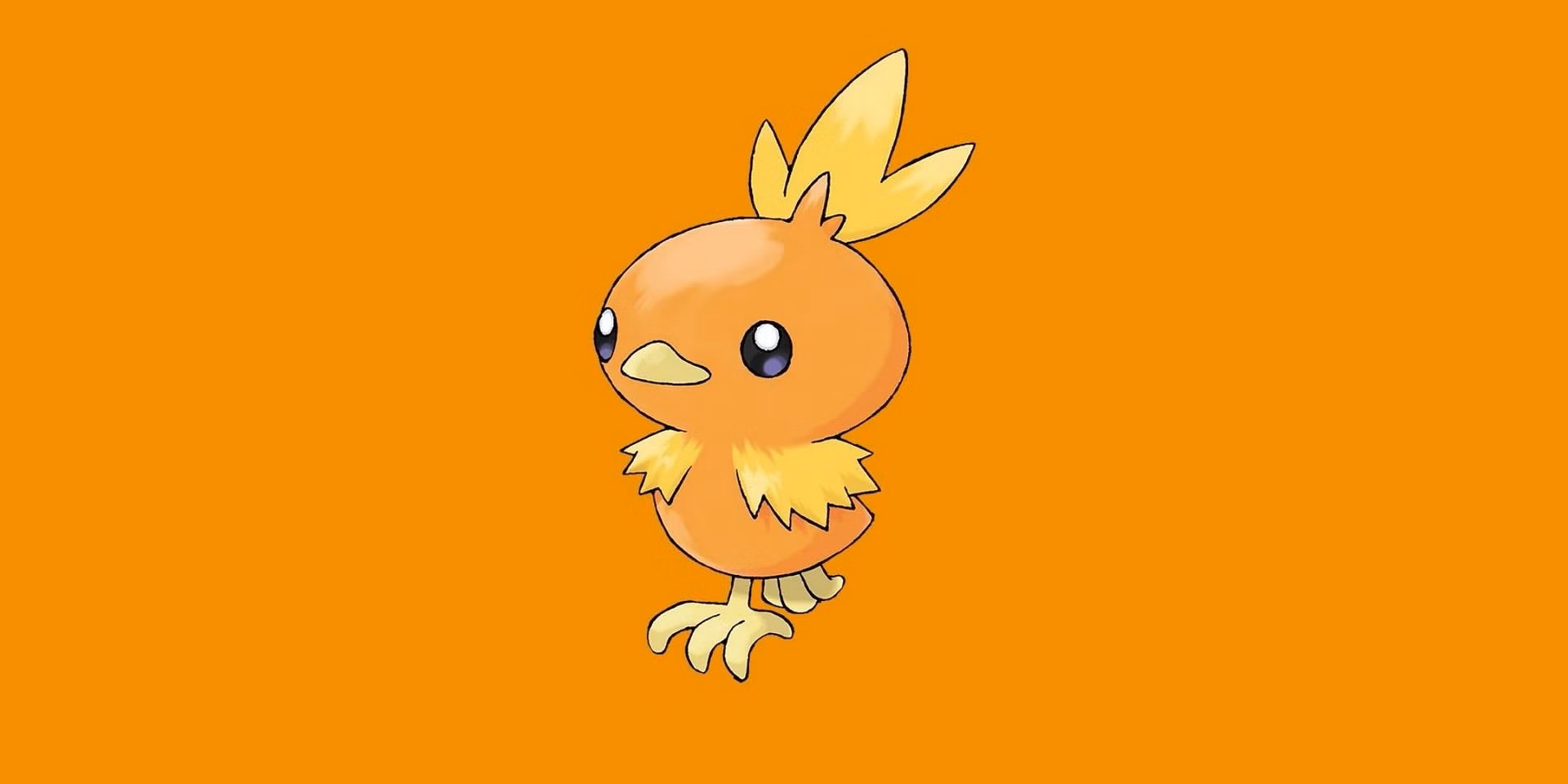
Torchic Is the Best Starter in Pokemon Emerald, Here’s Why

Pokemon Emerald, a beloved game in the Pokemon series, presents players with the difficult decision of choosing their starter Pokemon. The three options available are Treecko, Mudkip, and Torchic. While opinions may vary on which starter is the best, we aim to settle the debate by evaluating the starters based on their performance against the gym leaders and the Elite Four. In this article, we will explore the strengths and weaknesses of each starter and analyze their performance in various battles. So, let’s explore why Torchic emerges as the top choice for aspiring trainers in Pokemon Emerald. Starters vs Gym Leaders Gym Leader 1: Roxanne – Rock-type The first gym battle in Pokemon Emerald is against Roxanne, the Rock-type leader. This battle sets the stage for the starter Pokemon’s performance throughout the game. Treecko and Mudkip have a clear advantage in this battle due to their Grass and Water typings, respectively. Rock-type Pokemon are weak against Water and Grass moves, making them easy targets for Treecko and Mudkip. However, Torchic, being a Fire-type, struggles in this battle. Its Fire moves are not very effective against Rock types, putting it at a disadvantage. But there’s a twist—if Torchic evolves into Combusken before this battle, it learns Double Kick, a Fighting move that deals significant damage to Roxanne’s Rock-type Pokemon. This evolution transforms Torchic’s chances and makes it a formidable opponent in this gym battle. Gym Leader 2: Brawly – Fighting-type The second gym battle takes place in Dewford town against Brawly, the Fighting-type gym leader. This battle poses a challenge for all three starters. Neither Treecko, Mudkip, nor Torchic has a type advantage against Fighting types. However, if Torchic has evolved into Combusken, it gains a slight defensive advantage due to its dual typing of Fire and Fighting. Combusken can resist some of Brawly’s Fighting moves, giving it a fighting chance in this battle. Nonetheless, all three starters will need support from other Pokemon in their teams to overcome the type differences and emerge victorious. Gym Leader 3: Wattson – Electric-type The third gym battle awaits trainers in Mauville City, where they face Wattson, the Electric-type gym leader. By this point in the game, the starters should have evolved into their second forms. Wattson’s Electric-type Pokemon pose a challenge for Marshtomp, which is part Ground type and therefore vulnerable to Electric moves. On the other hand, Grovyle, the evolved form of Treecko, thrives in this battle. Grass types are resistant to Electric moves, giving Grovyle an advantage. Torchic, now Combusken, also holds its own due to Electric types’ neutrality to Fire moves. This gym battle highlights the different strengths and weaknesses of the starters and the importance of team composition. Gym Leader 4: Flannery – Fire-type Flannery, the Fire-type gym leader, awaits trainers in Lavaridge Town for the fourth gym battle. This battle presents a unique challenge as it pits Fire types against each other. Combusken, with its dual typing of Fire and Fighting, struggles against Fire types due to their resistance to Fire moves. Grovyle, on the other hand, is at a disadvantage because Grass types are weak against Fire moves. In this battle, Marshtomp, the evolved form of Mudkip, shines brightly. Its Water typing gives it a clear advantage against Fire types, making it the best choice for this gym battle. Trainers must be mindful of the type matchups and choose their starter accordingly to ensure success. Gym Leader 5: Norman – Normal-type Norman, the Normal-type gym leader and the father of the player character in the game, presents an interesting battle. Normal types do not have many inherent advantages or disadvantages, making this battle a test of strategy and team composition. Combusken, with its Fire and Fighting typing, stands out in this battle. Its Fighting moves deal double damage to Normal types, giving it a significant advantage. While Treecko and Mudkip do not have a type advantage, they can still hold their own with their respective movesets and strategies. This gym battle emphasizes the importance of move selection and understanding the strengths of each starter. Gym Leader 6: Winona – Flying-type In Fortree City, trainers face the Flying-type gym leader, Winona, in the sixth gym battle. This battle proves to be a real test, as Flying types can be formidable opponents. Combusken, with its Fire and Fighting typing, emerges as the clear winner in this battle. It has the ability to defeat two of Winona’s Flying-type Pokemon, thanks to its diverse moveset and type advantage. Grovyle, with its Grass typing, can take down Winona’s Grass/Flying type Pokemon, while Marshtomp struggles to find usefulness in this particular fight. The diverse challenges presented by Winona’s team highlight the different strengths and weaknesses of the starters. Gym Leader 7: Tate and Liza – Psychic-type Tate and Liza, the twin gym leaders, specialize in Psychic-type Pokemon and provide a unique challenge for trainers. This battle introduces a mix of types, making it more complicated to determine the best choice. Claydol, the first Pokemon faced in this battle, is weak to Grass and Water moves, making Grovyle and Marshtomp viable options. However, Grovyle’s weakness to Flying moves can be problematic if it goes up against Xatu. Marshtomp, being a Water/Ground type, remains a safe bet in this battle. Combusken can also perform well, especially if it has learned Fighting-type moves that receive same type attack bonuses (STAB). This gym battle requires strategic thinking and understanding of type advantages to emerge victorious. Gym Leader 8: Juan – Water-type The final gym battle is against Juan, the Water-type gym leader. At this point in the game, all three starters should be fully evolved and at their most powerful. However, if Mudkip was chosen as the starter, it faces a disadvantage in this battle due to the Water typing of Juan’s team. On the other hand, Blaziken, the evolved form of Torchic, struggles against Water types due to their resistance to Fire moves. This leaves Sceptile, the evolved form of Treecko, as the optimal choice

Reliving the Classic: A Review of Snake Rattle ‘n’ Roll for NES

Snake Rattle ‘n’ Roll is perhaps one of the most memorable classic games available on NES. It was originally released in 1990 and has since become a classic in the gaming world, loved by gamers everywhere for its quirky charm and exciting gameplay. This game follows the adventures of two snakes, Rattle and Roll, through a series of increasingly difficult levels in a quest to reach the moon. Snake Rattle ‘n’ Roll is considered a classic due to its timeless gameplay, excellent graphics, and sound design. This game stands out for its unique mechanics and quirky sense of humor, making it a unique entry into the world of NES gaming. The legacy of Snake Rattle ‘n’ Roll is significant, and to examine its inception and impact on the NES gaming world is what makes this classic game worth revisiting. The Storyline of Snake Rattle ‘n’ Roll Snake Rattle ‘n’ Roll is renowned for its unique concept and light-hearted approach to gaming. The game starts with two snakes, Rattle and Roll, working together to collect “Nibbley Pibbleys” and “Rattle-Tiles” to unlock doors and advance through the levels. The ultimate goal is to reach the home of the ‘Great Turmaculus,’ where the winners will be transformed into snakes and granted eternal life. The in-game plot is simple but engaging. The two snakes, Rattle and Roll, have to navigate various threats and obstacles to become bigger, stronger and eventually reach their goal. Despite the simple plot, the game keeps players intrigued with stunning graphics and engaging dialogue. The humorous storyline also injects light-hearted fun into what is otherwise a challenging game. Furthermore, Snake Rattle ‘n’ Roll manages to incorporate humor and whimsy into its gameplay. The game is playful, with new enemies and obstacles popping up regularly, giving the game an exciting dimension. For example, players could encounter a giant foot that squishes the snakes, or a weight that falls from the sky and squashes them if they are too slow to move. These elements add to the charm that Snake Rattle ‘n’ Roll is known for and it’s why the game is still regarded as a classic example of NES gaming. Gameplay Mechanics Snake Rattle ‘n’ Roll has a unique gameplay mechanic that sets it apart from other NES titles. The game features two snakes that players control as they navigate levels, fight enemies, and collect items. The gameplay mechanics of the game are simple to understand but challenging to master. The snakes are controlled by the D-pad and can jump and attack enemies. Players must eat pellets to increase the length of their snakes to reach certain areas or defeat bosses. One of the defining aspects of Snake Rattle ‘n’ Roll is the variety of levels and challenges that players encounter. From simple terrain in the initial levels, the game gradually becomes more difficult, featuring challenges such as slippery ice or even an entire level set inside a pinball machine. As the players progress, the game adapts and changes to challenge them. The game’s difficulty is not based merely on increasing the number of enemies but by introducing new game mechanics and level designs. This keeps the game fresh and exciting for players who progress through the different levels. Overall, Snake Rattle ‘n’ Roll is a game that delivers both challenging and fun gameplay with a good mix of variety and strategy. The gameplay mechanics and level design remain enjoyable and fresh even to modern audiences, making this game a true classic of the NES era. Graphics and Sound The graphics of Snake Rattle ‘n’ Roll for NES have a unique charm that has stood the test of time. The game features colorful environments and characters that are reminiscent of the vibrant cartoon world of the 1990s. The game’s graphics add to its playful, lighthearted tone and help differentiate it from other NES games of the era. The animation for the snakes’ movements is smooth and fluid, contributing to the game’s engaging gameplay. The sound effects and soundtrack in Snake Rattle ‘n’ Roll are also noteworthy. The sound effects are well-designed and reactive, with different noises indicating different gameplay elements, such as collecting pellets or falling into the water. The game’s soundtrack is composed of catchy, upbeat tunes that match the game’s whimsical atmosphere. The contribution of sound effects and soundtrack to the game’s overall experience cannot be overstated. The sound design keeps the player engaged and adds to the game’s overall immersion in the colorful world of the game. The tunes are memorable, and players will often remember the game soundtrack, contributing to Snake Rattle ‘n’ Roll’s enduring legacy. The Legacy and Impact of Snake Rattle ‘n’ Roll Snake Rattle ‘n’ Roll has undoubtedly left its mark on the gaming community and has had a profound impact on future gaming. Despite being released over three decades ago, the game remains a classic and is remembered fondly by many gamers today. One of the most notable legacies of Snake Rattle ‘n’ Roll is its unique gameplay mechanics. The game involved controlling cute snakes, collecting body parts, and gaining strength to fight big enemies. The successful implementation of these mechanics in Snake Rattle ‘n’ Roll helped set a new standard for platformer games. The game introduced new ideas to the gaming community and was a forerunner in introducing new mechanics in the platformer genre. Additionally, it pioneered the use of isometric camera angles, which gave gamers a fresh perspective on the gaming world. The innovation led to future games adopting the technique and ultimately popularizing the limited perspective in gaming, which later became a standard feature in many games. Finally, the game helped create a sense of community around the gaming industry. The fact that gamers continue to discuss Snake Rattle ‘n’ Roll decades after its release is a testament to the impact it had on the community. It helped bring like-minded people together, creating long-lasting friendships and gaming relationships, an achievement that can never be measured and will always be

Vintage Vigilante: Batman Returns Sega Game Gear Review

Batman has long been one of the most popular comic book characters of all time, having been a staple of pop culture for decades. From his beginnings in comic books to TV shows, movies, and video games, Batman has continually captivated audiences with his dark and brooding persona. One of the games in which Batman makes an appearance is Batman Returns for the Sega Game Gear. This particular game was released in 1993, around the same time as the movie of the same name featuring Michael Keaton as Batman. In this review, we will be examining the gameplay, graphics, sound design, and legacy of Batman Returns for the Sega Game Gear to determine whether it still holds up over twenty years after its initial release. Gameplay and Storyline Batman Returns for Sega Game Gear is an action-packed game that offers a thrilling gaming experience. The game features a side-scrolling gameplay style that carries the player through various levels filled with intense combat sequences. The gameplay mechanics in Batman Returns are relatively easy to pick up, with the primary objective being to defeat enemies and bosses in each level. As far as controls go, the game is quite responsive. Players can move Batman freely in any direction, jump, crouch, and attack with their batarang. The game also features power-ups that enhance Batman’s abilities, making him a more formidable opponent. The narrative of the game is a loose adaptation of the 1992 movie of the same name. The game takes players on a dangerous journey through the dark streets of Gotham City, as Batman attempts to thwart the evil plans of the notorious villain, the Penguin. Along the way, players encounter various other supervillains, including the Joker, who will stop at nothing to prevent Batman from completing his mission. There are also allies that players can encounter, such as Catwoman, who can offer assistance in their quest to save the city. The game also features some of the most iconic Batman gadgets, including the grappling hook and the batarang, which players can use to traverse the city or take down enemies. The gameplay and storyline of Batman Returns for Sega Game Gear combine to create an immersive gaming experience that should not be missed. Graphics and Sound Design The graphics and sound design in Batman Returns for Sega Game Gear helped create an immersive and engaging gaming experience for players. Despite featuring monochrome visuals due to the hardware limitations of the console, the game utilized them effectively to convey the darker tones of the Batman universe. The character sprites were well-designed, with fluid animations that contributed to the game’s smooth gameplay. Likewise, the backgrounds and set pieces were intricately detailed, providing players with a visually appealing world that felt like it was taken from the comic book pages. Additionally, the sound design in Batman Returns stood out among other games of the era. The game’s music was well-composed, lending itself well to the game’s darker tones. The sound effects were also suitably impactful, with each punch and attack having a satisfying thud to it. When compared to other games of the time, such as the Game Boy’s Batman: The Animated Series, Batman Returns for Sega Game Gear displays a level of detail and care that was not always present in other handheld games of the era. Overall, the combination of the stylish graphics and exciting sound design in Batman Returns for Sega Game Gear helped elevate it from other licensed games and stands as one of the handheld console’s hidden gems. Reception and Legacy Batman Returns for Sega Game Gear was met with mixed critical reception upon its release in 1993. Critics praised the game’s graphics and sound design, which were regarded as top-notch for a portable system at the time. However, the gameplay was criticized for being too difficult and repetitive, with some feeling that it lacked the depth and complexity of other Batman games. Despite the mixed critical reception, Batman Returns for Sega Game Gear has been noted for its influence on the Batman franchise. It was one of the first portable games to feature the iconic character, helping to popularize him with younger generations. The game also helped establish the “beat-em-up” genre, which would go on to become popular in other superhero games. Additionally, Batman Returns for Sega Game Gear has had a lasting impact on later Batman games. Elements such as the use of Penguin and Catwoman as villains continue to be used in modern adaptations, and the “beat-em-up” mechanics can be seen in other Batman games on various platforms. Personal Reflection and Recommendation Looking back on my experience with Batman Returns for Sega Game Gear, I can’t help but feel a sense of nostalgia. As a young gamer, I was obsessed with playing this game over and over again. The tight gameplay mechanics, the engaging storyline, and the beautiful graphics and sound design all contributed to an unforgettable experience. For gamers who are interested in playing Batman Returns for Sega Game Gear, I highly recommend giving it a try. Although the game is over 25 years old, it still holds up as a classic example of what made Sega Game Gear such a beloved console. The game is still accessible and runnable today through emulation or hardware mods. In conclusion, Batman Returns for Sega Game Gear is a timeless classic that has held up well over the years. If you’re willing to look past the limitations of the platform, you’ll find a deeply engaging and immersive experience that you won’t soon forget. FAQs: 1. Is Batman Returns for Sega Game Gear a side-scrolling game? Yes, it is a side-scrolling action game with beat ’em up elements. 2. Can you play as other characters besides Batman? No, you can only play as Batman in this game. 3. How does the game’s story relate to the movie with the same name? The game’s story is loosely based on the events of the movie, but with some differences and

Jack Bros. Virtual Boy Review: Spectral Stroll Down Memory Lane

Jack Bros. is a unique Virtual Boy game that has garnered immeasurable attention through the ages. Developed by Atlus, published by Nintendo, Jack Bros. is an action-packed 2D platformer that falls under the category of top-down dungeon crawlers. The game was released in 1995 exclusively for Virtual Boy, the ill-fated console produced by Nintendo. Despite its unimpressive sales and the Virtual Boy’s lack of commercial success, Jack Bros. was critically acclaimed for its unique gameplay mechanics and extensive lore. It also served as a precursor for role-playing games of the future. The game’s conception and development, as well as its influence in the gaming industry will be discussed further in this article. Let’s take a trip down memory lane to understand why Jack Bros. was and still is worth discussing. Spectral Stroll Down Memory Lane: Jack Bros. Virtual Boy Review Released in 1995 for the Virtual Boy console, Jack Bros. was one of the few games produced by Atlus that featured its popular mascot, Jack Frost. Jack Bros. featured a simple but interesting story, familiar mechanics, and a charming design that is sure to appeal to retro gamers. The game starts with Jack Frost receiving a letter from another dimension, inviting him and his friends, Jack Lantern and Jack Skellington, to participate in a trial. Upon arrival, they’re told about a magical item in the middle of the maze that they must retrieve and obtain the most treasure in the shortest amount of time. Players take control of their preferred Jack as they traverse through seven levels of increasingly difficult mazes, fighting off hordes of enemies along the way. Each playable character in Jack Bros. has its strengths and weaknesses. Jack Frost has balanced stats, Jack Lantern has increased speed and agility, and Jack Skellington has higher HP and defense power. Players must decide which character suits their play style and adjust strategies accordingly. The mazes come with different floor traps and enemies, including ghosts, goblins, and various monsters. Throughout the levels, players can collect treasures, health packs and power-ups that enhance the Jack’s capabilities, like faster running speed, rapid-fire, and higher jumping. Once the players reach the final room and retrieve the item, they must fight the boss to exit the maze. The end goal is to complete the game with the most treasures and in the shortest time possible. Overall, Jack Bros. has a unique story that may be short, yet profound, while its gameplay feels familiar to other dungeon crawlers of its generation. Most notable is its colorful 3D graphics, memorable characters, and fun gameplay. Jack Bros. for Virtual Boy – A Gameplay Review Jack Bros. is a quirky, fast-paced game that takes place in a magical world filled with demons, mazes, and other obstacles. The controls are simple and intuitive, which lets you jump right into the game without any obstacles. You can play as Jack Frost, Frost Ace, or Jack Lantern, each with its own unique sets of skills. The gameplay mechanics are relatively smooth, and the game moves along at a good pace. The gameplay revolves around navigating maze-like stages. The objective is to reach the portal at the end of each level while avoiding or defeating the different enemy types lurking within it. A timer ticks down as you navigate each stage, adding a sense of urgency and tension to the game, which increases as it progresses. The game includes several enhancement items scattered through levels, such as clocks and power-ups such as speed boosts and weapons upgrades that make your characters more efficient and stronger. Players will come across different enemies such as bats and zombies in higher levels, which generally require more strategic planning. The game offers a good balance, letting you proceed to the next stage smoothly without being too easy or too difficult. Overall, the gameplay mechanics and controls are simple and intuitive. Jack Bros. is enjoyable to play and a great time-killer. It can be played in short bursts or for longer periods, and the fast pace keeps the game engaging and fresh. In the next part of this article, we’ll move on to an analysis of the game’s graphics and sound design. Graphics and Sound Design Despite its limitations, Jack Bros. offers a visually impressive experience on the Virtual Boy. Its art style and level designs offer a unique and memorable experience. The game utilizes a top-down perspective with a variety of vivid colors that stand out on the Virtual Boy’s red and black palette. The game’s graphics are smooth and polished, with no issues with a choppy framerate. The designs of each stage are distinct, with detailed textures and imaginative enemy types. Players will find themselves navigating through environments that range from mystical castles and dangerous dungeons to science fiction space stations. Sound design is a standout feature of the game, with memorable music, voice acting, and sound effects. The music, composed by Go Ichinose, is an electronic soundtrack that provides a unique soundscape that blends perfectly with the art style. The game’s sound effects match the theme of each level and produce an immersive experience for players. Additionally, the voice acting adds a layer of personality to each character, which is rare in a game of its age and console platform. The graphics and sound design elements in Jack Bros. are one of the game’s brightest spots. Despite the console limitations, developers managed to produce a high-quality audiovisual experience that has stood the test of time. The game’s graphics and sound design epitomized the core elements of the game, as they are engaging, immersive, and memorable. Legacy and Reception Jack Bros. was one of the few games available for Virtual Boy, and given the limited game library, it holds a unique place in console history. Despite its novelty, it received mixed reviews from critics and gamers alike. While some players praised the game’s approachable gameplay and charming design, it was far from a critical darling. Many critics criticized its lack of depth and frustrating

High Kick to the Past: The Karate Kid NES Review

Welcome to our review of The Karate Kid NES game. The Karate Kid is a side-scrolling action game that was released for the Nintendo Entertainment System in 1987. Designed by LJN Toys, the game is based on the popular 1984 movie The Karate Kid. The game is set in the world of the movie and allows players to control the protagonist, Daniel, as he fights his way through various levels, including the Cobra Kai dojo. In this review, we will explore the game’s gameplay mechanics, graphics, sound, story, characters, difficulty, and replay value. Our goal is to provide you with an in-depth understanding of The Karate Kid NES game, covering everything you need to know before playing it. We will also provide a rating and recommendation for the game at the end. Before we delve into the game itself, let’s take a brief look at the Nintendo Entertainment System (NES), as it plays a significant role in the history of gaming. The NES was released in 1985 and is widely considered the most successful video game console of the 1980s. It revolutionized the video game industry and introduced many classic games, including The Karate Kid. So, let’s kick off and see what this game has to offer! The Karate Kid NES Review: Gameplay Mechanics and Controls The Karate Kid NES game provides an immersive experience that requires precise and timely inputs from its players. The controls are comfortable and easy to understand. The characters’ movements are smooth and responsive, and collision detection is spot-on. The game’s difficulty level is gradually increased as you progress through the levels, providing a challenging yet rewarding experience. Combat mechanics and moves in The Karate Kid NES game simulate realistic fighting moves and stances. Players can execute moves like punch, kick, jump-kick, and block, which can vary depending on the character’s position and direction. Each move can be used to perform devastating combinations and finishers that increase the player’s score. The game has different levels and objectives that provide variety in the experience. The player’s objective is to guide Daniel-San through different levels and face different opponents, mostly members of the Cobra Kai dojo. The game’s excellent level design is varied, and each level presents a unique objective to move forward. The game will require players to sweep the leg of opponents or catch flies with chopsticks and fight against the enemy sensei in the end. All in all, The Karate Kid NES game delivers a fantastic and engaging gameplay experience. The controls are intuitive, the moves are diverse, and the combat mechanics are solid. The game’s different levels and objectives provide a variety of challenges that will keep the players motivated to progress. In the next section, we will examine the game’s graphics and sound. Graphics and Sound The Karate Kid for the NES boasts beautiful visuals and animations that perfectly capture iconic moments from the movie. The different levels are beautifully designed and do a great job of immersing players in the world of The Karate Kid. The different moves and attack animations are particularly impressive, and the attention to detail is remarkable. The sound effects in the game are an integral part of the gameplay experience, adding a sense of realism to each punch, kick, and block. The music and voice overs are also noteworthy, perfectly encapsulating the feel and tone of the movie. It’s impressive how the developers managed to recreate such a well-known score that gets the player in the right mood for the game. In comparison to similar NES games, The Karate Kid stands out with its high-quality graphics, animations, and sound. In other games from this era, the graphics are often pixelated or choppy, and the music is repetitive and forgettable. However, The Karate Kid manages to avoid these pitfalls by delivering a visually stunning game with a fantastic soundtrack. The cohesive design and attention to detail make this a game worthy of any NES collection. Story and Characters The Karate Kid NES game is a classic side-scrolling action game that revolves around the events of The Karate Kid movie. The player gets to control Daniel LaRusso as he takes on bullies and wins the All-Valley Karate Tournament, ultimately defeating his nemesis, Johnny Lawrence. The game follows the same storyline as the movie and allows players to relive the iconic moments that made The Karate Kid a fan favorite. One of the most impressive aspects of The Karate Kid NES game is the way it has translated the characters of the movie into the game. Daniel and Johnny are both accurately depicted, with each character having their unique moves and abilities. Players will be able to experience the characters’ motivations and personalities through their actions in the game. When it comes to the game’s antagonist and protagonist dynamics, the game does an excellent job of portraying Johnny and Daniel’s rivalry. Johnny is the stereotypical 80s bully, cocky and ruthless, while Daniel is the underdog determined to overcome the odds. The game encapsulates their unique development throughout their confrontations and accurately presents their contrasting personalities, which makes the game even more enjoyable for fans of the movie. Comparing the game’s storyline to other Karate Kid media, it remains faithful to the original plot, with slight tweaks to fit the platform. The Karate Kid NES game proves to be a genuinely immersive experience for those interested in the movie. It is a great way of reliving movie moments, which is magnificent considering its level of detail in storyline and character development. Difficulty and Replay Value Karate Kid was definitely not an easy game. It was known for its difficulty level, and players had to have patience and dedication to beat it. The game was designed to be challenging, and it required both strategy and skill to progress in the game. In this game, players are tasked with mastering different combat moves and advancing through multiple levels filled with obstacles and enemies. The game’s difficulty increases as the player advances,

Nostalgia Trip: Smash TV NES Game Review

Welcome fellow gamers! Today, we take a trip down memory lane with one of the most iconic NES games of all time – Smash TV. As we all know, video games have the ability to transcend time and create memorable experiences. The nostalgia factor is a big enticement for gamers, pulling us back in time to relive the joys of our childhood. Smash TV is a game that holds a special place in the hearts of many gamers and we’re excited to give our take on this classic game. So, what makes this game special? For starters, it is one of the pioneers of the top-down shooter genre. Developed by the gaming titans Williams Entertainment and Eugene Jarvis, it was released in 1990 which was a relatively early era in gaming. In this article, we will delve deeper into all aspects of this fantastic game. From its development to its gameplay mechanics, we will explore it all! History of Smash TV Smash TV is an arcade-style video game developed and published by Williams Electronics in 1990. The game features a dystopian theme and a gameplay style that is reminiscent of old-school arcade games. It became an instant hit, popular for its frenetic gameplay, high-tech weaponry, and unique game mechanics. The game is a spiritual successor to another popular arcade game, Robotron: 2084, which was also developed by Williams Electronics. Despite being released over 30 years ago, the game’s core gameplay mechanics are still well-received among the gaming community. Smash TV’s impact on the gaming industry is undeniable. Its success led to the development of other arcade-style games like Total Carnage and Super Smash TV. The game’s popularity inspired other developers to create similar games that feature themes of violence and dystopia. When Smash TV was first released, it received heavy criticism due to the nature of its violent content. Some gamers found it a little too intense and gory. However, the game quickly became a cult classic due to its unique gameplay mechanics and frenetic style. It was a commercial success and was ported to several gaming platforms, including the NES, Game Boy, and Sega Genesis. Smash TV’s legacy continues even to this day, with several modern games adopting similar gameplay mechanics and themes. The game’s success helped pave the way for other wildly successful arcade-style games like Mortal Kombat and Street Fighter II. In conclusion, Smash TV has an impressive history in gaming. Its development and release marked a shift in the industry, and its success paved the way for other popular arcade-style games that followed. Its impact continues to be felt even today, with the legacy of arcade-style gaming still seeing an influence from the withstood popularity of pre-boom games like Smash TV. Gameplay Mechanics When discussing the gameplay mechanics of Smash TV for NES, we must first talk about the controls and interface. This game utilizes a simple controls system that is easy to master and allows the player to focus on the action. The directional pad is used to move, and only two buttons are utilized: one for firing and one for special weapons. This straightforward control scheme simplifies the experience and makes it accessible for players of all skill levels. The play style of Smash TV can be described as top-down shooter with twin-stick controls, meaning the movement and shooting are independent of each other. This play style makes the gameplay feel smoother and more dynamic, allowing players to aim their weapon one way while moving in another direction. Power-ups are an essential aspect of Smash TV’s gameplay. These power-ups can provide health, increase weapon damage, or enhance the player’s mobility. Strategically gathering these power-ups is important for players looking to progress through the game’s levels. In conclusion, Smash TV’s intuitive controls, twin-stick play style, and innovative power-up system make it an enjoyable and engaging gaming experience. These mechanics, when combined with the game’s arcade-style presentation, make it a perfect game to revisit and enjoy with a burst of nostalgia. Graphics and Sound One of the standout features of Smash TV on the NES is its unique combination of graphics and sound. The graphics are well-designed, with sharp, colorful pixels and a retro style. The game’s top-down view makes it easy to distinguish characters and obstacles, which is crucial since the gameplay involves fast action and often intense battles. Furthermore, the sound effects in Smash TV are superb. From the satisfying chime when collecting a power-up to the electrifying explosions of boss fights, the soundscape of the game is masterfully designed. It successfully creates a feeling of excitement and danger that keeps players hooked. Together, these elements contribute to the overall vibe of the game. With its retro graphics and electrifying sound effects, Smash TV feels like a living, breathing time capsule from the golden age of arcade gaming. There’s a sense of nostalgia that comes with playing this game, which perfectly complements the fast-paced, addictive gameplay. In conclusion, the graphics and sound in Smash TV are integral to the game’s experience. They work together to create a unique ambiance that draws players into the world of the game. The combination of retro graphics and well-designed sound effects gives the game a sense of authenticity that sets it apart. Replayability and Legacy One of the defining features of Smash TV is the game’s lasting appeal. Despite being released over three decades ago, the game continues to captivate gamers of all ages. The longevity of Smash TV can be attributed to several factors, including the game’s addictive gameplay and unique visual style. When compared to modern gaming trends, Smash TV may seem simplistic and outdated. However, the game’s top-down, twin-stick shooter mechanics inspired a legion of games that followed. Titles like Geometry Wars and Helldivers took cues from the Smash TV playbook and expanded upon its core gameplay concepts. For many gamers, though, Smash TV is much more than just a vintage arcade game or an influential work of game design. The game has a

Rolling Back the Stone Age: The Flintstones – Rescue of Dino and Hoppy NES Review

Are you searching for an NES game that has some of the cherished aspects of a classic cartoon? Look no further than Flintstones – Rescue of Dino and Hoppy. Released in 1991, this game is a nostalgia-inducing throwback for many gamers; it’s a platformer brimming with collectibles and classic characters. For those who are new to the game, we’ve prepared a detailed review to help you understand the game’s plot, mechanics, gameplay experience, and more. The purpose of this review is to provide a comprehensive look at the game’s design, including its strengths and weaknesses. Get ready to enter a world of prehistoric gaming fun with Flintstones – Rescue of Dino and Hoppy! Overview of the Game The Flintstones – Rescue of Dino and Hoppy is a classic side-scrolling platform game developed for the Nintendo Entertainment System (NES). The game comes with a fairly simple plot: Fred Flintstone’s pet dinosaur Dino and his wife’s kangaroo Hoppy are kidnapped, and Fred, along with his friend Barney Rubble, is on a mission to rescue them. The game has six levels, each of which requires the player to navigate through obstacles, defeat enemies, and overcome challenges. Along the way, players collect items such as bones, hearts, and coins that provide points and power-ups. The game ends with a boss battle against the main antagonist, who has kidnapped Dino and Hoppy. The game’s characters reflect the likenesses of popular characters from the Flintstones TV show. Fred and Barney are the protagonists, while Wilma, Betty, and other characters make appearances throughout the game. The game’s mechanics and controls are straightforward, and players use the NES controller to move the character left or right, jump, and poke enemies with a club or their bare hands. The game has a few hidden power-ups and items that can help players progress through levels. The game received mixed reviews upon release, with some praising its presentation, gameplay, and challenge factor, and others criticizing certain aspects of the game, such as the frustratingly difficult boss battles and lack of variety in gameplay. Gameplay and Features Flintstones – Rescue of Dino and Hoppy is a platformer game with simple mechanics. The game comprises five stages, and each one has its own set of unique challenges and obstacles. In each stage, the player controls Fred Flintstone as he navigates his way through various terrains with the ultimate goal of rescuing his pet Dino and his adopted hopparaoo, Hoppy. Throughout the game, Fred faces different enemies, such as saber-tooth tigers, cavemen, and prehistoric birds. To defeat them, he can use his club to knock them out or jump on them. The game also includes various power-ups, such as hearts to restore health, invincibility power, and extra lives. Completing each stage requires a combination of jumping, timing, and dexterity. In level one, for example, Fred jumps across platforms over water and fights off prehistoric birds. In level two, Fred must slide down a series of chutes and dodge various hazards while picking up items. Level three presents a more complex maze-like terrain, with interlocking cogwheels and conveyor belts. The game’s mechanics are simple yet fun, as players must use timing and strategy to outsmart each level’s challenges while avoiding enemies and hazards. The different power-ups and enemy styles keep the gameplay interesting, ensuring that players are constantly engaged. The different gameplay features contribute to the overall experience of the game in a significant way. The straightforward mechanics and controls make Flintstones – Rescue of Dino and Hoppy accessible to players of all skill levels. The game’s different levels and obstacles provide a challenge that ensures players remain engaged and motivated as they progress through the stages. Overall, Flintstones – Rescue of Dino and Hoppy is an enjoyable gaming experience that offers hours of entertainment. The combination of unique levels, different enemies and power-ups, and straightforward mechanics creates an interesting and engaging gameplay experience. Graphics and Sound Flintstones – Rescue of Dino and Hoppy on the NES boasts bright colors and impressive animations. The game visually transports players back to Bedrock, where Fred Flintstone, Barney Rubble, and Dino go on a series of adventures. The characters are well-designed, and seeing them in an 8-bit world is a treat. The game’s soundtrack is energetic and lighthearted and fits well with the overall game theme. The background music is catchy and engaging, and the sound effects are spot-on. Players will hear Dino’s growls and Fred’s yells perfectly, elevating the immersion experience of the game. The graphics and sound are a significant factor in how the game is perceived by players and add to the gameplay experience. Overall, the graphics and sound of Flintstones – Rescue of Dino and Hoppy are some of the strongest aspects of the game, creating an immersive and nostalgic atmosphere that players will not forget soon. Comparison with Similar Games At the time of its release, “Flintstones – Rescue of Dino and Hoppy” was just one of several platformer games available on the Nintendo Entertainment System (NES). Some of the most popular games of the time included “Super Mario Bros.,” “Mega Man,” and “DuckTales.” Though all of these games share some similarities with “Flintstones – Rescue of Dino and Hoppy,” there are several key differences that set the Flintstones game apart. Firstly, the “Flintstones – Rescue of Dino and Hoppy” game is based on the famous cartoon TV show “The Flintstones.” This gives it a unique appeal and an established fanbase that some of the other games lacked. Additionally, “Flintstones – Rescue of Dino and Hoppy” offers unique gameplay features that distinguish it from similar platformer games. For example, the game requires players to control two characters simultaneously, Fred Flintstone and Barney Rubble, both of whom have different abilities that must be used strategically to complete levels. This adds an extra layer of difficulty and complexity that is not present in many other platformer games. Moreover, “Flintstones – Rescue of Dino and Hoppy” offers a variety of themed levels that keep gameplay

Future of the Past: F-Zero X N64 Review

F-Zero X N64, a classic racing game released in 1998 for the Nintendo 64 console, has firmly stood the test of time. Developed by Nintendo and Nintendo EAD, F-Zero X N64 takes players on an intergalactic journey where they can select from 30 unique hover-car racers and compete on various tracks with insane twists and turns. The game, the first F-Zero game of its kind, was widely received and generated significant buzz among gamers of all ages. Even though it’s been over two decades since the game’s release, F-Zero X N64 is still widely admired for its fast-paced gameplay and mechanics that influenced modern-day racing games. In this review, we will breakdown the different elements of F-Zero X N64 and dive into what made this game a classic. Background: F-Zero X N64 may be one of the lesser-known titles in the Nintendo 64 library, but it maintains a passionate fanbase to this day. This high-speed futuristic racing game was developed and published by Nintendo themselves, released in 1998 as a follow-up to the original F-Zero game for the Super Nintendo Entertainment System. The F-Zero series was a pioneer in the racing genre, known for its fast-paced futuristic style and ability to create a sense of speed unrivaled by other racing games of the time. F-Zero X N64 continued this tradition with improved graphics, faster gameplay mechanics, and new gameplay elements. Developed during the “golden age” of Nintendo, F-Zero X N64 developed by the legendary Shigeru Miyamoto himself with the guidance of Kazunobu Shimizu who directed several popular SNES titles. The design aimed for players who enjoyed more difficulty, focused on a high speed racer, which needed precision in maneuvering and skill. The game famously featured a large number of racers, each with unique abilities that required players to study and master if they wanted to be successful. Racing in F-Zero X N64 was not just a matter of driving in a straight line but involved dodging obstacles and avoiding your opponents who more times than not were also equipped to deal damage. Compared to its predecessor, F-Zero X N64 featured improved graphics, a smoother frame rate, and a better understanding of the requirements to make a racing game. The game was designed from the ground up, with entirely new graphical assets and some of the most impressive special effects seen in the console generation. Its custom-built game engine designed to provide fast gameplay that captured the intensity of the racing genre. Overall, F-Zero X N64 represented the pinnacle of the F-Zero series and set the standard for futuristic racing games to come. It was an instant hit with gaming enthusiasts, securing its place among the roster of Nintendo classics. Next, we will take a closer look at the gameplay mechanics that made F-Zero X N64 such a standout title. Gameplay F-Zero X N64 is a racing game that is all about speed and precision. The gameplay mechanics of F-Zero X N64 are smooth and responsive, making for a highly enjoyable gaming experience. Here is an overview of the game’s core gameplay mechanics. First and foremost, the game offers a variety of different vehicles to choose from, each with their own unique characteristics and advantages. These vehicles are divided into four distinct classes: Beginner, Standard, Advanced, and Expert. Each class offers a different level of challenge, allowing players of varying skill levels to enjoy the game. In addition to these vehicle classes, F-Zero X N64 also provides players with a variety of customization options. Players can modify everything from their vehicle’s acceleration to its overall stability, allowing for a truly personalized gaming experience. Finally, perhaps the best part of F-Zero X N64 is the variety of tracks available. Each track is unique both in terms of its design and layout. Some tracks offer high-speed straightaways, while others feature hairpin turns and narrow corridors that require precision driving. This variety ensures that the game never feels repetitive, and players are constantly being challenged. Overall, the gameplay mechanics of F-Zero X N64 are among the best in the racing genre. Graphics and Sound When it comes to the graphics in F-Zero X N64, it is easy to see how much effort and detail went into the creation of this game. The tracks and vehicles are beautifully crafted with intricate designs and vibrant colors that pop off the screen. Each vehicle has its own unique characteristics that make them stand out from one another. The textures of the track and vehicles add a level of depth that immerses the player in the game and enhances the overall experience. The sound design and music in F-Zero X N64 are equally impressive. The sound effects of the vehicles roaring around the track, and the music that accompanies each race increase the excitement and adrenaline that the game produces. The music tracks are catchy and memorable, with upbeat tempos that get the player pumped up for the next race. The sound and music work together to create an intense and immersive gaming experience that sets the standard for other racing games of the time. When compared to other racing games of the time, F-Zero X N64 was truly ahead of its time. The level of detail in the graphics and sound were virtually unparalleled, and the game pushed the limits of what the Nintendo 64 was capable of. It set a new standard for racing games, and its legacy can still be seen in modern racers of today. Legacy: F-Zero X N64 has left a strong and lasting legacy within the racing genre. The game’s unique mechanics and gameplay have inspired dozens of imitators and successors. Here, we explore the ways in which F-Zero X N64 has affected game development in general and Nintendo in particular. The impact of F-Zero X N64 on the racing genre cannot be understated. The game helped push the limits of what was possible on the N64 console, opening up a world of possibilities for future racing games. F-Zero X N64’s

Social Media

New From Game-Revolution

Get The Latest Updates

Subscribe To Our Weekly Newsletter

No spam, notifications only about new products, updates.

Categories

Trending

Most Popular Stories

MTG Beginner Box Vs Starter Collection: Which Should New Players Buy?

MTG Beginner Box vs Starter Collection is one of the most useful product questions a new player can ask right now, mostly because the names sound related but the jobs are different. One product teaches you how to play. The other gives you a bigger pile of cards so you can start building decks. Mix those up, and your first purchase can feel either too shallow or way too messy. For the broader learning path, MTG Beginner Guide 2026: How to Start Playing Without Feeling Behind lays out the big-picture onboarding plan, and Which Magic: The Gathering Format Should You Start With Right Now? helps once you are deciding where to actually play after the rules click. The Beginner Box Is A Teaching Tool First The Beginner Box is built for learning, and Wizards is not subtle about that. It is designed to walk players through early games step by step. That matters because a lot of Magic products are technically playable by beginners, but not actually friendly to beginners. Those are different things. The Beginner Box uses themed Jumpstart-style packs, simple onboarding materials, and a setup that is clearly aimed at getting two people from zero to “okay, i think i get combat now.” It also comes with the kind of practical extras new players actually use right away, like playmats, how-to-play guides, and life counters. That makes it the better product for people in these situations: In other words, the Beginner Box is not trying to be your forever card pool. It is trying to make sure your first few games are not miserable. That is a very good thing. Too many new players buy product as if the first goal is “owning cards.” The first goal is understanding the game. Until that part is real, extra cards mostly create extra confusion. The Starter Collection Is Better Once The Basics Already Make Sense The Starter Collection does a different job. Instead of walking you through the rules, it gives you a larger stack of cards, basic lands, boosters, and a deckbuilding booklet so you can start making your own lists. That makes it more of a bridge product. It sits between “i just learned the game” and “i am ready to build with intention.” That difference is huge. The Starter Collection is stronger for players who already know: It is also better for people who get more excitement from deckbuilding than from tutorial structure. Some players are happiest once they can spread out a card pool on the table and start brewing. The Starter Collection is for that crowd. It also helps that the product is fairly substantial. You are not just getting a tiny sampler. You are getting a real base to start building from, plus some boosters, plus a deckbuilding guide. Wizards has also said Foundations stays in Standard until at least 2029, though some Starter Collection support cards are Commander-focused rather than Standard legal. That gives the product more runway than the average beginner purchase. So yes, there is a real case for it. Just not as the first thing for every single new player. MTG Beginner Box Vs Starter Collection Comes Down To Your Actual Situation This comparison gets much easier once you stop asking which box is “better” in the abstract. The real question is which box matches where you are. Buy the Beginner Box when learning the rules is still the main job. That includes players who have watched some videos, played a tutorial, or know what tapping lands means but still need a clean first paper experience. Buy the Starter Collection when the rules are already stable and the next step is building decks from a bigger pool. That is the cleanest way to split it. I think a lot of disappointment comes from buying the Starter Collection too early. New players open a big stack of cards and assume that means more value. Sometimes it does. But when the rules are not settled yet, more cards can just mean more paralysis. You end up sorting, reading, and guessing instead of playing. The reverse mistake happens too. Some players buy the Beginner Box when what they really want is deckbuilding freedom. In that case, the product can feel a little too guided. Not bad. Just too structured for the stage they are already at. What About Welcome Decks, Arena, And Magic Academy? This is where the product decision gets more interesting. Wizards has more than two lanes for new players now. As of April 2026, new mono-color Welcome Decks tied to Secrets of Strixhaven have been announced for participating WPN stores, and Wizards is also offering 60-card Theme Decks with that release. Magic Academy continues to exist as the official learn-to-play event path. And, of course, MTG Arena is still the cleanest solo learning tool for a lot of players. So the better question may be this: What kind of beginner are you? A totally solo beginner often does well starting on Arena first, then moving into the Beginner Box or an in-store learning path. A player with a friend at home does well with the Beginner Box almost immediately. A player who already understands the rules and just needs cardboard to start building is a better match for the Starter Collection. A local-store learner might not need either one first if Welcome Decks or Magic Academy already cover that first step. That is actually good news. It means there is less pressure to force one product to solve every problem. The Most Common Buying Mistakes The first mistake is skipping learning products and going straight to random boosters. Packs are fun. They are not a plan. New players who start there usually end up with a small pile of cards, a foggy idea of deckbuilding, and no real path from point A to point B. The second mistake is treating card count like the same thing as value. A bigger box is not automatically the better beginner purchase. Sometimes

How To Upgrade A Commander Precon Without Wasting Money

Last updated: April 10, 2026 The fastest way to waste money in Commander is to upgrade a commander precon by buying the loudest cards first. That feels fun for about ten minutes. Then you play the deck, miss land drops, do nothing on turn three, and die with a hand full of expensive “upgrades” that never got cast. A precon does not become better because the singles got pricier. It becomes better because the deck functions more often. For social context, Commander Brackets Explained for Regular Players is worth reading before you tune too hard, and MTG Custom Proxies for Commander: What to Personalize First is a nice follow-up once the deck actually feels like yours. Start By Figuring Out What The Deck Is Supposed To Do This sounds obvious, but it is where a lot of upgrade plans quietly fall apart. A precon usually has one clear center of gravity. Maybe it wants to make tokens. Maybe it wants to recur artifacts. Maybe it wants to pile counters on creatures. Maybe it wants to cast big splashy spells after a ramp-heavy start. Whatever the plan is, your first job is to name it in one sentence. Not three sentences. One. “This deck floods the board with tokens, then wins with anthem effects.”“This deck fills the graveyard and reuses value creatures.”“This deck ramps, copies spells, and closes with big turns.” Once you can say that clearly, cuts get easier. Cards that are merely “fine” but do not serve the plan become obvious cuts. A lot of stock precons include those cards on purpose. They need to be broad enough to play decently out of the box and interesting enough for a range of players. That means some slots are there for flavor, range, or variety, not because they are the most efficient thing possible. That is okay. It also means they are the first cards you should be willing to replace. Fix The Mana Base Before Buying Fancy Toys Nobody likes hearing this because lands are boring and splashy mythics are not. But the mana base is where smart upgrades start. When you upgrade a commander precon, the first real jump in quality usually comes from making the deck cast spells on time. Not from making the spells themselves more dramatic. That means looking at three things: A lot of precons can stand to lose their clunkiest lands first. Lands that always enter tapped and do very little else are common cut candidates. The same goes for cute utility lands that look fun but quietly make your opening hands worse. You do not need an absurdly expensive land package to improve a precon. You just need lands that let the deck play its first few turns without tripping over itself. Even budget-friendly duals, better color balance, and a cleaner count of basics can do real work. And here is the annoying truth. Those changes are not glamorous, but they show up every single game. That matters more than a single shiny finisher you draw once every four matches. Ramp And Card Draw Are Usually The Next Upgrades After mana, the next upgrade tier is almost always the engine package. That means ramp and card draw. Precons often include enough of both to function, but not always enough of the right kind. Some lists lean too hard on clunky four-mana ramp. Others give you card draw that is technically present but awkward, slow, or tied to board states you do not always have. Try to ask two questions: How soon does this deck start accelerating?How often can it refill after the first wave of plays? A good precon upgrade path makes both answers cleaner. For ramp, lower-cost options usually matter more than cute late-game burst. You want to spend early turns getting ahead, not casting a card on turn five that says you should have fixed your mana three turns ago. For card draw, repeatable engines usually beat random one-shot fluff. A deck that sees more cards finds its lands, removal, payoffs, and recovery pieces more consistently. That is how you stop a decent precon from running out of steam after one board wipe. I think this is one of the biggest differences between a stock list and a tuned casual list. Tuned decks do not just have stronger cards. They see more of the cards that matter, more often. Tighten The Removal, Not Just The Threats New Commander players love upgrading threats because threats are easy to notice. Bigger creature. Cooler legend. Nicer art. Cleaner story. Removal feels less exciting, so it gets neglected. That is a mistake. A better precon needs a tighter answer package. That means more cards that can remove the things that actually stop your deck from functioning. You do not need to jam the most ruthless interaction possible. But you do need enough of it, and it needs to be flexible enough to matter. That usually means improving: A precon with good threats and weak answers often feels strong only when it is already winning. A better-tuned list still has game when somebody else sticks the scary permanent first. And that is what real improvement looks like. More live draws, more recoverable games, fewer hands where you stare at the board and mutter, “well, that resolves, i guess.” Protect The Deck’s Actual Plan The next smart place to spend money is protection. Not every deck needs a huge protection suite, but most Commander decks benefit from some mix of protection spells, recursion, indestructible effects, counterplay, or ways to survive a wipe and rebuild. This matters even more when your commander is central to the deck. Some precons are basically commander-delivery systems. Without that card in play, the deck becomes a pile of medium cards pretending to be a strategy. When that is your list, protection is not a luxury upgrade. It is structural. The goal is not to become impossible to interact with. The goal is to stop losing the whole game because your

MTG Mulligan Rules Explained For Beginners And Commander

Last updated: April 10, 2026 MTG mulligan rules sound harsher than they really are. New players hear “go down a card” and assume a mulligan means something went wrong. But a mulligan is just part of starting a real game of Magic instead of pretending a bad opener is “probably fine” and then doing nothing for three turns. That is not courage. That is just losing slowly. For a broader new-player path, MTG Beginner Guide 2026: How to Start Playing Without Feeling Behind is a strong companion piece, and Best MTG Arena Modes for New Players in 2026 helps once you are learning on the client instead of at the kitchen table. How MTG Mulligan Rules Actually Work The current system is the London mulligan. In plain English, every time you mulligan, you draw back up to seven cards, then put a number of cards equal to your mulligans on the bottom of your library. So the first mulligan works like this: You draw seven.You do not like it.You shuffle it away and draw seven again.Then, after you decide to keep, you put one card on the bottom. Take another mulligan and you still draw seven, but now you bottom two after keeping. That keeps the process from feeling hopeless, because every new hand still starts at seven cards. You are choosing from a full opener, not staring at a six-card hand and praying. That matters more than people admit. Old mulligan systems could feel brutal. The London version is cleaner. It lets you look for a functional hand, not a fantasy hand, and that is an important difference. There is also one Commander wrinkle people often hear about in half-correct form. In multiplayer games, the first mulligan does not cost you a card. That means in a normal multiplayer Commander pod, your first mulligan is effectively free. You still reshuffle and redraw, but you do not bottom an extra card for that first one. After that, normal London mulligan math kicks in. That is why Commander mulligans often feel gentler than one-on-one Standard, Modern, or most other two-player games. They are gentler. At least at first. What A Keepable Hand Really Looks Like This is where beginners usually make the game harder than it needs to be. A keepable hand is not “a hand with my best card.” It is not “a hand with something cool.” And it is definitely not “a hand that might work if i topdeck exactly one Plains, one red source, and a miracle.” A keepable hand usually has four things: For a lot of decks, that means two to four lands, at least one early play, and access to your main colors. That is it. Nothing glamorous. Just functional. Here is the trap, though. A hand can have lands and still be bad. Five lands plus two expensive spells is usually not a keep unless your deck is built for that sort of nonsense. One land plus six amazing cards is usually still a mulligan. A hand full of cards you technically can cast, but in the wrong order, can also be a trap. MTG mulligan rules reward honesty. If your hand does not meaningfully function in the first few turns, send it back. Commander Mulligan Tips That Actually Help Commander players get into trouble because the format is slower and splashier. That makes people too forgiving. They keep hands like: “Three lands, but wrong colors.”“One land, but Sol Ring fixes everything.”“Two lands, no ramp, and every spell costs five.”“This hand is bad, but my commander is awesome.” That last one gets a lot of people. In Commander, your opening hand should answer a few boring questions before it gets to be clever: Can i make my first three land drops, or at least reasonably expect to?Can i cast ramp, draw, or setup pieces early?Do i have the colors that matter?Am i doing anything before the table has already pulled ahead? Because your first mulligan in multiplayer is free, you do not need to marry a sketchy seven. Use that rule. That is what it is there for. At the same time, do not abuse it by chasing a perfect opener. Commander players sometimes mulligan like they are trying to assemble a highlight reel. That is a good way to turn a decent hand into a desperate six. You are not looking for the nuts. You are looking for a hand that plays Magic. I think this simple Commander test works well: if your hand gives you mana, colors, and one useful thing to do in the first three turns, it is probably keepable. Not exciting. Keepable. That is enough. One-On-One Mulligans Need A Stricter Eye In two-player Magic, especially Standard or Arena, you usually need to be less sentimental. Games are faster. Punishment is quicker. Missing your second land drop or keeping a clunky hand gets exposed harder because there are fewer players to slow the pace and fewer turns for the table to reset the game for you. That means your one-on-one opener should care more about: A two-land hand can be fine. But it depends on what those lands do and what the rest of the hand asks of you. A two-land hand with cheap spells and a smooth curve is normal. A two-land hand where your third color matters on turn three and your first real spell costs four is not nearly as cute as it looks. This is also why beginners tend to learn good habits faster in formats like Standard. Mulligans, curve, and sequencing all matter in a more obvious way. Bad keeps get punished. Good keeps feel stable. The lesson arrives fast. For that bigger format question, Which Magic: The Gathering Format Should You Start With Right Now? helps sort out where those mulligan decisions matter most. The Biggest Mulligan Mistakes New Players Make The first mistake is keeping a bad seven because going to six feels scary. That fear is understandable. It is also wrong

Commander Brackets Explained for Regular Players

Commander brackets explained in plain English is something a lot of regular players needed way sooner than they got it. For years, pregame power conversations in Commander were built on vibes, optimism, and the famous “this is probably like a seven” line, which usually meant absolutely nothing. Then the game starts, one player is casting a goofy tribal deck, another player is tutoring on turn two, and now everybody is pretending they are still having a good time. That is the problem Commander brackets are trying to fix. Not rules confusion. Not deck legality in the usual banned-list sense. Just the very human problem of four people sitting down with wildly different expectations and calling it a match anyway. The short version is that the system is meant to give regular players better language. Not perfect language. Better language. And honestly, that already makes it more useful than the old 1-to-10 power scale. What Commander Brackets Are Actually Trying to Do If you strip away the rollout drama, Commander brackets are a matchmaking tool for expectations. That matters because Commander has always had a weird identity problem. It is casual, but people tune their decks hard. It is social, but people still want to win. It is full of splashy nonsense, but some nonsense is fun and some nonsense means three players stop participating while one player takes a five-minute turn. The bracket system gives that mess some shared vocabulary. Wizards has been pretty direct that this is not supposed to replace Rule Zero. It is supposed to make Rule Zero conversations less useless. That is a big difference. The brackets are not a judge call, and they are not a magic lie detector. If somebody wants to mislabel a deck, the system cannot stop them. But for regular players trying in good faith to find a fair pod, the brackets are a real improvement. And as of the February 2026 update, Wizards said adoption keeps growing in actual pregame conversations. That tracks with what a lot of players are seeing. Even if people do not remember every detail, they at least now have a more useful way to say, “this deck is basically a precon plus upgrades” or “this thing is not cEDH, but it is still coming for your throat.” The Five Brackets in Plain English Here is the version regular players actually need. Exhibition This is the super casual lane. Theme decks, flavor decks, goofy deckbuilding restrictions, and games where the point is more “look what i built” than “watch me assemble the cleanest win line.” If your deck is trying to tell a story more than optimize every slot, you are probably here. Core Core is the average modern precon neighborhood. This is where a lot of regular Commander lives. Decks function, have a plan, produce big turns, and absolutely try to win, but they are not built like a machine looking for the shortest route to the table’s misery. Upgraded This is where a lot of people actually sit, even if they do not love admitting it. These decks are stronger than average precons, more tuned, and more intentional. Your mana is better. Your card quality is tighter. Your deck is doing the thing on purpose. But you are not fully in no-restraints territory. Optimized Now we are in high-power Commander. Faster starts, stronger tutors, cheap combos, and much less patience for clunky pet cards. If your deck is built to fire on all cylinders and you are not really making sentimental cuts anymore, this is probably your lane. cEDH This is not just “very strong Commander.” It is Commander with a competitive mindset. The metagame matters. Card choices are ruthlessly defended. The game is being approached like an actual competitive environment, not just a spicy casual pod. That last distinction matters more than people think. One of the best things the system did was admit that “high power” and “cEDH” are not automatically the same thing. cEDH is a great place to use mtg proxies by the way. What Game Changers Actually Mean Game Changers are the part people obsess over because they are easy to count. The idea is simple. Some cards have such a strong effect on the shape of a Commander game that they deserve special attention even if they are not banned. These are not just “good cards.” They are cards that warp expectations, accelerate too hard, tutor too cleanly, or create play patterns a lot of casual tables actively do not enjoy. That is why the list matters. In practice, the easiest way to think about it is this: Brackets 1 and 2 do not want them. Bracket 3 can include a small number of them. Brackets 4 and 5 are where they stop being a special warning and start being part of the furniture. What catches people off guard is that Game Changers are not the whole system. You cannot just count them and call it a day. Wizards was explicit about that. A deck with zero Game Changers can still belong in a higher bracket if the deck is obviously built to run hot. And a weird theme deck with one unusual card might still belong lower if the table is fine with it and the intent is casual. That is why the brackets work best as language, not math homework. How to Use Commander Brackets at a Real Table This is the part that matters most, because regular players are not writing policy documents. They are trying to start a game. A good bracket conversation does not need to be long. It just needs to be honest. “This is Core, basically a precon with a cleaner mana base.” “This is Upgraded, no fast combo but definitely stronger than a stock precon.” “This is Optimized, lots of tutors, game can end fast.” That is already more useful than “it is like a seven, maybe a seven-and-a-half if i draw well.” You also do not need to