May 26, 2023

The Latest

Recent Stories

Introducing Dot: New Character in Pokemon Horizons

Pokemon Horizons: The Series A new episodic animated Pokemon adventure called Pokemon Horizons: The Series by The Pokemon Company is now officially airing in Japan. This exciting series takes fans on a thrilling journey through the Pokemon world, filled with captivating stories and incredible creatures. Exploring the Vast World of Pokemon Pokemon Horizons: The Series introduces us to two main characters, Rico and Roy, as they embark on a new adventure in the vast world of Pokemon. Rico, a girl from Pardea, carries a mysterious pendant, while Roy, a boy from Kanto, possesses a mysterious monster ball. Together, they set out to discover what awaits them and unravel their destinies. Every episode of the anime “Pocket Monsters” is broadcasted on TV Tokyo every Friday at 6:55 PM. However, it’s important to note that broadcast dates and times may vary in some areas. Immerse Yourself in the Pokemon Universe The Pokemon Horizons: The Series anime offers viewers a chance to immerse themselves in the enchanting Pokemon universe. The series showcases the diverse habitats where these mysterious creatures can be found, including the sky, sea, forest, and even bustling cities. Through their adventures, Rico and Roy provide a unique window into the world of Pokemon, allowing viewers to explore different regions, encounter various species of Pokemon, and witness thrilling battles between trainers and their beloved Pokemon partners. The anime ingeniously captures the essence of what it means to be a Pokemon trainer, showcasing the passion, friendship, and growth that comes along with embarking on a Pokemon journey. It evokes a sense of wonder and excitement that has captivated fans for over two decades. Uncover Secrets and Forge Bonds As Rico and Roy progress through their journey, they will encounter numerous challenges, face formidable opponents, and uncover hidden secrets within the Pokemon world. Each episode is filled with twists, turns, and unexpected encounters that will keep viewers on the edge of their seats. The bond between trainers and their Pokemon is at the core of Pokemon Horizons: The Series. Viewers will witness the deep connection between Rico, Roy, and their Pokemon partners as they face various trials together. This aspect of the anime emphasizes the importance of friendship, trust, and teamwork. Official Links and Social Media For fans who want to stay updated on the latest Pokemon news and information, official channels and social media platforms are available: Official website of the anime “Pocket Monsters”: https://www.tv-tokyo.co.jp/anime/pocket Official Twitter of the anime “Pocket Monsters”: https://twitter.com/Pokemon Pokemon Information Bureau: https://www.pokemon.co.jp/ Official LINE Account: https://line.me/R/ti/p/@pokemon Official Instagram Account: https://www.instagram.com/pokemon_jpn/ Official TikTok Account: https://www.tiktok.com/@pokemon By following these channels, fans can stay connected to the Pokemon community, participate in quizzes, discover behind-the-scenes production insights, and receive the latest updates on Pokemon-related content. Conclusion Pokemon Horizons: The Series is a must-watch for Pokemon enthusiasts and fans of captivating animated adventures alike. With its engaging storytelling, thrilling battles, and endearing characters, this anime offers an immersive experience that showcases the beauty, diversity, and excitement of the Pokemon world. So, get ready to embark on a remarkable journey with Rico, Roy, and their Pokemon partners as they explore the vast horizons of the Pokemon universe. FAQs 1. When does Pokemon Horizons: The Series air? The anime “Pocket Monsters” is broadcasted every Friday at 6:55 PM on TV Tokyo. However, please note that broadcast schedules may differ in some areas. 2. Where can I watch Pokemon Horizons: The Series? You can watch Pokemon Horizons: The Series on TV Tokyo. Additionally, streaming platforms may also offer episodes of the anime for online viewing. 3. How many episodes are there in Pokemon Horizons: The Series? The total number of episodes in Pokemon Horizons: The Series is yet to be determined. Stay tuned for updates from official channels for the latest episode count. 4. Are there any spin-offs or related content to Pokemon Horizons: The Series? Pokemon Horizons: The Series is part of the larger Pokemon franchise, which includes various media forms such as video games, trading card games, movies, and more. Fans can explore these different forms of Pokemon entertainment while enjoying the anime series. 5. Can I interact with the Pokemon community online? Absolutely! Joining official Pokemon social media accounts, visiting the official website, and participating in Pokemon forums and discussion boards allow you to connect with fellow fans, stay updated on Pokemon news, and engage in exciting conversations related to the beloved franchise.
Mastering Umbreon in Pokemon UNITE

Umbreon Prances into Pokemon UNITE to Celebrate the Eevee Festival Are you ready to channel your inner focus as Umbreon in Pokemon UNITE? As part of the Eevee Festival, Umbreon joins the fray as a Melee Defender with a bit of moxie. Similar to its fellow Eevee Evolutions, Umbreon starts each match as Eevee before evolving into Umbreon during battle. This Dark-type Pokemon brings its unique moveset, including Mean Look, Snarl, and Foul Play, to the game. You can obtain Umbreon for 12,000 Aeos coins or 575 Aeos gems at the Unite Battle Committee Shop, but for the first seven days of its release, Umbreon can only be obtained with Aeos gems. Eevee Festival and Eevee Appeal-o-rama Battles But wait, the Eevee Festival doesn’t stop there! For fans who can’t get enough of Eevee and its Evolutions, there’s even more to enjoy. During the Eevee Festival, special quick battles called Eevee Appeal-o-rama battles will take place, where only Eevee can participate. Eevee will be scattered all over the map, and Gigantamax Eevee will make a special appearance too. This event presents a fantastic opportunity to earn fabulous prizes, including Unite license puzzle pieces for Espeon, Glaceon, and Sylveon. Additionally, players can style their favorite Eevee Evolutions with discounted Checkered Holowear. Make sure to mark your calendars as the Eevee festivities will continue until Thursday, June 22, at 4:59 p.m. PDT. Umbreon Basics Ability: Anticipation (Eevee) When Eevee would be shoved, thrown, or left unable to act, its Anticipation ability negates the effect. However, this ability goes on cooldown after being triggered. Ability: Inner Focus (Umbreon) Similarly, when Umbreon would be shoved, thrown, or left unable to act, its Inner Focus ability negates the effect. For a short time, Umbreon also becomes immune to hindrances and sees an increase in its Defense and Special Defense. Just like Anticipation, this ability also goes on cooldown after being triggered. Basic Attacks and HP Restoration Umbreon’s basic attack becomes a boosted attack with every third strike, lunging at an opposing Pokemon and causing damage. Not only that, but this boosted attack also restores Umbreon’s HP. Interestingly, the lower Umbreon’s remaining HP, the more HP is restored through its boosted attack. Lv. 1 & 2 Moves Swift Eevee unleashes star-shaped rays, dealing damage to opposing Pokemon and applying a mark to them. When Eevee is near marked opposing Pokemon, its movement speed increases. Furthermore, when Eevee attacks marked opponents, its next basic attack becomes a boosted attack. Fake Tears Eevee feigns crying, which not only deals damage to nearby opposing Pokemon but also decreases their Defense and Special Defense. Additionally, Eevee gains a shield for itself through this move. Lv. 4 Moves Mean Look With this move, Umbreon pins an opposing Pokemon with a dark, arresting look. This results in the opposing Pokemon becoming surrounded by a black zone, unable to leave it for a short duration. While Umbreon is within this black zone, its basic attacks become boosted attacks and it deals increased damage to the trapped Pokemon. The duration of the black zone can be enhanced by upgrading the Mean Look move. Foul Play By charging forward, Umbreon deals damage to any opposing Pokemon it hits and decreases their movement speed. If the charge successfully hits an opposing Pokemon, Umbreon can use Foul Play again. When used again, Umbreon performs a sweeping attack with its tail, causing damage, reducing movement speed, and shoving the opposing Pokemon. The second stage of Foul Play deals increased damage based on the Attack stat of the Pokemon hit by the first stage. Upgrades to Foul Play allow Umbreon’s next basic attack after using this move to become a boosted attack. Lv. 6 Moves Wish This move allows Umbreon to make a wish for an ally Pokemon. As a result, the targeted ally Pokemon receives reduced damage for a set amount of time. Afterward, the wish comes true, restoring HP to the Pokemon. If the targeted ally Pokemon is knocked out before the wish comes true, a nearby ally Pokemon takes the wish instead. Enhancements to the Wish move can further reduce the damage received by the targeted ally Pokemon and increase the amount of HP restored when the wish is fulfilled. Snarl Umbreon lets out a loud yell, dealing damage to opposing Pokemon in its vicinity and reducing their Attack, Special Attack, and movement speed. This move also grants Umbreon a shield. The yelling continues for a set amount of time, and then Umbreon delivers a final shout that leaves opposing Pokemon in the surrounding area unable to act. This final shout further decreases their Attack and Special Attack. The decreases in Attack and Special Attack can stack, and upgrading the Snarl move increases the duration of time that opposing Pokemon are unable to act. Umbreon’s Unite Move: Moonlight Prance Umbreon possesses a unique Unite Move called Moonlight Prance. When not engaged in combat, Umbreon continuously recovers HP. Additionally, the move allows Umbreon to leap up and absorb shields from opposing Pokemon in its vicinity, taking them for itself. After landing, Umbreon deals damage to opposing Pokemon in the area and leaves them unable to act. For a short time following this, whenever an opposing Pokemon in the area is granted a shield, Umbreon absorbs a portion of it and adds it to its own. Metagame Watch In the metagame, Melee Defenders play a crucial role by staying in the action and making space for their more vulnerable teammates who have less durability and mobility. Umbreon, as a unique Melee Defender, deviates from the typical strategy of hindering opposing Pokemon and focuses more on healing. With boosted attacks and the Wish move for healing, Umbreon can dive in and knock out opposing Attackers while using self-healing to avoid being knocked out itself. Utilizing moves like Foul Play and Snarl, Umbreon can plow through opposing Pokemon, creating opportunities for its team. Strong Against: Blastoise Although Umbreon should generally avoid attacking bulkier Pokemon like Blastoise, it can take

Austin Powers Movies: Viewing Order

Welcome to the groovy world of Austin Powers, where the wit is sharp, the laughter is contagious, and the adventures are unforgettable. Austin Powers is a classic movie franchise that has been entertaining audiences for decades. The franchise began in 1997 with the release of Austin Powers: International Man of Mystery. The movies focus on the unlikely adventures of Austin Powers, an international spy, and his nemesis Dr. Evil, who frequently come into conflict, culminating in antics and mayhem. To fully enjoy and appreciate the storyline of the Austin Powers franchise, it is critical to watch the films in a particular order. This article aims to provide a complete guide on how to watch all of the Austin Powers movies in order with some added tips and tricks to make the journey even more enjoyable. Let’s dive right into the exciting world of Austin Powers. Austin Powers: International Man of Mystery Austin Powers: International Man of Mystery is the first film in the popular Austin Powers franchise. It was released in 1997 and stars comedian Mike Myers in the lead role of Austin Powers, a British spy who is brought out of cryogenic freeze to face his nemesis, Dr. Evil. The film takes place in the 1960s and features a variety of memorable characters, including Vanessa Kensington (played by Elizabeth Hurley), Basil Exposition (played by Michael York), and Number Two (played by Robert Wagner). Each of these characters are vital to the storyline and help to create a fun and entertaining movie experience. In terms of plot, the movie follows Austin Powers as he attempts to stop Dr. Evil from destroying Washington D.C with a stolen nuclear weapon. Along the way, Austin uses his charm and quirky personality to win over Vanessa and defeat Dr. Evil’s henchmen. To enjoy the movie to the fullest, it’s recommended to have some fun snacks or drinks on hand while watching. Consider having some popcorn, candy, soda, or even a classic martini (shaken, not stirred) to get into the spirit of the film. Overall, Austin Powers: International Man of Mystery is an iconic comedy that has earned its place in pop culture history. Whether you’re watching it for the first time or revisiting an old favorite, this movie is sure to deliver some laughs and groovy fun. Austin Powers: The Spy Who Shagged Me The second installment of the Austin Powers movie series, “The Spy Who Shagged Me,” takes viewers on another wild ride with the British spy and his nemesis, Dr. Evil. This time, the stakes are higher, and the duo has to travel back in time to the 1960s to save the world. Along with a continuation of the beloved characters from the first movie, such as Felicity Shagwell and Basil Exposition, “The Spy Who Shagged Me” introduces new characters like Mini-Me and Fat Bastard. These characters played crucial roles in the storyline as Austin Powers attempts to foil Dr. Evil’s plans to take over the world with a giant laser. Some significant plot events include the infamous scene where Fat Bastard has a stool sample stolen, Austin and Felicity’s romantic developments, and the introduction of Mini-Me as Dr. Evil’s sidekick. To make the most of the viewing experience, we suggest having some classic ’60s snacks, such as cheese and crackers or fondue. Additionally, watching in a dimly lit room with some psychedelic decorations can heighten the fun and ’60s vibes of the movie. Get ready for some groovy fun with “The Spy Who Shagged Me,” the perfect second installment in the Austin Powers movie franchise. Stay tuned for more suggestions on how to enjoy the rest of the Austin Powers movies in order. Austin Powers in Goldmember Austin Powers in Goldmember is the final movie of the Austin Powers trilogy. Released in 2002, it follows Austin Powers and his nemesis Dr. Evil as they travel back in time to retrieve Austin’s father and stop Dr. Evil’s latest plan. Here are some of the highlights of this groovy movie: New characters and storyline developments: In Goldmember, we’re introduced to a few new characters, including the villainous Goldmember himself, played by Mike Myers, and Foxxy Cleopatra, played by Beyoncé. We also see Austin’s father for the first time, played by the legendary Michael Caine. Additionally, the plot takes some surprising turns, including a trip to Japan and a hilarious spoof of James Bond. Significant plot events: Without giving away too much, we can tell you that Goldmember contains some iconic moments in the Austin Powers franchise. We see Austin dance with Beyoncé’s Foxxy Cleopatra to “Hey Goldmember,” we witness a hilarious sequence involving a sumo wrestler, and we enjoy a touching father-son moment between Austin and his dad. Suggestions for a complete Austin Powers movie marathon: If you’re planning on watching all three Austin Powers movies in order, we recommend taking a break between The Spy Who Shagged Me and Goldmember. Get some fresh air, stretch your legs, and enjoy some snacks before diving back in for the grand finale. Additionally, consider making Austin Powers-themed food and drinks, such as Shaguar cocktails or Swedish-made penis enlarger pumps (not a real thing, despite what Dr. Evil might say). In conclusion, Austin Powers in Goldmember is a must-watch for any fans of the franchise. With new characters, unexpected plot twists, and iconic moments, it’s a fitting finale to one of the greatest comedy trilogies of all time. Stay tuned for the next section, where we’ll wrap up the Austin Powers movie marathon and suggest ways to keep the groovy vibes going even after the credits roll. Conclusion In closing, we hope that our guide has inspired you to embark on an Austin Powers movie marathon. As we have discussed, watching the movies in order will enrich your viewing experience and allow you to fully appreciate the storyline. To summarize, we have provided a comprehensive overview of the Austin Powers franchise, including detailed synopses of each movie – International Man of Mystery, The Spy Who

Maximo: Army of Zin | Retro Video Game Review

Maximo: Army of Zin was a PlayStation 2 exclusive retro game released in 2003. Developed by Capcom, Maximo is an action-adventure game that received mixed feedback from critics upon its release. However, it still remains a sought-after classic by many retro gaming enthusiasts. The game is set in the land of Zin, where Maximo, the main protagonist, must fight against an army of mechanical creatures to save the kingdom. The game’s development followed up on the heels of the successful Maximo: Ghosts to Glory. As gamers, it’s essential to look back at retro games like Maximo, as they paved the way for modern hits we enjoy today. Through analyzing and understanding these video game classics, we can gain insights into how the gaming realm has progressed in terms of mechanics, sound design, narrative, and overall experience. In summary, Maximo: Army of Zin is a classic retro game deserving of analysis and attention, and we are excited to review and share its overall impact with our readers on Game Revolution. Gameplay Overview Maximo: Army of Zin has a lot to offer for its players in terms of gameplay mechanics. The mechanics are simple yet expandable while offering an enjoyable experience for fans of hack and slash combat style games. The game follows a foundation of exploration and fighting through hordes of challenging enemies. Limbs of fallen enemies can be collected and used as power-ups to help along the way. Some of the features that the game offers regarding the gameplay are: Varied level design that enhances the whole experience of the game. Innovative combat system with the user’s ability to perform a wide range of attacks. Weapons, shields, and armor that can be acquired throughout the game. Challenging bosses that vary up the pace of gameplay and test the player’s skills. This game ranks above average regarding its game design, enemy AI, and combat system compared to other hack-and-slash games within the same genre at the time of its release. It is worth noting that game technology back then was primitive, and Army of Zin’s quality still stands out today. The controls are responsive, and the gameplay is smooth and satisfying overall. Army of Zin can hold its name up as a prime example of a great game, even well after its release date. Graphics Maximo: Army of Zin boasted impressive graphics during its release in 2003, even compared to other titles released during that time. The game’s art style is a standout feature, with its charming cartoon-like visuals reminiscent of classic animation. The lush environments, heroic character designs, and imaginative enemy designs are just as stunning today as they were in 2003. While Maximo: Army of Zin clearly prioritizes style over realism, it still holds up as a visually pleasing game. The graphics were fitting for an action platformer, which relies more on color and design as compared to plot-driven games that rely on lifelike visual representation. Maximo: Army of Zin’s visuals were surprising for their quality and style at the time of its release. It still holds up today as one of the best examples of using art and design to create a memorable gaming experience. All in all, while graphics alone cannot make an excellent game, they can undoubtedly contribute to the memorable experience of playing it. Maximo: Army of Zin excels in graphics and has a unique art style, contributing to its overall outstanding impact in the world of gaming. Maximo: Army of Zin – Story Maximo: Army of Zin offers players a fascinating storyline that takes place in a medieval-fantasy world full of monsters, treasures, and magic. The game tells the story of the brave Maximo, who has to embark on an epic journey to save a kingdom from an evil sorcerer’s dark magic and ferocious minions. As players progress through the game, they will encounter a cast of memorable characters, from the loyal princess Sofia to the scheming villain Achille. The game’s story is presented through cutscenes that seamlessly blend in with the gameplay, immersing players into the game world. The game’s plot is well-crafted, drawing players into a captivating tale of heroism, betrayal, and redemption. The game also tackles some mature themes, such as the danger of greed and the consequences of one’s actions. When compared to other games within the same genre, Maximo: Army of Zin’s storyline holds its own. Games like The Legend of Zelda and Castlevania have offered well-crafted narratives in the medieval-fantasy genre, but Maximo delivers its story in a way that is both engrossing and impactful. Whether it’s confronting an army of skeletons or taking on the fierce titular boss, the player is constantly driven by a desire to uncover what lurks around the next corner. With its well-written and beautifully executed story, Maximo: Army of Zin is a true gem for fans of the action-adventure genre. Sound Design Maximo: Army of Zin has a great sound design that perfectly complements the game’s action-packed gameplay. The use of sound effects and music throughout the game enhances the overall experience, making it more immersive and enjoyable. The sound effects in Maximo: Army of Zin are crisp and impactful, making every hit and enemy interaction feel satisfying. The music is also noteworthy, with a fantastic orchestral soundtrack that perfectly captures the game’s epic fantasy tone. The soundtrack is well-composed, and the choice of instruments matches the various environments within the game. One of the great things about Maximo: Army of Zin’s sound design is how it’s used to create tension and anticipation in certain situations. The game’s audio cues let players know when danger is ahead, often giving them just enough time to prepare for the upcoming enemy encounters. Additionally, when facing off against bosses, the music changes to signal the transition into a more challenging stage of the game. When compared to other games of the era and genre, Maximo: Army of Zin’s sound design truly stands out. The game’s use of audio is vital to the overall experience,

Social Media

New From Game-Revolution

Get The Latest Updates

Subscribe To Our Weekly Newsletter

No spam, notifications only about new products, updates.

Categories

Trending

Most Popular Stories

Best MTG Arena Modes for New Players in 2026

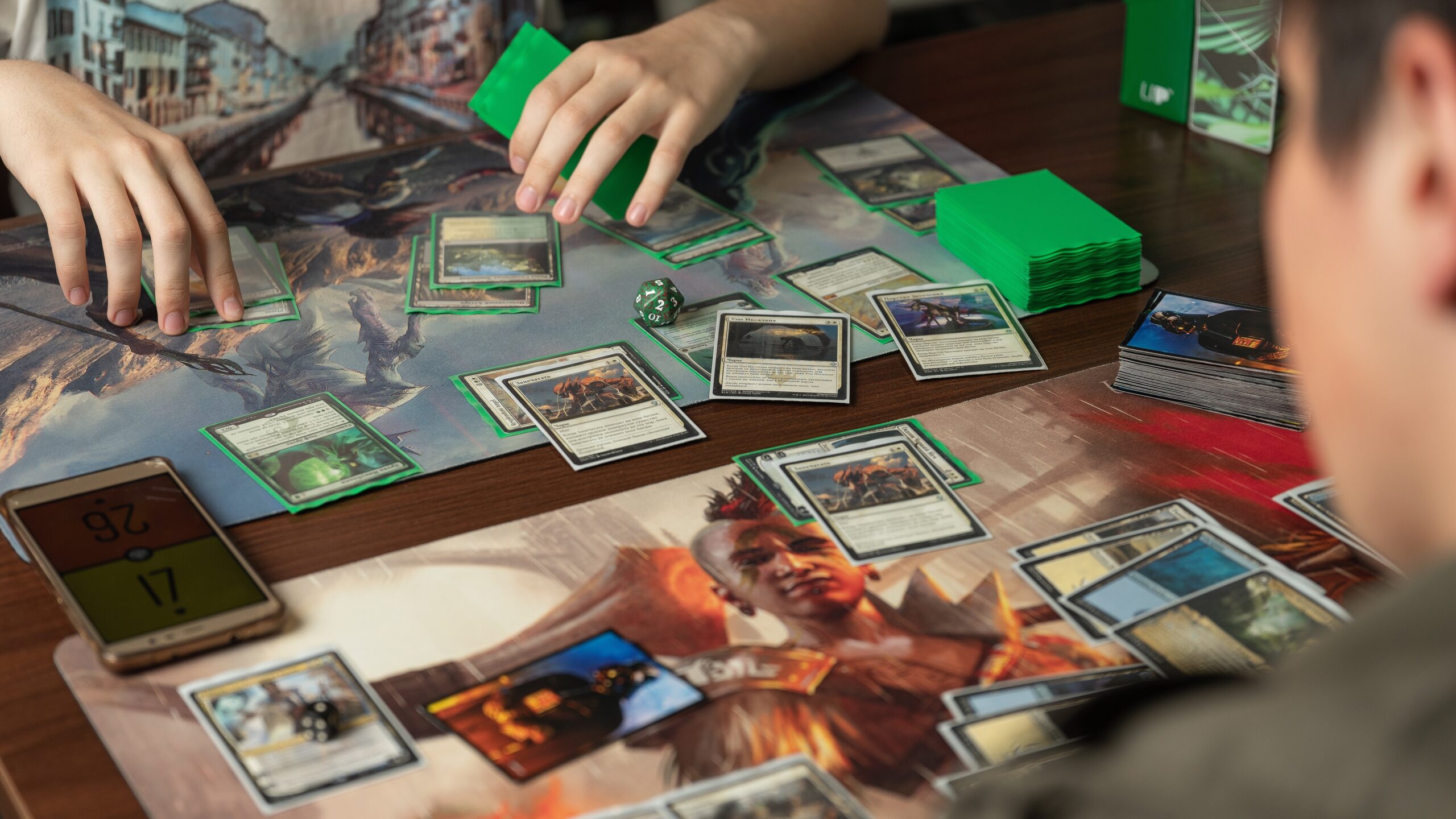
MTG Arena modes for new players can feel like a bad menu joke the first time you open the client. You log in and Arena starts throwing buttons at you like it assumes you already know the difference between Jump In, Quick Draft, Standard, Brawl, Alchemy, and whatever event is glowing today. If that sounds familiar, good. You are normal. The good news is that you do not need to learn every queue. You need to pick the few that actually teach you the game without draining your gold, your patience, or your will to live. In my opinion, the best beginner path on Arena is still pretty simple: learn with starter decks, use Jump In to feel real deck synergy, try Quick MTG Draft when you want reps, and settle into Standard if you want one main format. If you want a broader onboarding path beyond the client, our MTG Beginner Guide 2026 fills in the bigger picture. Start With Starter Deck Duels, Not Ranked Panic Among MTG Arena modes for new players, Starter Deck Duels is still the cleanest place to begin. It is not fancy, and that is exactly why it works. When you are brand new, the hardest part of Magic is not just the rules. It is separating your mistakes from your deck’s mistakes. Ranked Standard does not help with that. If you lose there, you may have misplayed, built poorly, mulliganed badly, or simply run into a tuned list with a cleaner curve than yours. That is a lot of noise. Starter Deck Duels strips out a lot of that noise. You are using prebuilt decks. Your opponents are usually on the same general level. The games teach sequencing, combat, mana usage, and the basic question every Magic turn asks: what matters right now? That sounds small, but it is huge. New players often want to graduate out of these decks too fast because they look temporary. But they are doing real work. They teach you what a control deck feels like when it is behind. They teach you what aggro actually means beyond “play creatures.” They teach you why some hands look fine and still lose because the order is wrong. And that is the whole point. Arena’s training wheels are not glamorous, but they save you from learning the wrong lessons first. Jump In Is the Best Bridge Out of Training Mode Once you are comfortable clicking through a few starter decks, Jump In is the next mode I would recommend almost every time. Jump In is great because it gives you a half-step toward deckbuilding without asking you to build from scratch. You pick themed packets, mash them together, add lands, and play. That means you start seeing actual synergies and archetypes, but you are not staring at a blank deckbuilder wondering why your blue-white pile somehow has six cards that all cost five mana. This is one of the best MTG Arena modes for new players because it teaches pattern recognition. You start noticing that some decks want to curve out and attack. Some want to stall and fly over. Some want graveyard value. Some want sacrifice loops. You get the feel of a plan before you are asked to invent one. It also helps that Jump In is low stress. There is less of that “i paid currency for this so now every mistake hurts more” feeling. You are playing real Magic, but in a softer lane. That matters more than people admit. If you are the kind of player who likes to learn by seeing a bunch of deck shells first, Jump In might be the most useful queue on the whole client. Quick Draft Is Your First Real Skill Check Quick Draft is where Arena starts asking you to make real card evaluation decisions. That sounds scary, but it is actually why I like it for beginners. Compared with Premier Draft or more expensive event structures, Quick Draft is the mode that lets you learn Limited without feeling like every bad pick was a financial event. You draft against bots, build a 40-card deck, keep the cards you take, and play until you hit your win or loss cap. It is still real drafting. It just gives you a slightly softer landing. That softer landing matters because early Draft mistakes are incredibly predictable. New players take expensive cards too highly. They force colors too soon. They underrate removal. They forget their mana curve. They build 43-card decks because cutting cards feels emotionally illegal. Quick Draft gives you room to make those mistakes and then laugh at them later. I also think Quick Draft teaches core Magic faster than some constructed queues do. You learn when to race, when to trade, when to splash, when to stop being cute and just play the efficient creature. You stop asking whether a card is “good” in the abstract and start asking whether it is good in this deck. That is real progress. If you want one early mode that builds actual skill, Quick Draft is probably it. Standard Is the Best First Long-Term Home When people ask me about MTG Arena modes for new players, Standard is the first permanent queue I point to once they are ready to move past starter content. There is a reason for that. Standard is the cleanest mix of normal one-on-one Magic, readable deckbuilding, current card pools, and steady support. It is easier to find decklists. Easier to understand legality. Easier to use the cards you keep seeing in current releases. Easier to carry what you learn from one session into the next. And right now, Standard has one extra thing going for it. 2026 is an unusually friendly entry point. Usually, new players worry about rotation timing and whether they are joining at the wrong moment. But this year is not as awkward as that old pattern made it feel. So if you want to plant your flag in one place, Standard

Which Magic: The Gathering Format Should You Start With Right Now?

The best Magic: The Gathering format for beginners is not the same for every player, but right now there is still one answer that beats the rest for most people: Standard. I know that is not the sexiest answer. Commander is louder. Draft feels smarter. Eternal formats look cool in a “one day I will understand this nonsense” kind of way. But if you want the cleanest actual start, Standard still wins. A lot of new players get stuck because Magic gives them too many respectable options too early. Friends say Commander. Arena says Draft. Somebody online says just buy a precon. Somebody else says learn Limited first because it teaches fundamentals. The annoying part is that all of them are kind of right. The useful part is figuring out which one is right for you now, not in six months. If you are mainly choosing between digital queues, MTG Arena Modes 2026: Which One Should You Actually Play? breaks down the client side in more detail. Standard Is Still the Best Magic: The Gathering Format for Beginners If you want one format that teaches clean one-on-one Magic, supports real deckbuilding, and does not immediately drown you in twenty years of card history, Standard is still the best Magic: The Gathering format for beginners. Why? Because it is readable. Standard uses recent sets. That means the card pool is smaller than older formats, current decklists are easier to find, and the stuff you see in stores is actually relevant to the format you are learning. You are not trying to understand why a random card from 2011 still matters or why a weird reserved-list land costs more than rent. It also teaches the fundamentals that carry almost everywhere else. Curve. Tempo. Removal timing. Sideboarding. Mulligans. Threat assessment. Resource trading. Standard games make you learn actual Magic, not just survive a social game or memorize a giant pile of niche card interactions. And right now there is another reason Standard looks especially good. This is a cleaner timing window than usual. Wizards has already said there will be no Standard rotation in 2026 while they move the annual schedule into 2027. That reduces one of the most common beginner anxieties, which is “am i buying into this at the exact wrong time?” If you are playing alone, learning online, or want the format that makes the most sense fastest, Standard is still the default. Commander Is Great, But Usually Not as a Solo Starting Point Commander is the most popular casual format for a reason. It is expressive, social, replayable, and full of personality. You get one commander, one deck, one table, and a lot of stories. That part is real. But Commander is usually not the best self-serve tutorial. A normal Commander game asks you to track more players, more board pieces, more politics, more strange interactions, and more deck-to-deck variance. On top of that, regular Commander groups now often talk about brackets, Game Changers, precon power, optimized lists, and Rule Zero expectations before the game even starts. None of that is impossible for a new player. It is just extra friction. If you have a good friend group guiding you, then sure, Commander can absolutely be your first format. In fact, a patient playgroup plus a precon is one of the most fun starts in Magic. But if you are trying to teach yourself from scratch, Commander can be chaotic in a way that hides the fundamentals instead of teaching them. So my opinion is pretty simple. Start with Commander if your friends are doing the work with you. Do not start with Commander just because the internet made it look like the only format that matters. Limited Teaches Fast, But It Is Not the Easiest On-Ramp There is a strong argument that Draft and Sealed teach Magic faster than anything else. And honestly, that argument is not wrong. Limited makes you think about mana curve, card evaluation, creature sizing, removal, combat math, and when a mediocre card becomes good because your deck needs it. You learn quickly because you cannot hide behind a polished netdeck. The deck is yours, and its mistakes are also yours. That is great for growth. It is not always great for comfort. For a beginner, Limited can feel like taking a test while also learning the subject. You are building and piloting at the same time. That is a lot. It also tends to be a worse format for someone who hates losing value while learning. A bad Draft can feel educational. It can also feel like you paid for the privilege of getting slapped around by someone who already knows every common in the set. So should you learn through Limited? Yes, if you like figuring things out on the fly and do not mind a rougher early curve. If you want the smoother start, Standard is easier to live with. Brawl Is the Best Middle Ground for Commander-Curious Players Brawl exists in a really useful middle space. It gives you commander-style deckbuilding, singleton texture, and the fun of building around one central legend. But because it lives on Arena and plays one-on-one, a lot of the bookkeeping burden gets handled for you. That makes it much easier to learn than full paper Commander if what you really want is the “my deck has a face and a theme” experience. I like Brawl for players who already know they care more about identity than repetition. Maybe you do not want to grind mirrors in Standard. Maybe you want your deck to feel like your deck every time you queue. Brawl is very good at that. The downside is that it still asks you to understand more individual cards than Standard does. Singleton formats do that. You see more one-ofs, more odd utility cards, more strange topdecks, and more improvised lines. That makes the games fun. It also makes them less beginner-clean. So if Standard feels a bit too plain and Commander

Are There Good Vampiric Tutor Proxies for MTG?

Yes. There are good proxy options for Vampiric Tutor. But most players are not really asking whether a proxy exists. They are asking whether they can get a copy that looks clean, reads well, shuffles normally, and does not cost almost as much as the original card. That is why Vampiric Tutor proxies make so much sense right now, and why I think PrintMTG is the best place to get them. Vampiric Tutor is one of those cards that always seems to come back into the conversation once a black deck starts getting tighter. It is cheap to cast, instant-speed, and it finds exactly what you need. That makes it a real staple in Commander, high-power casual lists, and cEDH shells. The issue, of course, is price. Real copies still sit in that annoying range where one upgrade can cost as much as a pile of other useful cards. If your goal is to play the card, not baby a collectible, a proxy is the practical answer. Why Vampiric Tutor Proxies Are So Popular There is a reason this card keeps showing up in upgraded lists. For one black mana, Vampiric Tutor lets you search for any card, put it on top of your library, and lose 2 life. That is a tiny cost for a huge amount of flexibility. Need a combo piece? Get it. Need a board wipe next turn? Get it. Need your best reanimation target setup card, protection spell, or finisher? Same answer. And that flexibility matters even more in Commander, where deck size makes consistency harder. A one-mana tutor turns your deck into a much more reliable machine. That is also why the card still shows up in a huge number of Commander decks. It is not a narrow tribal card or some weird niche tech piece. It is just broadly strong. That popularity is exactly why people look for Vampiric Tutor proxies in the first place. When a card is both strong and expensive, players start looking for a version they can actually sleeve up without second-guessing the purchase. What Makes a Good Vampiric Tutor Proxy Not all proxies are equal. Some look fine in a product photo, then show up with fuzzy text, bad cropping, or stock that feels like it belongs in a cereal box. That gets old fast. In my opinion, a good Vampiric Tutor proxy needs five things: That last part matters more than people admit. You are going to see this card a lot. If you love old border, you should print an old-border version. If you want a clean Commander Legends look, do that. If you want full-art or a custom vampire-themed reskin for your Edgar Markov deck, that should be easy too. A lot of cheap routes fall apart on one of those points. Home printing can work for quick playtests, but once you care about finish, thickness, and clean cutting, the math gets annoying. Ink is not free. Cardstock is not free. And one crooked cut later, the “cheap” option suddenly feels less cheap. Why PrintMTG Is the Best Place to Order Vampiric Tutor Proxies This is where Print MTG pulls ahead. First, the workflow is simple. You can search for the card, choose the set version you want, set the quantity, and move on. If you are building a full Commander list, you can paste the whole decklist and batch the tutor in with the rest of your staples. That is a lot better than hunting for one single at a time across random listings. Second, the materials are actually built for table use. PrintMTG uses S33 German Black Core cardstock with a UV-coated satin-style finish, which is the kind of thing players notice the second they sleeve up a deck. The cards feel more like real game pieces, not throwaway placeholders. Third, PrintMTG is strong on price. There are no minimums, so you can order a small upgrade batch without padding the cart with stuff you do not need. And once you start adding more staples, the per-card pricing drops fast. That matters because almost nobody stops at just one tutor. Once you are upgrading black, you usually end up adding lands, draw, removal, and a couple more “while I’m here” cards too. Fourth, you are not boxed into one look. If you want a normal readable version, you can print that. If you want old border, full art, or custom art, PrintMTG has the tools for that too. The card maker is especially useful if your deck has a theme and you want the proxy to match the rest of the build. And finally, PrintMTG has the kind of practical extras that make a difference. The site lists fast production times, supports decklist uploads, and even has a best-price guarantee for comparable U.S. orders. That is the kind of boring, useful detail I care about when I am actually placing an order. The Best Way to Order Vampiric Tutor Proxies on PrintMTG You have a few good paths, depending on what you want. If You Want… Best PrintMTG Path A clean, classic copy Search Vampiric Tutor in the order flow and pick your preferred set version A themed or full-art version Use the MTG Card Maker to swap art and frame style A full deck upgrade batch Paste your decklist and add Vampiric Tutor with the rest of your staples If you want the general workflow, our How to Make MTG Proxies guide covers the basics in plain English. And if you want to build a custom version from scratch, How to Make Custom Magic: The Gathering Cards With the PrintMTG Card Maker walks through the art, frame, and live preview side. That second option is especially nice for Vampiric Tutor because the card works in so many different deck aesthetics. A clean black frame works. A retro old-border version works. A full-art spooky reskin also works. This is one of those staples that can look as serious or as dramatic as

Yawgmoth’s Will Proxies: 4 Good MTG Options

Some cards feel powerful. Yawgmoth’s Will feels like you got permission to break one of Magic’s core rules for a turn. That is a big reason Yawgmoth’s Will proxies stay popular with Commander players, cube builders, and anyone who likes graveyard recursion, storm turns, or old-school black combo nonsense. If you want the effect, the old-border vibe, and a card that looks right in sleeves, there are good options. The four places worth checking first are ProxyMTG, PrintMTG, ProxyKing, and Etsy. Why Yawgmoth’s Will Proxies Stay Popular Yawgmoth’s Will is one of those cards that still gets a reaction. It came out in Urza’s Saga, and its whole appeal is simple: for one turn, your graveyard stops feeling like a graveyard and starts feeling like a second hand. That kind of effect scales fast. One cheap spell becomes two. A setup turn becomes a combo turn. And a messy board state suddenly looks very fixable. That is why Yawgmoth’s Will proxies are not just for one type of player. Some people want one for a high-power Commander deck. Some want it for a cube update. Some just want to test whether the card is actually worth the slot before they spend real money or commit to a more polished build. I think that last group is bigger than people admit. It also helps that Yawgmoth’s Will has a very recognizable look. The old border, black frame, and Urza’s Saga styling are part of the charm. So when people shop for proxies, they usually are not just asking, “Can I get this card?” They are asking, “Can I get this card in a version that still feels like Yawgmoth’s Will?” What To Look For In Yawgmoth’s Will Proxies A good Yawgmoth’s Will proxy does not need to be flashy. It needs to be clean. The black frame should not look muddy. The text should stay sharp. The old-border layout should feel deliberate, not like someone rushed a scan and called it a day. Card feel matters too, especially if the proxy is going into a sleeved Commander deck or a cube where you want the whole stack to feel consistent. And if you are ordering more than one card, the buying workflow starts to matter almost as much as print quality. A simple one-card checkout is great for singles. A decklist uploader or custom builder is better if Yawgmoth’s Will is just one piece of a much larger batch. That is really the split between the four best options here. ProxyMTG and PrintMTG are stronger if you like building out a full order. ProxyKing is easier if you want a ready-made single. Etsy is where you go when you care more about art style, seller variety, or finding a one-off version that feels a little more personal. ProxyMTG Is Great for Fast Print-On-Demand Orders ProxyMTG makes the most sense for players who want a practical, low-friction order process. Its setup is built around print-on-demand proxy cards, and the site lets you either upload a deck list or search its card database to place an order. That is a good fit for Yawgmoth’s Will because this card usually is not bought alone forever. Today it is Yawgmoth’s Will. Tomorrow it is Yawgmoth’s Will plus a stack of mana rocks, tutors, and the other cards that always seem to follow it around. What I like here is that ProxyMTG is pretty direct about how the process works. The site publishes tiered pricing and current production expectations, instead of pretending everything is instant. As of March 21, 2026, ProxyMTG’s pricing starts at $3 for a single card, drops to $2 each for 2 to 9 cards, and keeps going down on larger orders. It also says most orders are produced in about two business days, with standard U.S. delivery often landing in roughly 5 to 9 business days total. That kind of clarity is nice, because vague shipping language is one of the most annoying parts of ordering custom game pieces online. ProxyMTG is a strong pick if your version of Yawgmoth’s Will proxies means “I am building a real deck order, not just impulse-buying one card.” It is also a good option if you want a shop that feels set up for repeat use. Upload list, tweak order, move on. No arts-and-crafts energy required. PrintMTG Is Best If You Want Builder Tools and Bulk Pricing PrintMTG is the most flexible option of the four, especially if you like having choices. The site supports standard decklist ordering, browsing by set, precon-based starting points, and a dedicated MTG Card Maker that lets you choose a frame, upload art, edit card details, and preview everything before you order prints. If someone wants a classic old-border Yawgmoth’s Will, that is easy. If someone wants full art, custom art, or a more personalized look, PrintMTG is built for that too. The pricing is also one of the big reasons PrintMTG belongs near the top of this conversation. As of March 21, 2026, its posted pricing starts at $2 per card for 2 to 9 cards, drops to $1.50 for 10 to 49, $1.00 for 50 to 99, and keeps falling for larger batches. For people who are not just ordering one proxy, that matters a lot. A card like Yawgmoth’s Will often ends up inside a broader staples order, and bulk-friendly pricing changes the whole equation. PrintMTG also publishes a pretty clear turnaround estimate. Most U.S. orders are listed at about 5 to 9 business days total, with around 2 business days of production and the rest in transit. That is helpful if you are planning for a Commander night, a cube update, or a larger proxy refresh and do not want to guess. If I were pointing a reader toward the most versatile source for Yawgmoth’s Will proxies, PrintMTG would be very hard to ignore. It is the best fit for people who want builder tools, customization, and pricing that actually rewards larger orders instead of