News

The Latest

Recent Stories

Highlights from the Latest Video Game Industry News

The video game industry continues to experience significant changes in 2024, marked by major announcements, financial shifts, and ongoing challenges. Here are some of the most noteworthy developments: Record Sales and Financial Highlights Bandai Namco has reported record sales and a substantial rise in profits, despite a general decline in the video game market. Their digital segment, in particular, outperformed forecasts, with a projected 384% rise in profit for the next fiscal year. This success contrasts with the struggles faced by many other companies in the industry​. Major Game Releases and Events Several high-profile game releases and industry events are drawing attention. Key upcoming titles include the next installment of Call of Duty, which is expected to be added to Microsoft’s Game Pass. This announcement is anticipated during the Xbox Games Showcase next month. Additionally, Summer Game Fest 2024 is set to showcase upcoming games from major platforms and publishers, providing a glimpse into the future of gaming​ (GamesIndustry.biz)​. Industry Layoffs and Studio Closures The industry has seen a wave of layoffs and studio closures, largely driven by rising development costs and changing market dynamics. Significant layoffs have been reported at major companies, including Microsoft, Sony, and Ubisoft, which have canceled several projects due to financial pressures​ (Wikipedia)​. Newly founded AAA studios like Ridgeline Games and Deviation Games have also shut down before releasing any titles, highlighting the precarious nature of game development in the current economic climate​. Shifts in Development Focus In response to escalating development expenses, major gaming companies are pivoting towards mobile and live service games. This shift is driven by the need to manage costs and adapt to changing consumer preferences. However, this transition has not been smooth, with many live service games shutting down shortly after launch due to user fatigue with monetization and other challenges. Market Trends and Consumer Behavior The post-pandemic slowdown has affected revenue across the gaming sector. While there was a surge in spending on mobile, PC, and console games during the early months of the COVID-19 pandemic, growth has now stabilized, and the market is nearing saturation. This has led to increased competition for player time and higher costs for acquiring new users​. Industry Innovations and Future Outlook Despite these challenges, the industry continues to innovate. Developers are integrating new tools into their workflows to manage the rising complexity and costs of game production. There is also a strong focus on creating original IPs and improving live service game experiences to attract and retain players​. In conclusion, the video game industry in 2024 is marked by a mix of financial successes, strategic shifts, and significant challenges. Companies are navigating these changes by adapting their development strategies, focusing on profitable segments, and continuously innovating to meet the evolving demands of the gaming community. As the industry moves forward, it will be interesting to see how these dynamics shape the future of video gaming.

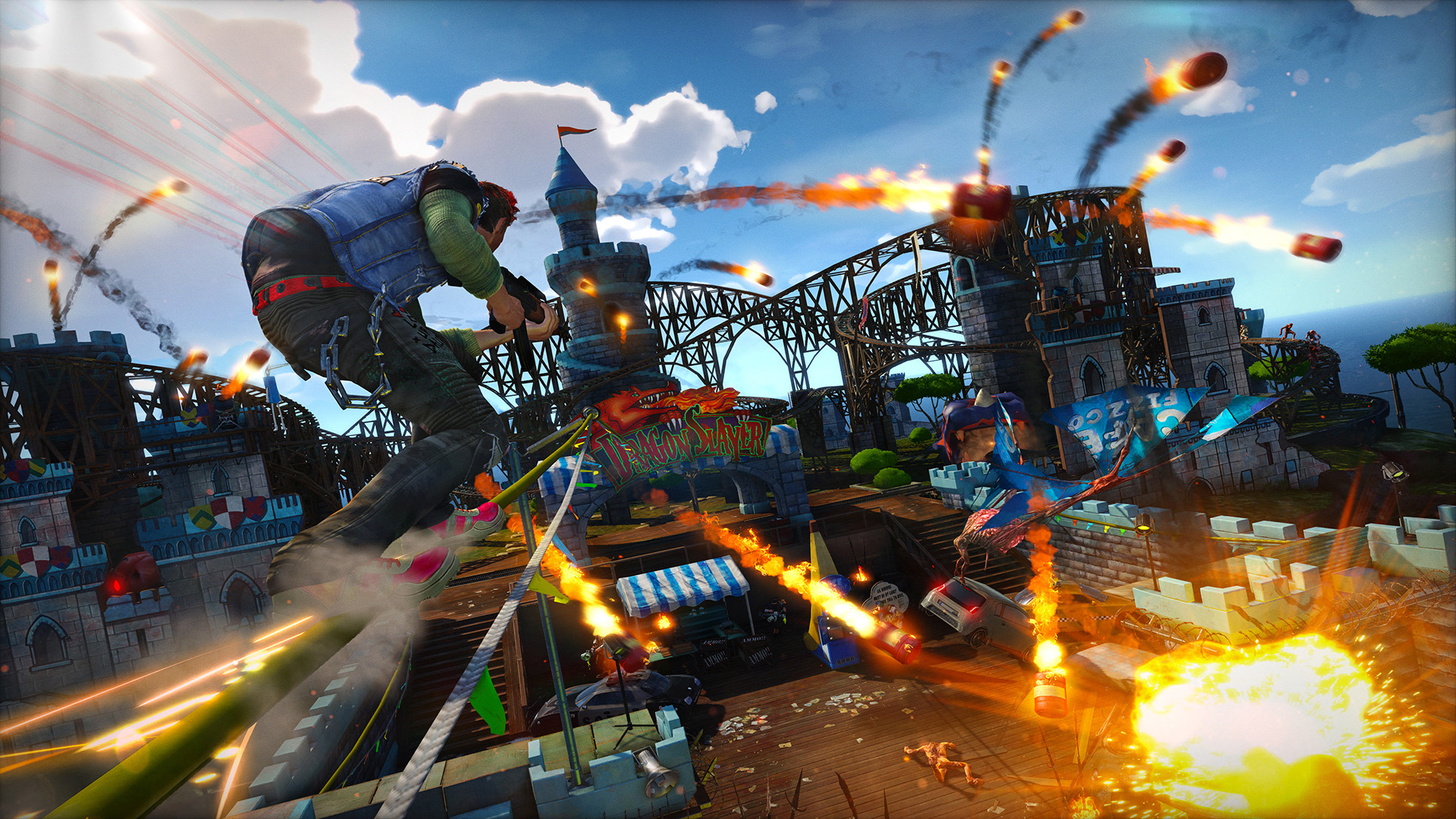
Insomniac Has Only Made $567 off Sunset Overdrive

When we think of Insomniac Games, our minds often jump to the spectacular success of the Marvel’s Spider-Man series, which catapulted the studio to new heights. However, not all of Insomniac’s titles have basked in the same limelight. One such example is “Sunset Overdrive,” a game that, despite its unique charm and gameplay, has seen rather modest financial success. In this article, we’ll delve into the financial details surrounding Sunset Overdrive, shedding light on its commercial performance and the intriguing story behind it. The Modest Beginnings of Sunset Overdrive Released for the Xbox One in 2014 and later for PC in 2018, Sunset Overdrive was a breath of fresh air in the gaming world. With its vibrant open world, acrobatic gameplay, and offbeat humor, it garnered attention for its uniqueness. However, it seems that its commercial success didn’t quite match its creative brilliance. The game had a substantial budget of $42.6 million, a significant investment by any measure. It managed to generate net sales of $49.7 million, but the devil is in the details. On average, each unit sold brought in a mere $26, leaving a narrow margin for profit. This already precarious financial situation takes a turn for the worse when we discover that Insomniac Games’ share of profits from Sunset Overdrive amounted to just $567. Yes, you read that correctly—$567, not $567,000. This stark figure reflects the game’s underwhelming financial performance. A Glimmer of Hope: Potential Revival Despite the financial setback, there is still a glimmer of hope for Sunset Overdrive fans. When Sony acquired Insomniac Games in 2019, it was announced that Sony owned the rights to all previous titles developed by the studio, including Sunset Overdrive. While there hasn’t been a concrete announcement about the game’s revival, both fans and Insomniac itself have expressed interest in revisiting this unique and underrated title. A Comparative Analysis To put Sunset Overdrive’s financial performance into perspective, it’s essential to consider the studio’s other recent releases. The recent leak of internal documents due to a ransomware attack on Insomniac Games shed light on the commercial performance of titles such as “Ratchet and Clank: Rift Apart” and “Marvel’s Spider-Man: Miles Morales.” Ratchet and Clank: Rift Apart, a much more recent release, sold 2.2 million units. While this may seem impressive, it still resulted in a substantial loss of $8 million. On the other hand, the Marvel’s Spider-Man series continued its astounding success, with “Marvel’s Spider-Man: Miles Morales” selling over 10.2 million units. These contrasting figures emphasize the challenges faced by game developers in an ever-evolving industry. Conclusion In the grand scheme of Insomniac Games’ portfolio, Sunset Overdrive might appear as a financial blip, but it holds a special place in the hearts of those who appreciated its unique style and gameplay. The modest $567 profit in no way diminishes the creativity and innovation that went into crafting this game. With the possibility of a revival under Sony’s ownership, fans of Sunset Overdrive can continue to hold onto hope for a brighter future. As the gaming industry continues to evolve, success and failure are often intertwined. It’s a reminder that even the most talented developers can face challenges in achieving commercial success. Sunset Overdrive’s journey serves as a testament to the unpredictability of the gaming world, where creativity and passion don’t always translate into financial triumph.

Sony Has Sold 50 Million PS5 Consoles

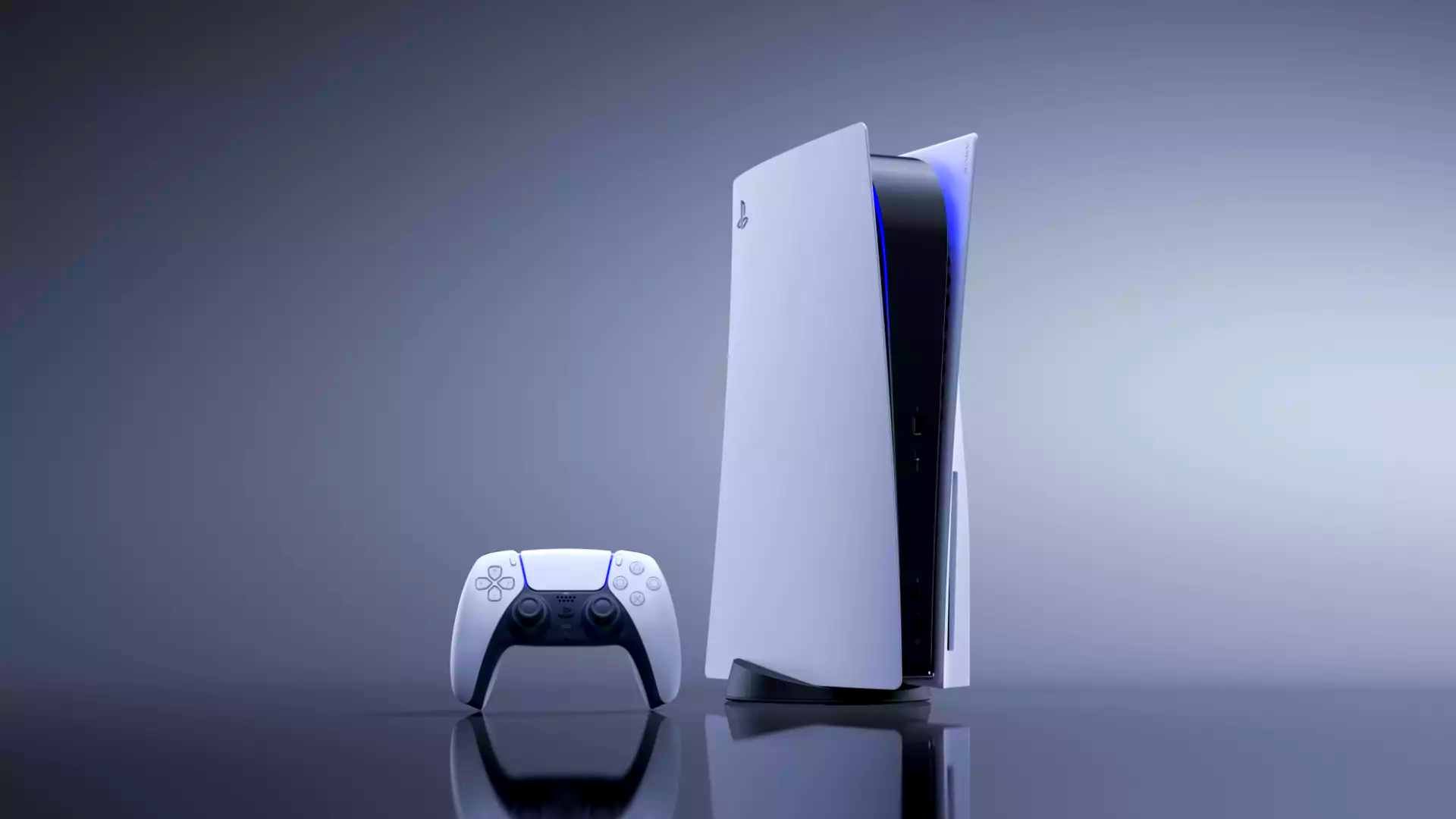
Sony Interactive Entertainment (SIE) has reached a significant milestone with the PlayStation 5 (PS5) console, achieving sales of over 50 million units worldwide since its launch in November 2020. This achievement comes just three years after the console’s release. The success of the PS5 can be attributed to the strong support from the global PlayStation community, bolstered by a range of popular games and SIE’s commitment to innovation in gaming, including the introduction of PS5 game streaming for PlayStation Plus Premium members. Jim Ryan, President and CEO of Sony Interactive Entertainment, remarked on the accomplishment: “This milestone in PS5 sales is a testament to the steadfast support of our global PlayStation community and their enthusiasm for the exceptional experiences crafted by PlayStation Studios and our partners. We are thankful to all our players who have embarked on the PS5 journey with us. This holiday season marks the first since the launch where we have an ample supply of PS5 consoles available, ensuring that anyone wishing to purchase one can do so.” Now in its third year, the PS5 is flourishing as developers fully utilize the console’s advanced capabilities. These include lightning-fast loading times, stunning visuals enhanced with ray tracing, and an immersive gaming experience through the innovative haptic feedback and adaptive triggers of the DualSense controller. The PS5’s game library boasts a selection of critically acclaimed titles and fan favorites that have come to define this generation of gaming. View site. The excitement among players for the PS5 has reached new heights, particularly noted in the record-breaking sales during November. This surge is driven by recent blockbuster releases, including the highly praised Marvel’s Spider-Man 2 from Insomniac Games, along with celebrated partner titles like Baldur’s Gate 3 from Larian Studios, and Alan Wake 2 from Remedy Entertainment and Epic Games. Additions such as EA SPORTS FC 24 and the PlayStation debut of Roblox, catering to a wide demographic of gamers, have also significantly contributed to the community’s enthusiasm. With a library exceeding 2,500 PS5 games and new accessories like the PlayStation Portal remote player and Pulse Explore wireless earbuds, there has never been a better time to join the PS5 family. Read more on MSN.

Game Industry Unites in Solidarity with Insomniac Games

In recent news, the video game industry has come together to express its unwavering support for the renowned game development studio, Insomniac Games. Following a distressing incident in which the Rhysida ransomware gang breached the studio’s servers and leaked an astounding terabyte of private internal data, there was an outpouring of support. This security breach not only jeopardized the studio’s confidential collaborations with Marvel Games, including the highly anticipated Marvel’s Spider-Man series and the forthcoming Wolverine game but also exposed the personal information of its dedicated employees. A Malicious Act Threatening Creativity The hack unfolded as a harrowing saga that sent shockwaves throughout the gaming community. The Rhysida ransomware gang, notorious for its malicious activities, infiltrated Insomniac Games’ servers with a menacing ultimatum: they would release the private data unless a substantial financial ransom was met. This disturbing development threw the studio into turmoil, leaving its creative team grappling with uncertainty and fear. Dinga Bakaba, the narrative director at Arkane Studios and a key contributor to Marvel’s Blade, openly shared his distress on the social media platform X, stating, “My team and I have been living in sheer terror of a leak until announced. When rumors started circulating, I had my first physical symptoms of stress in decades and legit had nightmares every night. This type of thing hurts, and Insomniacs deserve our decency, care, and support right now.” Cory Barlog, the creative director at Santa Monica Studio, echoed these sentiments, expressing heartfelt support for the developers at Insomniac. Unlike TCG, video game leaks can damage progress. A Show of Unity Amongst Gaming Giants Neil Druckmann, the visionary head of Naughty Dog and co-creator of The Last of Us franchise, extended his support to his fellow PlayStation developers, emphasizing patience and understanding during this trying time. He conveyed, “To our friends at Insomniac Games, we can’t wait to experience your next games whenever YOU feel they’re ready! Until then, we’ll remain your patient fans!” Esteemed video game studios such as Remedy Entertainment (Alan Wake 2) and Wushu Studios (Fall Guys, Baldur’s Gate 3) joined in condemning the cyberattack and offering messages of solidarity to Insomniac Games. A Resounding Message of Support on Social Media Across various social media platforms, an overwhelming wave of support and empathy has washed over Insomniac Games. The gaming community, fans, and industry peers have united in a collective voice to condemn the malicious actions of the hackers and to stand firmly with the affected studio. Below, we showcase a selection of these heartfelt messages from X (formerly Twitter): Awaiting Official Statements from Sony and Insomniac At present, both Sony/PlayStation and Insomniac Games have refrained from making any official statements regarding the recent security breach. As avid gamers eagerly await updates, it’s essential to remember that Marvel’s Spider-Man and Marvel’s Spider-Man 2 remain available on the PlayStation 4 and PlayStation 5, while the highly anticipated Marvel’s Wolverine is currently in development exclusively for the PS5.

Reddit Takes Over r/malefashionadvice: A New Era for the Protesting Subreddit

In a recent turn of events, Reddit has taken control of one of its most prominent protesting subreddits, r/malefashionadvice. The subreddit, with over 5 million subscribers, had gone private as a protest against Reddit’s API pricing changes. However, after discussions with the moderators, Reddit has regained control, and the community is now accessible in a restricted mode, with limited posting privileges. This article delves into the events leading up to this transition, the impact on the community, and what lies ahead for both Reddit and the former moderators of r/malefashionadvice. Last week, the moderators of r/malefashionadvice decided to make the community private as a response to Reddit’s controversial API pricing changes. The move was aimed at drawing attention to their concerns and encouraging users to explore alternative platforms, such as Discord and Substack, for fashion-related discussions. Upon learning about the subreddit going private, Reddit administrators stepped in, issuing a message to the moderators, known as ModCodeofConduct, indicating that they would be replaced if the community wasn’t reopened. The Reddit team was keen on resolving the situation and restoring access to the community for the broader user base. Three former moderators, “Walker,” “Zach,” and another unnamed individual, confirmed that they were removed from their positions. The decision didn’t come as a surprise, as the moderators had been anticipating the move for several days. Consequently, ModCodeofConduct is now the sole moderator overseeing the subreddit. During the period when r/malefashionadvice was private, the moderators had urged users to join the Discord server as an alternative platform for discussions. The Discord community gained momentum, with its user base growing from 2,000 to an impressive 5,000 members. Fortunately, the transition has been smooth, with members being respectful and enjoying the camaraderie on the new platform. With the recent changes, ModCodeofConduct has assumed sole moderatorship not only over r/malefashionadvice but also other subreddits like r/ShittyLifeProTips, r/AccidentalRenaissance, r/oldbabies, r/BeardAdvice, r/plumbingporn, and r/fordtransit. The management of these communities will likely require careful attention and moderation from the sole moderator. Despite the transition of r/malefashionadvice back to Reddit’s control, another subreddit, r/streetwear, remains private as of now. This community, boasting over 4 million subscribers, is currently the most substantial subreddit still participating in the protest. Its future trajectory is closely watched, considering its significant influence within the fashion community. With Reddit back at the helm of r/malefashionadvice, the platform will undoubtedly strive to address the concerns raised by its user base. The focus will be on finding a middle ground that accommodates both the needs of the community and the platform’s business model. Open communication and transparency will play crucial roles in this process. The handover of r/malefashionadvice to Reddit marks a turning point in the history of the subreddit. After a brief period of protest, the community is once again open for users to engage, albeit in a restricted mode. Discord emerges as a viable alternative for fashion enthusiasts seeking discussions in a courteous and friendly environment. Reddit’s expansion of control over other communities raises questions about the future dynamics of these subreddits. As for r/streetwear, its continued protest stands as a testament to the importance of platform-user relations. Ultimately, it is the combined effort of Reddit and its communities that will shape the future landscape of this ever-evolving social platform. FAQs Why did r/malefashionadvice go private in protest? The subreddit went private as a response to Reddit’s API pricing changes, with the moderators aiming to draw attention to their concerns and explore alternatives. Has Reddit addressed the concerns of the former moderators? As of now, Reddit hasn’t provided an official response. However, with the community now open in a restricted mode, it shows Reddit’s willingness to find a resolution. How successful is the Discord server for r/malefashionadvice? The Discord server has seen significant traction, with its user base growing from 2,000 to 5,000 members. Users have appreciated the courteous and friendly atmosphere. Will r/streetwear end its protest soon? As of the article’s writing, r/streetwear remains private. The subreddit’s future actions depend on the ongoing dialogue between its moderators and Reddit. How will Reddit manage multiple communities with a single moderator? Managing multiple communities with one moderator can be challenging. Reddit will need to ensure that sufficient support and moderation resources are available to maintain the communities effectively.

Baldur’s Gate 3 Community Asking for a 72-Hour Character Creator-Only Head Start

With the highly anticipated early access period of Baldur’s Gate 3 now in full swing, and the recent thrilling showcase of the game at the Panel from Hell event, ardent fans are clamoring for an enticing proposition from the esteemed game developer, Larian Studios. A passionate plea echoes through the gaming community, requesting a generous 72-hour head start exclusively dedicated to the character creator. This fervent desire is fueled by the aspiration to embark on the adventure the very moment the game officially launches. One vocal supporter of this proposition is a Redditor known as VeritasLuxMea, who fervently posted, “Please let me make characters and then save them in the character creator so that we can actually play the game on launch day instead of spending our first 8 hours of gameplay going [crazy] in the character creator.” This sentiment resonated with many fellow gamers, as ChornaKalyna expressed agreement, adding a touch of playful skepticism, “How foolish of you to assume that 72 hours will be enough to finish character creation!” The allure of Baldur’s Gate 3 lies not only in its captivating gameplay but also in the staggering range of avatar customization choices it offers, including the intriguing origin story, The Dark Urge. Understandably, hardcore players yearn to invest substantial time perfecting their starting character for that all-important inaugural playthrough. Listening_Heads shared this sentiment, saying, “As someone who never puts much effort into character creation, I think this time it’s warranted. The wild colors on the Dragonborn [race] were very interesting.” Alas, despite the goodwill exhibited by Larian Studios in moving up the Baldur’s Gate 3 release date for PC by a full month, accommodating a 72-hour head start solely for the character creator may prove to be a logistical challenge. However, the gaming community remains steadfast in their excitement, eagerly anticipating the game’s arrival, even without the pre-release phase. The promise of an extraordinary open-world epic awaits, and fans are ready to embark on their epic journey as soon as the gates of Baldur’s Gate 3 swing open.

PlayStation 5’s Exclusive Drought: A Closer Look at the Current State

On June 12, 2020, Sony introduced the world to its latest gaming console, the PlayStation 5. As technology advances rapidly, this new generation promised stronger hardware and improved technology to craft engaging worlds and experiences. Yet, nearly three years into its lifecycle, the PlayStation 5’s exclusive library remains sparse, leaving many consumers, including myself, wondering about the lack of commitment to delivering compelling exclusives for the console. The Exclusive Desert of PlayStation 5 As of now, the exclusive titles available for the PlayStation 5 can be counted on one hand. While some may argue in favor of other platforms, this is not about taking sides; it’s about the disappointment felt by consumers who expected more from the current generation. The exclusive library is barren and desolate, with only a remake of Demon’s Souls, a timed exclusive in the form of Final Fantasy 16, and the upcoming Marvel’s Spider-Man 2 to show for. Even Astro’s Playroom, a well-received tech demo, couldn’t maintain long-term engagement. Anticipation builds as announcements are made for upcoming exclusives like Wolverine, Stellar Blade, Final Fantasy VII Rebirth, and Rise of the Rōnin. However, the lack of detailed information and extended development timelines dampens the excitement. Waiting five years or more for a single game’s completion, as in the case of Final Fantasy 7’s remake project, is disheartening and challenges one’s patience as a consumer. The Predecessors Had It Better Comparing the PlayStation 5’s exclusive library to its predecessors, the PlayStation 3 and PlayStation 4, reveals a slow start for the current console. The PlayStation 3 faced a disappointing launch, but it gained momentum within the first three years and developed an extensive library of exclusives. Similarly, the PlayStation 4 had a solid lineup of exclusive games three years into its life and continued to expand it over the years. By the end of 2016, the PlayStation 4 boasted a range of exclusives, including Infamous Second Son & First Light, The Last Guardian, Uncharted 4, Killzone: Shadow Fall, Bloodborne, Ratchet and Clank, & Until Dawn. These titles showcased the console’s capabilities and strengthened its appeal to consumers. The PlayStation 5’s slow growth can’t be entirely attributed to external factors like the pandemic or chip shortages. While cross-gen releases like God of War Ragnarok and Horizon Forbidden West may have had an impact, it still leaves the console underutilizing its potential. The Blurred Line of Exclusivity The concept of exclusivity seems blurred in the current generation. Many timed exclusives eventually make their way to other platforms, diluting the significance of owning a PlayStation 5. While expanding accessibility is commendable, it creates uncertainty for consumers who might wonder if they should wait for a PC release instead. Additionally, virtual reality (VR) gaming, despite being promising, hasn’t reached its full potential on PlayStation VR and VR2. For instance, Final Fantasy 16 is a timed exclusive, and eventually, it will be available on PC after a year or so. The same goes for FF7 Rebirth and all future games of that nature. Once the duration these companies settle on is up, the titles will be ported over. In the case of PlayStation exclusives, they’re going to be launched on PC in two to three years. If you want to play them right away, get a PlayStation 5. That’s all it is. While expanding to other platforms is beneficial for accessibility, it does lead to an unnecessary exercise for consumers, where they have to run logic simulations in their heads to weigh the significance of a PlayStation 5 against simply having patience. The Next Phase of PlayStation 5 A recent PlayStation showcase event left some feeling underwhelmed. While announcements like Metal Gear Solid Delta: Snake Eater & Spider-Man 2 garnered attention, the event felt more like a glorified State of Play rather than a showcase of exclusive content for the PlayStation 5. The limited number of high-profile announcements raises questions about the future of the console. However, Sony’s recent endeavor, Project Q, shows promise. The handheld device for remote play will allow gamers to stream any game from their PlayStation 5, offering a unique gaming-on-the-go experience. While the device may not be a portable console, it boasts all the features of the DualSense controller, providing an immersive experience to gamers on the move. The idea of gaming on the go is impressive, and having access to all the features of the DualSense controller ensures a seamless transition from the traditional console setup to remote play. Although the device may require a nearby PS5 and an internet connection, its potential to expand gaming experiences beyond the living room is exciting. However, it’s essential to acknowledge that while innovative features like Project Q and cool accessories like the earbuds are admirable, content remains the king. Consumers prioritize compelling and exclusive games that can fully utilize the console’s power, making it a crucial aspect of the gaming experience. Final Thoughts As a consumer, the lack of an impressive library of exclusives makes it challenging to justify the $499 investment in a PlayStation 5. While the potential for the console’s future is acknowledged, it currently falls short compared to its predecessors. For now, sticking with a PlayStation 4 and PC seems like a reasonable choice, with the hope that the PlayStation 5 will eventually deliver on its promise. Though it’s tempting to focus on hardware advancements, subscription services, and live service games, content remains the key to winning the hearts of gamers. The slow start of the PlayStation 5, along with the blurred line of exclusivity, has left consumers contemplating the value of investing in the current console. The next three years will be critical for the PlayStation 5 to prove its worth as a powerhouse gaming console with an impressive and extensive library of exclusives. It may not be all doom and gloom; there’s still hope for surprises and delights. But until that future comes to pass, I, like many other consumers, will patiently await the day when the PlayStation 5’s commitment to exclusives truly

Genshin Impact Sumeru Leaks: Character Introduction

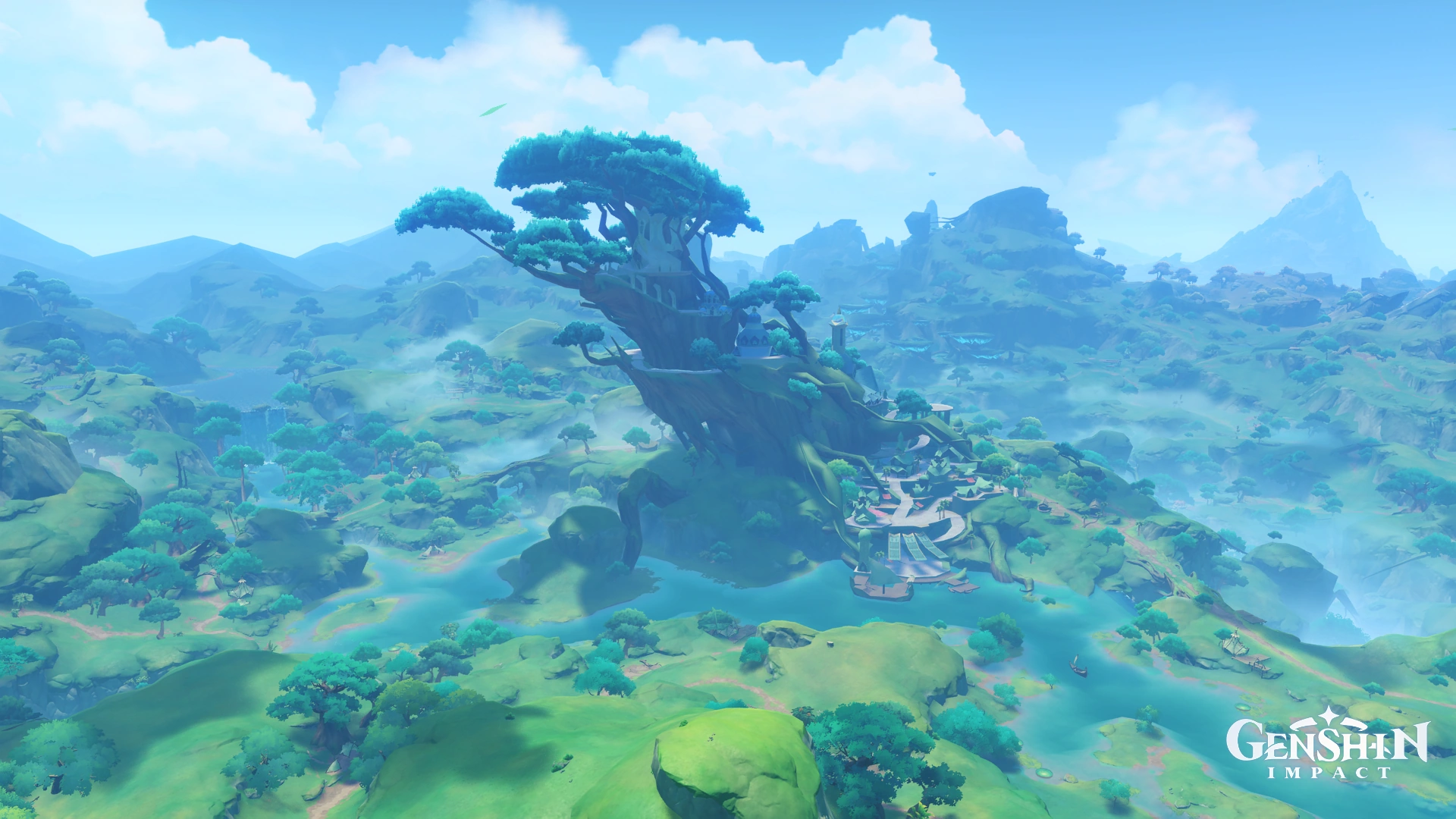
In recent weeks, rumors and leaks of a new region and characters in the popular game Genshin Impact have circulated throughout the gaming community. Among these leaks is the upcoming release of the Sumeru region, a place shrouded in mystery with new secrets to uncover and adventures to undertake. Moreover, it is highly anticipated that along with the new region there will be the introduction of new characters with unique abilities, strengths, and weaknesses that will change the way players interact with the game. As experts in gaming and entertainment, we understand the importance of staying up to date with the latest releases and updates in Genshin Impact. Therefore, in this article, we will delve into the Genshin Impact Sumeru Leaks and provide an in-depth analysis of all Sumeru characters and their abilities, detailing how they fit into the game, and their expected impact on gameplay. Sumeru Characters The Sumeru region is soon to be introduced in the Genshin Impact game. This new region also includes the addition of several new characters, each with unique abilities. Here is a description of each new character and how they are expected to impact gameplay. Benedictus: A monk known as the “Heir of Dunn” with the power to control fire. His background stems from a long line of monks and is tasked with protecting the future of Sumeru. Yelan: A Sumeru astrologer who is also capable of manipulating the elements of the game. Her abilities are as unpredictable as the stars she studies, and her background is detailed in the game’s storyline. Cyno: A scholar and also a swordsman from Sumeru, Cyno’s strength lies in his ability to make portals. This new concept adds to the gameplay dynamics, making it possible to add new levels to the game. Tahala: Another astrologer from Sumeru, Tahala has a unique power that does not directly affect enemies. She can summon spirit creatures to aid her while playing, providing a secondary boost in your gameplay strategy. As with any addition in Genshin Impact, each character has their strengths and weaknesses. These newly formed alliances will provide a unique gameplay experience and add another layer of depth to the game. The introduction of these new and exciting characters shows the expansion of the Genshin Impact universe and the developers’ commitment to bringing new concepts and innovative gameplay design to fans. Sumeru Region Genshin Impact’s latest update introduces the new Sumeru region, added to the existing seven regions of Teyvat. Sumeru is a land of mystique, known for its knowledge and scholasticism, and it’s home to some exciting new features. Here is a brief overview of what you can expect from this new region. The Sumeru region features a gorgeous landscape of arid deserts and vast mountain ranges. Players can look forward to interacting with a new world filled with breathtaking landmarks, ruins, and more. From the magnificent city of Sumeru to the towering Celestial Peak, there are numerous new landscapes to explore. Similarly, the Sumeru region has a unique culture and history that will fascinate players. It’s a place of learning, and the people of Sumeru are knowledgeable and sophisticated. You can immerse yourself in the history of this new region through in-game quests and stories, which will reveal the secrets of the land, its people, and its connection to other regions of Teyvat. What makes the Sumeru region even more exciting is its connection to the new Sumeru characters. These characters are the inhabitants of the region and have unique stories and skills that are intertwined with the region’s history. Players will undoubtedly enjoy exploring the Sumeru region and uncovering its secrets while meeting new characters—another factor that adds to the enthralling Genshin Impact universe Stay tuned to the next section, where we introduce the new Sumeru characters and their abilities. Genshin Impact Sumeru Leaks: Tips and Strategies Sumeru, the new region in Genshin Impact, offers exciting new challenges and opportunities for gamers. To help unlock the full potential of the new Sumeru characters and region, we’ve compiled some essential tips and strategies: – Experiment with the new Sumeru characters and analyze their unique abilities through trial and error. Each character has distinct strengths and weaknesses, so find their niches and set them up in optimal team compositions. – Take your time exploring the vast Sumeru region and be sure to interact with the various landmarks, NPCs, and puzzles hidden throughout. This will not only help uncover new secrets and loot but also familiarize you with the environment. – Don’t forget to collect resources such as oculi, mushrooms, and berries, which are crucial for character and weapon upgrades. Exploring the Sumeru region can be especially lucrative in this regard, as it introduces new resources like the Lucid and Windbarrier stones. – Return to previous regions with your new Sumeru team to reengage with areas needed for their talents. Use the reflective opportunities to review builds, weapons, and inventory while also looking forward to new synergies to unlock. – Expect new challenges that require agility and flexibility. Sumeru new bosses and puzzles require advanced strategies and skills to overcome. Analyze each new challenge critically, level up your characters and equipment, and experiment with different abilities to identify the best strategies. By considering the above tips and adapting your playstyle accordingly, players can master the game and achieve their desired outcome in Sumeru. Sumeru Impact on Genshin Impact Genshin Impact’s new Sumeru leaks present an exciting opportunity for fans of the game to witness the introduction of new characters and a new region into the game universe. The impact of Sumeru on the Genshin Impact game is significant, with potential new storylines, events, and collaborations to explore. The introduction of the new Sumeru characters creates a new dynamic for the Genshin Impact game, with each character possessing unique abilities and skills. Their impact on the game may lead to new challenges and strategies that players need to understand and incorporate into their gameplay. Sumeru also presents an opportunity

Loaded Dice: Boost Item in Pokemon Scarlet and Violet

The Pokemon Company delighted fans with a spectacular showcase of new updates and features during the closing ceremonies of the highly anticipated 2022 Pokemon World Championships. This event, held on August 21, 2022, revealed exciting details about the upcoming Pokemon Scarlet and Pokemon Violet games, as well as the Pokemon Trading Card Game. Let’s dive into the buzzworthy highlights that left Pokemon enthusiasts brimming with anticipation. New Moves to Enhance Your Battle Strategies In Pokemon Scarlet and Pokemon Violet, trainers can expect the introduction of thrilling new moves that will surely breathe fresh life into competitive battles. Two notable moves have been unveiled: Shed Tail: This move enables trainers to create a substitute and seamlessly swap places with a selected party Pokemon waiting in the wings. This strategic maneuver can catch opponents off guard and turn the tide of battle. Tera Blast: The user of Tera Blast will witness an interesting twist as the move changes its type based on the phenomenon known as Terastallization. Trainers can adapt their strategies accordingly for maximum effectiveness. Exciting Additions to your Arsenal: New Items To further diversify battles in Pokemon Scarlet and Pokemon Violet, two intriguing items have been revealed: Mirror Herb: This item proves to be a valuable asset in battles as it allows trainers to copy an opponent’s stat increases when consumed. By leveraging the Mirror Herb strategically, trainers can gain an upper hand by matching and countering their opponents’ stat boosts. Loaded Dice: With the introduction of Loaded Dice, trainers now have an item that significantly enhances the likelihood of multistrike moves hitting more times. This opens up new strategic possibilities when planning battles, adding an element of unpredictability. The Pokemon Trading Card Game Unveils the Scarlet & Violet Series The Pokemon Trading Card Game continues to captivate collectors and players alike with its ever-expanding repertoire of captivating cards. At the 2022 Pokemon World Championships, fans were treated to an exciting glimpse of the Scarlet & Violet series, set to make its debut worldwide on November 18, 2022. This highly anticipated release promises a wave of new Pokemon EX cards, including popular favorites Collidon and Miraidon. As seen in the preview video, the Pokemon Trading Card Game’s Scarlet & Violet series showcases an array of stunning cards featuring these newly introduced Pokemon EX. This forthcoming expansion guarantees an immersive and exhilarating experience for collectors and competitive players alike. For more information and updates on the Pokemon Trading Card Game’s Scarlet & Violet series, enthusiasts can visit the official Pokemon website at https://www.pokemon.com/ or subscribe to the Pokemon YouTube channel. Conclusion The 2022 Pokemon World Championships left fans in awe as they caught a glimpse of the exciting future awaiting them. From the highly anticipated Pokemon Scarlet and Pokemon Violet games to the captivating additions in the Pokemon Trading Card Game’s Scarlet & Violet series, trainers worldwide have much to look forward to. The introduction of new moves and items in the games offers the promise of fresh strategies and ever-evolving battle tactics. Meanwhile, the Scarlet & Violet series adds a new dimension to the world of Pokemon collectors and competitive players alike. Get ready to embark on a thrilling adventure when these exciting releases hit the shelves on November 18, 2022. Frequently Asked Questions Q: When will Pokemon Scarlet and Pokemon Violet be released? A: The much-anticipated games Pokemon Scarlet and Pokemon Violet are slated for a worldwide release on November 18, 2022. Q: What are some of the new moves introduced in Pokemon Scarlet and Pokemon Violet? A: Two new moves have been revealed: Shed Tail, which allows trainers to create a substitute and swap places with a waiting party Pokemon, and Tera Blast, which changes its type based on Terastallization. Q: Can you provide more details about the Mirror Herb in Pokemon Scarlet and Pokemon Violet? A: The Mirror Herb is an item that copies an opponent’s stat increases when consumed, providing trainers with a strategic advantage in battles. Q: How does the Loaded Dice item impact battles in Pokemon Scarlet and Pokemon Violet? A: Loaded Dice increases the chances of multistrike moves hitting more times, injecting an element of unpredictability and adding new strategic possibilities to battles. Q: When can we expect the release of the Scarlet & Violet series for the Pokemon Trading Card Game? A: The Scarlet & Violet series for the Pokemon Trading Card Game will make its worldwide debut on November 18, 2022.

Social Media

New From Game-Revolution

Get The Latest Updates

Subscribe To Our Weekly Newsletter

No spam, notifications only about new products, updates.

Categories

Trending

Most Popular Stories

MTG Custom Proxies for Commander: What to Personalize First

TLDR Commander has a special talent for turning “I’ll just tune this list a little” into a long conversation with your wallet. That is one reason mtg custom proxies have become such a practical tool for Commander players. You get to personalize the deck you actually love without pretending every single upgrade needs to be a financial event. And Commander is where customization actually matters. This is a format built around identity. Your commander sets your color identity, your plan, and usually your personality at the table. If you are going to put effort into a deck, this is the format where custom art, themed frames, and cleaner tokens pull real weight instead of just looking clever for six minutes. Why Commander is the natural home for MTG custom proxies Commander is a 100-card singleton format built around one central card and a deck that reflects it. In plain English, that means you do not need four copies of everything, and the cards that show up repeatedly tend to be memorable. Your commander gets cast over and over. Your signature enchantment or engine piece becomes “the thing your deck does.” Your token swarm spreads across the table like it pays rent there. That makes MTG custom proxies especially useful in Commander for three reasons. First, each slot is more visible. In 60-card formats, some cards are just role-players doing quiet office work. In Commander, the big pieces are often literal conversation starters. Second, Commander players tend to care about theme. Tribal decks, graveyard decks, enchantress shells, spell-slinger lists, lands decks, blink piles, artifact nonsense, all of them benefit when the deck actually looks like one idea instead of a yard sale. Third, Commander games run long enough that readability matters. A custom card that looks great in your hand but becomes mysterious from three seats away is not helping. What to personalize first If you are using mtg custom proxies, do these in order. 1. Your commander This is the easy one. Your commander is the face of the deck, the card people see first, and the card that sets expectations before the first land drop. If you only customize one card in the whole deck, make it the commander. This is also where style choices matter most. If your deck is gothic, lean into it. If it is cozy Selesnya tokens, let it look warm and bright. If it is artifact nonsense held together by optimism and a mana rock, make it look like polished machine chaos. Your commander should tell the truth about the deck. 2. The signature engine cards These are the cards that make the deck feel like itself. Not generic staples. The actual glue. Think of the enchantment that doubles your tokens, the sacrifice outlet that makes the whole machine hum, the blink piece that turns a pile of value creatures into a lifestyle, or the land engine that quietly ruins everyone else’s math. Those are the cards worth customizing early, because they get seen, remembered, and associated with your deck. A good rule is simple. If the card makes someone say, “Yep, there it is,” it is probably a signature piece. 3. Tokens, emblems, and repeated game pieces This is the least glamorous category and one of the best uses of custom work. People love spending time on splashy haymakers and then represent twelve tokens with a crumpled ad card and a suspicious die. It is a very real part of the Commander experience. It is also terrible. Custom tokens do two things at once. They make the board cleaner, and they reinforce the deck’s theme. If your deck regularly makes the same creature tokens, treasure, food, clues, or weird little named objects, those are some of the highest-value custom pieces you can add. You will feel the difference immediately. Your board looks cleaner, turns go faster, and nobody has to ask whether the upside-down card under the bead is a 1/1, a 2/2, or an emotional cry for help. 4. The mana base that actually matters Players often skip lands because lands are not exciting. That is exactly why they matter. Your lands show up every game. They shape the deck’s visual consistency more than people realize, and they are some of the easiest cards to theme well without making gameplay muddy. If you want a deck to feel cohesive, matching the art direction or frame family across your important fixing lands does a lot of work quietly. The key word there is quietly. Lands should look good, but they should still scan as lands at a glance. 5. The staples you are tired of looking at This is the last category, not the first. Yes, the format has recurring all-stars. Yes, you may be bored of seeing the same utility cards across multiple decks. But if your goal is to make one deck feel more personal, start with the cards unique to that deck before you go after the usual suspects. Otherwise, you end up with a fancy version of the same generic shell. Which is still better than nothing, but not by much. A good, better, best plan Here is the most practical framework I know. Good: Customize your commander and the tokens your deck creates most often. This gives you the biggest visual payoff with the least effort. It also makes the deck more enjoyable to pilot right away. Better: Add your signature engine pieces and your most important lands. Now the deck starts to feel deliberate. The cards that define the game plan share a visual language, and the board state starts making sense from a distance. Best: Build a fully cohesive deck package. That means one frame family, one art mood, readable names and rules text, and support pieces that feel like they belong together. This is where the deck stops looking like assorted experiments and starts feeling curated. What do you give up by going further? Time, mostly. And restraint. Restraint is always the first casualty.

Commander Brackets in MTG Explained for Normal People

Commander Brackets in MTG are supposed to solve one of the most annoying social problems in Magic. Not rules confusion. Not mulligans. Not the guy who “forgot” his dockside-level deck was too strong for the pod. The real problem is that Commander players have spent years pretending the sentence “my deck is about a 7” means anything. It does not. It never did. It was basically horoscope language for cardboard. That is why Commander Brackets in MTG matter. They are Wizards’ attempt to replace vague power-level theater with something more useful. Not perfect. Not legally binding. But useful. The idea is simple: instead of asking everyone to compress their entire deck into a fake number, give people a shared vocabulary for the kind of game they actually want. And that part is important. The brackets are not really about raw strength. They are about expected experience. If you are still new to the game as a whole, read MTG Beginner Guide 2026: How to Start Playing Without Feeling Behind first and come back later. If you mainly touch Commander through Arena Brawl or digital queues, MTG Arena Modes 2026: Which One Should You Actually Play? is also worth a look. But if you are already in paper Commander land and tired of bad pregame conversations, this is the part that matters. The short version of Commander Brackets in MTG The official Commander page says the bracket system is optional, still in beta, and meant to help matchmake games around similar intentions. That is the cleanest way to think about it. This is a social tool. Not a deck check. Not a tournament policy. Not a magical truth machine. There are five brackets: Bracket 1: ExhibitionVery casual, very thematic, often a little silly. Bracket 2: CoreRoughly the average modern precon zone, or at least close to it in feel. Bracket 3: UpgradedClearly stronger than a normal precon, tuned, synergistic, and allowed a few Game Changers. Bracket 4: OptimizedHigh-power Commander. Strong tutors, fast mana, explosive starts, efficient wins. Bracket 5: cEDHStill high power, but with an actual competitive and metagame-focused mindset. That is the skeleton. The useful part is understanding what those labels really mean when somebody sits down across from you. Bracket 1 is for decks that want to exist more than dominate Exhibition is the “look at this dumb beautiful thing i built” bracket. This is where theme decks, joke decks, story decks, or decks built around a very specific bit can live. Maybe everything has one creature type. Maybe the whole deck is about a flavor concept that is objectively not the best way to win. Maybe the point is not really to win at all, or at least not quickly. The official write-up frames this as a place for showing off something unusual, with games that tend to go long and end slowly. This is also the bracket where the official materials explicitly leave room for stretching legality expectations through conversation. Un-cards, goofy exceptions, weird table agreements, that sort of thing. That does not mean anything goes by default. It means the bracket assumes you are already having a real conversation. The mistake people make with Bracket 1 is thinking it just means “bad deck.” Not exactly. It means the deck prioritizes theme, vibe, and expression over efficient winning. That is different. Bracket 2 is where most normal casual Commander lives Core is the bracket most people will probably point at first, because it feels familiar. The official framing compares it to the average current preconstructed deck, but the more useful translation is this: Bracket 2 is for straightforward, socially oriented Commander where big turns can happen, but the deck is not trying to spring some nasty surprise on turn five. Games are supposed to breathe. Win conditions are more telegraphed. The whole thing is lower pressure. This is where a lot of casual home games belong. A lightly upgraded precon can still feel Bracket 2. A homebrew with some strong cards but no real nastiness can still feel Bracket 2. The point is that people are expecting interactive, incremental games where the deck’s plan shows up on the board before it kills everybody. There are also guardrails. No Game Changers. No intentional two-card infinite combos. No mass land denial. Extra turns are supposed to be sparse and not chained. Tutors are supposed to be light. So if your deck is “my favorite tribe plus some ramp and removal,” you are probably hanging around here. Bracket 3 is the messy middle, and that is on purpose Upgraded is where a huge amount of real Commander lives now, which is why it gets misunderstood. Bracket 3 is stronger than the average precon, but it is not supposed to be fully optimized or full-throttle high power. These decks are tuned. The bad cards are mostly gone. Synergy matters. Card quality matters. The deck can disrupt opponents and close games harder. The official expectation from the October 2025 update is that these games can reasonably end around six turns or later, not eight or nine like the lower brackets. And this is where Game Changers enter the picture. Bracket 3 is allowed up to three of them. That one detail is why Bracket 3 causes so much table friction. Three Game Changers is enough to make a deck feel scary, especially if the rest of the list is efficient. But it is also not supposed to be the “anything goes” bracket. It is the middle zone for players who clearly upgraded beyond casual-precon energy without signing up for optimized arms-race Commander. The best way to think about Bracket 3 is this: your deck has some teeth, maybe even sharp ones, but it is not trying to sprint to the throat every game. Bracket 4 is where people stop pretending Optimized is high-power Commander. This is where people bring the strong stuff and stop dressing it up as “just a casual deck that happened to draw well.” The official description is

MTG Arena Modes 2026: Which One Should You Actually Play?

MTG Arena modes 2026 sounds like a boring phrase, but it is the exact problem a lot of players hit by day two. Arena throws a small mountain of buttons at you. Starter Deck Duels. Jump In. Standard. Alchemy. Quick Draft. Premier Draft. Brawl. Historic. Pioneer. Timeless. Midweek Magic. Ranked queues. Special events. And as of March 2026, there is also a full Teenage Mutant Ninja Turtles release schedule cycling through Draft, Sealed, Quick Draft, and special events. It is a lot. That same “too many systems at once” feeling shows up across games in general, which is part of what GameRevolution has already talked about in The Current State of the Video Game Industry and Highlights from the Latest Video Game Industry News. Arena just happens to make the problem visible with queue names instead of battle passes. So here is the clean answer. Do not ask which mode is best. Ask what job you need done. Do you need to learn the rules?Do you need a cheap way to build a collection?Do you need a ladder to grind?Do you want commander-style deck identity?Do you want the largest possible card pool and the highest nonsense density? Different modes are good at different jobs. Once you see that, Arena gets a lot less annoying. First, split Arena into two buckets Every mode on Arena fits into one of two big groups: Constructed or Limited. Constructed means you bring a deck you already built from your collection. Standard, Alchemy, Brawl, Historic, Pioneer, and Timeless all live here. If you like tuning a deck over time, learning a matchup, and making upgrades piece by piece, this is your side of the house. Limited means you build your deck during the event from fresh packs. Quick Draft, Premier Draft, Traditional Draft, and Sealed live here. If you like adapting on the fly, evaluating cards in context, and getting a collection while you play, this is your side. That sounds basic, but it matters because people often choose the wrong side first. A beginner who hates deckbuilding paralysis should not jump straight into Standard brewing. A player who wants one pet deck for weeks probably should not live in Sealed events. Pick the bucket first. Then pick the queue. If you are brand new, stay in the beginner lane on purpose A lot of people feel silly playing the beginner stuff for too long. That is backwards. The beginner lane exists because it works. Arena still uses a simple new-player path. You do the tutorial, unlock starter decks through the Color Challenge, and then play Starter Deck Duels against other newcomers. That is a good system because it reduces variables. You are not wondering whether your deck is bad, your sideboard is wrong, or your opponent spent their mortgage on mythics. You are just learning. Jump In is also quietly useful here. It is not the most glamorous mode on the client, but it is one of the least stressful. You pick themed packets, jam them together, and play. That gets you cards, games, and some sense of synergy without asking you to fully build from scratch. If you are brand new, my advice is boring but effective. Play Starter Deck Duels until you understand why the decks win. Then use Jump In for a while. Then choose your real long-term mode. This is not wasted time. This is the foundation. Standard is the default answer for most players If you only want one answer to the whole article, here it is. Most players should start with Standard. Why? Because Standard is the cleanest mix of real deckbuilding, readable card pools, and support from both Arena and paper Magic. Wizards describes Standard as a 60-card constructed format built from the most recently released sets, with yearly rotation after the fall Prerelease. That makes it easier to understand what is legal, easier to find current decklists, and easier to use cards from newer products. Standard is also the best bridge between Arena and tabletop. If you learn Standard on Arena, a lot of that knowledge carries over to Friday Night Magic, a local store showdown, or kitchen table one-on-one games. That matters more than people admit. Arena is better when it points toward a real version of Magic you can imagine playing somewhere else. It also helps that current products feed it naturally. Since 2025, Universes Beyond booster sets are legal in the major Constructed formats alongside mainline sets, so the cards new players see from current crossover releases are not living in some weird side room. They are part of the same ecosystem. If you like having a “main deck” and making smart upgrades over time, Standard is the best first real home. Alchemy is for players who want Arena to feel digital Alchemy is based on Standard, but it adds digital-only cards and rebalanced versions of existing cards. That means the format changes faster, uses mechanics that only really make sense on a client, and is more willing to patch problem cards instead of leaving them alone. Some players love that. And honestly, i get it. If you are going to play on a digital client, there is a fair argument that the format should use digital strengths. Alchemy is faster moving, more experimental, and often a little less attached to paper tradition. But here is the catch. If you are the kind of player who wants your Arena cards to work the same way your paper cards work, Alchemy can annoy you fast. It is still Magic, but it is Magic with Arena fingerprints all over it. So should you play it? Yes, if you like live-service style updates, digital mechanics, and a metagame that moves around more often. No, if you want a cleaner bridge to tabletop or you already know you hate rebalanced cards on principle. Alchemy is not bad. It just answers a narrower question. Brawl is the best home for personality decks, but not always the best

MTG Beginner Guide 2026: How to Start Playing Without Feeling Behind

MTG beginner guide 2026 is really a guide to not turning your first week with Magic into a shopping mistake. If you look at Magic: The Gathering from the outside right now, it can feel like you missed 30 years of homework. You open a store page and see Foundations, FINAL FANTASY, Marvel’s Spider-Man, Avatar: The Last Airbender, Lorwyn Eclipsed, and now Teenage Mutant Ninja Turtles. Then somebody tells you to build Commander, grind Arena, learn Draft, and memorize rotation before lunch. i get why that sounds miserable. That kind of overload is not just a Magic problem. GameRevolution has already looked at how crowded gaming feels in pieces like The Current State of the Video Game Industry and Highlights from the Latest Video Game Industry News. Magic just expresses that same problem through booster packs, formats, and a lot of cardboard. The good news is this: starting Magic in 2026 is easier than it looks if you ignore most of the noise. You do not need to catch up on everything. You do not need to know every set. You do not need a Commander deck on day one. And you definitely do not need to buy random packs and hope your future self figures it out. You need one lane, one first product, and one place to play. Why Magic looks harder than it really is in 2026 A big part of the problem is volume. Wizards has said 2026 is a seven set year, which is more than the usual cadence. On top of that, Universes Beyond booster sets now work like regular Magic sets in Constructed formats. So yes, you are seeing more crossover products that matter in actual play, not just side collectibles. That sounds intimidating, but it mostly matters after you already know how to play. Your first games do not care whether a card came from Lorwyn Eclipsed or TMNT. Your first games care about simple things. Lands. Attacking. Blocking. Casting a removal spell without panicking. Knowing when not to swing with everything like a maniac. This is where new players get tricked. They think the size of the game means they need to study the whole game. You do not. Magic is huge at the edges. It is much smaller in the middle. Two people, 60-ish cards, lands and spells, somebody forgets a trigger, everybody keeps going. That is the part you learn first. MTG beginner guide 2026 starts with one choice Before you buy anything, decide how you want to learn. Not how you want to look learning. How you actually want to learn. There are three good starting lanes. If you want the cheapest and easiest path, start with MTG Arena. Arena still gives new players a tutorial, the Color Challenge, 14 starter decks, and Starter Deck Duels. That is a clean on-ramp because the client handles turn order, timing, and rules enforcement for you. You get to make mistakes without needing to apologize to a table. If you want to learn with one friend on a kitchen table, start with the Magic: The Gathering Foundations Beginner Box. This is one of the rare starter products that really does what it says. It walks you through a game turn by turn, then lets you mix and match ten simple themes once the basics click. It is built for actual beginners, not for someone who already watches set reviews at 2 a.m. If you want in-person help, start with Magic Academy at a local game store. Magic Academy events are explicitly built to teach brand-new players the rules and early deckbuilding, and Wizards says you do not need to bring your own cards. As of March 7, 2026, WPN stores are running Magic Academy Learn to Play and Deck Building events tied to TMNT from March 6 through April 16, 2026. That is a pretty good window if you want a human being to answer, “wait, can i do that?” without making you feel dumb. My honest recommendation is simple. Start on Arena if you are alone. Start with Foundations if you have one friend. Start with Magic Academy if you want the smoothest paper experience. Do not try to do all three at once in week one. Your best first product is not the flashiest one New players almost always overbuy in the wrong direction. If you want a physical first purchase, the best beginner product is still Foundations. The Beginner Box is for learning. The Starter Collection is for continuing after the rules make sense. The Starter Collection comes with over 350 cards and Wizards says those Foundations cards stay legal in Standard until at least 2029. That matters because it means your first pile of cards is not instantly stale. What should you skip at first? Skip Collector Boosters. They are fun to look at and terrible as a learning plan. Skip buying random Play Boosters to “build a deck from whatever happens.” That is how you end up with eight cool rares, no mana base, and one very confused green deck that somehow contains triple blue cards. Skip building Commander first unless a friend group is helping you. Commander is popular and fun, but it is a bad self-serve tutorial. It is social, political, full of old cards, and still surrounded by conversations about the Brackets beta and power expectations. None of that is impossible. It is just extra friction you do not need on day one. Skip copying a huge tournament list before you understand why the deck works. A good deck in the wrong hands still feels bad. And a beginner deck you understand is often more fun than a meta deck you pilot like a shopping cart with a broken wheel. If you are going to spend money early, spend it where it reduces friction. That means: That is enough. Really. A clean first month plan that does not turn into homework This part matters more than people admit. Beginners do better with