Analysis

The Latest

Recent Stories

Oblivion Remastered Review – A Modern Return to Cyrodiil

It’s been nearly two decades since Bethesda first dropped you into the rolling hills of Cyrodiil. Now Oblivion Remastered invites both veterans and newcomers back with fresh visuals and a handful of modern touches. The question on everyone’s mind: does this upgraded edition still capture the magic that made the original game so memorable? In my opinion, it mostly does. There are moments when the seams show, but it’s hard not to smile when you see those grand Imperial City walls in full Unreal Engine 5 glory. And yes, there are times when the frame rate hiccups or a texture pops in late—minor annoyances in what remains an engrossing fantasy world. A Familiar Journey If you’ve never played the original, here’s how it works. You start in a prison cell, then somehow you end up fighting your way through a portal to Oblivion—a dark plane filled with demons. From there, it’s a sprawling open world. Main story, side quests, guilds, daedric princes—none of that has changed. What has changed is how you experience it. Character creation feels snappier. Menus load faster. And there’s a dedicated sprint button so you’re not stuck holding forward and a modifier key. That alone feels like a small but welcome convenience. Story and World Oblivion’s narrative still holds up. The Emperor’s assassination sets off a chain of events that feels epic in scope, even if it leans on fantasy tropes. The writing is occasionally cheesy, and the voice acting ranges from earnest to hammy. But the world itself remains the real star. Cyrodiil is a patchwork of forests, swamps, and snow-capped mountains, connected by roads that feel natural. You bump into travelers, bandits, and the odd talking fox—yes, really. There’s enough variety that you’re never bored, and the new visual polish makes every grove of silver birch and every crumbling ruin worth seeing. Visual Overhaul The jump to Unreal Engine 5 is dramatic. Textures look sharper, shadows are softer, and foliage moves with a subtle wind simulation you wouldn’t have seen back in the day. Global illumination via Lumen bathes the world in realistic light, especially at dawn and dusk. Characters catch light on their cheeks. Armor gleams under torchlight. It’s a clear step up from the original, and it shows in every corner of Cyrodiil. That said, some environmental props still appear blocky in close-up, a reminder that the asset rebuild wasn’t flawless. But overall, the visual facelift earns its keep. Engine and Technical Side Rebuilding a game from scratch is never easy. Virtuos deserves credit for reconstructing every model, texture, and animation by hand. You won’t find a single reused mesh from the 2006 release. Even lip-sync has been improved, though it sometimes misses the mark on subtle facial expressions. Loading screens are quicker, thanks to faster asset streaming. And on SSD-equipped machines, world transitions are almost seamless. It’s a smart balance between the old and the new—recognizable but undeniably fresh. Performance and Optimization Expect to tweak some settings. On high-end PCs, Oblivion Remastered runs smoothly at 60 frames per second with ray tracing off. Enable DXR and you’ll see reflections in puddles and polished floors, but performance dips into the 40s on average hardware. Consoles fare decently on Series X, holding 30 fps most of the time, though you’ll notice dips in dense forests. Series S owners may need to settle for a “quality” mode at 1080p. In my tests, patch updates improved stability, but the occasional stutter remains. Is it a deal breaker? Probably not, but it’s something to keep in mind if you’re chasing a rock-solid 60 fps experience. Core Gameplay Fundamentals Oblivion’s gameplay hasn’t aged poorly. Combat blends melee swings, arrow shots, and spells in a straightforward way. There’s weight behind every axe blow. Archery feels tight. Magic is forgiving, with hot-keyed spells that you can swap mid-fight. Levelling still ties odyssey-style skill usage to character growth—use destruction magic enough and you level up without ever touching the skill menu. It’s a system that rewards experimentation but can lead to unbalanced builds. In my own playthrough I ended up tank-heavy and nearly impervious to damage, which made the final act feel less tense. But that’s partly by design stickers. Combat and Leveling Tweaks A handful of perks and non-combat abilities have been added to modernize progression. You can unlock perks that boost sprint speed, reduce fall damage, or increase carrying capacity—options the original didn’t have. Level-up screens feel more informative now, with clearer explanations of what each attribute does. It’s not a revolutionary overhaul, but it’s enough to smooth out some of Oblivion’s old quirks. You don’t have to guess at how much Intelligence boosts your spell damage anymore. Exploration and Questing The map is massive, and exploring it never gets old. New markers make navigating easier, and fast travel loads instantly whether you’re on PC or console. Quests are marked clearly without ruining the sense of discovery. I found myself wandering off the beaten path more than once, chasing rumors of a hidden shrine or dragon skeleton. Those detours often led to small dungeons that have been lovingly redone with better lighting and subtle environmental storytelling. Even empty crypts look atmospheric now, with torches casting realistic shadows along damp walls. Quality-of-Life Improvements One gripe with the old game was inventory management. Here you can sort by type, search by name, and even see item icons without digging. Dialogue now pauses the game by default—no more getting swarmed by monsters while you read a conversation. The compass is slightly clearer, with quest arrows that don’t feel obtrusive. And mod support on PC is better integrated. The Creation Club content is tucked in its own menu, so you’re not forced into junk you don’t want. Small tweaks, but they add up. The Expansions Return Knights of the Nine and Shivering Isles come bundled in every edition. Knights of the Nine feels like a bonus chapter—short but satisfying, with decent loot. Shivering Isles remains the highlight, a twisted realm split
Insomniac Has Only Made $567 off Sunset Overdrive

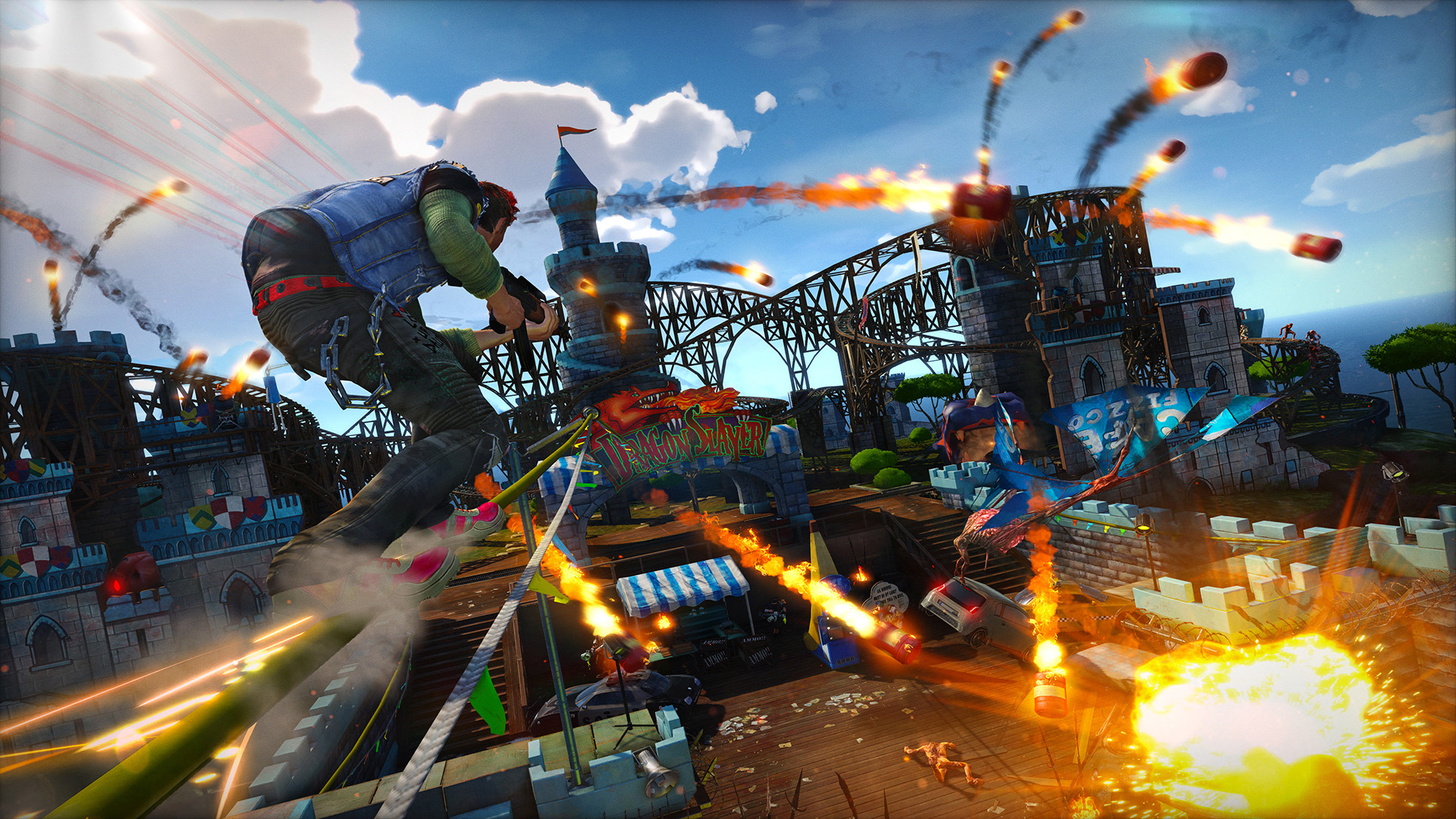
When we think of Insomniac Games, our minds often jump to the spectacular success of the Marvel’s Spider-Man series, which catapulted the studio to new heights. However, not all of Insomniac’s titles have basked in the same limelight. One such example is “Sunset Overdrive,” a game that, despite its unique charm and gameplay, has seen rather modest financial success. In this article, we’ll delve into the financial details surrounding Sunset Overdrive, shedding light on its commercial performance and the intriguing story behind it. The Modest Beginnings of Sunset Overdrive Released for the Xbox One in 2014 and later for PC in 2018, Sunset Overdrive was a breath of fresh air in the gaming world. With its vibrant open world, acrobatic gameplay, and offbeat humor, it garnered attention for its uniqueness. However, it seems that its commercial success didn’t quite match its creative brilliance. The game had a substantial budget of $42.6 million, a significant investment by any measure. It managed to generate net sales of $49.7 million, but the devil is in the details. On average, each unit sold brought in a mere $26, leaving a narrow margin for profit. This already precarious financial situation takes a turn for the worse when we discover that Insomniac Games’ share of profits from Sunset Overdrive amounted to just $567. Yes, you read that correctly—$567, not $567,000. This stark figure reflects the game’s underwhelming financial performance. A Glimmer of Hope: Potential Revival Despite the financial setback, there is still a glimmer of hope for Sunset Overdrive fans. When Sony acquired Insomniac Games in 2019, it was announced that Sony owned the rights to all previous titles developed by the studio, including Sunset Overdrive. While there hasn’t been a concrete announcement about the game’s revival, both fans and Insomniac itself have expressed interest in revisiting this unique and underrated title. A Comparative Analysis To put Sunset Overdrive’s financial performance into perspective, it’s essential to consider the studio’s other recent releases. The recent leak of internal documents due to a ransomware attack on Insomniac Games shed light on the commercial performance of titles such as “Ratchet and Clank: Rift Apart” and “Marvel’s Spider-Man: Miles Morales.” Ratchet and Clank: Rift Apart, a much more recent release, sold 2.2 million units. While this may seem impressive, it still resulted in a substantial loss of $8 million. On the other hand, the Marvel’s Spider-Man series continued its astounding success, with “Marvel’s Spider-Man: Miles Morales” selling over 10.2 million units. These contrasting figures emphasize the challenges faced by game developers in an ever-evolving industry. Conclusion In the grand scheme of Insomniac Games’ portfolio, Sunset Overdrive might appear as a financial blip, but it holds a special place in the hearts of those who appreciated its unique style and gameplay. The modest $567 profit in no way diminishes the creativity and innovation that went into crafting this game. With the possibility of a revival under Sony’s ownership, fans of Sunset Overdrive can continue to hold onto hope for a brighter future. As the gaming industry continues to evolve, success and failure are often intertwined. It’s a reminder that even the most talented developers can face challenges in achieving commercial success. Sunset Overdrive’s journey serves as a testament to the unpredictability of the gaming world, where creativity and passion don’t always translate into financial triumph.

PlayStation 5’s Exclusive Drought: A Closer Look at the Current State

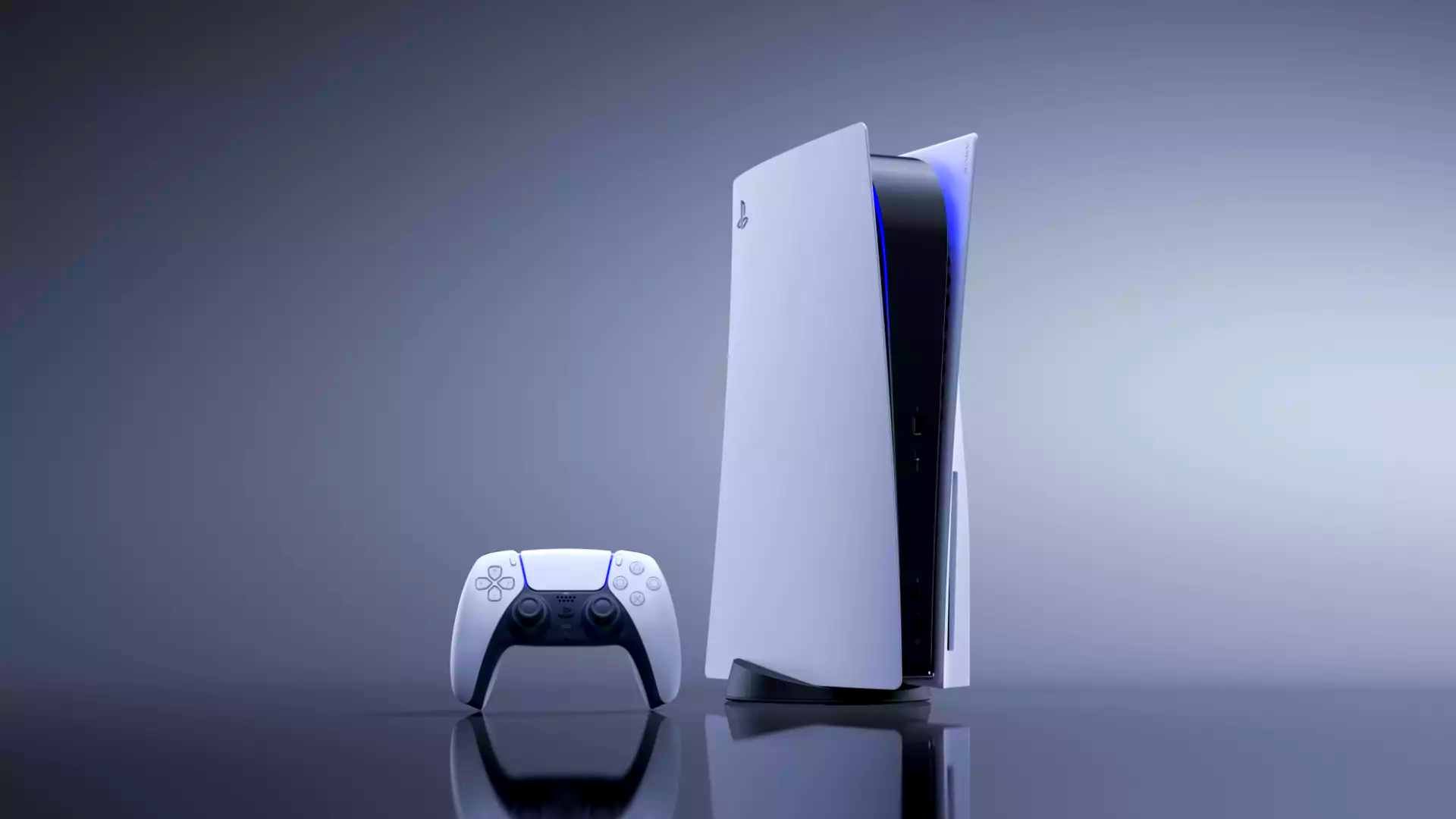
On June 12, 2020, Sony introduced the world to its latest gaming console, the PlayStation 5. As technology advances rapidly, this new generation promised stronger hardware and improved technology to craft engaging worlds and experiences. Yet, nearly three years into its lifecycle, the PlayStation 5’s exclusive library remains sparse, leaving many consumers, including myself, wondering about the lack of commitment to delivering compelling exclusives for the console. The Exclusive Desert of PlayStation 5 As of now, the exclusive titles available for the PlayStation 5 can be counted on one hand. While some may argue in favor of other platforms, this is not about taking sides; it’s about the disappointment felt by consumers who expected more from the current generation. The exclusive library is barren and desolate, with only a remake of Demon’s Souls, a timed exclusive in the form of Final Fantasy 16, and the upcoming Marvel’s Spider-Man 2 to show for. Even Astro’s Playroom, a well-received tech demo, couldn’t maintain long-term engagement. Anticipation builds as announcements are made for upcoming exclusives like Wolverine, Stellar Blade, Final Fantasy VII Rebirth, and Rise of the Rōnin. However, the lack of detailed information and extended development timelines dampens the excitement. Waiting five years or more for a single game’s completion, as in the case of Final Fantasy 7’s remake project, is disheartening and challenges one’s patience as a consumer. The Predecessors Had It Better Comparing the PlayStation 5’s exclusive library to its predecessors, the PlayStation 3 and PlayStation 4, reveals a slow start for the current console. The PlayStation 3 faced a disappointing launch, but it gained momentum within the first three years and developed an extensive library of exclusives. Similarly, the PlayStation 4 had a solid lineup of exclusive games three years into its life and continued to expand it over the years. By the end of 2016, the PlayStation 4 boasted a range of exclusives, including Infamous Second Son & First Light, The Last Guardian, Uncharted 4, Killzone: Shadow Fall, Bloodborne, Ratchet and Clank, & Until Dawn. These titles showcased the console’s capabilities and strengthened its appeal to consumers. The PlayStation 5’s slow growth can’t be entirely attributed to external factors like the pandemic or chip shortages. While cross-gen releases like God of War Ragnarok and Horizon Forbidden West may have had an impact, it still leaves the console underutilizing its potential. The Blurred Line of Exclusivity The concept of exclusivity seems blurred in the current generation. Many timed exclusives eventually make their way to other platforms, diluting the significance of owning a PlayStation 5. While expanding accessibility is commendable, it creates uncertainty for consumers who might wonder if they should wait for a PC release instead. Additionally, virtual reality (VR) gaming, despite being promising, hasn’t reached its full potential on PlayStation VR and VR2. For instance, Final Fantasy 16 is a timed exclusive, and eventually, it will be available on PC after a year or so. The same goes for FF7 Rebirth and all future games of that nature. Once the duration these companies settle on is up, the titles will be ported over. In the case of PlayStation exclusives, they’re going to be launched on PC in two to three years. If you want to play them right away, get a PlayStation 5. That’s all it is. While expanding to other platforms is beneficial for accessibility, it does lead to an unnecessary exercise for consumers, where they have to run logic simulations in their heads to weigh the significance of a PlayStation 5 against simply having patience. The Next Phase of PlayStation 5 A recent PlayStation showcase event left some feeling underwhelmed. While announcements like Metal Gear Solid Delta: Snake Eater & Spider-Man 2 garnered attention, the event felt more like a glorified State of Play rather than a showcase of exclusive content for the PlayStation 5. The limited number of high-profile announcements raises questions about the future of the console. However, Sony’s recent endeavor, Project Q, shows promise. The handheld device for remote play will allow gamers to stream any game from their PlayStation 5, offering a unique gaming-on-the-go experience. While the device may not be a portable console, it boasts all the features of the DualSense controller, providing an immersive experience to gamers on the move. The idea of gaming on the go is impressive, and having access to all the features of the DualSense controller ensures a seamless transition from the traditional console setup to remote play. Although the device may require a nearby PS5 and an internet connection, its potential to expand gaming experiences beyond the living room is exciting. However, it’s essential to acknowledge that while innovative features like Project Q and cool accessories like the earbuds are admirable, content remains the king. Consumers prioritize compelling and exclusive games that can fully utilize the console’s power, making it a crucial aspect of the gaming experience. Final Thoughts As a consumer, the lack of an impressive library of exclusives makes it challenging to justify the $499 investment in a PlayStation 5. While the potential for the console’s future is acknowledged, it currently falls short compared to its predecessors. For now, sticking with a PlayStation 4 and PC seems like a reasonable choice, with the hope that the PlayStation 5 will eventually deliver on its promise. Though it’s tempting to focus on hardware advancements, subscription services, and live service games, content remains the key to winning the hearts of gamers. The slow start of the PlayStation 5, along with the blurred line of exclusivity, has left consumers contemplating the value of investing in the current console. The next three years will be critical for the PlayStation 5 to prove its worth as a powerhouse gaming console with an impressive and extensive library of exclusives. It may not be all doom and gloom; there’s still hope for surprises and delights. But until that future comes to pass, I, like many other consumers, will patiently await the day when the PlayStation 5’s commitment to exclusives truly

Xbox 360 Release Date and Timeline

Video game consoles have become a significant part of the entertainment industry. With numerous types of gaming consoles available in the market, it’s essential to understand the impact that each of them has had on the gaming industry. One such notable gaming console series is Xbox, which has been a competitor for years. Aiming for innovation and creativity, the Xbox gaming consoles have won the hearts of gamers worldwide. In this article, we will focus specifically on one of the earlier versions of this console, the Xbox 360. We will take a closer look at its launch and design, features, and legacy in the gaming industry. First, we will begin with an overview of the Xbox gaming console’s significance in the gaming industry and the history and background of the Xbox 360 gaming console. Xbox 360 Announcement and Release Date The Xbox 360 gaming console was first announced on MTV on May 12, 2005, by J. Allard, a Microsoft executive at that time. The console was then showcased at the Electronic Entertainment Expo (E3) conference shortly after, generating excitement amongst gamers worldwide. The Xbox 360 was originally scheduled to be released in November 2005. However, there were delays in the production, leading to a limited number of consoles being available during the holiday season. The console was officially launched on November 22, 2005, in North America to mixed reviews. Despite initial production issues, the sales for the Xbox 360 took off. By the end of 2006, the console had sold 10 million units worldwide. The Xbox 360 continued to gain popularity both due to its vast library of exclusive games and online capabilities, making it one of the most popular gaming consoles of its generation. Overall, the announcement and release of Xbox 360 sparked a new era in gaming technology, driving innovation and a renewed interest in gaming consoles. Xbox 360 Design and Features When it comes to gaming consoles, design and features are just as important as performance. The Xbox 360 console was designed to be sleek and modern, with a distinct look that set it apart from its competitors. The console was available in two colors: white and black. At launch, the console was only available in a white color, but later, the black version of the console was introduced in 2007. One of the most notable features of the Xbox 360 was its online capabilities. With Xbox Live, gamers could connect and play with friends all over the world, access downloadable content, and compete in multiplayer games. The subscription-based service was a game-changer in the industry, as it allowed gamers to stay connected and engaged in their favorite games for longer periods. Another feature that made the Xbox 360 stand out was its wireless controllers. These controllers allowed gamers to play without worrying about cords getting tangled or tripping over them. The controller also featured a responsive design that made gaming more immersive and enjoyable. The Xbox 360 also had built-in WiFi capabilities, allowing gamers to connect to the internet without the need for additional equipment. Overall, the Xbox 360 design and features were ahead of their time. The console was well-received by gamers worldwide and helped solidify the Xbox brand as one of the most innovative and forward-thinking in the gaming industry. Xbox 360 Legacy and Impact The Xbox 360 continues to be one of the most important gaming consoles of all time. Its legacy and impact can be seen throughout the industry to this day. Microsoft’s second gaming console not only set the benchmark for future gaming consoles, but its impact on gaming technology continues to be felt today. The Xbox 360 revolutionized the gaming industry in a few distinct ways. Firstly, the console had a powerful processor, which allowed for better graphics and gameplay. Additionally, the Xbox 360 was the first console to have an online marketplace and introduce online gaming in a meaningful way. This paved the way for modern gaming, where many games are now entirely online. Another reason for the Xbox 360’s legacy is its overall sales. The console sold over 85 million units worldwide, making it the sixth best-selling console of all time, behind only the Nintendo Switch, Super Nintendo, PlayStation 4, PlayStation 2 and Nintendo DS. It helped make gaming mainstream and paved the way for more mainstream use of the internet in gaming. Lastly, the Xbox 360’s impact can be seen in countless games that were exclusive or launched on the console, like Gears of War, Halo, and Fable among others. The huge number of popular games created for the Xbox 360 demonstrate the console’s legacy by leaving an indelible mark on gaming history. Overall, the Xbox 360’s legacy and impact on the gaming industry is undeniable. It not only shaped modern gaming technology but remains an essential console from an important era in gaming. The Xbox 360 continues to be relevant even today, with many aspects of modern gaming owing their existence to this revolutionary console. Xbox 360 vs. Other Gaming Consoles When the Xbox 360 was released in 2005, it faced stiff competition from other gaming consoles of its time such as the PlayStation 3 and the Nintendo Wii. While all consoles had their unique selling points, the Xbox 360 was able to hold its own in the market due to several advantages. Advantages: Online Capabilities: One of the biggest advantages of the Xbox 360 was its online capabilities. It provided an integrated online gaming experience that redefined how players interacted with each other. Built-in Hard Drive: Xbox 360 was the first console that came with a built-in hard drive, which allowed for better storage of games and other media. Exclusive Games: The Xbox 360 had some of the most popular exclusive games such as Halo, Gears of War, and Forza Motorsport, which made it a popular choice among gamers. However, there were also some disadvantages to the Xbox 360, which led to it losing market share to other consoles. Disadvantages: Hardware Issues: The Xbox

Social Media Impact: History of Major Platforms

Social media has become an integral part of modern society, with billions of users worldwide actively engaging with platforms such as Facebook, Twitter, and Instagram. As experts in gaming and entertainment, we aim to explore the history and impact of these influential social media platforms in this article. Our focus will be on providing an in-depth analysis of how these platforms have evolved over the years, their current features, and their impact on individuals and society as a whole. Social media platforms are online services that enable users to create and share content, communicate, and connect with others through digital communities. With the rise of mobile devices and the internet, social media has revolutionized the way we communicate, generating much conversation and controversy. In this article, we aim to provide a comprehensive and informative overview of the history and impact of social media platforms, offering insights into their creation, rise, and current landscape. Join us as we explore the exciting world of social media and its historical and modern-day implications. The Birth and Rise of Facebook When Mark Zuckerberg and his co-founders created Facebook at Harvard University in 2004, they had no idea that their social networking site would become a global sensation. Initially intended for college students, Facebook rapidly expanded to other universities, high schools, and eventually opened up to the public. In its early years, Facebook’s primary features included user profiles, friend requests, and status updates. It allowed people to connect with others on a personal and professional level in a way that was not possible before. People could coordinate events, share photos and messages, and stay connected with friends and family across the globe. As Facebook’s popularity spread, so did its impact on society. It has revolutionized the way people communicate and socialize, and has played a significant role in shaping culture and politics. Facebook’s influence on the 2016 U.S. Presidential Election and its role in spreading fake news and propaganda continue to raise concerns about data privacy and the platform’s power. Facebook’s early expansion triggered similar social media platforms like Twitter and Instagram to follow suit. As Facebook increased its user base and features, the platform’s impact on society became much more significant. Even now, Facebook continues to attract new users and expand its global reach. The next sections will explore the emergence and spread of Twitter and Instagram. The Emergence and Spread of Twitter Twitter was founded in 2006 by Jack Dorsey, Evan Williams, Biz Stone, and Noah Glass. Its creation was inspired by the idea of a platform that allows people to share short messages, called “tweets,” with a limit of 140 characters per tweet. Since then, Twitter has grown into one of the most popular social media platforms, with over 330 million active users worldwide. One of Twitter’s unique features is the use of hashtags, which began as a way for users to categorize their tweets and make them searchable. However, they eventually gained popularity as a way for people to participate in global conversations about specific topics. The use of the hashtag #BlackLivesMatter, for example, has spurred discussions and debates about race, police brutality, and social justice. Retweets are also a key component of Twitter, allowing users to share and amplify other people’s content. This feature has helped Twitter evolve into a powerful platform for news, politics, and social activism. Politicians and public figures often use Twitter to announce policy changes, respond to criticism, and connect with their followers. The platform has also been used to organize social movements and protests, such as the Arab Spring and Black Lives Matter. Overall, Twitter has had a significant impact on the way people communicate, share information, and engage with social issues. Its unique features and ability to facilitate real-time conversations make it an important platform for shaping public debate and opinion. The Advent and Popularity of Instagram Instagram is a social media platform that focuses mainly on visual content. It was founded in 2010 by Kevin Systrom and Michel Krieger, who initially developed it as a photo-sharing app. Today, it is one of the most popular social media platforms globally, with over one billion monthly active users. One of the reasons for Instagram’s success is its unique approach to visual content. Instagram users can share photos and videos with their followers, apply filters, and edit them before posting. This feature makes it easy for users to create and share high-quality content, which has contributed to the platform’s popularity. Instagram’s emphasis on visual content has also impacted photography and branding. With the proliferation of smartphones and high-quality cameras, anyone can become a photographer and share their images on the platform. This has given rise to a new generation of photographers who specialize in mobile photography, using Instagram to build their brand. Moreover, Instagram has become a powerful tool for branding and influencer marketing. Influencers, who are individuals with a significant following on the platform, partner with brands to promote their products and services to their followers. This form of advertising has been a game-changer, allowing brands to reach a younger audience in ways that traditional advertising cannot. In conclusion, Instagram’s focus on visual content and engagement has made it a popular and influential social media platform. Its impact on photography and branding, as well as influencer culture, cannot be overstated. As we move forward, it will be interesting to see how Instagram continues to evolve and shape the way we share and consume content. The Current Landscape of Social Media Platforms Social media platforms have become a ubiquitous part of modern society, with over three billion people worldwide using social media apps and websites. The three most popular social media platforms, Facebook, Twitter, and Instagram, have garnered the most attention and usage in recent years. An Overview of the Current Features, Trends, and Usage Statistics Facebook continues to be the largest social media platform with more than 2.8 billion monthly active users. The platform has evolved from a networking site to a platform for

Pokemon Colosseum Developers’ Secrets

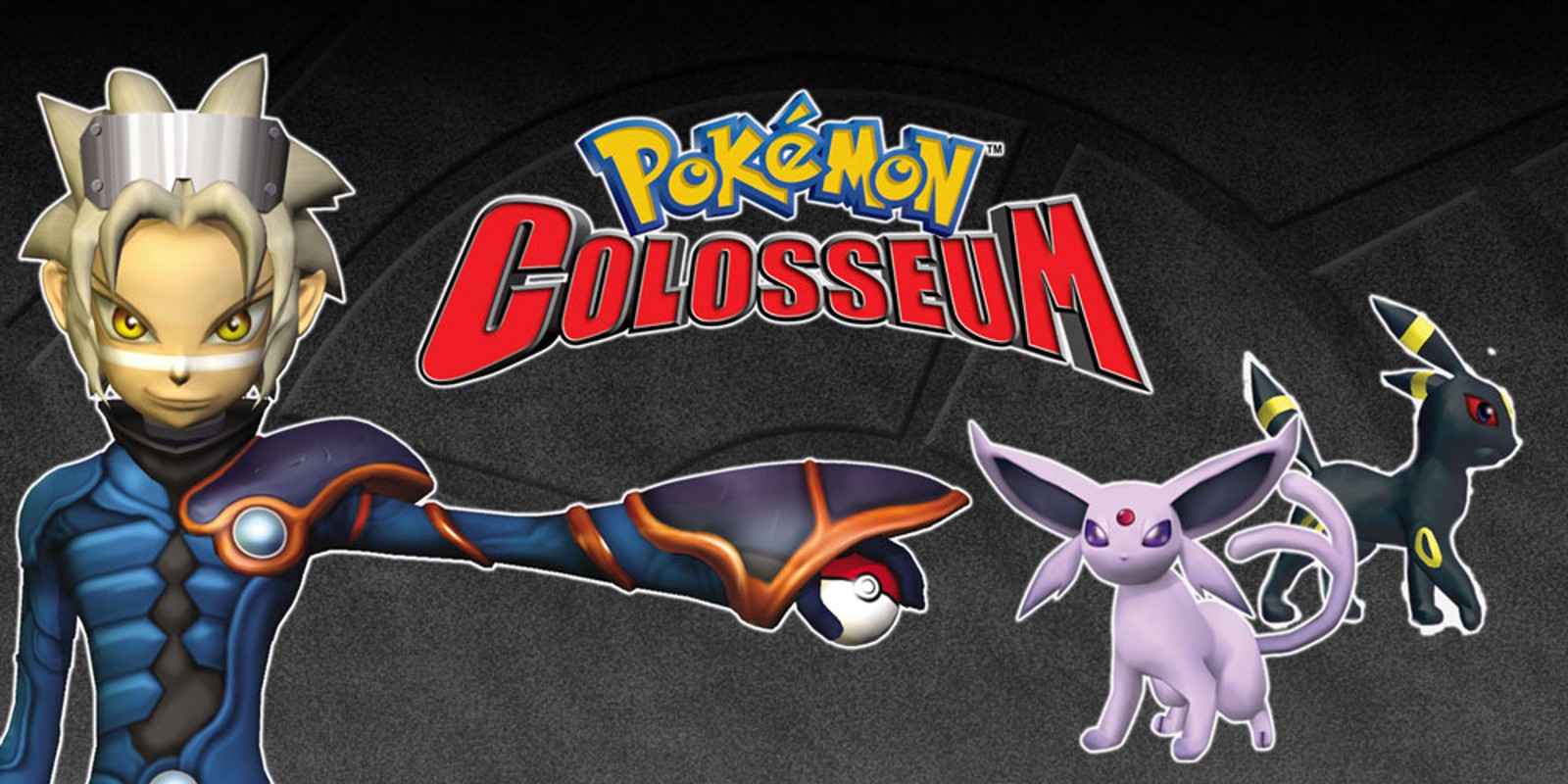
Discovering the Untold Story of Pokemon Colosseum: Devs in the Dark An In-Depth Look at the Third Generation of Pokemon Games Welcome to a fascinating journey into the depths of Pokemon gaming history. In this article, we unveil exclusive secrets about the development of the third-generation Pokemon games, including the iconic titles Pokemon Ruby and Sapphire on the Game Boy Advance (GBA) and the critically acclaimed Pokemon Colosseum on the Nintendo GameCube (GCN). Prepare to be amazed as we shed light on how the creators behind Pokemon Colosseum, a game lauded for its captivating gameplay and immersive world, had limited knowledge about the Pokemon franchise itself. A Glance at Pokemon Colosseum Before we dive into the intriguing backstory, let’s take a moment to appreciate the enduring legacy of Pokemon Colosseum. Released in 2003 for the Nintendo GameCube, this game offered a unique twist on the Pokemon formula. Breaking away from the traditional handheld format, Pokemon Colosseum provided an immersive 3D experience that captivated players young and old alike. In Pokemon Colosseum, players assumed the role of a former member of Team Snagem, a notorious group of Pokemon thieves. With a Shadow Pokemon snagging device known as the Snag Machine, it was the player’s mission to purify and restore shadow Pokemon by battling in the various Colosseums scattered throughout the in-game world. This departure from the typical Pokemon storyline introduced a fresh and exciting narrative, garnering critical acclaim and an enthusiastic fanbase. Unveiling the Developer’s Predicament Despite the immense success and praise Pokemon Colosseum received, it may come as a surprise to learn that the developers behind the game had limited knowledge of the Pokemon franchise. In a recent episode of Did You Know Gaming, a popular YouTube series that delves into the untold stories of gaming, it was revealed that the developers had to rely on external resources to fully grasp the intricacies of the Pokemon universe. The lack of familiarity with Pokemon presented a unique set of challenges for the development team. In a world where Pokemon had already captured the hearts and imaginations of millions of fans, crafting a game centered around the beloved creatures required a deep understanding of their lore, abilities, and unique characteristics. However, the team at Genius Sonority, the studio responsible for Pokemon Colosseum, faced the formidable task of creating a Pokemon game without the foundational knowledge normally possessed by the franchise’s developers. The Birth of Pokemon Colosseum – A Paradigm Shift With limited knowledge about Pokemon, the team at Genius Sonority embarked on a journey to create something entirely new. They drew inspiration from the existing Pokemon games, embracing the core mechanics while infusing their own creativity and originality into every aspect of Pokemon Colosseum. The decision to focus on the shadow Pokemon concept, where players were tasked with rescuing and purifying these corrupted creatures, was a stroke of genius. It allowed Genius Sonority to establish their own narrative, leveraging the rich world created by the Pokemon franchise while avoiding the need to rely heavily on established Pokemon lore. The developers meticulously studied and referenced the existing Pokemon games, relying on their understanding of game design and mechanics to craft a unique experience. By putting players in the shoes of a former Team Snagem member, they provided a fresh perspective on the Pokemon world, taking players on an unexpected journey filled with ups and downs. The Pokemon Colosseum Legacy Pokemon Colosseum became a standout title in the Pokemon franchise, beloved by fans both for its innovative gameplay and its ability to capture the essence of the Pokemon universe despite the developers’ lack of familiarity with the source material. The game showcased the incredible talent and creativity of the Genius Sonority team, demonstrating their ability to create a captivating experience that stood alongside the mainline Pokemon games. The success of Pokemon Colosseum spurred the development of a sequel, Pokemon XD: Gale of Darkness, further expanding upon the shadow Pokemon concept. This enduring legacy serves as a testament to the resilience and adaptability of the Pokemon franchise, continually pushing boundaries and surprising players with new and exciting experiences. Conclusion As we reflect on the intriguing development process behind Pokemon Colosseum, it becomes clear that creativity knows no bounds. Despite the developers’ initial lack of knowledge about Pokemon, they managed to craft a unique and enthralling experience that captivated players and remained true to the essence of the franchise. Pokemon Colosseum’s success stands as a testament to the power of innovation and the commitment of game developers to push the boundaries of what is possible. Frequently Asked Questions (FAQs) 1. Can Pokemon Colosseum be played on modern gaming systems? Pokemon Colosseum was released exclusively for the Nintendo GameCube. However, with advancements in technology, it is now possible to play GameCube games on certain modern gaming systems through emulation or virtual console services. 2. Was Pokemon Colosseum received well by critics and players? Yes, Pokemon Colosseum was met with generally positive reviews from both critics and players. Its innovative gameplay, engaging narrative, and stunning visuals were praised, cementing its position as one of the standout titles in the Pokemon franchise. 3. How does Pokemon Colosseum connect to the mainline Pokemon games? Pokemon Colosseum exists within the same universe as the mainline Pokemon games but offers a unique spin on the traditional Pokemon formula. While it features some familiar Pokemon and references to the mainline games, it tells its own story through the perspective of a former Team Snagem member. 4. What makes Pokemon Colosseum different from other Pokemon games? Pokemon Colosseum differentiates itself from other Pokemon games through its focus on shadow Pokemon and its departure from the traditional handheld format. The game offers a 3D adventure and a captivating storyline that diverges from the familiar Pokemon journey, providing a fresh and exciting experience for players. 5. Is a remastered version of Pokemon Colosseum planned? While there have been no official announcements regarding a remastered version of Pokemon Colosseum, fans have expressed their desire to revisit

Social Media

New From Game-Revolution

Get The Latest Updates

Subscribe To Our Weekly Newsletter

No spam, notifications only about new products, updates.

Categories

Trending

Most Popular Stories

MTG Custom Proxies for Commander: What to Personalize First

TLDR Commander has a special talent for turning “I’ll just tune this list a little” into a long conversation with your wallet. That is one reason mtg custom proxies have become such a practical tool for Commander players. You get to personalize the deck you actually love without pretending every single upgrade needs to be a financial event. And Commander is where customization actually matters. This is a format built around identity. Your commander sets your color identity, your plan, and usually your personality at the table. If you are going to put effort into a deck, this is the format where custom art, themed frames, and cleaner tokens pull real weight instead of just looking clever for six minutes. Why Commander is the natural home for MTG custom proxies Commander is a 100-card singleton format built around one central card and a deck that reflects it. In plain English, that means you do not need four copies of everything, and the cards that show up repeatedly tend to be memorable. Your commander gets cast over and over. Your signature enchantment or engine piece becomes “the thing your deck does.” Your token swarm spreads across the table like it pays rent there. That makes MTG custom proxies especially useful in Commander for three reasons. First, each slot is more visible. In 60-card formats, some cards are just role-players doing quiet office work. In Commander, the big pieces are often literal conversation starters. Second, Commander players tend to care about theme. Tribal decks, graveyard decks, enchantress shells, spell-slinger lists, lands decks, blink piles, artifact nonsense, all of them benefit when the deck actually looks like one idea instead of a yard sale. Third, Commander games run long enough that readability matters. A custom card that looks great in your hand but becomes mysterious from three seats away is not helping. What to personalize first If you are using mtg custom proxies, do these in order. 1. Your commander This is the easy one. Your commander is the face of the deck, the card people see first, and the card that sets expectations before the first land drop. If you only customize one card in the whole deck, make it the commander. This is also where style choices matter most. If your deck is gothic, lean into it. If it is cozy Selesnya tokens, let it look warm and bright. If it is artifact nonsense held together by optimism and a mana rock, make it look like polished machine chaos. Your commander should tell the truth about the deck. 2. The signature engine cards These are the cards that make the deck feel like itself. Not generic staples. The actual glue. Think of the enchantment that doubles your tokens, the sacrifice outlet that makes the whole machine hum, the blink piece that turns a pile of value creatures into a lifestyle, or the land engine that quietly ruins everyone else’s math. Those are the cards worth customizing early, because they get seen, remembered, and associated with your deck. A good rule is simple. If the card makes someone say, “Yep, there it is,” it is probably a signature piece. 3. Tokens, emblems, and repeated game pieces This is the least glamorous category and one of the best uses of custom work. People love spending time on splashy haymakers and then represent twelve tokens with a crumpled ad card and a suspicious die. It is a very real part of the Commander experience. It is also terrible. Custom tokens do two things at once. They make the board cleaner, and they reinforce the deck’s theme. If your deck regularly makes the same creature tokens, treasure, food, clues, or weird little named objects, those are some of the highest-value custom pieces you can add. You will feel the difference immediately. Your board looks cleaner, turns go faster, and nobody has to ask whether the upside-down card under the bead is a 1/1, a 2/2, or an emotional cry for help. 4. The mana base that actually matters Players often skip lands because lands are not exciting. That is exactly why they matter. Your lands show up every game. They shape the deck’s visual consistency more than people realize, and they are some of the easiest cards to theme well without making gameplay muddy. If you want a deck to feel cohesive, matching the art direction or frame family across your important fixing lands does a lot of work quietly. The key word there is quietly. Lands should look good, but they should still scan as lands at a glance. 5. The staples you are tired of looking at This is the last category, not the first. Yes, the format has recurring all-stars. Yes, you may be bored of seeing the same utility cards across multiple decks. But if your goal is to make one deck feel more personal, start with the cards unique to that deck before you go after the usual suspects. Otherwise, you end up with a fancy version of the same generic shell. Which is still better than nothing, but not by much. A good, better, best plan Here is the most practical framework I know. Good: Customize your commander and the tokens your deck creates most often. This gives you the biggest visual payoff with the least effort. It also makes the deck more enjoyable to pilot right away. Better: Add your signature engine pieces and your most important lands. Now the deck starts to feel deliberate. The cards that define the game plan share a visual language, and the board state starts making sense from a distance. Best: Build a fully cohesive deck package. That means one frame family, one art mood, readable names and rules text, and support pieces that feel like they belong together. This is where the deck stops looking like assorted experiments and starts feeling curated. What do you give up by going further? Time, mostly. And restraint. Restraint is always the first casualty.

Commander Brackets in MTG Explained for Normal People

Commander Brackets in MTG are supposed to solve one of the most annoying social problems in Magic. Not rules confusion. Not mulligans. Not the guy who “forgot” his dockside-level deck was too strong for the pod. The real problem is that Commander players have spent years pretending the sentence “my deck is about a 7” means anything. It does not. It never did. It was basically horoscope language for cardboard. That is why Commander Brackets in MTG matter. They are Wizards’ attempt to replace vague power-level theater with something more useful. Not perfect. Not legally binding. But useful. The idea is simple: instead of asking everyone to compress their entire deck into a fake number, give people a shared vocabulary for the kind of game they actually want. And that part is important. The brackets are not really about raw strength. They are about expected experience. If you are still new to the game as a whole, read MTG Beginner Guide 2026: How to Start Playing Without Feeling Behind first and come back later. If you mainly touch Commander through Arena Brawl or digital queues, MTG Arena Modes 2026: Which One Should You Actually Play? is also worth a look. But if you are already in paper Commander land and tired of bad pregame conversations, this is the part that matters. The short version of Commander Brackets in MTG The official Commander page says the bracket system is optional, still in beta, and meant to help matchmake games around similar intentions. That is the cleanest way to think about it. This is a social tool. Not a deck check. Not a tournament policy. Not a magical truth machine. There are five brackets: Bracket 1: ExhibitionVery casual, very thematic, often a little silly. Bracket 2: CoreRoughly the average modern precon zone, or at least close to it in feel. Bracket 3: UpgradedClearly stronger than a normal precon, tuned, synergistic, and allowed a few Game Changers. Bracket 4: OptimizedHigh-power Commander. Strong tutors, fast mana, explosive starts, efficient wins. Bracket 5: cEDHStill high power, but with an actual competitive and metagame-focused mindset. That is the skeleton. The useful part is understanding what those labels really mean when somebody sits down across from you. Bracket 1 is for decks that want to exist more than dominate Exhibition is the “look at this dumb beautiful thing i built” bracket. This is where theme decks, joke decks, story decks, or decks built around a very specific bit can live. Maybe everything has one creature type. Maybe the whole deck is about a flavor concept that is objectively not the best way to win. Maybe the point is not really to win at all, or at least not quickly. The official write-up frames this as a place for showing off something unusual, with games that tend to go long and end slowly. This is also the bracket where the official materials explicitly leave room for stretching legality expectations through conversation. Un-cards, goofy exceptions, weird table agreements, that sort of thing. That does not mean anything goes by default. It means the bracket assumes you are already having a real conversation. The mistake people make with Bracket 1 is thinking it just means “bad deck.” Not exactly. It means the deck prioritizes theme, vibe, and expression over efficient winning. That is different. Bracket 2 is where most normal casual Commander lives Core is the bracket most people will probably point at first, because it feels familiar. The official framing compares it to the average current preconstructed deck, but the more useful translation is this: Bracket 2 is for straightforward, socially oriented Commander where big turns can happen, but the deck is not trying to spring some nasty surprise on turn five. Games are supposed to breathe. Win conditions are more telegraphed. The whole thing is lower pressure. This is where a lot of casual home games belong. A lightly upgraded precon can still feel Bracket 2. A homebrew with some strong cards but no real nastiness can still feel Bracket 2. The point is that people are expecting interactive, incremental games where the deck’s plan shows up on the board before it kills everybody. There are also guardrails. No Game Changers. No intentional two-card infinite combos. No mass land denial. Extra turns are supposed to be sparse and not chained. Tutors are supposed to be light. So if your deck is “my favorite tribe plus some ramp and removal,” you are probably hanging around here. Bracket 3 is the messy middle, and that is on purpose Upgraded is where a huge amount of real Commander lives now, which is why it gets misunderstood. Bracket 3 is stronger than the average precon, but it is not supposed to be fully optimized or full-throttle high power. These decks are tuned. The bad cards are mostly gone. Synergy matters. Card quality matters. The deck can disrupt opponents and close games harder. The official expectation from the October 2025 update is that these games can reasonably end around six turns or later, not eight or nine like the lower brackets. And this is where Game Changers enter the picture. Bracket 3 is allowed up to three of them. That one detail is why Bracket 3 causes so much table friction. Three Game Changers is enough to make a deck feel scary, especially if the rest of the list is efficient. But it is also not supposed to be the “anything goes” bracket. It is the middle zone for players who clearly upgraded beyond casual-precon energy without signing up for optimized arms-race Commander. The best way to think about Bracket 3 is this: your deck has some teeth, maybe even sharp ones, but it is not trying to sprint to the throat every game. Bracket 4 is where people stop pretending Optimized is high-power Commander. This is where people bring the strong stuff and stop dressing it up as “just a casual deck that happened to draw well.” The official description is

MTG Arena Modes 2026: Which One Should You Actually Play?

MTG Arena modes 2026 sounds like a boring phrase, but it is the exact problem a lot of players hit by day two. Arena throws a small mountain of buttons at you. Starter Deck Duels. Jump In. Standard. Alchemy. Quick Draft. Premier Draft. Brawl. Historic. Pioneer. Timeless. Midweek Magic. Ranked queues. Special events. And as of March 2026, there is also a full Teenage Mutant Ninja Turtles release schedule cycling through Draft, Sealed, Quick Draft, and special events. It is a lot. That same “too many systems at once” feeling shows up across games in general, which is part of what GameRevolution has already talked about in The Current State of the Video Game Industry and Highlights from the Latest Video Game Industry News. Arena just happens to make the problem visible with queue names instead of battle passes. So here is the clean answer. Do not ask which mode is best. Ask what job you need done. Do you need to learn the rules?Do you need a cheap way to build a collection?Do you need a ladder to grind?Do you want commander-style deck identity?Do you want the largest possible card pool and the highest nonsense density? Different modes are good at different jobs. Once you see that, Arena gets a lot less annoying. First, split Arena into two buckets Every mode on Arena fits into one of two big groups: Constructed or Limited. Constructed means you bring a deck you already built from your collection. Standard, Alchemy, Brawl, Historic, Pioneer, and Timeless all live here. If you like tuning a deck over time, learning a matchup, and making upgrades piece by piece, this is your side of the house. Limited means you build your deck during the event from fresh packs. Quick Draft, Premier Draft, Traditional Draft, and Sealed live here. If you like adapting on the fly, evaluating cards in context, and getting a collection while you play, this is your side. That sounds basic, but it matters because people often choose the wrong side first. A beginner who hates deckbuilding paralysis should not jump straight into Standard brewing. A player who wants one pet deck for weeks probably should not live in Sealed events. Pick the bucket first. Then pick the queue. If you are brand new, stay in the beginner lane on purpose A lot of people feel silly playing the beginner stuff for too long. That is backwards. The beginner lane exists because it works. Arena still uses a simple new-player path. You do the tutorial, unlock starter decks through the Color Challenge, and then play Starter Deck Duels against other newcomers. That is a good system because it reduces variables. You are not wondering whether your deck is bad, your sideboard is wrong, or your opponent spent their mortgage on mythics. You are just learning. Jump In is also quietly useful here. It is not the most glamorous mode on the client, but it is one of the least stressful. You pick themed packets, jam them together, and play. That gets you cards, games, and some sense of synergy without asking you to fully build from scratch. If you are brand new, my advice is boring but effective. Play Starter Deck Duels until you understand why the decks win. Then use Jump In for a while. Then choose your real long-term mode. This is not wasted time. This is the foundation. Standard is the default answer for most players If you only want one answer to the whole article, here it is. Most players should start with Standard. Why? Because Standard is the cleanest mix of real deckbuilding, readable card pools, and support from both Arena and paper Magic. Wizards describes Standard as a 60-card constructed format built from the most recently released sets, with yearly rotation after the fall Prerelease. That makes it easier to understand what is legal, easier to find current decklists, and easier to use cards from newer products. Standard is also the best bridge between Arena and tabletop. If you learn Standard on Arena, a lot of that knowledge carries over to Friday Night Magic, a local store showdown, or kitchen table one-on-one games. That matters more than people admit. Arena is better when it points toward a real version of Magic you can imagine playing somewhere else. It also helps that current products feed it naturally. Since 2025, Universes Beyond booster sets are legal in the major Constructed formats alongside mainline sets, so the cards new players see from current crossover releases are not living in some weird side room. They are part of the same ecosystem. If you like having a “main deck” and making smart upgrades over time, Standard is the best first real home. Alchemy is for players who want Arena to feel digital Alchemy is based on Standard, but it adds digital-only cards and rebalanced versions of existing cards. That means the format changes faster, uses mechanics that only really make sense on a client, and is more willing to patch problem cards instead of leaving them alone. Some players love that. And honestly, i get it. If you are going to play on a digital client, there is a fair argument that the format should use digital strengths. Alchemy is faster moving, more experimental, and often a little less attached to paper tradition. But here is the catch. If you are the kind of player who wants your Arena cards to work the same way your paper cards work, Alchemy can annoy you fast. It is still Magic, but it is Magic with Arena fingerprints all over it. So should you play it? Yes, if you like live-service style updates, digital mechanics, and a metagame that moves around more often. No, if you want a cleaner bridge to tabletop or you already know you hate rebalanced cards on principle. Alchemy is not bad. It just answers a narrower question. Brawl is the best home for personality decks, but not always the best

MTG Beginner Guide 2026: How to Start Playing Without Feeling Behind

MTG beginner guide 2026 is really a guide to not turning your first week with Magic into a shopping mistake. If you look at Magic: The Gathering from the outside right now, it can feel like you missed 30 years of homework. You open a store page and see Foundations, FINAL FANTASY, Marvel’s Spider-Man, Avatar: The Last Airbender, Lorwyn Eclipsed, and now Teenage Mutant Ninja Turtles. Then somebody tells you to build Commander, grind Arena, learn Draft, and memorize rotation before lunch. i get why that sounds miserable. That kind of overload is not just a Magic problem. GameRevolution has already looked at how crowded gaming feels in pieces like The Current State of the Video Game Industry and Highlights from the Latest Video Game Industry News. Magic just expresses that same problem through booster packs, formats, and a lot of cardboard. The good news is this: starting Magic in 2026 is easier than it looks if you ignore most of the noise. You do not need to catch up on everything. You do not need to know every set. You do not need a Commander deck on day one. And you definitely do not need to buy random packs and hope your future self figures it out. You need one lane, one first product, and one place to play. Why Magic looks harder than it really is in 2026 A big part of the problem is volume. Wizards has said 2026 is a seven set year, which is more than the usual cadence. On top of that, Universes Beyond booster sets now work like regular Magic sets in Constructed formats. So yes, you are seeing more crossover products that matter in actual play, not just side collectibles. That sounds intimidating, but it mostly matters after you already know how to play. Your first games do not care whether a card came from Lorwyn Eclipsed or TMNT. Your first games care about simple things. Lands. Attacking. Blocking. Casting a removal spell without panicking. Knowing when not to swing with everything like a maniac. This is where new players get tricked. They think the size of the game means they need to study the whole game. You do not. Magic is huge at the edges. It is much smaller in the middle. Two people, 60-ish cards, lands and spells, somebody forgets a trigger, everybody keeps going. That is the part you learn first. MTG beginner guide 2026 starts with one choice Before you buy anything, decide how you want to learn. Not how you want to look learning. How you actually want to learn. There are three good starting lanes. If you want the cheapest and easiest path, start with MTG Arena. Arena still gives new players a tutorial, the Color Challenge, 14 starter decks, and Starter Deck Duels. That is a clean on-ramp because the client handles turn order, timing, and rules enforcement for you. You get to make mistakes without needing to apologize to a table. If you want to learn with one friend on a kitchen table, start with the Magic: The Gathering Foundations Beginner Box. This is one of the rare starter products that really does what it says. It walks you through a game turn by turn, then lets you mix and match ten simple themes once the basics click. It is built for actual beginners, not for someone who already watches set reviews at 2 a.m. If you want in-person help, start with Magic Academy at a local game store. Magic Academy events are explicitly built to teach brand-new players the rules and early deckbuilding, and Wizards says you do not need to bring your own cards. As of March 7, 2026, WPN stores are running Magic Academy Learn to Play and Deck Building events tied to TMNT from March 6 through April 16, 2026. That is a pretty good window if you want a human being to answer, “wait, can i do that?” without making you feel dumb. My honest recommendation is simple. Start on Arena if you are alone. Start with Foundations if you have one friend. Start with Magic Academy if you want the smoothest paper experience. Do not try to do all three at once in week one. Your best first product is not the flashiest one New players almost always overbuy in the wrong direction. If you want a physical first purchase, the best beginner product is still Foundations. The Beginner Box is for learning. The Starter Collection is for continuing after the rules make sense. The Starter Collection comes with over 350 cards and Wizards says those Foundations cards stay legal in Standard until at least 2029. That matters because it means your first pile of cards is not instantly stale. What should you skip at first? Skip Collector Boosters. They are fun to look at and terrible as a learning plan. Skip buying random Play Boosters to “build a deck from whatever happens.” That is how you end up with eight cool rares, no mana base, and one very confused green deck that somehow contains triple blue cards. Skip building Commander first unless a friend group is helping you. Commander is popular and fun, but it is a bad self-serve tutorial. It is social, political, full of old cards, and still surrounded by conversations about the Brackets beta and power expectations. None of that is impossible. It is just extra friction you do not need on day one. Skip copying a huge tournament list before you understand why the deck works. A good deck in the wrong hands still feels bad. And a beginner deck you understand is often more fun than a meta deck you pilot like a shopping cart with a broken wheel. If you are going to spend money early, spend it where it reduces friction. That means: That is enough. Really. A clean first month plan that does not turn into homework This part matters more than people admit. Beginners do better with