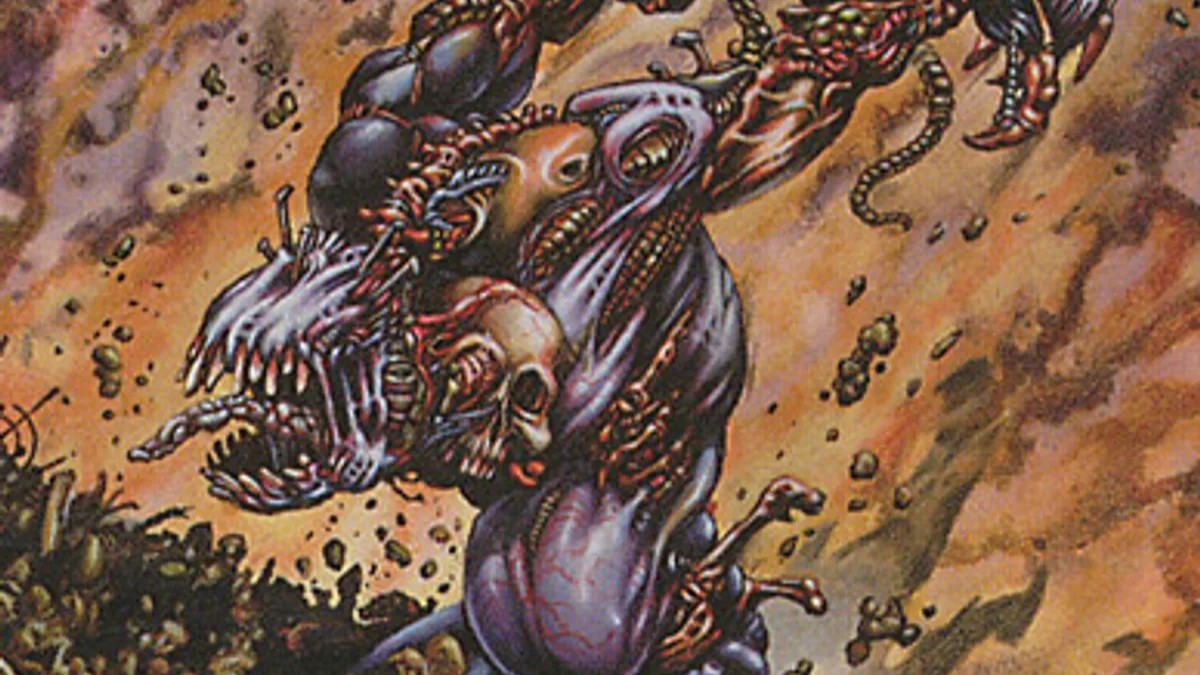
Yawgmoth’s Will Proxies: 4 Good MTG Options

Some cards feel powerful. Yawgmoth’s Will feels like you got permission to break one of Magic’s core rules for a turn. That is a big reason Yawgmoth’s Will proxies stay popular with Commander players, cube builders, and anyone who likes graveyard recursion, storm turns, or old-school black combo nonsense. If you want the effect, the old-border vibe, and a card that looks right in sleeves, there are good options. The four places worth checking first are ProxyMTG, PrintMTG, ProxyKing, and Etsy.

Why Yawgmoth’s Will Proxies Stay Popular

Yawgmoth’s Will is one of those cards that still gets a reaction. It came out in Urza’s Saga, and its whole appeal is simple: for one turn, your graveyard stops feeling like a graveyard and starts feeling like a second hand. That kind of effect scales fast. One cheap spell becomes two. A setup turn becomes a combo turn. And a messy board state suddenly looks very fixable.

That is why Yawgmoth’s Will proxies are not just for one type of player. Some people want one for a high-power Commander deck. Some want it for a cube update. Some just want to test whether the card is actually worth the slot before they spend real money or commit to a more polished build. I think that last group is bigger than people admit.

It also helps that Yawgmoth’s Will has a very recognizable look. The old border, black frame, and Urza’s Saga styling are part of the charm. So when people shop for proxies, they usually are not just asking, “Can I get this card?” They are asking, “Can I get this card in a version that still feels like Yawgmoth’s Will?”

What To Look For In Yawgmoth’s Will Proxies

A good Yawgmoth’s Will proxy does not need to be flashy. It needs to be clean. The black frame should not look muddy. The text should stay sharp. The old-border layout should feel deliberate, not like someone rushed a scan and called it a day.

Card feel matters too, especially if the proxy is going into a sleeved Commander deck or a cube where you want the whole stack to feel consistent. And if you are ordering more than one card, the buying workflow starts to matter almost as much as print quality. A simple one-card checkout is great for singles. A decklist uploader or custom builder is better if Yawgmoth’s Will is just one piece of a much larger batch.

That is really the split between the four best options here. ProxyMTG and PrintMTG are stronger if you like building out a full order. ProxyKing is easier if you want a ready-made single. Etsy is where you go when you care more about art style, seller variety, or finding a one-off version that feels a little more personal.

ProxyMTG Is Great for Fast Print-On-Demand Orders

ProxyMTG makes the most sense for players who want a practical, low-friction order process. Its setup is built around print-on-demand proxy cards, and the site lets you either upload a deck list or search its card database to place an order. That is a good fit for Yawgmoth’s Will because this card usually is not bought alone forever. Today it is Yawgmoth’s Will. Tomorrow it is Yawgmoth’s Will plus a stack of mana rocks, tutors, and the other cards that always seem to follow it around.

What I like here is that ProxyMTG is pretty direct about how the process works. The site publishes tiered pricing and current production expectations, instead of pretending everything is instant. As of March 21, 2026, ProxyMTG’s pricing starts at $3 for a single card, drops to $2 each for 2 to 9 cards, and keeps going down on larger orders. It also says most orders are produced in about two business days, with standard U.S. delivery often landing in roughly 5 to 9 business days total. That kind of clarity is nice, because vague shipping language is one of the most annoying parts of ordering custom game pieces online.

ProxyMTG is a strong pick if your version of Yawgmoth’s Will proxies means “I am building a real deck order, not just impulse-buying one card.” It is also a good option if you want a shop that feels set up for repeat use. Upload list, tweak order, move on. No arts-and-crafts energy required.

PrintMTG Is Best If You Want Builder Tools and Bulk Pricing

PrintMTG is the most flexible option of the four, especially if you like having choices. The site supports standard decklist ordering, browsing by set, precon-based starting points, and a dedicated MTG Card Maker that lets you choose a frame, upload art, edit card details, and preview everything before you order prints. If someone wants a classic old-border Yawgmoth’s Will, that is easy. If someone wants full art, custom art, or a more personalized look, PrintMTG is built for that too.

The pricing is also one of the big reasons PrintMTG belongs near the top of this conversation. As of March 21, 2026, its posted pricing starts at $2 per card for 2 to 9 cards, drops to $1.50 for 10 to 49, $1.00 for 50 to 99, and keeps falling for larger batches. For people who are not just ordering one proxy, that matters a lot. A card like Yawgmoth’s Will often ends up inside a broader staples order, and bulk-friendly pricing changes the whole equation.

PrintMTG also publishes a pretty clear turnaround estimate. Most U.S. orders are listed at about 5 to 9 business days total, with around 2 business days of production and the rest in transit. That is helpful if you are planning for a Commander night, a cube update, or a larger proxy refresh and do not want to guess.

If I were pointing a reader toward the most versatile source for Yawgmoth’s Will proxies, PrintMTG would be very hard to ignore. It is the best fit for people who want builder tools, customization, and pricing that actually rewards larger orders instead of quietly punishing them.

ProxyKing Is the Easy Single-Card Option

ProxyKing is the most straightforward option if you just want to grab a ready-made Yawgmoth’s Will proxy and move on with your day. The site is built like a more traditional product catalog, and that works well for a card like this. You do not need to design anything. You do not need to upload anything. You find the card, add it to cart, and that is basically the job.

When I checked on March 21, 2026, ProxyKing had a live Yawgmoth’s Will product page for the Urza’s Saga version listed at $4.00 and marked in stock. That is exactly the kind of thing some buyers want. No browsing through dozens of art treatments. No “maybe I should rebuild the frame.” Just the classic card, ready to order.

The broader ProxyKing site leans heavily on crisp print quality, familiar dimensions, and a consistent feel in decks. Whether or not that is your top priority depends on how you buy proxies. If you are a singles shopper, it probably should be. A clean, ready-made Yawgmoth’s Will listing is more useful than a giant toolkit if you only need one or two cards.

So if someone asks me where to get Yawgmoth’s Will proxies with the least hassle, ProxyKing is a very fair answer. It feels built for buyers who already know what they want.

Etsy Is Best for Alternate Art and One-Off Finds

Etsy is different from the other three because it is not one shop. It is a marketplace. That means the experience is less uniform, but it also means there is way more room for style.

For Yawgmoth’s Will, that matters. Some players want the old-border look and nothing else. Others want anime art, full-art treatments, holographic finishes, borderless variations, or just something that feels less standard and more “this is mine.” Etsy is where that search gets interesting. When I checked on March 21, 2026, the marketplace had Yawgmoth’s Will proxy listings around $3.49, $3.99, $4.99, and $6.99, with multiple art styles and finishes available.

The downside is obvious. Etsy quality is seller-dependent. One listing might look fantastic. The next might be the kind of thing that makes you squint at the photos and mutter, “yeah, maybe not.” So this is the option where buyer behavior matters most. Check review photos. Read the description. Look for shops with strong ratings or a Star Seller badge. And make sure the version you are buying actually matches the look you want.

The good news is that Etsy does offer Purchase Protection on qualifying orders, which helps if something arrives damaged, late, or badly mismatched to the listing. That does not make every seller equal, but it does make the marketplace easier to use with some confidence.

Etsy is not the cleanest path for everybody. But for one-off Yawgmoth’s Will proxies with specific art direction, it is still one of the best places to look.

Which Yawgmoth’s Will Proxy Option Makes the Most Sense?

If the goal is a straightforward deck order, ProxyMTG is a very solid place to start. It is simple, publishes realistic production timing, and feels built for people who order more than one card at a time.

If the goal is flexibility, PrintMTG stands out. The card builder, set browsing, precon tools, and strong bulk pricing make it the best all-around choice for people who like options and want room to customize.

If the goal is a quick single-card purchase, ProxyKing is hard to beat. The catalog model is easy, and having a dedicated Yawgmoth’s Will listing already live is a big plus.

And if the goal is art-first shopping, Etsy still has the edge. It takes a little more filtering, but the variety is real.

Final Thoughts

Yes, there are good proxies for Yawgmoth’s Will. Better than that, there are good options for different kinds of buyers. ProxyMTG works well for practical print-on-demand orders. PrintMTG is the strongest choice if you want tools and bulk-friendly pricing. ProxyKing is the clean single-card buy. Etsy is where you go when the art itself is part of the reason you are ordering.

If I had to make the recommendation as simply as possible, I would say this: start with PrintMTG or ProxyMTG if you are building a deck, start with ProxyKing if you just want the card, and check Etsy if you want something with more personality. That covers most buyers, and it keeps the search from turning into a three-hour tab spiral. Which, honestly, Yawgmoth would probably approve of.


Social Media

Most Popular

Get The Latest Updates

Subscribe To Our Weekly Newsletter

No spam, notifications only about new products, updates.
On Key

Related Posts

MTG Beginner Box Vs Starter Collection: Which Should New Players Buy?

MTG Beginner Box vs Starter Collection is one of the most useful product questions a new player can ask right now, mostly because the names sound related but the jobs are different. One product teaches you how to play. The other gives you a bigger pile of cards so you can start building decks. Mix those up, and your first purchase can feel either too shallow or way too messy. For the broader learning path, MTG Beginner Guide 2026: How to Start Playing Without Feeling Behind lays out the big-picture onboarding plan, and Which Magic: The Gathering Format Should You Start With Right Now? helps once you are deciding where to actually play after the rules click. The Beginner Box Is A Teaching Tool First The Beginner Box is built for learning, and Wizards is not subtle about that. It is designed to walk players through early games step by step. That matters because a lot of Magic products are technically playable by beginners, but not actually friendly to beginners. Those are different things. The Beginner Box uses themed Jumpstart-style packs, simple onboarding materials, and a setup that is clearly aimed at getting two people from zero to “okay, i think i get combat now.” It also comes with the kind of practical extras new players actually use right away, like playmats, how-to-play guides, and life counters. That makes it the better product for people in these situations: In other words, the Beginner Box is not trying to be your forever card pool. It is trying to make sure your first few games are not miserable. That is a very good thing. Too many new players buy product as if the first goal is “owning cards.” The first goal is understanding the game. Until that part is real, extra cards mostly create extra confusion. The Starter Collection Is Better Once The Basics Already Make Sense The Starter Collection does a different job. Instead of walking you through the rules, it gives you a larger stack of cards, basic lands, boosters, and a deckbuilding booklet so you can start making your own lists. That makes it more of a bridge product. It sits between “i just learned the game” and “i am ready to build with intention.” That difference is huge. The Starter Collection is stronger for players who already know: It is also better for people who get more excitement from deckbuilding than from tutorial structure. Some players are happiest once they can spread out a card pool on the table and start brewing. The Starter Collection is for that crowd. It also helps that the product is fairly substantial. You are not just getting a tiny sampler. You are getting a real base to start building from, plus some boosters, plus a deckbuilding guide. Wizards has also said Foundations stays in Standard until at least 2029, though some Starter Collection support cards are Commander-focused rather than Standard legal. That gives the product more runway than the average beginner purchase. So yes, there is a real case for it. Just not as the first thing for every single new player. MTG Beginner Box Vs Starter Collection Comes Down To Your Actual Situation This comparison gets much easier once you stop asking which box is “better” in the abstract. The real question is which box matches where you are. Buy the Beginner Box when learning the rules is still the main job. That includes players who have watched some videos, played a tutorial, or know what tapping lands means but still need a clean first paper experience. Buy the Starter Collection when the rules are already stable and the next step is building decks from a bigger pool. That is the cleanest way to split it. I think a lot of disappointment comes from buying the Starter Collection too early. New players open a big stack of cards and assume that means more value. Sometimes it does. But when the rules are not settled yet, more cards can just mean more paralysis. You end up sorting, reading, and guessing instead of playing. The reverse mistake happens too. Some players buy the Beginner Box when what they really want is deckbuilding freedom. In that case, the product can feel a little too guided. Not bad. Just too structured for the stage they are already at. What About Welcome Decks, Arena, And Magic Academy? This is where the product decision gets more interesting. Wizards has more than two lanes for new players now. As of April 2026, new mono-color Welcome Decks tied to Secrets of Strixhaven have been announced for participating WPN stores, and Wizards is also offering 60-card Theme Decks with that release. Magic Academy continues to exist as the official learn-to-play event path. And, of course, MTG Arena is still the cleanest solo learning tool for a lot of players. So the better question may be this: What kind of beginner are you? A totally solo beginner often does well starting on Arena first, then moving into the Beginner Box or an in-store learning path. A player with a friend at home does well with the Beginner Box almost immediately. A player who already understands the rules and just needs cardboard to start building is a better match for the Starter Collection. A local-store learner might not need either one first if Welcome Decks or Magic Academy already cover that first step. That is actually good news. It means there is less pressure to force one product to solve every problem. The Most Common Buying Mistakes The first mistake is skipping learning products and going straight to random boosters. Packs are fun. They are not a plan. New players who start there usually end up with a small pile of cards, a foggy idea of deckbuilding, and no real path from point A to point B. The second mistake is treating card count like the same thing as value. A bigger box is not automatically the better beginner purchase. Sometimes

How To Upgrade A Commander Precon Without Wasting Money

Last updated: April 10, 2026 The fastest way to waste money in Commander is to upgrade a commander precon by buying the loudest cards first. That feels fun for about ten minutes. Then you play the deck, miss land drops, do nothing on turn three, and die with a hand full of expensive “upgrades” that never got cast. A precon does not become better because the singles got pricier. It becomes better because the deck functions more often. For social context, Commander Brackets Explained for Regular Players is worth reading before you tune too hard, and MTG Custom Proxies for Commander: What to Personalize First is a nice follow-up once the deck actually feels like yours. Start By Figuring Out What The Deck Is Supposed To Do This sounds obvious, but it is where a lot of upgrade plans quietly fall apart. A precon usually has one clear center of gravity. Maybe it wants to make tokens. Maybe it wants to recur artifacts. Maybe it wants to pile counters on creatures. Maybe it wants to cast big splashy spells after a ramp-heavy start. Whatever the plan is, your first job is to name it in one sentence. Not three sentences. One. “This deck floods the board with tokens, then wins with anthem effects.”“This deck fills the graveyard and reuses value creatures.”“This deck ramps, copies spells, and closes with big turns.” Once you can say that clearly, cuts get easier. Cards that are merely “fine” but do not serve the plan become obvious cuts. A lot of stock precons include those cards on purpose. They need to be broad enough to play decently out of the box and interesting enough for a range of players. That means some slots are there for flavor, range, or variety, not because they are the most efficient thing possible. That is okay. It also means they are the first cards you should be willing to replace. Fix The Mana Base Before Buying Fancy Toys Nobody likes hearing this because lands are boring and splashy mythics are not. But the mana base is where smart upgrades start. When you upgrade a commander precon, the first real jump in quality usually comes from making the deck cast spells on time. Not from making the spells themselves more dramatic. That means looking at three things: A lot of precons can stand to lose their clunkiest lands first. Lands that always enter tapped and do very little else are common cut candidates. The same goes for cute utility lands that look fun but quietly make your opening hands worse. You do not need an absurdly expensive land package to improve a precon. You just need lands that let the deck play its first few turns without tripping over itself. Even budget-friendly duals, better color balance, and a cleaner count of basics can do real work. And here is the annoying truth. Those changes are not glamorous, but they show up every single game. That matters more than a single shiny finisher you draw once every four matches. Ramp And Card Draw Are Usually The Next Upgrades After mana, the next upgrade tier is almost always the engine package. That means ramp and card draw. Precons often include enough of both to function, but not always enough of the right kind. Some lists lean too hard on clunky four-mana ramp. Others give you card draw that is technically present but awkward, slow, or tied to board states you do not always have. Try to ask two questions: How soon does this deck start accelerating?How often can it refill after the first wave of plays? A good precon upgrade path makes both answers cleaner. For ramp, lower-cost options usually matter more than cute late-game burst. You want to spend early turns getting ahead, not casting a card on turn five that says you should have fixed your mana three turns ago. For card draw, repeatable engines usually beat random one-shot fluff. A deck that sees more cards finds its lands, removal, payoffs, and recovery pieces more consistently. That is how you stop a decent precon from running out of steam after one board wipe. I think this is one of the biggest differences between a stock list and a tuned casual list. Tuned decks do not just have stronger cards. They see more of the cards that matter, more often. Tighten The Removal, Not Just The Threats New Commander players love upgrading threats because threats are easy to notice. Bigger creature. Cooler legend. Nicer art. Cleaner story. Removal feels less exciting, so it gets neglected. That is a mistake. A better precon needs a tighter answer package. That means more cards that can remove the things that actually stop your deck from functioning. You do not need to jam the most ruthless interaction possible. But you do need enough of it, and it needs to be flexible enough to matter. That usually means improving: A precon with good threats and weak answers often feels strong only when it is already winning. A better-tuned list still has game when somebody else sticks the scary permanent first. And that is what real improvement looks like. More live draws, more recoverable games, fewer hands where you stare at the board and mutter, “well, that resolves, i guess.” Protect The Deck’s Actual Plan The next smart place to spend money is protection. Not every deck needs a huge protection suite, but most Commander decks benefit from some mix of protection spells, recursion, indestructible effects, counterplay, or ways to survive a wipe and rebuild. This matters even more when your commander is central to the deck. Some precons are basically commander-delivery systems. Without that card in play, the deck becomes a pile of medium cards pretending to be a strategy. When that is your list, protection is not a luxury upgrade. It is structural. The goal is not to become impossible to interact with. The goal is to stop losing the whole game because your

MTG Mulligan Rules Explained For Beginners And Commander

Last updated: April 10, 2026 MTG mulligan rules sound harsher than they really are. New players hear “go down a card” and assume a mulligan means something went wrong. But a mulligan is just part of starting a real game of Magic instead of pretending a bad opener is “probably fine” and then doing nothing for three turns. That is not courage. That is just losing slowly. For a broader new-player path, MTG Beginner Guide 2026: How to Start Playing Without Feeling Behind is a strong companion piece, and Best MTG Arena Modes for New Players in 2026 helps once you are learning on the client instead of at the kitchen table. How MTG Mulligan Rules Actually Work The current system is the London mulligan. In plain English, every time you mulligan, you draw back up to seven cards, then put a number of cards equal to your mulligans on the bottom of your library. So the first mulligan works like this: You draw seven.You do not like it.You shuffle it away and draw seven again.Then, after you decide to keep, you put one card on the bottom. Take another mulligan and you still draw seven, but now you bottom two after keeping. That keeps the process from feeling hopeless, because every new hand still starts at seven cards. You are choosing from a full opener, not staring at a six-card hand and praying. That matters more than people admit. Old mulligan systems could feel brutal. The London version is cleaner. It lets you look for a functional hand, not a fantasy hand, and that is an important difference. There is also one Commander wrinkle people often hear about in half-correct form. In multiplayer games, the first mulligan does not cost you a card. That means in a normal multiplayer Commander pod, your first mulligan is effectively free. You still reshuffle and redraw, but you do not bottom an extra card for that first one. After that, normal London mulligan math kicks in. That is why Commander mulligans often feel gentler than one-on-one Standard, Modern, or most other two-player games. They are gentler. At least at first. What A Keepable Hand Really Looks Like This is where beginners usually make the game harder than it needs to be. A keepable hand is not “a hand with my best card.” It is not “a hand with something cool.” And it is definitely not “a hand that might work if i topdeck exactly one Plains, one red source, and a miracle.” A keepable hand usually has four things: For a lot of decks, that means two to four lands, at least one early play, and access to your main colors. That is it. Nothing glamorous. Just functional. Here is the trap, though. A hand can have lands and still be bad. Five lands plus two expensive spells is usually not a keep unless your deck is built for that sort of nonsense. One land plus six amazing cards is usually still a mulligan. A hand full of cards you technically can cast, but in the wrong order, can also be a trap. MTG mulligan rules reward honesty. If your hand does not meaningfully function in the first few turns, send it back. Commander Mulligan Tips That Actually Help Commander players get into trouble because the format is slower and splashier. That makes people too forgiving. They keep hands like: “Three lands, but wrong colors.”“One land, but Sol Ring fixes everything.”“Two lands, no ramp, and every spell costs five.”“This hand is bad, but my commander is awesome.” That last one gets a lot of people. In Commander, your opening hand should answer a few boring questions before it gets to be clever: Can i make my first three land drops, or at least reasonably expect to?Can i cast ramp, draw, or setup pieces early?Do i have the colors that matter?Am i doing anything before the table has already pulled ahead? Because your first mulligan in multiplayer is free, you do not need to marry a sketchy seven. Use that rule. That is what it is there for. At the same time, do not abuse it by chasing a perfect opener. Commander players sometimes mulligan like they are trying to assemble a highlight reel. That is a good way to turn a decent hand into a desperate six. You are not looking for the nuts. You are looking for a hand that plays Magic. I think this simple Commander test works well: if your hand gives you mana, colors, and one useful thing to do in the first three turns, it is probably keepable. Not exciting. Keepable. That is enough. One-On-One Mulligans Need A Stricter Eye In two-player Magic, especially Standard or Arena, you usually need to be less sentimental. Games are faster. Punishment is quicker. Missing your second land drop or keeping a clunky hand gets exposed harder because there are fewer players to slow the pace and fewer turns for the table to reset the game for you. That means your one-on-one opener should care more about: A two-land hand can be fine. But it depends on what those lands do and what the rest of the hand asks of you. A two-land hand with cheap spells and a smooth curve is normal. A two-land hand where your third color matters on turn three and your first real spell costs four is not nearly as cute as it looks. This is also why beginners tend to learn good habits faster in formats like Standard. Mulligans, curve, and sequencing all matter in a more obvious way. Bad keeps get punished. Good keeps feel stable. The lesson arrives fast. For that bigger format question, Which Magic: The Gathering Format Should You Start With Right Now? helps sort out where those mulligan decisions matter most. The Biggest Mulligan Mistakes New Players Make The first mistake is keeping a bad seven because going to six feels scary. That fear is understandable. It is also wrong

Commander Brackets Explained for Regular Players

Commander brackets explained in plain English is something a lot of regular players needed way sooner than they got it. For years, pregame power conversations in Commander were built on vibes, optimism, and the famous “this is probably like a seven” line, which usually meant absolutely nothing. Then the game starts, one player is casting a goofy tribal deck, another player is tutoring on turn two, and now everybody is pretending they are still having a good time. That is the problem Commander brackets are trying to fix. Not rules confusion. Not deck legality in the usual banned-list sense. Just the very human problem of four people sitting down with wildly different expectations and calling it a match anyway. The short version is that the system is meant to give regular players better language. Not perfect language. Better language. And honestly, that already makes it more useful than the old 1-to-10 power scale. What Commander Brackets Are Actually Trying to Do If you strip away the rollout drama, Commander brackets are a matchmaking tool for expectations. That matters because Commander has always had a weird identity problem. It is casual, but people tune their decks hard. It is social, but people still want to win. It is full of splashy nonsense, but some nonsense is fun and some nonsense means three players stop participating while one player takes a five-minute turn. The bracket system gives that mess some shared vocabulary. Wizards has been pretty direct that this is not supposed to replace Rule Zero. It is supposed to make Rule Zero conversations less useless. That is a big difference. The brackets are not a judge call, and they are not a magic lie detector. If somebody wants to mislabel a deck, the system cannot stop them. But for regular players trying in good faith to find a fair pod, the brackets are a real improvement. And as of the February 2026 update, Wizards said adoption keeps growing in actual pregame conversations. That tracks with what a lot of players are seeing. Even if people do not remember every detail, they at least now have a more useful way to say, “this deck is basically a precon plus upgrades” or “this thing is not cEDH, but it is still coming for your throat.” The Five Brackets in Plain English Here is the version regular players actually need. Exhibition This is the super casual lane. Theme decks, flavor decks, goofy deckbuilding restrictions, and games where the point is more “look what i built” than “watch me assemble the cleanest win line.” If your deck is trying to tell a story more than optimize every slot, you are probably here. Core Core is the average modern precon neighborhood. This is where a lot of regular Commander lives. Decks function, have a plan, produce big turns, and absolutely try to win, but they are not built like a machine looking for the shortest route to the table’s misery. Upgraded This is where a lot of people actually sit, even if they do not love admitting it. These decks are stronger than average precons, more tuned, and more intentional. Your mana is better. Your card quality is tighter. Your deck is doing the thing on purpose. But you are not fully in no-restraints territory. Optimized Now we are in high-power Commander. Faster starts, stronger tutors, cheap combos, and much less patience for clunky pet cards. If your deck is built to fire on all cylinders and you are not really making sentimental cuts anymore, this is probably your lane. cEDH This is not just “very strong Commander.” It is Commander with a competitive mindset. The metagame matters. Card choices are ruthlessly defended. The game is being approached like an actual competitive environment, not just a spicy casual pod. That last distinction matters more than people think. One of the best things the system did was admit that “high power” and “cEDH” are not automatically the same thing. cEDH is a great place to use mtg proxies by the way. What Game Changers Actually Mean Game Changers are the part people obsess over because they are easy to count. The idea is simple. Some cards have such a strong effect on the shape of a Commander game that they deserve special attention even if they are not banned. These are not just “good cards.” They are cards that warp expectations, accelerate too hard, tutor too cleanly, or create play patterns a lot of casual tables actively do not enjoy. That is why the list matters. In practice, the easiest way to think about it is this: Brackets 1 and 2 do not want them. Bracket 3 can include a small number of them. Brackets 4 and 5 are where they stop being a special warning and start being part of the furniture. What catches people off guard is that Game Changers are not the whole system. You cannot just count them and call it a day. Wizards was explicit about that. A deck with zero Game Changers can still belong in a higher bracket if the deck is obviously built to run hot. And a weird theme deck with one unusual card might still belong lower if the table is fine with it and the intent is casual. That is why the brackets work best as language, not math homework. How to Use Commander Brackets at a Real Table This is the part that matters most, because regular players are not writing policy documents. They are trying to start a game. A good bracket conversation does not need to be long. It just needs to be honest. “This is Core, basically a precon with a cleaner mana base.” “This is Upgraded, no fast combo but definitely stronger than a stock precon.” “This is Optimized, lots of tutors, game can end fast.” That is already more useful than “it is like a seven, maybe a seven-and-a-half if i draw well.” You also do not need to