Best MTG Arena Modes for New Players in 2026
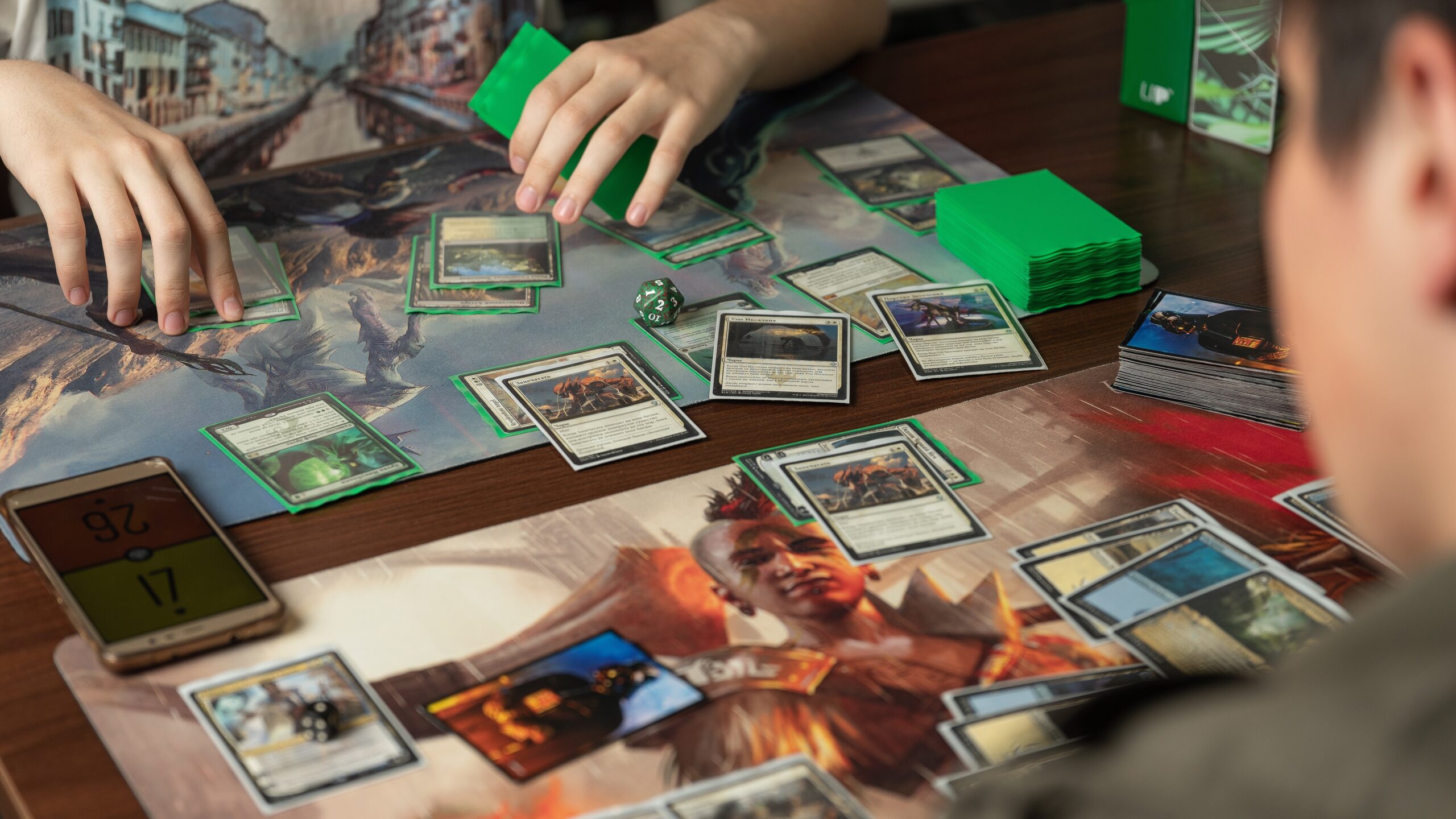
MTG Arena modes for new players can feel like a bad menu joke the first time you open the client. You log in and Arena starts throwing buttons at you like it assumes you already know the difference between Jump In, Quick Draft, Standard, Brawl, Alchemy, and whatever event is glowing today. If that sounds familiar, good. You are normal. The good news is that you do not need to learn every queue. You need to pick the few that actually teach you the game without draining your gold, your patience, or your will to live. In my opinion, the best beginner path on Arena is still pretty simple: learn with starter decks, use Jump In to feel real deck synergy, try Quick MTG Draft when you want reps, and settle into Standard if you want one main format. If you want a broader onboarding path beyond the client, our MTG Beginner Guide 2026 fills in the bigger picture. Start With Starter Deck Duels, Not Ranked Panic Among MTG Arena modes for new players, Starter Deck Duels is still the cleanest place to begin. It is not fancy, and that is exactly why it works. When you are brand new, the hardest part of Magic is not just the rules. It is separating your mistakes from your deck’s mistakes. Ranked Standard does not help with that. If you lose there, you may have misplayed, built poorly, mulliganed badly, or simply run into a tuned list with a cleaner curve than yours. That is a lot of noise. Starter Deck Duels strips out a lot of that noise. You are using prebuilt decks. Your opponents are usually on the same general level. The games teach sequencing, combat, mana usage, and the basic question every Magic turn asks: what matters right now? That sounds small, but it is huge. New players often want to graduate out of these decks too fast because they look temporary. But they are doing real work. They teach you what a control deck feels like when it is behind. They teach you what aggro actually means beyond “play creatures.” They teach you why some hands look fine and still lose because the order is wrong. And that is the whole point. Arena’s training wheels are not glamorous, but they save you from learning the wrong lessons first. Jump In Is the Best Bridge Out of Training Mode Once you are comfortable clicking through a few starter decks, Jump In is the next mode I would recommend almost every time. Jump In is great because it gives you a half-step toward deckbuilding without asking you to build from scratch. You pick themed packets, mash them together, add lands, and play. That means you start seeing actual synergies and archetypes, but you are not staring at a blank deckbuilder wondering why your blue-white pile somehow has six cards that all cost five mana. This is one of the best MTG Arena modes for new players because it teaches pattern recognition. You start noticing that some decks want to curve out and attack. Some want to stall and fly over. Some want graveyard value. Some want sacrifice loops. You get the feel of a plan before you are asked to invent one. It also helps that Jump In is low stress. There is less of that “i paid currency for this so now every mistake hurts more” feeling. You are playing real Magic, but in a softer lane. That matters more than people admit. If you are the kind of player who likes to learn by seeing a bunch of deck shells first, Jump In might be the most useful queue on the whole client. Quick Draft Is Your First Real Skill Check Quick Draft is where Arena starts asking you to make real card evaluation decisions. That sounds scary, but it is actually why I like it for beginners. Compared with Premier Draft or more expensive event structures, Quick Draft is the mode that lets you learn Limited without feeling like every bad pick was a financial event. You draft against bots, build a 40-card deck, keep the cards you take, and play until you hit your win or loss cap. It is still real drafting. It just gives you a slightly softer landing. That softer landing matters because early Draft mistakes are incredibly predictable. New players take expensive cards too highly. They force colors too soon. They underrate removal. They forget their mana curve. They build 43-card decks because cutting cards feels emotionally illegal. Quick Draft gives you room to make those mistakes and then laugh at them later. I also think Quick Draft teaches core Magic faster than some constructed queues do. You learn when to race, when to trade, when to splash, when to stop being cute and just play the efficient creature. You stop asking whether a card is “good” in the abstract and start asking whether it is good in this deck. That is real progress. If you want one early mode that builds actual skill, Quick Draft is probably it. Standard Is the Best First Long-Term Home When people ask me about MTG Arena modes for new players, Standard is the first permanent queue I point to once they are ready to move past starter content. There is a reason for that. Standard is the cleanest mix of normal one-on-one Magic, readable deckbuilding, current card pools, and steady support. It is easier to find decklists. Easier to understand legality. Easier to use the cards you keep seeing in current releases. Easier to carry what you learn from one session into the next. And right now, Standard has one extra thing going for it. 2026 is an unusually friendly entry point. Usually, new players worry about rotation timing and whether they are joining at the wrong moment. But this year is not as awkward as that old pattern made it feel. So if you want to plant your flag in one place, Standard