May 23, 2023

The Latest

Recent Stories

Purified Gems in Pokemon GO

Exploring Purified Gems in Pokemon GO What are Purified Gems and how do I collect them? Purified Gems are unique and valuable items that play a crucial role in the Shadow Raids of Pokemon GO. These Gems have the power to assist Trainers in defeating the formidable Shadow Raid Boss. To obtain a Purified Gem, Trainers must collect Shadow Shards, which can be acquired by triumphing over Team GO Rocket Grunts, Leaders, and even Giovanni in challenging Pokemon Battles. When a Trainer emerges victorious from these battles, they will be rewarded with Shadow Gem Pieces. By obtaining and combining four Shadow Shards, Trainers can craft a potent Purified Gem. It’s important to note that Trainers can hold up to ten Purified Gems in their inventory at a time, ensuring they are well-prepared for upcoming battles. Once a Trainer possesses a Purified Gem, they can deploy it during a Shadow Raid Battle, specifically when the Raid Boss is in an enraged state. The Purified Gem serves as a catalyst, neutralizing the Raid Boss’s heightened aggression and making it more susceptible to defeat. The effectiveness of Purified Gems can be further enhanced by the collective efforts of Trainers, as multiple Gems can be utilized during a single Shadow Raid Battle. By strategically utilizing Purified Gems, Trainers can gain a significant advantage and increase their chances of victory against the powerful Shadow Raid Boss. Source: Official Pokemon GO support page Understanding Shadow Raids in Pokemon GO What are Shadow Raids? Shadow Raids present a captivating twist to the traditional Raid Battles in Pokemon GO. These unique Raid Battles occur at Gyms that have fallen under the control of the notorious Team GO Rocket. Within these Gyms, Trainers will discover Shadow Pokemon acting as the Raid Bosses. Overcoming the shadowy presence and emerging triumphant from these battles grants Trainers an opportunity to capture these special Shadow Pokemon. Unlike standard Raid Battles, Shadow Raids boast varying degrees of difficulty that correspond to the strength of the Shadow Raid Boss. The Raid Egg, hanging above a Gym captured by Team GO Rocket, possesses a distinct purple flame, symbolizing the distinctive nature of a Shadow Raid. As the Raid Egg hatches, the Gym itself transforms, adopting a black hue on the Map. Furthermore, Trainers can easily identify Shadow Raids by locating the purple-flamed Raid Eggs or Raid Bosses within their Nearby menu. Approaching the Gym associated with a Shadow Raid, Trainers will encounter nearby Team GO Rocket Grunts, Leaders, or even Giovanni himself within their range. To participate in a Shadow Raid Battle, Trainers can tap on the Gym and utilize a Raid Pass (please note that Remote Raid Passes cannot be used for Shadow Raids). During the course of the Raid Battle, the Shadow Pokemon may experience a state of rage, heightening its strength and making the battle substantially more challenging. How can Purified Gems aid in Shadow Raids? In the face of an enraged Shadow Pokemon, Trainers equipped with a Purified Gem have a significant advantage. Once the Shadow Pokemon becomes enraged during the battle, a button will appear on the bottom left corner of the Trainer’s screen. By tapping this button, the Trainer can leverage a Purified Gem and subdue the Shadow Raid Boss, causing it to revert to its non-enraged state. This offers a valuable opportunity to regain control and increase the chances of capturing the elusive Shadow Pokemon. To maximize the effectiveness of Purified Gems, collaboration with fellow Trainers becomes crucial. If multiple Trainers simultaneously employ Purified Gems during a Shadow Raid Battle, the combined effect is amplified, greatly enhancing the chances of victory. It is important to stock up on Purified Gems and coordinate with other Trainers to overcome the challenges posed by these fierce Raid Bosses. Rewarding Success and Capturing Shadow Pokemon Successfully defeating a Shadow Raid Boss rewards Trainers with exclusive items and the possibility of capturing the Shadow Pokemon. Comparable to regular Raid Battles, Trainers earn Premier Balls based on their performance during the Raid Battle. These Premier Balls can then be used in a determined attempt to capture the elusive Shadow Pokemon and add it to their collection. By utilizing their strategic skills, adapting their battle strategies, and making intelligent use of their resources, Trainers can emerge victorious in Shadow Raids, secure powerful Shadow Pokemon, and further their mastery of Pokemon GO. Source: Official Pokemon GO support page Frequently Asked Questions 1. Are Purified Gems a one-time use item? No, Purified Gems can be used multiple times in Shadow Raid Battles. A Trainer can carry up to 10 Purified Gems at a time and deploy them strategically to subdue enraged Shadow Raid Bosses. 2. Can I use Remote Raid Passes for Shadow Raids? No, Remote Raid Passes cannot be utilized for Shadow Raids. To participate, Trainers must be physically near the Gym that has been infiltrated by Team GO Rocket. 3. How many Purified Gems can be used in a Shadow Raid Battle? Each Trainer can use up to 5 Purified Gems in a single Shadow Raid Battle. The combined effect of multiple Gems enhances the chances of defeating the Shadow Raid Boss. 4. Can I store more than 10 Purified Gems in my inventory? No, the maximum limit for Purified Gems in a Trainer’s inventory is 10. It is advisable to use or discard excess Gems before attempting to obtain additional ones. 5. What are the benefits of capturing a Shadow Pokemon? Capturing a Shadow Pokemon not only adds a unique and rare Pokemon to a Trainer’s collection but also presents an opportunity for future purifications. Purified Pokemon often possess enhanced statistics and can learn a special Charged Attack called Return, making them formidable battle companions. Conclusion: Pokemon GO introduces the fascinating concept of Shadow Raids, where Trainers can engage in unique Raid Battles against powerful Shadow Raid Bosses. The strategic use of Purified Gems can turn the tide in favor of Trainers, neutralizing the enraging state of Shadow Raid Bosses and increasing the chances

The Seven Deadly Sins: Chronological Viewing Order

Are you an anime fan looking to embark on a captivating, action-filled adventure? Look no further than The Seven Deadly Sins. This popular anime series follows the journey of a group of knights seeking to reunite and protect their kingdom. With its engaging plot, diverse cast of characters, and stunning visuals, The Seven Deadly Sins has captivated anime and non-anime fans alike. However, to get the most out of the series, it’s crucial to watch the episodes in the proper order. By watching the episodes chronologically, the viewer can gain a deeper understanding of the story and characters as events unfold in a cohesive manner. In this article, we’ll guide you through the proper order of The Seven Deadly Sins episodes and movies, exploring each storyline’s important arcs. We’ll also provide details on where to watch the series, ensuring you have all the information you need to start your journey into The Seven Deadly Sins universe. So buckle up, and get ready to immerse yourself in one of the most beloved anime franchises of all time! The Seven Deadly Sins: A Brief Overview The Seven Deadly Sins is a popular anime series that has gained a huge following around the world. The anime is set in a medieval-era world known as Britannia, where humans and non-humans struggle to coexist. The story focuses on the legendary Seven Deadly Sins, a group of knights who were accused of betraying the kingdom but eventually cleared their name. The series follows their journey as they attempt to save the kingdom of Britannia from destruction. The characters in The Seven Deadly Sins are diverse and unique, each with their own distinct personalities and abilities. The Seven Deadly Sins themselves are Meliodas (Dragon’s Sin of Wrath), Diane (Serpent’s Sin of Envy), Ban (Fox’s Sin of Greed), King (Grizzly’s Sin of Sloth), Gowther (Goat’s Sin of Lust), Merlin (Boar’s Sin of Gluttony), and Escanor (Lion’s Sin of Pride). Each character has their backstory and plays a crucial role in the overall plot of the story. The antagonists are also intriguing, with the Ten Commandments and Demon King providing a formidable challenge to The Seven Deadly Sins. The universe of The Seven Deadly Sins is vast, with several seasons, movies, and spin-offs. The anime series takes place in a world full of magic, where humans and non-humans coexist and fight for their survival. The Seven Deadly Sins are not the only group of knights in the world, and several other factions and characters add depth to the overall story. Overall, The Seven Deadly Sins anime is a captivating and fascinating story full of magic, action, and adventure. Whether you are a newcomer to the series or a long-time fan, the plot, characters, and universe of The Seven Deadly Sins are sure to leave a lasting impression. The Chronological Order of The Seven Deadly Sins If you’re looking to dive into The Seven Deadly Sins for the first time, It’s essential to watch it in the right order. As a fan of the anime or manga, some arcs might get confusing if watched out of order or missed out on. Spanning across multiple seasons and movies, watching The Seven Deadly Sins chronologically gives a deep appreciation for the series’ storyline and its characters. The storyline follows the Seven Deadly Sins’ adventures and their relationship with the Kingdom of Liones. The series’s chronology allows us to see the character development and the story’s full impact. Knowing how each arc correlates with each other and in the story’s grand scheme is crucial to fully grasp the tale. Here is the numbering system you should follow: 1. The Seven Deadly Sins: Signs of Holy War (four-part OVAs) 2. The Seven Deadly Sins Season 1 (24 episodes) 3. The Seven Deadly Sins: Prisoners of the Sky (movie) 4. The Seven Deadly Sins Season 2 (24 episodes) 5. The Seven Deadly Sins Season 3 – Wrath of the Gods (24 episodes) Keep in mind that the numbering might differ between different streaming services; therefore, ensure you’re following the correct numbering system. By following this numbering system, you’ll get to witness every character’s development in-depth. You will comprehend the importance of each arc and understand each conflict’s significance while experiencing The Seven Deadly Sins’ universe. Where to Watch The Seven Deadly Sins Chronologically The Seven Deadly Sins anime series has captivated many viewers worldwide with its epic storyline and compelling characters. If you plan to watch the series in chronological order, it is essential to know where to find it. Here is a guide on where you can watch The Seven Deadly Sins, including the new movie – Cursed by Light. Streaming Services The Seven Deadly Sins anime series is available for streaming on various platforms, including Netflix, Amazon Prime, and Hulu. However, the availability of the series may differ, depending on your location. Depending on where you reside, you may need to use a VPN to access the complete series. In countries where the series is not available, you may need to download it through a reliable online streaming service. How to Access and Watch The Seven Deadly Sins If you already have access to a streaming platform that provides The Seven Deadly Sins series, you can start by searching for it in the platform’s search bar. You can either watch it in Japanese with English subtitles or the dubbed version, which is available in English. Once you find the series, we recommend you watch it in the correct numerical order to avoid any confusion. For guidance, you can read our detailed explanation of the chronological order in the earlier sections of the article. The new movie – Cursed by Light The Seven Deadly Sins: Cursed by Light movie was released in Japan on July 2, 2021, and it is now available globally on Netflix. The animated movie was produced by Studio Deen, the same animation studio that produced all previous Seven Deadly Sins series. Cursed by Light is set in the timeline

Chrono Cross | Sony Retro Video Review

Chrono Cross is a beloved classic video game that has captured the hearts and minds of gamers for decades. Developed by Square Enix and released in 1999 for the Sony PlayStation console, Chrono Cross has left a lasting impact on the gaming industry. This iconic game has received critical acclaim for its immersive gameplay, memorable characters, and intricate storyline. As video game enthusiasts, we felt compelled to delve deeper into the world of Chrono Cross and explore its many layers, from its background and history to its gameplay, graphics, and story. In this article, we will provide you with a comprehensive overview and review of Chrono Cross and give you an honest and detailed assessment of its features and capabilities as a retro video game experience. Our mission is to help you better understand what makes Chrono Cross such a beloved classic, and how it can be enjoyed by gamers of all ages and backgrounds. Background and History Chrono Cross is a timeless classic that has captured the hearts of gamers worldwide. Developed by Square (now Square Enix), the game was released for the PlayStation in 1999. It was created as the sequel to Chrono Trigger, one of the most influential games of all time. This role-playing video game was directed by Masato Kato and produced by Hiromichi Tanaka, both of whom worked on Chrono Trigger. The team was passionate about building upon the revered franchise, and they achieved that goal with flying colors. Upon release, Chrono Cross was a commercial success, with over three million copies sold worldwide. The game received widespread critical acclaim, achieving a score of 94 out of 100 on Metacritic. It was praised for its immersive universe, superior narrative, magnificent graphics, and enchanting soundtrack. Fans and critics alike were captivated by the game’s intricate storyline, an array of memorable characters, and the dual-world system. There was also an extensive collection of puzzles to solve and secrets to discover, which added to the game’s longevity. Overall, Chrono Cross remains one of the most beloved RPGs of all time. Its legacy is still felt over two decades after its release, continually drawing new fans into its captivating universe. Gameplay Chrono Cross’s gameplay mechanics revolutionized the JRPG genre when it was released nearly two decades ago and remain innovative even today. The game features a unique combat system that rewards strategic thinking over button mashing, which is something that sets it apart from other games in the genre. Players are able to build powerful teams by recruiting over 40 playable characters, each with unique stats and abilities. The strategy of combining party members in clever and creative ways offers an incredibly deep and engaging gameplay experience. The battles in Chrono Cross use a stamina system in which players build up their characters’ stamina to execute powerful attacks, heal party members, run away, or defend themselves. The system is not only easy to understand but provides an underlying layer of depth to the combat that keeps it fresh and exciting. However, Chrono Cross is not perfect when it comes to gameplay. It suffers from pacing issues, with sections that can feel slow or tedious at times. There are also certain points where the difficulty curve spikes abruptly, which can be jarring for some players. Despite its flaws, it’s hard to deny just how special Chrono Cross’s gameplay is. The game’s unique battle system, deep character customization, and rewarding combat rewards players who take the time to plan and strategize. Chrono Cross shines in terms of gameplay and is an example of how a game can revolutionize a genre and have an impact that persists to this day. Graphics and Sound Design Chrono Cross was a visually impressive game when it was first released in 1999, and its graphics still hold up quite well today. The beautiful backgrounds and detailed character designs used in the game lend themselves well to creating a truly immersive experience. One of the most remarkable aspects of Chrono Cross’ graphics, especially for its time, was the game’s use of vibrant colors. The characters and environments were brought to life with bright, striking color schemes that helped to create a truly remarkable world. Even after all these years, the game’s aesthetic feel is still appreciated. Overall, the graphics of Chrono Cross have aged well, maintaining an excellent level of quality even after its release throughout the past several decades. As for the game’s sound design, the use of music and sound effects go a long way in creating an engaging gameplay experience. The orchestral soundtrack composed by Yasunori Mitsuda is truly unforgettable because it seamlessly blends with the game to produce a dynamic atmosphere. Aside from the music, the sound effects that accompanied everything from combat to dialogue were of the highest quality. They add depth to the story and truly immerse the player in the game’s world. In conclusion, the graphics and sound design of Chrono Cross were ahead of their time and set a benchmark for future games in the industry. Today, they still manage to impress with their visual and auditory elements. Story and Narrative Chrono Cross features a compelling and intricately woven storyline. Developers Square Enix and Masato Kato created a complex and emotional narrative that unfolds across a variety of locations and time periods. The game tells the story of a young man named Serge who finds himself caught in a parallel universe. Along the way, he encounters a cast of unique and interesting characters, each with their own motivations and backstories. The relationship between Serge and his supporting cast is at the core of the game’s storytelling. The themes of choice, fate, and identity are expertly explored in Chrono Cross. The game manages to balance the light and dark elements of its narrative, making it all the more engrossing. The storyline is not all serious though- there are moments of levity peppered throughout that help to create a well-rounded experience. One of the game’s standout features is the level

NCAA Football 2005 | Retro Video Game Review

Welcome to our review of NCAA Football 2005 for Xbox – a classic retro video game that has withstood the test of time. This game was released over 15 years ago in July 2004, and we’re excited to delve into it and provide a comprehensive overview, history, and review. The game is aimed at a target audience of high school education level or higher and is one of the most appreciated football video games ever made. NCAA Football 2005 provides gamers with a realistic college football experience, offering various game modes, including dynasty, playoffs, and mascots. The purpose of this article is to provide an in-depth analysis of the gameplay, graphics, story, sound design, replayability, and difficulty of the game, ultimately giving it a score on the range of 1 to 10. Whether you’re a football fan looking for classic retro games or a gamer interested in trying out an enjoyable football game, this review will go in-depth and provide you with all you need to know about NCAA Football 2005. So let’s get started! Game Overview NCAA Football 2005 is a classic sports video game that was released in 2004 by EA Sports for the Xbox console. The game is known for its unique features such as Mascot Mode, where players can compete as college mascots. The game also features Dynasty mode, providing players with in-depth control over their own college football team. Players can participate in various game modes, including Exhibition, Season, Playoffs, and Bowl Championship Subdivision. Each mode is designed to bring out the best football game experience. The graphics of the game are typical of the Xbox, which was newly released at that time. However, while playing the game today, the graphics do not meet modern-day expectations but still retain their classic charm. The game’s controls are intuitive and easy to learn, allowing players to learn the gameplay mechanics quickly. Several comprehensive tutorials are available for players who are new to the game. Once the controls are mastered, the game becomes more challenging, with an increasingly competitive artificial intelligence system. NCAA Football 2005 offers various gameplay mechanics centered around creating a complete football experience. With its comprehensive playbook, players can choose their strategy, positions, and play style. There is a balanced play-calling system that influences the type of plays available throughout the game. It also features a multiplayer mode, allowing players to play with their friends on a shared screen. In essence, NCAA Football 2005 combined the thrill of college sports with the seamless gameplay and features found in the latest sports games. The History of NCAA Football NCAA Football is an American football video game series that has been around since 1993. The franchise is developed and published by Electronic Arts (EA), a renowned video game company that has brought many popular titles to life. During the release of NCAA Football 2005, the game was significant and relevant in the world of sports video games. This was because EA introduced innovative game features and modes that were not previously present in earlier versions of the game. For example, NCAA Football 2005 was the first time that EA introduced the “race for the Heisman Trophy mode.” Critics and gamers viewed the game positively when it was released. The game received a rating of 8.7 out of 10 from GameSpot and an 8.8 out of 10 from IGN. NCAA Football 2005 received praise for its improved graphics, gameplay mechanics, and the implementation of several new features that added to the overall gaming experience. The NCAA Football franchise was appreciated by players who enjoyed college football. It continued to gain popularity and following with each subsequent release. Although there was no new version of the NCAA Football franchise after 2013, the game still remains relevant in the hearts of avid football video game enthusiasts. Gameplay Mechanics NCAA Football 2005 is regarded as a classic in the sports video game genre, and its gameplay mechanics are a big reason for its success. One of the standout features of the game is the revolutionary “Race for the Heisman” mode, which allows players to create a college football athlete and guide them through their career until they finally win the Heisman Trophy. The mode was a huge success at the time and is still considered one of the franchise’s best features. The game’s gameplay mechanics have come a long way since its release in 2004. Alongside the “Race for the Heisman” mode, there are classic game modes such as “Dynasty” and “Play Now.” The gameplay mechanics have become more modernized with features like the QB Vision Control, which allows players to improve their quarterback’s accuracy by looking at the open receivers. The gameplay in NCAA Football 2005 has aged gracefully, and even in 2021, it still holds up compared to modern sports video games. The gameplay mechanics in NCAA Football 2005 are easy to learn but difficult to master. Skillful gameplay is essential to success, and the game emphasizes the importance of good ball control, accuracy, and timing. NCAA Football 2005 is a testament to how gaming technology has changed over the past decades, but its gameplay remains as captivating as ever. Graphics NCAA Football 2005 was released in 2004 and was available on consoles like PlayStation 2, Xbox, and Nintendo GameCube. During the time of its release, the graphics were considered cutting edge and adequate when compared to other sports games released around that time. However, almost two decades later, it’s easy to see how much the graphics have evolved in modern games. One significant strength of the graphics in NCAA Football 2005 is how clean and detailed they appear, considering the technological limitations at the time of release. The grass texture, for instance, stands out as a notable detail in contrast with other sports games of the same period. On the other hand, modern-day gaming enthusiasts might find the graphics to be quirky and outdated. The player models are not as polished as they are in the contemporary-day,

Social Media

New From Game-Revolution

Get The Latest Updates

Subscribe To Our Weekly Newsletter

No spam, notifications only about new products, updates.

Categories

Trending

Most Popular Stories

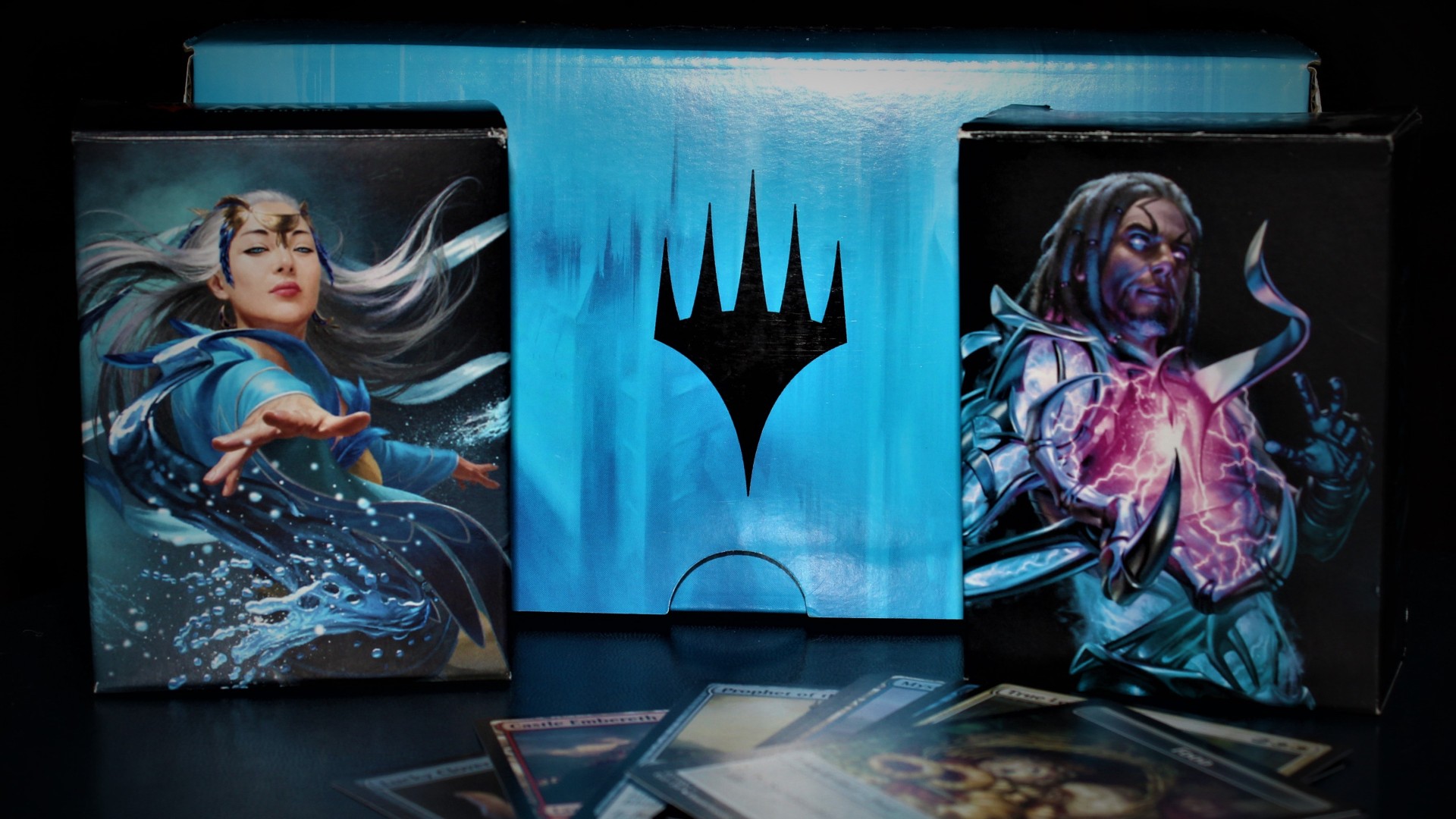
Are There Good Vampiric Tutor Proxies for MTG?

Yes. There are good proxy options for Vampiric Tutor. But most players are not really asking whether a proxy exists. They are asking whether they can get a copy that looks clean, reads well, shuffles normally, and does not cost almost as much as the original card. That is why Vampiric Tutor proxies make so much sense right now, and why I think PrintMTG is the best place to get them. Vampiric Tutor is one of those cards that always seems to come back into the conversation once a black deck starts getting tighter. It is cheap to cast, instant-speed, and it finds exactly what you need. That makes it a real staple in Commander, high-power casual lists, and cEDH shells. The issue, of course, is price. Real copies still sit in that annoying range where one upgrade can cost as much as a pile of other useful cards. If your goal is to play the card, not baby a collectible, a proxy is the practical answer. Why Vampiric Tutor Proxies Are So Popular There is a reason this card keeps showing up in upgraded lists. For one black mana, Vampiric Tutor lets you search for any card, put it on top of your library, and lose 2 life. That is a tiny cost for a huge amount of flexibility. Need a combo piece? Get it. Need a board wipe next turn? Get it. Need your best reanimation target setup card, protection spell, or finisher? Same answer. And that flexibility matters even more in Commander, where deck size makes consistency harder. A one-mana tutor turns your deck into a much more reliable machine. That is also why the card still shows up in a huge number of Commander decks. It is not a narrow tribal card or some weird niche tech piece. It is just broadly strong. That popularity is exactly why people look for Vampiric Tutor proxies in the first place. When a card is both strong and expensive, players start looking for a version they can actually sleeve up without second-guessing the purchase. What Makes a Good Vampiric Tutor Proxy Not all proxies are equal. Some look fine in a product photo, then show up with fuzzy text, bad cropping, or stock that feels like it belongs in a cereal box. That gets old fast. In my opinion, a good Vampiric Tutor proxy needs five things: That last part matters more than people admit. You are going to see this card a lot. If you love old border, you should print an old-border version. If you want a clean Commander Legends look, do that. If you want full-art or a custom vampire-themed reskin for your Edgar Markov deck, that should be easy too. A lot of cheap routes fall apart on one of those points. Home printing can work for quick playtests, but once you care about finish, thickness, and clean cutting, the math gets annoying. Ink is not free. Cardstock is not free. And one crooked cut later, the “cheap” option suddenly feels less cheap. Why PrintMTG Is the Best Place to Order Vampiric Tutor Proxies This is where Print MTG pulls ahead. First, the workflow is simple. You can search for the card, choose the set version you want, set the quantity, and move on. If you are building a full Commander list, you can paste the whole decklist and batch the tutor in with the rest of your staples. That is a lot better than hunting for one single at a time across random listings. Second, the materials are actually built for table use. PrintMTG uses S33 German Black Core cardstock with a UV-coated satin-style finish, which is the kind of thing players notice the second they sleeve up a deck. The cards feel more like real game pieces, not throwaway placeholders. Third, PrintMTG is strong on price. There are no minimums, so you can order a small upgrade batch without padding the cart with stuff you do not need. And once you start adding more staples, the per-card pricing drops fast. That matters because almost nobody stops at just one tutor. Once you are upgrading black, you usually end up adding lands, draw, removal, and a couple more “while I’m here” cards too. Fourth, you are not boxed into one look. If you want a normal readable version, you can print that. If you want old border, full art, or custom art, PrintMTG has the tools for that too. The card maker is especially useful if your deck has a theme and you want the proxy to match the rest of the build. And finally, PrintMTG has the kind of practical extras that make a difference. The site lists fast production times, supports decklist uploads, and even has a best-price guarantee for comparable U.S. orders. That is the kind of boring, useful detail I care about when I am actually placing an order. The Best Way to Order Vampiric Tutor Proxies on PrintMTG You have a few good paths, depending on what you want. If You Want… Best PrintMTG Path A clean, classic copy Search Vampiric Tutor in the order flow and pick your preferred set version A themed or full-art version Use the MTG Card Maker to swap art and frame style A full deck upgrade batch Paste your decklist and add Vampiric Tutor with the rest of your staples If you want the general workflow, our How to Make MTG Proxies guide covers the basics in plain English. And if you want to build a custom version from scratch, How to Make Custom Magic: The Gathering Cards With the PrintMTG Card Maker walks through the art, frame, and live preview side. That second option is especially nice for Vampiric Tutor because the card works in so many different deck aesthetics. A clean black frame works. A retro old-border version works. A full-art spooky reskin also works. This is one of those staples that can look as serious or as dramatic as

Yawgmoth’s Will Proxies: 4 Good MTG Options

Some cards feel powerful. Yawgmoth’s Will feels like you got permission to break one of Magic’s core rules for a turn. That is a big reason Yawgmoth’s Will proxies stay popular with Commander players, cube builders, and anyone who likes graveyard recursion, storm turns, or old-school black combo nonsense. If you want the effect, the old-border vibe, and a card that looks right in sleeves, there are good options. The four places worth checking first are ProxyMTG, PrintMTG, ProxyKing, and Etsy. Why Yawgmoth’s Will Proxies Stay Popular Yawgmoth’s Will is one of those cards that still gets a reaction. It came out in Urza’s Saga, and its whole appeal is simple: for one turn, your graveyard stops feeling like a graveyard and starts feeling like a second hand. That kind of effect scales fast. One cheap spell becomes two. A setup turn becomes a combo turn. And a messy board state suddenly looks very fixable. That is why Yawgmoth’s Will proxies are not just for one type of player. Some people want one for a high-power Commander deck. Some want it for a cube update. Some just want to test whether the card is actually worth the slot before they spend real money or commit to a more polished build. I think that last group is bigger than people admit. It also helps that Yawgmoth’s Will has a very recognizable look. The old border, black frame, and Urza’s Saga styling are part of the charm. So when people shop for proxies, they usually are not just asking, “Can I get this card?” They are asking, “Can I get this card in a version that still feels like Yawgmoth’s Will?” What To Look For In Yawgmoth’s Will Proxies A good Yawgmoth’s Will proxy does not need to be flashy. It needs to be clean. The black frame should not look muddy. The text should stay sharp. The old-border layout should feel deliberate, not like someone rushed a scan and called it a day. Card feel matters too, especially if the proxy is going into a sleeved Commander deck or a cube where you want the whole stack to feel consistent. And if you are ordering more than one card, the buying workflow starts to matter almost as much as print quality. A simple one-card checkout is great for singles. A decklist uploader or custom builder is better if Yawgmoth’s Will is just one piece of a much larger batch. That is really the split between the four best options here. ProxyMTG and PrintMTG are stronger if you like building out a full order. ProxyKing is easier if you want a ready-made single. Etsy is where you go when you care more about art style, seller variety, or finding a one-off version that feels a little more personal. ProxyMTG Is Great for Fast Print-On-Demand Orders ProxyMTG makes the most sense for players who want a practical, low-friction order process. Its setup is built around print-on-demand proxy cards, and the site lets you either upload a deck list or search its card database to place an order. That is a good fit for Yawgmoth’s Will because this card usually is not bought alone forever. Today it is Yawgmoth’s Will. Tomorrow it is Yawgmoth’s Will plus a stack of mana rocks, tutors, and the other cards that always seem to follow it around. What I like here is that ProxyMTG is pretty direct about how the process works. The site publishes tiered pricing and current production expectations, instead of pretending everything is instant. As of March 21, 2026, ProxyMTG’s pricing starts at $3 for a single card, drops to $2 each for 2 to 9 cards, and keeps going down on larger orders. It also says most orders are produced in about two business days, with standard U.S. delivery often landing in roughly 5 to 9 business days total. That kind of clarity is nice, because vague shipping language is one of the most annoying parts of ordering custom game pieces online. ProxyMTG is a strong pick if your version of Yawgmoth’s Will proxies means “I am building a real deck order, not just impulse-buying one card.” It is also a good option if you want a shop that feels set up for repeat use. Upload list, tweak order, move on. No arts-and-crafts energy required. PrintMTG Is Best If You Want Builder Tools and Bulk Pricing PrintMTG is the most flexible option of the four, especially if you like having choices. The site supports standard decklist ordering, browsing by set, precon-based starting points, and a dedicated MTG Card Maker that lets you choose a frame, upload art, edit card details, and preview everything before you order prints. If someone wants a classic old-border Yawgmoth’s Will, that is easy. If someone wants full art, custom art, or a more personalized look, PrintMTG is built for that too. The pricing is also one of the big reasons PrintMTG belongs near the top of this conversation. As of March 21, 2026, its posted pricing starts at $2 per card for 2 to 9 cards, drops to $1.50 for 10 to 49, $1.00 for 50 to 99, and keeps falling for larger batches. For people who are not just ordering one proxy, that matters a lot. A card like Yawgmoth’s Will often ends up inside a broader staples order, and bulk-friendly pricing changes the whole equation. PrintMTG also publishes a pretty clear turnaround estimate. Most U.S. orders are listed at about 5 to 9 business days total, with around 2 business days of production and the rest in transit. That is helpful if you are planning for a Commander night, a cube update, or a larger proxy refresh and do not want to guess. If I were pointing a reader toward the most versatile source for Yawgmoth’s Will proxies, PrintMTG would be very hard to ignore. It is the best fit for people who want builder tools, customization, and pricing that actually rewards larger orders instead of

MTG Custom Proxies for Commander: What to Personalize First

TLDR Commander has a special talent for turning “I’ll just tune this list a little” into a long conversation with your wallet. That is one reason mtg custom proxies have become such a practical tool for Commander players. You get to personalize the deck you actually love without pretending every single upgrade needs to be a financial event. And Commander is where customization actually matters. This is a format built around identity. Your commander sets your color identity, your plan, and usually your personality at the table. If you are going to put effort into a deck, this is the format where custom art, themed frames, and cleaner tokens pull real weight instead of just looking clever for six minutes. Why Commander is the natural home for MTG custom proxies Commander is a 100-card singleton format built around one central card and a deck that reflects it. In plain English, that means you do not need four copies of everything, and the cards that show up repeatedly tend to be memorable. Your commander gets cast over and over. Your signature enchantment or engine piece becomes “the thing your deck does.” Your token swarm spreads across the table like it pays rent there. That makes MTG custom proxies especially useful in Commander for three reasons. First, each slot is more visible. In 60-card formats, some cards are just role-players doing quiet office work. In Commander, the big pieces are often literal conversation starters. Second, Commander players tend to care about theme. Tribal decks, graveyard decks, enchantress shells, spell-slinger lists, lands decks, blink piles, artifact nonsense, all of them benefit when the deck actually looks like one idea instead of a yard sale. Third, Commander games run long enough that readability matters. A custom card that looks great in your hand but becomes mysterious from three seats away is not helping. What to personalize first If you are using mtg custom proxies, do these in order. 1. Your commander This is the easy one. Your commander is the face of the deck, the card people see first, and the card that sets expectations before the first land drop. If you only customize one card in the whole deck, make it the commander. This is also where style choices matter most. If your deck is gothic, lean into it. If it is cozy Selesnya tokens, let it look warm and bright. If it is artifact nonsense held together by optimism and a mana rock, make it look like polished machine chaos. Your commander should tell the truth about the deck. 2. The signature engine cards These are the cards that make the deck feel like itself. Not generic staples. The actual glue. Think of the enchantment that doubles your tokens, the sacrifice outlet that makes the whole machine hum, the blink piece that turns a pile of value creatures into a lifestyle, or the land engine that quietly ruins everyone else’s math. Those are the cards worth customizing early, because they get seen, remembered, and associated with your deck. A good rule is simple. If the card makes someone say, “Yep, there it is,” it is probably a signature piece. 3. Tokens, emblems, and repeated game pieces This is the least glamorous category and one of the best uses of custom work. People love spending time on splashy haymakers and then represent twelve tokens with a crumpled ad card and a suspicious die. It is a very real part of the Commander experience. It is also terrible. Custom tokens do two things at once. They make the board cleaner, and they reinforce the deck’s theme. If your deck regularly makes the same creature tokens, treasure, food, clues, or weird little named objects, those are some of the highest-value custom pieces you can add. You will feel the difference immediately. Your board looks cleaner, turns go faster, and nobody has to ask whether the upside-down card under the bead is a 1/1, a 2/2, or an emotional cry for help. 4. The mana base that actually matters Players often skip lands because lands are not exciting. That is exactly why they matter. Your lands show up every game. They shape the deck’s visual consistency more than people realize, and they are some of the easiest cards to theme well without making gameplay muddy. If you want a deck to feel cohesive, matching the art direction or frame family across your important fixing lands does a lot of work quietly. The key word there is quietly. Lands should look good, but they should still scan as lands at a glance. 5. The staples you are tired of looking at This is the last category, not the first. Yes, the format has recurring all-stars. Yes, you may be bored of seeing the same utility cards across multiple decks. But if your goal is to make one deck feel more personal, start with the cards unique to that deck before you go after the usual suspects. Otherwise, you end up with a fancy version of the same generic shell. Which is still better than nothing, but not by much. A good, better, best plan Here is the most practical framework I know. Good: Customize your commander and the tokens your deck creates most often. This gives you the biggest visual payoff with the least effort. It also makes the deck more enjoyable to pilot right away. Better: Add your signature engine pieces and your most important lands. Now the deck starts to feel deliberate. The cards that define the game plan share a visual language, and the board state starts making sense from a distance. Best: Build a fully cohesive deck package. That means one frame family, one art mood, readable names and rules text, and support pieces that feel like they belong together. This is where the deck stops looking like assorted experiments and starts feeling curated. What do you give up by going further? Time, mostly. And restraint. Restraint is always the first casualty.

Commander Brackets in MTG Explained for Normal People

Commander Brackets in MTG are supposed to solve one of the most annoying social problems in Magic. Not rules confusion. Not mulligans. Not the guy who “forgot” his dockside-level deck was too strong for the pod. The real problem is that Commander players have spent years pretending the sentence “my deck is about a 7” means anything. It does not. It never did. It was basically horoscope language for cardboard. That is why Commander Brackets in MTG matter. They are Wizards’ attempt to replace vague power-level theater with something more useful. Not perfect. Not legally binding. But useful. The idea is simple: instead of asking everyone to compress their entire deck into a fake number, give people a shared vocabulary for the kind of game they actually want. And that part is important. The brackets are not really about raw strength. They are about expected experience. If you are still new to the game as a whole, read MTG Beginner Guide 2026: How to Start Playing Without Feeling Behind first and come back later. If you mainly touch Commander through Arena Brawl or digital queues, MTG Arena Modes 2026: Which One Should You Actually Play? is also worth a look. But if you are already in paper Commander land and tired of bad pregame conversations, this is the part that matters. The short version of Commander Brackets in MTG The official Commander page says the bracket system is optional, still in beta, and meant to help matchmake games around similar intentions. That is the cleanest way to think about it. This is a social tool. Not a deck check. Not a tournament policy. Not a magical truth machine. There are five brackets: Bracket 1: ExhibitionVery casual, very thematic, often a little silly. Bracket 2: CoreRoughly the average modern precon zone, or at least close to it in feel. Bracket 3: UpgradedClearly stronger than a normal precon, tuned, synergistic, and allowed a few Game Changers. Bracket 4: OptimizedHigh-power Commander. Strong tutors, fast mana, explosive starts, efficient wins. Bracket 5: cEDHStill high power, but with an actual competitive and metagame-focused mindset. That is the skeleton. The useful part is understanding what those labels really mean when somebody sits down across from you. Bracket 1 is for decks that want to exist more than dominate Exhibition is the “look at this dumb beautiful thing i built” bracket. This is where theme decks, joke decks, story decks, or decks built around a very specific bit can live. Maybe everything has one creature type. Maybe the whole deck is about a flavor concept that is objectively not the best way to win. Maybe the point is not really to win at all, or at least not quickly. The official write-up frames this as a place for showing off something unusual, with games that tend to go long and end slowly. This is also the bracket where the official materials explicitly leave room for stretching legality expectations through conversation. Un-cards, goofy exceptions, weird table agreements, that sort of thing. That does not mean anything goes by default. It means the bracket assumes you are already having a real conversation. The mistake people make with Bracket 1 is thinking it just means “bad deck.” Not exactly. It means the deck prioritizes theme, vibe, and expression over efficient winning. That is different. Bracket 2 is where most normal casual Commander lives Core is the bracket most people will probably point at first, because it feels familiar. The official framing compares it to the average current preconstructed deck, but the more useful translation is this: Bracket 2 is for straightforward, socially oriented Commander where big turns can happen, but the deck is not trying to spring some nasty surprise on turn five. Games are supposed to breathe. Win conditions are more telegraphed. The whole thing is lower pressure. This is where a lot of casual home games belong. A lightly upgraded precon can still feel Bracket 2. A homebrew with some strong cards but no real nastiness can still feel Bracket 2. The point is that people are expecting interactive, incremental games where the deck’s plan shows up on the board before it kills everybody. There are also guardrails. No Game Changers. No intentional two-card infinite combos. No mass land denial. Extra turns are supposed to be sparse and not chained. Tutors are supposed to be light. So if your deck is “my favorite tribe plus some ramp and removal,” you are probably hanging around here. Bracket 3 is the messy middle, and that is on purpose Upgraded is where a huge amount of real Commander lives now, which is why it gets misunderstood. Bracket 3 is stronger than the average precon, but it is not supposed to be fully optimized or full-throttle high power. These decks are tuned. The bad cards are mostly gone. Synergy matters. Card quality matters. The deck can disrupt opponents and close games harder. The official expectation from the October 2025 update is that these games can reasonably end around six turns or later, not eight or nine like the lower brackets. And this is where Game Changers enter the picture. Bracket 3 is allowed up to three of them. That one detail is why Bracket 3 causes so much table friction. Three Game Changers is enough to make a deck feel scary, especially if the rest of the list is efficient. But it is also not supposed to be the “anything goes” bracket. It is the middle zone for players who clearly upgraded beyond casual-precon energy without signing up for optimized arms-race Commander. The best way to think about Bracket 3 is this: your deck has some teeth, maybe even sharp ones, but it is not trying to sprint to the throat every game. Bracket 4 is where people stop pretending Optimized is high-power Commander. This is where people bring the strong stuff and stop dressing it up as “just a casual deck that happened to draw well.” The official description is