Social Media Impact: History of Major Platforms

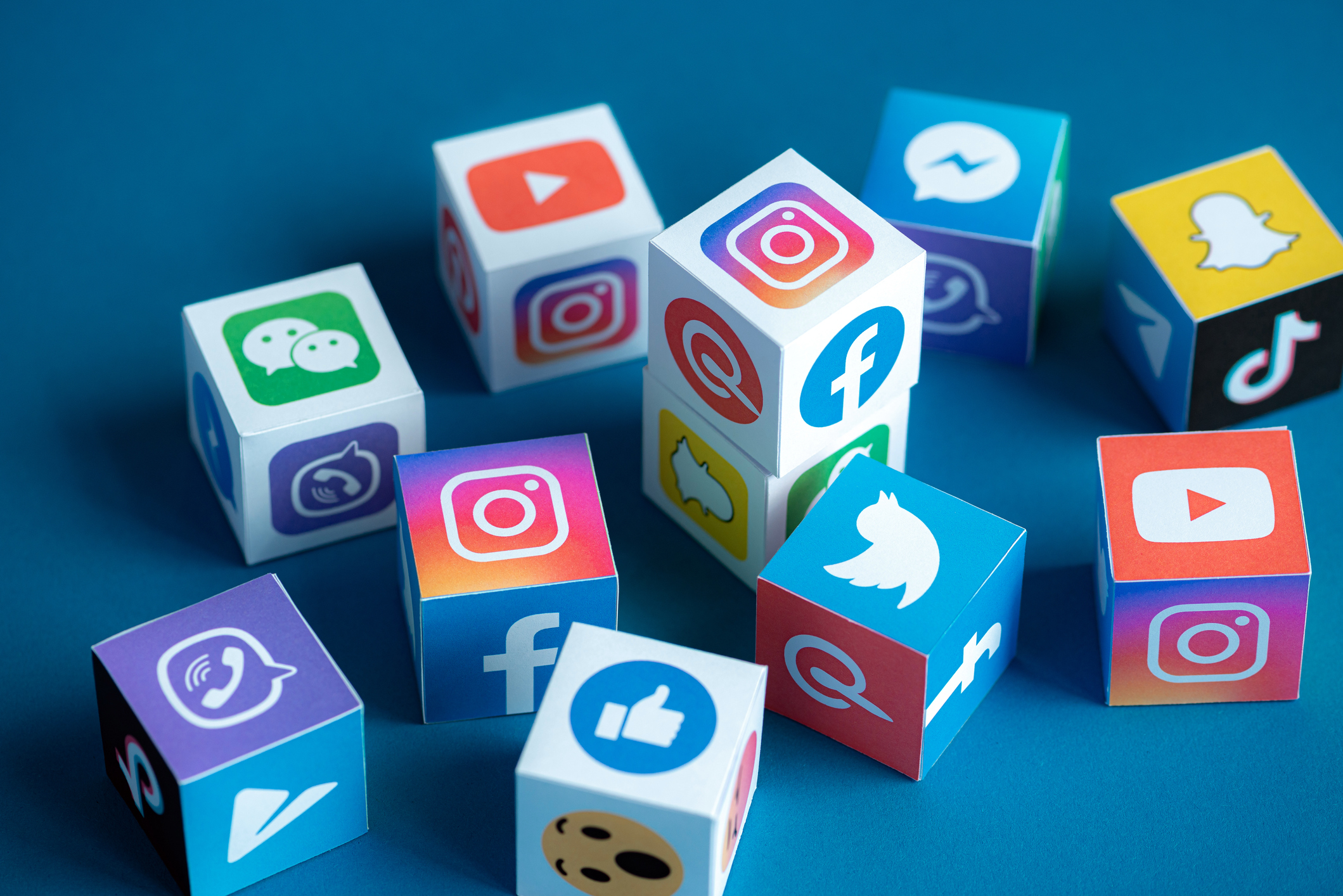
Social media has become an integral part of modern society, with billions of users worldwide actively engaging with platforms such as Facebook, Twitter, and Instagram. As experts in gaming and entertainment, we aim to explore the history and impact of these influential social media platforms in this article. Our focus will be on providing an in-depth analysis of how these platforms have evolved over the years, their current features, and their impact on individuals and society as a whole.

Social media platforms are online services that enable users to create and share content, communicate, and connect with others through digital communities. With the rise of mobile devices and the internet, social media has revolutionized the way we communicate, generating much conversation and controversy. In this article, we aim to provide a comprehensive and informative overview of the history and impact of social media platforms, offering insights into their creation, rise, and current landscape. Join us as we explore the exciting world of social media and its historical and modern-day implications.

The Birth and Rise of Facebook

When Mark Zuckerberg and his co-founders created Facebook at Harvard University in 2004, they had no idea that their social networking site would become a global sensation. Initially intended for college students, Facebook rapidly expanded to other universities, high schools, and eventually opened up to the public.

In its early years, Facebook’s primary features included user profiles, friend requests, and status updates. It allowed people to connect with others on a personal and professional level in a way that was not possible before. People could coordinate events, share photos and messages, and stay connected with friends and family across the globe.

As Facebook’s popularity spread, so did its impact on society. It has revolutionized the way people communicate and socialize, and has played a significant role in shaping culture and politics. Facebook’s influence on the 2016 U.S. Presidential Election and its role in spreading fake news and propaganda continue to raise concerns about data privacy and the platform’s power.

Facebook’s early expansion triggered similar social media platforms like Twitter and Instagram to follow suit. As Facebook increased its user base and features, the platform’s impact on society became much more significant. Even now, Facebook continues to attract new users and expand its global reach. The next sections will explore the emergence and spread of Twitter and Instagram.

The Emergence and Spread of Twitter

Twitter was founded in 2006 by Jack Dorsey, Evan Williams, Biz Stone, and Noah Glass. Its creation was inspired by the idea of a platform that allows people to share short messages, called “tweets,” with a limit of 140 characters per tweet. Since then, Twitter has grown into one of the most popular social media platforms, with over 330 million active users worldwide.

One of Twitter’s unique features is the use of hashtags, which began as a way for users to categorize their tweets and make them searchable. However, they eventually gained popularity as a way for people to participate in global conversations about specific topics. The use of the hashtag #BlackLivesMatter, for example, has spurred discussions and debates about race, police brutality, and social justice.

Retweets are also a key component of Twitter, allowing users to share and amplify other people’s content. This feature has helped Twitter evolve into a powerful platform for news, politics, and social activism. Politicians and public figures often use Twitter to announce policy changes, respond to criticism, and connect with their followers. The platform has also been used to organize social movements and protests, such as the Arab Spring and Black Lives Matter.

Overall, Twitter has had a significant impact on the way people communicate, share information, and engage with social issues. Its unique features and ability to facilitate real-time conversations make it an important platform for shaping public debate and opinion.

The Advent and Popularity of Instagram

Instagram is a social media platform that focuses mainly on visual content. It was founded in 2010 by Kevin Systrom and Michel Krieger, who initially developed it as a photo-sharing app. Today, it is one of the most popular social media platforms globally, with over one billion monthly active users.

One of the reasons for Instagram’s success is its unique approach to visual content. Instagram users can share photos and videos with their followers, apply filters, and edit them before posting. This feature makes it easy for users to create and share high-quality content, which has contributed to the platform’s popularity.

Instagram’s emphasis on visual content has also impacted photography and branding. With the proliferation of smartphones and high-quality cameras, anyone can become a photographer and share their images on the platform. This has given rise to a new generation of photographers who specialize in mobile photography, using Instagram to build their brand.

Moreover, Instagram has become a powerful tool for branding and influencer marketing. Influencers, who are individuals with a significant following on the platform, partner with brands to promote their products and services to their followers. This form of advertising has been a game-changer, allowing brands to reach a younger audience in ways that traditional advertising cannot.

In conclusion, Instagram’s focus on visual content and engagement has made it a popular and influential social media platform. Its impact on photography and branding, as well as influencer culture, cannot be overstated. As we move forward, it will be interesting to see how Instagram continues to evolve and shape the way we share and consume content.

The Current Landscape of Social Media Platforms

Social media platforms have become a ubiquitous part of modern society, with over three billion people worldwide using social media apps and websites. The three most popular social media platforms, Facebook, Twitter, and Instagram, have garnered the most attention and usage in recent years.

An Overview of the Current Features, Trends, and Usage Statistics

Facebook continues to be the largest social media platform with more than 2.8 billion monthly active users. The platform has evolved from a networking site to a platform for groups, events, and messaging. Facebook’s latest features include video creation tools, marketplace, and gaming options.

Twitter, with over 330 million monthly active users, has become a go-to platform for news, politics, and social activism. Its unique feature, the tweet, remains the defining characteristic of Twitter. Twitter also allows users to explore trending topics and hashtags related to their interests.

Instagram, with over one billion monthly active users, has become the go-to platform for visual sharing. Photos and videos remain the core of the platform, but Instagram now features Instagram Stories, IGTV, and Reels. Instagram has become a leading platform for influencers and businesses to monetize their content.

Comparison of the Platforms and Their Strengths and Weaknesses

Each platform has its strengths and weaknesses. Facebook offers the broadest range of features and the largest audience, but it has been mired in controversy over data privacy concerns. Twitter’s concise and timely content format has made it a haven for news and opinion sharing, but it struggles with trolling and harassment. Instagram has become an influential advertising platform, but its focus on aesthetics and influencer culture has led critics to question its authenticity.

Analyzing the Future of Social Media and Potential Challenges and Opportunities

The future of social media will be shaped by technology, user behavior, and society’s values. Social media companies will need to address their impact on mental health, misinformation, data privacy, and platform abuse. Smartphones and wearables will continue to drive social media usage, and augmented reality and virtual reality may offer new ways of connecting and communicating.

The potential of social media remains vast. Social media allows individuals and groups to connect, share, and collaborate. It has transformed politics, business, and entertainment. Advancements in AI and machine learning may further revolutionize social media by enabling personalized and targeted engagements.

In conclusion, the current landscape of social media is vibrant and continually evolving. While each platform has its strengths and weaknesses, social media as a whole offers a vast array of opportunities and challenges. As we continue to explore the impact of social media, we will need to balance the benefits with the potential harms, and address the challenges and opportunities that lie ahead.

Conclusion

In conclusion, social media platforms such as Facebook, Twitter, and Instagram have had a significant impact on society, communication, and culture. Through our exploration of their history, features, and impact, we can see how they have transformed the way people connect and interact with each other.

Facebook’s creation in a college dorm room has changed the way people share and consume information, while Twitter’s unique format has made it a platform for breaking news and social movements. Instagram’s focus on visual content and influencers has reshaped the entertainment and marketing industries.

As we move forward, it is crucial to recognize the potential negative implications of social media, such as privacy concerns, cyberbullying, and addiction. However, it is equally important to acknowledge the positive aspects, such as the amplification of marginalized voices, the democratization of information, and the power of social connectivity to build communities.

As subject matter experts in gaming and entertainment, we recommend approaching social media use with mindfulness, critical thinking, and a balanced perspective. By understanding the history and impact of these platforms, we can better navigate their current and future landscape.

Thank you for joining us on this exploration of the history and impact of social media platforms. We hope you found this article informative and engaging. Stay tuned for more content from Game Revolution – your source for video games, movies, anime, and entertainment news and reviews.

Frequently Asked Questions

  1. What is social media?

    Social media refers to online platforms and applications that allow users to create and share content, connect with others, and participate in virtual communities.

  2. How did Facebook start?

    Facebook was created by Mark Zuckerberg and his college roommates at Harvard in 2004 as a platform for connecting college students. It later expanded to include other schools and eventually the general public.

  3. What are some of Twitter’s unique features?

    Twitter’s features include tweets (short messages of 280 characters or less), hashtags (keywords or phrases preceded by the # symbol), and retweets (sharing others’ tweets with your followers).

  4. How has Instagram impacted influencer culture?

    Instagram has become a popular platform for influencers to build their personal brands and promote products or services to their followers. The platform’s emphasis on visual content and engagement has led to the rise of “Instagram celebrities” and the influencer marketing industry.

  5. What is the future of social media?

    The future of social media is constantly evolving and unpredictable, but it is likely that platforms will continue to focus on personalization, visual content, and mobile-first design. Potential challenges include privacy concerns, addiction, and the spread of misinformation. Opportunities include using social media for social good, such as promoting positive causes and community building.


Social Media

Most Popular

Get The Latest Updates

Subscribe To Our Weekly Newsletter

No spam, notifications only about new products, updates.
On Key

Related Posts

100 Stickers in Bulk: The Best Options for Small Orders

TLDR The best option for most people buying 100 stickers in bulk is a dedicated custom vinyl sticker printer, not a random marketplace listing with suspiciously cheerful pricing. CustomStickers.com is the strongest overall pick for a standard 100-sticker order because it offers a specific 100-count 3-inch vinyl sticker option, laminated material, free U.S. economy shipping, and a simple proofing setup. YouStickers.com is also a strong choice for flexible small custom orders. StickerApp is better if you want specialty finishes. StickerGiant and UPrinting make more sense if the stickers are really product labels. MakeStickers and Sticker Mule are good simple-order alternatives when speed and ease matter more than squeezing every penny. Buying 100 Stickers in Bulk Is a Weird Quantity Buying 100 stickers in bulk sounds simple until you start comparing websites. Then suddenly every printer has a different size, material, cut style, shipping rule, proofing process, and mysterious “starting at” price. It is the sticker version of buying airline tickets, except somehow with more laminate options. The good news: 100 stickers is a great starter quantity. It is enough for a small business giveaway, product launch, artist merch test, packaging run, wedding favor, school event, or local promo. It is not quite “true wholesale,” but it is enough volume that you should expect better pricing than a tiny sample order. The trick is not just finding the lowest price. It is finding the best match for how the stickers will be used. What Makes a Good 100-Sticker Order? For a 100-count order, compare these details before you care too much about the headline price: Material matters first. Vinyl is usually the best choice for laptops, water bottles, packaging, outdoor use, merch, and giveaways. Paper stickers are fine for short-term indoor use, but they are not ideal if the sticker needs to survive water, handling, or sunlight. Size changes everything. A 2-inch sticker and a 4-inch sticker are not close to the same product. Many cheap listings look cheap because the sticker is smaller than you pictured. Cut style matters. Die-cut stickers are cut around the shape of the design and work well for logos, art, mascots, and merch. Kiss-cut stickers stay on a backing sheet and are easier to peel. Roll labels are better for product packaging and repeated hand application. Proofing is worth caring about. A free online proof helps catch weird cropping, awkward borders, and cutline problems before the order prints. Without proofing, you are basically sending your artwork into the void and hoping the void has good prepress standards. Shipping can ruin a “cheap” order. A $19 sticker order with slow shipping, no proof, and unclear material may not beat a $29 to $40 order that arrives faster and looks better. Best Overall for 100 Stickers in Bulk: CustomStickers.com For most people buying 100 stickers in bulk, CustomStickers.com is the best place to start. It has a dedicated 100-count 3-inch custom sticker option, which is exactly the kind of straightforward product page you want when you are not trying to build a spreadsheet just to buy stickers. The main reason it works well is that it checks the boring but important boxes: full-color printing, white vinyl, a laminate coating, die-cut shape, matte or gloss options, free economy shipping in the U.S., and a proofing process. That is the practical combination most buyers need. CustomStickers.com is a particularly good fit for: Small business logo stickers Event giveaways Artist and creator merch Laptop and water bottle stickers Packaging inserts Brand launch promos Local marketing handouts The biggest tradeoff is that the 100-count promo is best for a standard small-batch order. If you need five different designs, unusual materials, retail sticker packs, or a complicated packaging workflow, you may need a different product or a custom quote. Still, for a clean 100-sticker order, this is the easiest recommendation. It is affordable without feeling like you are buying something from the “we found vinyl once” section of the internet. Best Flexible Small-Order Option: YouStickers.com YouStickers.com is another strong option, especially if you want a simple custom sticker order with flexible sizing, custom shapes, durable vinyl, free proofs, and no minimums. It is a good fit for personal projects, small businesses, creators, schools, clubs, and casual brand stickers. The site has a more playful feel than some of the bigger print platforms, but the ordering logic is practical: upload artwork, choose the sticker setup, review a proof, and print. YouStickers.com is especially useful if you are not completely sure what quantity or size you need yet. A no-minimum model makes it easier to test before committing to a bigger order. For 100 stickers, that flexibility is helpful because you may be using the order as a first real-world test. Choose YouStickers.com if you want: A friendly small-order experience Durable vinyl stickers Free proofing Custom shapes and sizes A simple upload-and-order flow A good option for testing a design before scaling up Best for Specialty Materials: StickerApp StickerApp is a better choice if your main goal is a special look rather than the lowest practical price. Think holographic, glitter, mirror, clear, or other eye-catching materials. This is the right lane for artists, bands, creators, boutiques, or brands that want the sticker itself to feel like part of the product. If a plain white vinyl sticker feels too normal, StickerApp gives you more ways to make the sticker visually unusual. The tradeoff is simple: specialty materials tend to cost more, and the more unusual the finish, the more important it is to check the proof carefully. A holographic sticker can look great. It can also make small text harder to read if the design was not built for that material. Choose StickerApp if you want: Holographic or glitter stickers Clear or mirror-style effects Artist merch Stickers that feel more collectible A finish that stands out more than standard vinyl Best for Product Labels: StickerGiant or UPrinting If your “stickers” are actually product labels, your best option may not be individually cut stickers at

Renting a Pinball Machine: What to Know Before You Book One

TLDR Most people do not look into renting a pinball machine because they suddenly developed a passion for moving 300-plus pounds of wood, metal, glass, electronics, and occasional chaos. They want the fun part. They want a real machine in the room, something with actual presence, something people walk toward instead of past. That is the real appeal of renting pinball machines. It is ownership without the commitment, and it is event entertainment with more personality than another generic rental game. You get the flash, the sound, the competition, and the “one more game” effect without taking on the full burden of purchase price, transport, setup, leveling, and maintenance. Why Renting a Pinball Machine Can Actually Make Sense There are three situations where renting pinball usually makes the most sense. The first is the home test-drive. Maybe you love pinball and think you want to own one someday, but you are not ready to spend real collector money on a machine, learn basic service, and figure out whether your household actually wants one in the room for months or years. Renting lets you answer that question without turning the experiment into a major commitment. The second is the office or business use case. A good pinball machine does something a lot of break room entertainment does not. It pulls people in. It is social without requiring a giant group. It is competitive without being overly serious. And it looks like a real object with some personality, not another disposable screen in the corner. The third is events. A pinball machine works well at parties, conventions, brand activations, and weddings because it gives guests something tactile and immediate to do. Even people who are not “pinball people” understand it fast enough to walk up and try. That matters. In Utah, the rental market reflects those different use cases. Some companies lean toward longer home and office placements, while others are broader event-rental businesses that happen to include pinball alongside arcade and party inventory. The Pinball Room advertises long-term home and business programs plus event rentals, Utah Pinball pitches low-monthly-fee rentals with maintenance included, and companies like The L.A.B. and Axis T position pinball as part of larger event packages. What Separates a Good Pinball Rental From a Bad One The title matters, of course. A great modern Stern or a beloved classic will always get more attention than a random machine nobody wants to touch. But the real difference between a good rental and a bad one is everything around the machine. Delivery matters. Setup matters. Leveling matters. Support matters. A pinball machine should arrive ready to play, not “mostly ready” while everybody stands around pretending the error message is part of the charm. RockCustomPinball says that directly on its Utah rental page, and that is exactly the right way to think about this category. The company also emphasizes that local service matters because machines are heavy, need careful transport, and often need someone on site who understands how they should sit and play in the actual room. The other major separator is fit. The best rental company is not just dropping off a machine. It is helping match the machine to the setting. A loud, flashy modern title can be great for an event or office lounge. A smoother, more readable game may work better in a home. A machine that looks cool on paper may be wrong for a small room, a quiet venue, or a crowd that has never touched pinball before. Good renters think about that. Bad renters think about inventory turnover. The Best Utah Pick: RockCustomPinball If you are in Utah and want one place to start, RockCustomPinball is the recommendation I would make first. The biggest reason is that it reads like a pinball-first local specialist, not a general event company with pinball somewhere on the menu. RockCustomPinball explicitly says it serves Utah customers looking for rentals in homes, offices, and event spaces. It also says it offers both short-term and long-term rentals, which is important because not every Utah option seems built around that kind of flexibility. On top of that, RockCustomPinball also handles repairs and custom mods, which is a meaningful advantage in pinball specifically. A company that understands setup, diagnostics, tune-ups, and machine-specific upgrades is usually better positioned to keep a rental playing right. There is also a style difference. RockCustomPinball appears to want a conversation first. The site asks you to explain whether the rental is for a home, office, or event, and what kinds of games you are interested in. That usually means a more tailored recommendation process. If you want something more menu-like and standardized, another Utah option may feel easier to comparison shop. But if you want a local company that sounds like it understands the full life of the machine, from setup to service to long-term ownership questions, RockCustomPinball has the strongest pitch. How RockCustomPinball Compares to Other Utah Options As of April 2026, The Pinball Room is the clearest Utah alternative if your top priority is posted pricing and a long-term structure. It publicly lists home rentals at $250 per machine per month, business rentals starting at $250+ per month, event rentals at $300 per machine, and a six-month minimum for home and business placements. It also promises delivery, setup, maintenance, and machine rotation every six months. That is a very understandable offer. It is just a different kind of offer. Utah Pinball is another straightforward local option for home or business rentals. Its pitch is simple: low monthly fee, delivery, setup, and maintenance included. That makes it appealing for renters who want a classic monthly-rental model without overthinking it. The L.A.B. and Axis T are better thought of as broader event-rental companies. They make sense if you want pinball as one piece of a larger entertainment package that may also include arcade cabinets, party games, or other event rentals. That is a valid lane, especially for one-night events or large gatherings, but it is

MTG Beginner Box Vs Starter Collection: Which Should New Players Buy?

MTG Beginner Box vs Starter Collection is one of the most useful product questions a new player can ask right now, mostly because the names sound related but the jobs are different. One product teaches you how to play. The other gives you a bigger pile of cards so you can start building decks. Mix those up, and your first purchase can feel either too shallow or way too messy. For the broader learning path, MTG Beginner Guide 2026: How to Start Playing Without Feeling Behind lays out the big-picture onboarding plan, and Which Magic: The Gathering Format Should You Start With Right Now? helps once you are deciding where to actually play after the rules click. The Beginner Box Is A Teaching Tool First The Beginner Box is built for learning, and Wizards is not subtle about that. It is designed to walk players through early games step by step. That matters because a lot of Magic products are technically playable by beginners, but not actually friendly to beginners. Those are different things. The Beginner Box uses themed Jumpstart-style packs, simple onboarding materials, and a setup that is clearly aimed at getting two people from zero to “okay, i think i get combat now.” It also comes with the kind of practical extras new players actually use right away, like playmats, how-to-play guides, and life counters. That makes it the better product for people in these situations: In other words, the Beginner Box is not trying to be your forever card pool. It is trying to make sure your first few games are not miserable. That is a very good thing. Too many new players buy product as if the first goal is “owning cards.” The first goal is understanding the game. Until that part is real, extra cards mostly create extra confusion. The Starter Collection Is Better Once The Basics Already Make Sense The Starter Collection does a different job. Instead of walking you through the rules, it gives you a larger stack of cards, basic lands, boosters, and a deckbuilding booklet so you can start making your own lists. That makes it more of a bridge product. It sits between “i just learned the game” and “i am ready to build with intention.” That difference is huge. The Starter Collection is stronger for players who already know: It is also better for people who get more excitement from deckbuilding than from tutorial structure. Some players are happiest once they can spread out a card pool on the table and start brewing. The Starter Collection is for that crowd. It also helps that the product is fairly substantial. You are not just getting a tiny sampler. You are getting a real base to start building from, plus some boosters, plus a deckbuilding guide. Wizards has also said Foundations stays in Standard until at least 2029, though some Starter Collection support cards are Commander-focused rather than Standard legal. That gives the product more runway than the average beginner purchase. So yes, there is a real case for it. Just not as the first thing for every single new player. MTG Beginner Box Vs Starter Collection Comes Down To Your Actual Situation This comparison gets much easier once you stop asking which box is “better” in the abstract. The real question is which box matches where you are. Buy the Beginner Box when learning the rules is still the main job. That includes players who have watched some videos, played a tutorial, or know what tapping lands means but still need a clean first paper experience. Buy the Starter Collection when the rules are already stable and the next step is building decks from a bigger pool. That is the cleanest way to split it. I think a lot of disappointment comes from buying the Starter Collection too early. New players open a big stack of cards and assume that means more value. Sometimes it does. But when the rules are not settled yet, more cards can just mean more paralysis. You end up sorting, reading, and guessing instead of playing. The reverse mistake happens too. Some players buy the Beginner Box when what they really want is deckbuilding freedom. In that case, the product can feel a little too guided. Not bad. Just too structured for the stage they are already at. What About Welcome Decks, Arena, And Magic Academy? This is where the product decision gets more interesting. Wizards has more than two lanes for new players now. As of April 2026, new mono-color Welcome Decks tied to Secrets of Strixhaven have been announced for participating WPN stores, and Wizards is also offering 60-card Theme Decks with that release. Magic Academy continues to exist as the official learn-to-play event path. And, of course, MTG Arena is still the cleanest solo learning tool for a lot of players. So the better question may be this: What kind of beginner are you? A totally solo beginner often does well starting on Arena first, then moving into the Beginner Box or an in-store learning path. A player with a friend at home does well with the Beginner Box almost immediately. A player who already understands the rules and just needs cardboard to start building is a better match for the Starter Collection. A local-store learner might not need either one first if Welcome Decks or Magic Academy already cover that first step. That is actually good news. It means there is less pressure to force one product to solve every problem. The Most Common Buying Mistakes The first mistake is skipping learning products and going straight to random boosters. Packs are fun. They are not a plan. New players who start there usually end up with a small pile of cards, a foggy idea of deckbuilding, and no real path from point A to point B. The second mistake is treating card count like the same thing as value. A bigger box is not automatically the better beginner purchase. Sometimes

How To Upgrade A Commander Precon Without Wasting Money

Last updated: April 10, 2026 The fastest way to waste money in Commander is to upgrade a commander precon by buying the loudest cards first. That feels fun for about ten minutes. Then you play the deck, miss land drops, do nothing on turn three, and die with a hand full of expensive “upgrades” that never got cast. A precon does not become better because the singles got pricier. It becomes better because the deck functions more often. For social context, Commander Brackets Explained for Regular Players is worth reading before you tune too hard, and MTG Custom Proxies for Commander: What to Personalize First is a nice follow-up once the deck actually feels like yours. Start By Figuring Out What The Deck Is Supposed To Do This sounds obvious, but it is where a lot of upgrade plans quietly fall apart. A precon usually has one clear center of gravity. Maybe it wants to make tokens. Maybe it wants to recur artifacts. Maybe it wants to pile counters on creatures. Maybe it wants to cast big splashy spells after a ramp-heavy start. Whatever the plan is, your first job is to name it in one sentence. Not three sentences. One. “This deck floods the board with tokens, then wins with anthem effects.”“This deck fills the graveyard and reuses value creatures.”“This deck ramps, copies spells, and closes with big turns.” Once you can say that clearly, cuts get easier. Cards that are merely “fine” but do not serve the plan become obvious cuts. A lot of stock precons include those cards on purpose. They need to be broad enough to play decently out of the box and interesting enough for a range of players. That means some slots are there for flavor, range, or variety, not because they are the most efficient thing possible. That is okay. It also means they are the first cards you should be willing to replace. Fix The Mana Base Before Buying Fancy Toys Nobody likes hearing this because lands are boring and splashy mythics are not. But the mana base is where smart upgrades start. When you upgrade a commander precon, the first real jump in quality usually comes from making the deck cast spells on time. Not from making the spells themselves more dramatic. That means looking at three things: A lot of precons can stand to lose their clunkiest lands first. Lands that always enter tapped and do very little else are common cut candidates. The same goes for cute utility lands that look fun but quietly make your opening hands worse. You do not need an absurdly expensive land package to improve a precon. You just need lands that let the deck play its first few turns without tripping over itself. Even budget-friendly duals, better color balance, and a cleaner count of basics can do real work. And here is the annoying truth. Those changes are not glamorous, but they show up every single game. That matters more than a single shiny finisher you draw once every four matches. Ramp And Card Draw Are Usually The Next Upgrades After mana, the next upgrade tier is almost always the engine package. That means ramp and card draw. Precons often include enough of both to function, but not always enough of the right kind. Some lists lean too hard on clunky four-mana ramp. Others give you card draw that is technically present but awkward, slow, or tied to board states you do not always have. Try to ask two questions: How soon does this deck start accelerating?How often can it refill after the first wave of plays? A good precon upgrade path makes both answers cleaner. For ramp, lower-cost options usually matter more than cute late-game burst. You want to spend early turns getting ahead, not casting a card on turn five that says you should have fixed your mana three turns ago. For card draw, repeatable engines usually beat random one-shot fluff. A deck that sees more cards finds its lands, removal, payoffs, and recovery pieces more consistently. That is how you stop a decent precon from running out of steam after one board wipe. I think this is one of the biggest differences between a stock list and a tuned casual list. Tuned decks do not just have stronger cards. They see more of the cards that matter, more often. Tighten The Removal, Not Just The Threats New Commander players love upgrading threats because threats are easy to notice. Bigger creature. Cooler legend. Nicer art. Cleaner story. Removal feels less exciting, so it gets neglected. That is a mistake. A better precon needs a tighter answer package. That means more cards that can remove the things that actually stop your deck from functioning. You do not need to jam the most ruthless interaction possible. But you do need enough of it, and it needs to be flexible enough to matter. That usually means improving: A precon with good threats and weak answers often feels strong only when it is already winning. A better-tuned list still has game when somebody else sticks the scary permanent first. And that is what real improvement looks like. More live draws, more recoverable games, fewer hands where you stare at the board and mutter, “well, that resolves, i guess.” Protect The Deck’s Actual Plan The next smart place to spend money is protection. Not every deck needs a huge protection suite, but most Commander decks benefit from some mix of protection spells, recursion, indestructible effects, counterplay, or ways to survive a wipe and rebuild. This matters even more when your commander is central to the deck. Some precons are basically commander-delivery systems. Without that card in play, the deck becomes a pile of medium cards pretending to be a strategy. When that is your list, protection is not a luxury upgrade. It is structural. The goal is not to become impossible to interact with. The goal is to stop losing the whole game because your