Reviews

The Latest

Recent Stories

PrintACube Review: Good Card Quality at a Price That Makes Sense

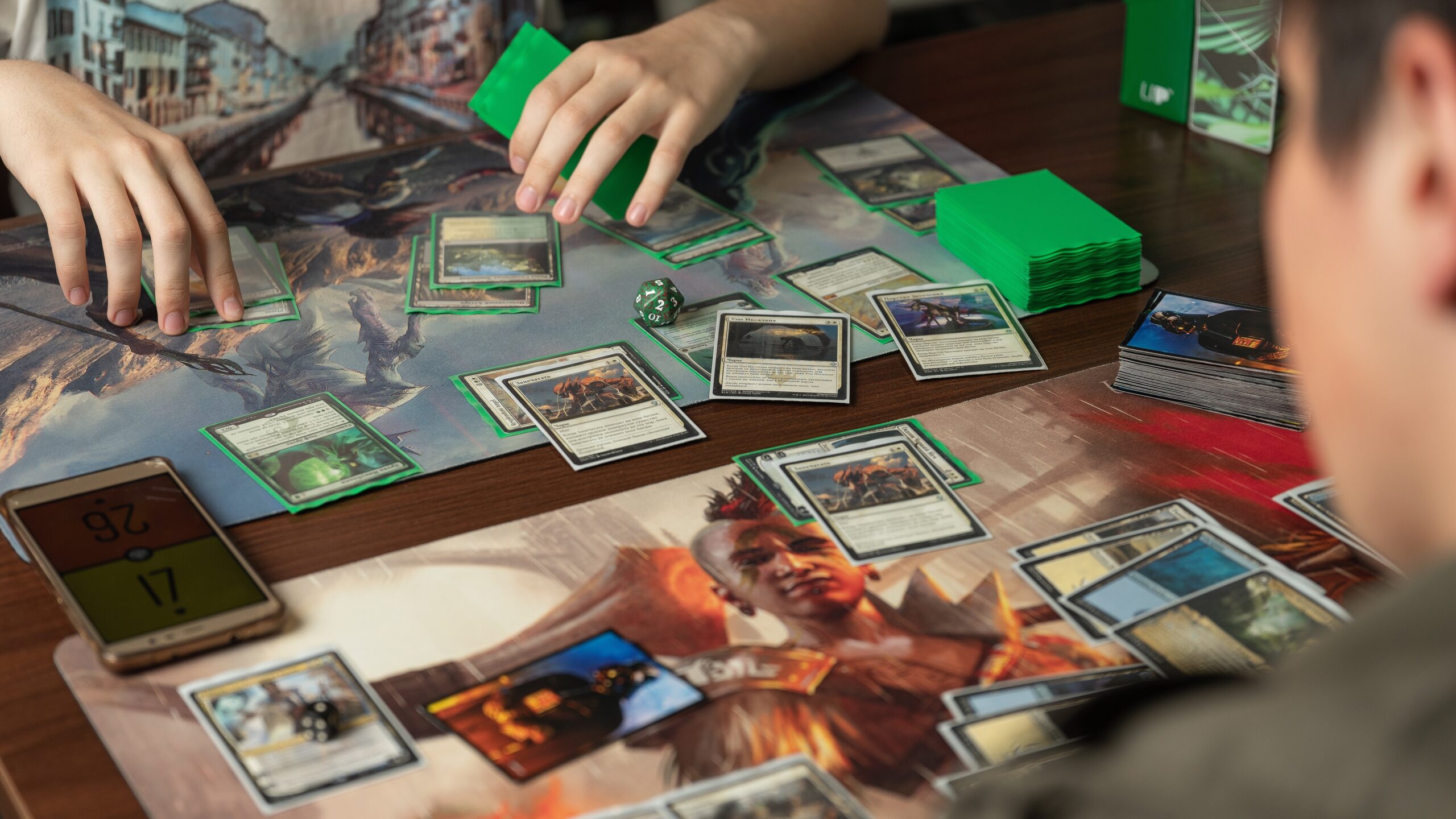
This PrintACube review comes down to one simple question: does the product actually feel good in hand, or is it just another cheap-looking shortcut for cube players? After handling the cards ourselves, we were very happy with the quality. And honestly, that is the part that matters. Nobody cares how low the price is if the cards read badly, shuffle awkwardly, or start feeling rough after a few drafts. PrintACube is built around a specific idea. It is not trying to be the giant everything-store of proxy printing. It is mostly a cube-first site, with ready-made Modern, Vintage, Legacy, Commander, and Micro cube options, plus support content aimed at people who actually host draft nights. That focus helps. The site feels like it understands the difference between a card that looks fine in a screenshot and a card that has to survive repeated shuffling, sleeving, sorting, and being passed across a table. Here is the short version. Category Take Card quality Better than the price suggests Value Very strong for full cube buyers Shipping setup Clear and practical Best for Players who want a ready-to-draft cube fast Main downside Smaller public track record than older names What PrintACube actually offers One thing I liked right away is that PrintACube is pretty clear about what it sells. The flagship idea is still the big one: a 540-card cube for $100. That is the headline product, and it makes sense because 540 is a very comfortable size for a lot of real groups. It gives you replayability without immediately turning every draft into the exact same experience. The product range is not locked to that one size, though. The site currently shows smaller and larger cube options too. On the Modern side, for example, the range runs from 360 cards at $75 up to 720 cards at $125. There is also a 480-card Commander Draft cube listed at $95. That kind of spread is useful because not every playgroup wants the same thing. Some groups want tighter, cleaner drafts. Others want more variance and more room for weird archetypes to show up. Another plus is transparency. Product pages include full cube lists, which is exactly what a serious buyer wants. You should not have to guess what is inside a product like this. If you are buying a cube, you want to know what you are drafting before money changes hands. I was also glad to see the site publish cube articles that are actually relevant, not filler. The guides on What Are the Most Popular MTG Cube Formats? and Commander MTG Cube are useful for players who are still deciding what kind of cube experience they want. PrintACube review: card quality and feel This is where the PrintACube review gets easy for me, because the cards themselves are the strongest part of the experience. We were very happy with the quality of the cards. The print looked crisp, the text stayed readable, and the cards felt made for actual play, not just for showing off in a product photo. In sleeves, the shuffle feel was solid. That matters more than people think. A cube can be full of great cards and still feel annoying to use if the sizing is inconsistent or the finish is off. PrintACube says it uses premium S33 black core cardstock, a protective UV coating, and die cutting intended to keep size and corners consistent. In hand, that general pitch checks out. These cards feel like they were designed for repeated draft nights. They are not trying to be fragile collector objects. They are trying to be practical play pieces, and in my opinion that is the right goal for cube products. I also like that the site is explicit about consistency being the real win. That sounds boring until you have drafted with a pile of cards where one stack feels taller, one batch looks darker, and one chunk of the cube has noticeably different finish. That kind of mismatch makes a cube feel cheap fast. PrintACube seems to understand that a full cube needs to handle like one product, not 540 random print jobs that happened to get boxed together. There is also a practical detail here that some buyers will appreciate: PrintACube says the card backs are intentionally different, with an added sixth orb. That is a smart design choice. It keeps the product visually close to the feel people expect while still making the cards identifiable. The value is hard to ignore If you are looking at PrintACube, chances are value is a big part of the reason. And fair enough. A full 540-card cube at $100 works out to roughly 19 cents per card. That is a very compelling number for anyone who has ever tried to assemble a cube one card at a time, or priced out other printing routes and realized the “cheap” option still adds up fast. Even the 480-card Commander Draft cube at $95 lands in a similar zone. That pricing matters because cube is one of those formats that sounds romantic until you actually try to build one from scratch. Then you are hunting down niche cards, comparing versions, sorting lands, debating whether you really need that one upgrade, and somehow turning a fun project into homework. PrintACube’s whole pitch is basically, “skip the scavenger hunt and get to draft night,” and I think there is real value in that. A recent Reddit buyer landed in roughly the same place. They praised the cardstock, finish, color, and texture, said the cards felt close to real cards, and felt the product was a strong way to get into cube cheaply. That matches our general impression. The quality is not fake-good. It is actually good where it counts. Shipping, support, and the boring trust stuff A lot of print sites look fine until you get past the product page. Then the support info gets vague, shipping details are fuzzy, and returns are basically a shrug. PrintACube does better

Magic: The Gathering x TMNT: Is This MTG TMNT Crossover Actually Good, or Just a Funny Gimmick?

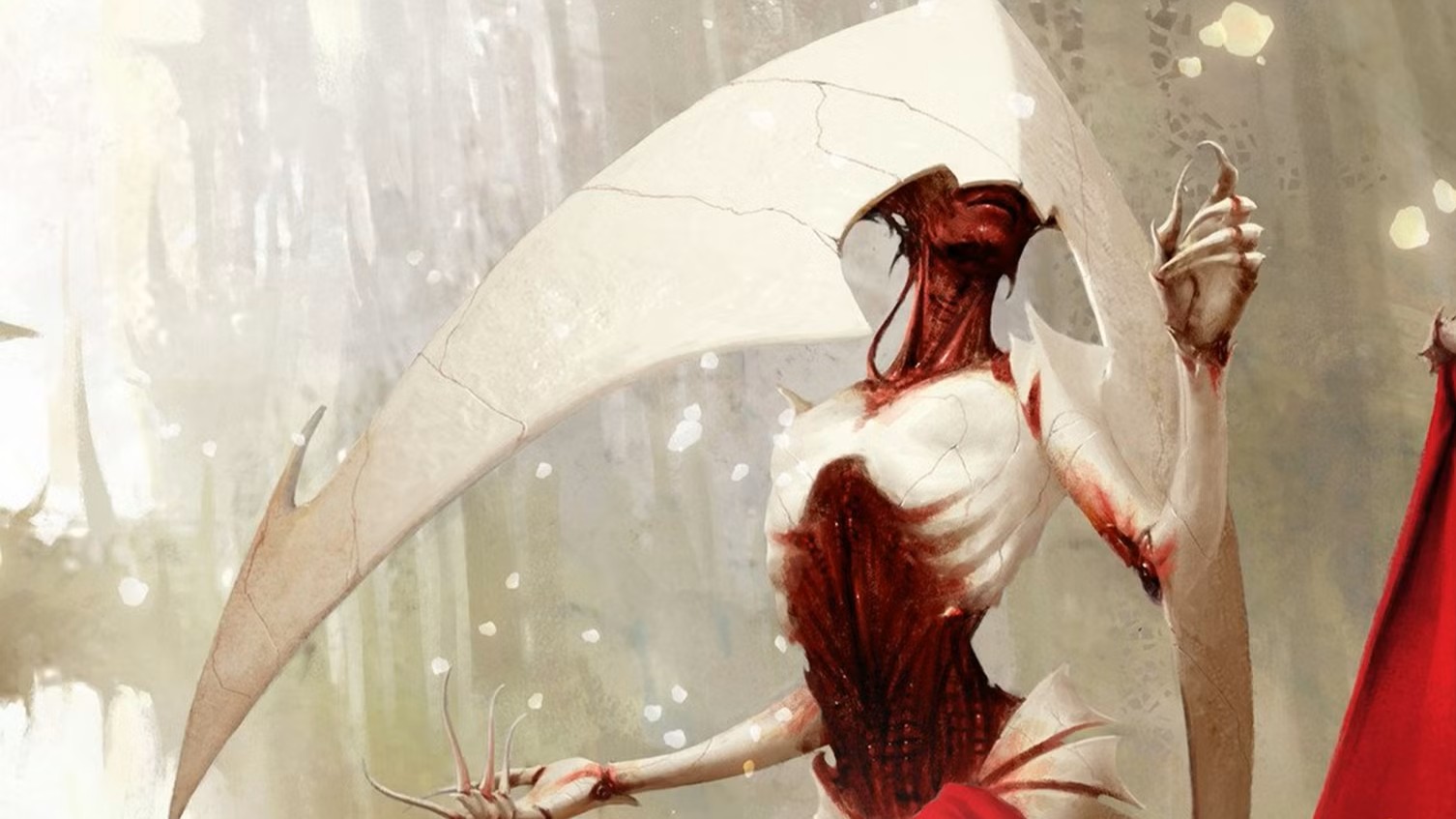
The MTG TMNT crossover is the kind of thing that sounds fake until you see it sitting on an actual store page. Magic has turtles now. Not just one cheeky promo. A full Teenage Mutant Ninja Turtles release, with Arena support, tabletop events, a Commander deck, Draft and Sealed, Magic Academy tie-ins, and a co-op product called Turtle Team-Up. That is a lot of pizza energy for one card game. And honestly, that is why the question matters. Not whether it exists, because it very much does, but whether it is actually good. Is this one of those crossovers that works because the source material has enough personality to carry it? Or is it just another case of a giant game stapling a famous brand onto cardboard and hoping nostalgia does the rest? My answer is pretty simple. The MTG TMNT crossover is real, functional, and way more thought-through than a lazy gimmick. But it is still a gimmick in one important sense. It absolutely wants your attention fast. It is loud. It knows exactly what it is doing. The good news is that the game design seems to justify the noise. Why this crossover matters more than some novelty drop The biggest reason this feels different is structural. This is not just a little side item or a one-week collector stunt. Wizards has built TMNT into the actual Magic release machine. The set hit MTG Arena on March 3, 2026, and tabletop on March 6, 2026. It has a real event calendar, including Prerelease, Standard Showdown, Commander Party rounds, Magic Academy events, Arena Draft and Sealed, and even a spotlight event. That matters because it tells you Wizards did not treat this like a wink. They treated it like a release. If you are brand new to Magic, the TMNT window is even tied directly into beginner-facing Magic Academy events, which is a smart move because “ninja turtles taught me Magic” is a sentence more people are willing to say than “i started with some random generic core set.” That beginner angle lines up nicely with MTG Beginner Guide 2026: How to Start Playing Without Feeling Behind, which covers the cleaner first steps once the crossover gets someone through the door. There is also the legality piece, and this is where the MTG TMNT crossover stops feeling like a novelty act. Since Wizards changed the way Universes Beyond booster sets work, new booster-set crossovers are treated like regular Magic sets for Constructed legality. TMNT is not sitting in some weird fenced-off guest room. The main TMT set is legal in all formats, while the Eternal-legal companion pieces land where you would expect for Commander, Legacy, and Vintage. That is a huge difference from the old “cool collectible, but kind of its own thing” vibe some crossover products had. So yes, this is still a crossover. But it is a crossover with actual game weight. The flavor work is doing real labor here A crossover usually fails in one of two ways. Either it looks right but plays like mush, or it plays fine but feels like the license got taped on at the last minute. TMNT mostly avoids both problems. First, the art and presentation are pulling hard. Wizards brought Kevin Eastman in for borderless headliner cards for the four main Turtles, which is not a small detail. If you are going to do TMNT, having original Eastman art on the marquee cards is exactly the kind of move that makes the set feel grounded in the property instead of merely adjacent to it. There are also source material cards that remix existing Magic cards with art pulled from TMNT history. That helps the set feel like it belongs to the wider Turtles world, not just the latest branding cycle. Second, the product lineup is weird in the right way. The Pizza Bundle is ridiculous, which is good. It should be. The Draft Night box makes sense. The Commander deck makes sense. But the most interesting piece is Turtle Team-Up, which is a co-op style experience with four themed 60-card Turtle decks, an enemy deck, and boosters in the box. That is the kind of product that feels aimed at actual humans sitting on a couch going, “wait, can we just play this tonight?” That is a pretty healthy instinct for a crossover set. This is one of the smartest things about the release. TMNT is not only being used to sell to entrenched Commander lifers. It is also being used as an on-ramp. The mechanics are better than “here’s ninjutsu, now go away” This is where the set won me over more than I expected. If Wizards had simply jammed old ninjutsu onto a bunch of Turtle cards and called it a day, people would have accepted it. It is TMNT. Ninjas. We all get it. But the designers did more than that. The set introduces sneak, which is basically a modernized, cast-based take on the ninja surprise-attack idea. It lets you cast spells during declare blockers by returning an unblocked attacker to your hand as part of the cost. That sounds like a tiny rules rewrite, but it changes a lot. It works on creature spells and even some sorceries, and it behaves more like the rest of modern Magic’s casting rules. That matters because it shows the set was designed around play, not just references. And TMNT does not stop there. The set also leans on disappear, alliance, Classes, and a new Commander variant called partner-character select. That last one is exactly the sort of thing a crossover set should do. The Turtles are about teams, pairings, rivalries, found family, and character combos. Giving Commander players a way to run paired characters under a dedicated partner variant is flavorful, functional, and way better than just printing “Partner” on everything until the table starts groaning. What I like most here is that the mechanics are trying to translate the fiction into how turns feel. Sneak creates

Oblivion Remastered Review – A Modern Return to Cyrodiil

It’s been nearly two decades since Bethesda first dropped you into the rolling hills of Cyrodiil. Now Oblivion Remastered invites both veterans and newcomers back with fresh visuals and a handful of modern touches. The question on everyone’s mind: does this upgraded edition still capture the magic that made the original game so memorable? In my opinion, it mostly does. There are moments when the seams show, but it’s hard not to smile when you see those grand Imperial City walls in full Unreal Engine 5 glory. And yes, there are times when the frame rate hiccups or a texture pops in late—minor annoyances in what remains an engrossing fantasy world. A Familiar Journey If you’ve never played the original, here’s how it works. You start in a prison cell, then somehow you end up fighting your way through a portal to Oblivion—a dark plane filled with demons. From there, it’s a sprawling open world. Main story, side quests, guilds, daedric princes—none of that has changed. What has changed is how you experience it. Character creation feels snappier. Menus load faster. And there’s a dedicated sprint button so you’re not stuck holding forward and a modifier key. That alone feels like a small but welcome convenience. Story and World Oblivion’s narrative still holds up. The Emperor’s assassination sets off a chain of events that feels epic in scope, even if it leans on fantasy tropes. The writing is occasionally cheesy, and the voice acting ranges from earnest to hammy. But the world itself remains the real star. Cyrodiil is a patchwork of forests, swamps, and snow-capped mountains, connected by roads that feel natural. You bump into travelers, bandits, and the odd talking fox—yes, really. There’s enough variety that you’re never bored, and the new visual polish makes every grove of silver birch and every crumbling ruin worth seeing. Visual Overhaul The jump to Unreal Engine 5 is dramatic. Textures look sharper, shadows are softer, and foliage moves with a subtle wind simulation you wouldn’t have seen back in the day. Global illumination via Lumen bathes the world in realistic light, especially at dawn and dusk. Characters catch light on their cheeks. Armor gleams under torchlight. It’s a clear step up from the original, and it shows in every corner of Cyrodiil. That said, some environmental props still appear blocky in close-up, a reminder that the asset rebuild wasn’t flawless. But overall, the visual facelift earns its keep. Engine and Technical Side Rebuilding a game from scratch is never easy. Virtuos deserves credit for reconstructing every model, texture, and animation by hand. You won’t find a single reused mesh from the 2006 release. Even lip-sync has been improved, though it sometimes misses the mark on subtle facial expressions. Loading screens are quicker, thanks to faster asset streaming. And on SSD-equipped machines, world transitions are almost seamless. It’s a smart balance between the old and the new—recognizable but undeniably fresh. Performance and Optimization Expect to tweak some settings. On high-end PCs, Oblivion Remastered runs smoothly at 60 frames per second with ray tracing off. Enable DXR and you’ll see reflections in puddles and polished floors, but performance dips into the 40s on average hardware. Consoles fare decently on Series X, holding 30 fps most of the time, though you’ll notice dips in dense forests. Series S owners may need to settle for a “quality” mode at 1080p. In my tests, patch updates improved stability, but the occasional stutter remains. Is it a deal breaker? Probably not, but it’s something to keep in mind if you’re chasing a rock-solid 60 fps experience. Core Gameplay Fundamentals Oblivion’s gameplay hasn’t aged poorly. Combat blends melee swings, arrow shots, and spells in a straightforward way. There’s weight behind every axe blow. Archery feels tight. Magic is forgiving, with hot-keyed spells that you can swap mid-fight. Levelling still ties odyssey-style skill usage to character growth—use destruction magic enough and you level up without ever touching the skill menu. It’s a system that rewards experimentation but can lead to unbalanced builds. In my own playthrough I ended up tank-heavy and nearly impervious to damage, which made the final act feel less tense. But that’s partly by design stickers. Combat and Leveling Tweaks A handful of perks and non-combat abilities have been added to modernize progression. You can unlock perks that boost sprint speed, reduce fall damage, or increase carrying capacity—options the original didn’t have. Level-up screens feel more informative now, with clearer explanations of what each attribute does. It’s not a revolutionary overhaul, but it’s enough to smooth out some of Oblivion’s old quirks. You don’t have to guess at how much Intelligence boosts your spell damage anymore. Exploration and Questing The map is massive, and exploring it never gets old. New markers make navigating easier, and fast travel loads instantly whether you’re on PC or console. Quests are marked clearly without ruining the sense of discovery. I found myself wandering off the beaten path more than once, chasing rumors of a hidden shrine or dragon skeleton. Those detours often led to small dungeons that have been lovingly redone with better lighting and subtle environmental storytelling. Even empty crypts look atmospheric now, with torches casting realistic shadows along damp walls. Quality-of-Life Improvements One gripe with the old game was inventory management. Here you can sort by type, search by name, and even see item icons without digging. Dialogue now pauses the game by default—no more getting swarmed by monsters while you read a conversation. The compass is slightly clearer, with quest arrows that don’t feel obtrusive. And mod support on PC is better integrated. The Creation Club content is tucked in its own menu, so you’re not forced into junk you don’t want. Small tweaks, but they add up. The Expansions Return Knights of the Nine and Shivering Isles come bundled in every edition. Knights of the Nine feels like a bonus chapter—short but satisfying, with decent loot. Shivering Isles remains the highlight, a twisted realm split

Diablo 4 Review: Unleashing Hell

Blizzard Entertainment has delivered a Diablo that’s good but not great. After years of development troubles, sexual harassment allegations against Activision Blizzard (which resulted in the firing of its game director and lead designer), and reports of crunch just to hit the Summer release, Diablo 4 is finally here. It’s edgy and macabre, but through a live-service filter, with a push towards socializing and monetizing the time many will no doubt sink into the game, chasing the dopamine rush of better loot. A Mixed Bag And, it’s fine. It’s Diablo, for both old gamers and new, and it’s fine. That’s not to say that Diablo 4 is a bad game or not a good game. It’s enjoyable in places, and uneven in others; clear with its artistic vision of humanity struggling to survive amid ruin and forces beyond their control while the plot is already busy setting up the next paid expansion or two (which have been confirmed). The aesthetic will overpower you with its emphasis on blood, gore, corpses and the world’s detritus, looking crisp and organic, and then deliver some low-res textures in cutscenes. Open World Exploration The world is open and vast, with plenty of freedom, with just enough guidance to keep you on track. However, its various elevations are little more than button presses to go up or down automatically while the environments blend together during exploration despite their differing climates and cultures. Detailed Monsters and Memorable Bosses The monsters are incredibly detailed and provide great fodder for your frantic clicking (or button mashing, with controller support feeling quite good), while several bosses offer memorable mechanics and patterns. Meanwhile, you’re doing the same actions at level 50 that you were doing at level 30, with the loot moderately altering your gameplay in some ways and feeling incredibly mid in others. The Storyline Let’s start at the beginning. Several years after the fallout of Reaper of Souls, the world is in bad shape. You’re the Wanderer, simply making their way downtown, moving fast, trying not to freeze to death in the Fractured Peaks of Estuar, the Eastern continent, and encounter Horadrim member Lorath Nair. However, some parts are just weird. Taissa, a central character in Acts 3 and 4, who thanks the Wanderer for saving her, is suddenly in a completely different role in Act 5 and acts aloof for no reason. She does this by unleashing and invoking all kinds of monsters, leaving behind Blood Petals to inspire flashbacks or flash-forwards, depending on the plot’s demands. However, before you can even get close to discerning her true motives, you’ll be running around the world a lot. Lorath leaves for an extended period and isn’t seen again until Act 3. It’s fine since other intriguing characters like Neyrelle and Donan are introduced. The latter is also a member of the Horadrim, and we get a series of “and then,” “therefore,” “but suddenly,” and whatnot to advance the overarching plot. I want to avoid spoilers since there are some decent interactions and character moments, with the voice actors carrying the narrative from moment to moment. Donan’s arc is particularly well done, showcasing his turmoil and conflicts between duty and family, while Neyrelle manages to be fairly sympathetic by the end. I even hoped that gruff ol’ Lorath would have a happy ending someday (having a happy death is an entirely different story, though). However, some parts are just weird. Taissa, a central character in Acts 3 and 4, who thanks the Wanderer for saving her, is suddenly in a completely different role in Act 5 and acts aloof for no reason. The pacing is also very slipshod – Acts 1 and 2 start out promising, while Act 3 is just one long goose chase, and Act 4 culminates almost as quickly as it began. You get a horse before Act 5 begins, which is good. You then get multiple tasks that involve exploring massive areas to find specific objectives, running around aimlessly each time. Combat and Gameplay A note on the horse, which I called Lisa (in my heart, not in-game, but wouldn’t that be cool?): It arrives way too late in the story and feels like it should have more boost charges and higher base movement speed. It also gets stuck on objects too easily with no way to leap over obstacles, and the cooldown is annoying, especially when you sometimes have to get off to kill a crowd of enemies blocking your path. The horse is a good idea, but you’re tearing me apart, Lisa. Of course, the story has always been the entree for an action RPG looter, which you’ll begrudgingly go through each new season. What about combat? I’m happy to report that Diablo 4’s combat feels good. Anyway, back to Act 6, aka Plain Plodding: The Game. Several objectives require you to stick close to your allies. Try to move on ahead, and they’ll stop moving, but go on your own to assail some other objective, and they’ll get by just fine. In one part, I had to go back to town to upgrade and change some gear. When I came back, my allies were frozen. I didn’t stick around long enough to trigger a scene where they activated a bulwark and thus had to reload the segment. Again, there are some genuinely good moments during the campaign, particularly in the conversations between Lorath, Neyrelle and Donan. Some CG cutscenes are stunning, particularly in Act 6 when the climactic battle unfolds. The final boss is probably the best in the game, even if its aftermath renders almost everything moot by focusing on future threats. Otherwise, the same problem that plagues many live-service games occurs here. That you’re not really influencing or driving events but simply a witness to them. The side cast is the main character, and you’re along for the ride. It’s affected many such games through the years but feels pretty jarring, still. Engaging Combat Of course, the story has

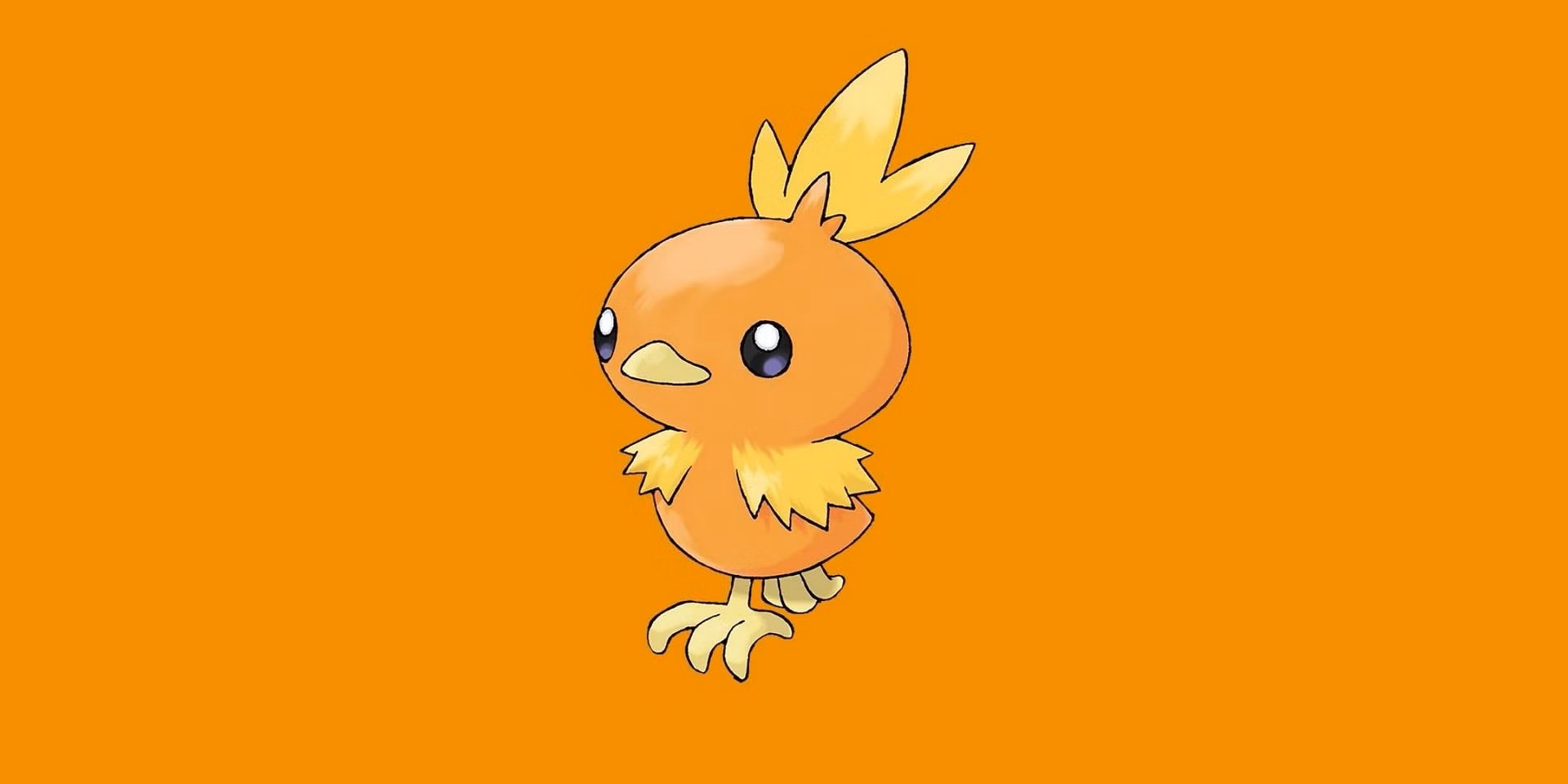
Torchic Is the Best Starter in Pokemon Emerald, Here’s Why

Pokemon Emerald, a beloved game in the Pokemon series, presents players with the difficult decision of choosing their starter Pokemon. The three options available are Treecko, Mudkip, and Torchic. While opinions may vary on which starter is the best, we aim to settle the debate by evaluating the starters based on their performance against the gym leaders and the Elite Four. In this article, we will explore the strengths and weaknesses of each starter and analyze their performance in various battles. So, let’s explore why Torchic emerges as the top choice for aspiring trainers in Pokemon Emerald. Starters vs Gym Leaders Gym Leader 1: Roxanne – Rock-type The first gym battle in Pokemon Emerald is against Roxanne, the Rock-type leader. This battle sets the stage for the starter Pokemon’s performance throughout the game. Treecko and Mudkip have a clear advantage in this battle due to their Grass and Water typings, respectively. Rock-type Pokemon are weak against Water and Grass moves, making them easy targets for Treecko and Mudkip. However, Torchic, being a Fire-type, struggles in this battle. Its Fire moves are not very effective against Rock types, putting it at a disadvantage. But there’s a twist—if Torchic evolves into Combusken before this battle, it learns Double Kick, a Fighting move that deals significant damage to Roxanne’s Rock-type Pokemon. This evolution transforms Torchic’s chances and makes it a formidable opponent in this gym battle. Gym Leader 2: Brawly – Fighting-type The second gym battle takes place in Dewford town against Brawly, the Fighting-type gym leader. This battle poses a challenge for all three starters. Neither Treecko, Mudkip, nor Torchic has a type advantage against Fighting types. However, if Torchic has evolved into Combusken, it gains a slight defensive advantage due to its dual typing of Fire and Fighting. Combusken can resist some of Brawly’s Fighting moves, giving it a fighting chance in this battle. Nonetheless, all three starters will need support from other Pokemon in their teams to overcome the type differences and emerge victorious. Gym Leader 3: Wattson – Electric-type The third gym battle awaits trainers in Mauville City, where they face Wattson, the Electric-type gym leader. By this point in the game, the starters should have evolved into their second forms. Wattson’s Electric-type Pokemon pose a challenge for Marshtomp, which is part Ground type and therefore vulnerable to Electric moves. On the other hand, Grovyle, the evolved form of Treecko, thrives in this battle. Grass types are resistant to Electric moves, giving Grovyle an advantage. Torchic, now Combusken, also holds its own due to Electric types’ neutrality to Fire moves. This gym battle highlights the different strengths and weaknesses of the starters and the importance of team composition. Gym Leader 4: Flannery – Fire-type Flannery, the Fire-type gym leader, awaits trainers in Lavaridge Town for the fourth gym battle. This battle presents a unique challenge as it pits Fire types against each other. Combusken, with its dual typing of Fire and Fighting, struggles against Fire types due to their resistance to Fire moves. Grovyle, on the other hand, is at a disadvantage because Grass types are weak against Fire moves. In this battle, Marshtomp, the evolved form of Mudkip, shines brightly. Its Water typing gives it a clear advantage against Fire types, making it the best choice for this gym battle. Trainers must be mindful of the type matchups and choose their starter accordingly to ensure success. Gym Leader 5: Norman – Normal-type Norman, the Normal-type gym leader and the father of the player character in the game, presents an interesting battle. Normal types do not have many inherent advantages or disadvantages, making this battle a test of strategy and team composition. Combusken, with its Fire and Fighting typing, stands out in this battle. Its Fighting moves deal double damage to Normal types, giving it a significant advantage. While Treecko and Mudkip do not have a type advantage, they can still hold their own with their respective movesets and strategies. This gym battle emphasizes the importance of move selection and understanding the strengths of each starter. Gym Leader 6: Winona – Flying-type In Fortree City, trainers face the Flying-type gym leader, Winona, in the sixth gym battle. This battle proves to be a real test, as Flying types can be formidable opponents. Combusken, with its Fire and Fighting typing, emerges as the clear winner in this battle. It has the ability to defeat two of Winona’s Flying-type Pokemon, thanks to its diverse moveset and type advantage. Grovyle, with its Grass typing, can take down Winona’s Grass/Flying type Pokemon, while Marshtomp struggles to find usefulness in this particular fight. The diverse challenges presented by Winona’s team highlight the different strengths and weaknesses of the starters. Gym Leader 7: Tate and Liza – Psychic-type Tate and Liza, the twin gym leaders, specialize in Psychic-type Pokemon and provide a unique challenge for trainers. This battle introduces a mix of types, making it more complicated to determine the best choice. Claydol, the first Pokemon faced in this battle, is weak to Grass and Water moves, making Grovyle and Marshtomp viable options. However, Grovyle’s weakness to Flying moves can be problematic if it goes up against Xatu. Marshtomp, being a Water/Ground type, remains a safe bet in this battle. Combusken can also perform well, especially if it has learned Fighting-type moves that receive same type attack bonuses (STAB). This gym battle requires strategic thinking and understanding of type advantages to emerge victorious. Gym Leader 8: Juan – Water-type The final gym battle is against Juan, the Water-type gym leader. At this point in the game, all three starters should be fully evolved and at their most powerful. However, if Mudkip was chosen as the starter, it faces a disadvantage in this battle due to the Water typing of Juan’s team. On the other hand, Blaziken, the evolved form of Torchic, struggles against Water types due to their resistance to Fire moves. This leaves Sceptile, the evolved form of Treecko, as the optimal choice

Reliving the Classic: A Review of Snake Rattle ‘n’ Roll for NES

Snake Rattle ‘n’ Roll is perhaps one of the most memorable classic games available on NES. It was originally released in 1990 and has since become a classic in the gaming world, loved by gamers everywhere for its quirky charm and exciting gameplay. This game follows the adventures of two snakes, Rattle and Roll, through a series of increasingly difficult levels in a quest to reach the moon. Snake Rattle ‘n’ Roll is considered a classic due to its timeless gameplay, excellent graphics, and sound design. This game stands out for its unique mechanics and quirky sense of humor, making it a unique entry into the world of NES gaming. The legacy of Snake Rattle ‘n’ Roll is significant, and to examine its inception and impact on the NES gaming world is what makes this classic game worth revisiting. The Storyline of Snake Rattle ‘n’ Roll Snake Rattle ‘n’ Roll is renowned for its unique concept and light-hearted approach to gaming. The game starts with two snakes, Rattle and Roll, working together to collect “Nibbley Pibbleys” and “Rattle-Tiles” to unlock doors and advance through the levels. The ultimate goal is to reach the home of the ‘Great Turmaculus,’ where the winners will be transformed into snakes and granted eternal life. The in-game plot is simple but engaging. The two snakes, Rattle and Roll, have to navigate various threats and obstacles to become bigger, stronger and eventually reach their goal. Despite the simple plot, the game keeps players intrigued with stunning graphics and engaging dialogue. The humorous storyline also injects light-hearted fun into what is otherwise a challenging game. Furthermore, Snake Rattle ‘n’ Roll manages to incorporate humor and whimsy into its gameplay. The game is playful, with new enemies and obstacles popping up regularly, giving the game an exciting dimension. For example, players could encounter a giant foot that squishes the snakes, or a weight that falls from the sky and squashes them if they are too slow to move. These elements add to the charm that Snake Rattle ‘n’ Roll is known for and it’s why the game is still regarded as a classic example of NES gaming. Gameplay Mechanics Snake Rattle ‘n’ Roll has a unique gameplay mechanic that sets it apart from other NES titles. The game features two snakes that players control as they navigate levels, fight enemies, and collect items. The gameplay mechanics of the game are simple to understand but challenging to master. The snakes are controlled by the D-pad and can jump and attack enemies. Players must eat pellets to increase the length of their snakes to reach certain areas or defeat bosses. One of the defining aspects of Snake Rattle ‘n’ Roll is the variety of levels and challenges that players encounter. From simple terrain in the initial levels, the game gradually becomes more difficult, featuring challenges such as slippery ice or even an entire level set inside a pinball machine. As the players progress, the game adapts and changes to challenge them. The game’s difficulty is not based merely on increasing the number of enemies but by introducing new game mechanics and level designs. This keeps the game fresh and exciting for players who progress through the different levels. Overall, Snake Rattle ‘n’ Roll is a game that delivers both challenging and fun gameplay with a good mix of variety and strategy. The gameplay mechanics and level design remain enjoyable and fresh even to modern audiences, making this game a true classic of the NES era. Graphics and Sound The graphics of Snake Rattle ‘n’ Roll for NES have a unique charm that has stood the test of time. The game features colorful environments and characters that are reminiscent of the vibrant cartoon world of the 1990s. The game’s graphics add to its playful, lighthearted tone and help differentiate it from other NES games of the era. The animation for the snakes’ movements is smooth and fluid, contributing to the game’s engaging gameplay. The sound effects and soundtrack in Snake Rattle ‘n’ Roll are also noteworthy. The sound effects are well-designed and reactive, with different noises indicating different gameplay elements, such as collecting pellets or falling into the water. The game’s soundtrack is composed of catchy, upbeat tunes that match the game’s whimsical atmosphere. The contribution of sound effects and soundtrack to the game’s overall experience cannot be overstated. The sound design keeps the player engaged and adds to the game’s overall immersion in the colorful world of the game. The tunes are memorable, and players will often remember the game soundtrack, contributing to Snake Rattle ‘n’ Roll’s enduring legacy. The Legacy and Impact of Snake Rattle ‘n’ Roll Snake Rattle ‘n’ Roll has undoubtedly left its mark on the gaming community and has had a profound impact on future gaming. Despite being released over three decades ago, the game remains a classic and is remembered fondly by many gamers today. One of the most notable legacies of Snake Rattle ‘n’ Roll is its unique gameplay mechanics. The game involved controlling cute snakes, collecting body parts, and gaining strength to fight big enemies. The successful implementation of these mechanics in Snake Rattle ‘n’ Roll helped set a new standard for platformer games. The game introduced new ideas to the gaming community and was a forerunner in introducing new mechanics in the platformer genre. Additionally, it pioneered the use of isometric camera angles, which gave gamers a fresh perspective on the gaming world. The innovation led to future games adopting the technique and ultimately popularizing the limited perspective in gaming, which later became a standard feature in many games. Finally, the game helped create a sense of community around the gaming industry. The fact that gamers continue to discuss Snake Rattle ‘n’ Roll decades after its release is a testament to the impact it had on the community. It helped bring like-minded people together, creating long-lasting friendships and gaming relationships, an achievement that can never be measured and will always be

Vintage Vigilante: Batman Returns Sega Game Gear Review

Batman has long been one of the most popular comic book characters of all time, having been a staple of pop culture for decades. From his beginnings in comic books to TV shows, movies, and video games, Batman has continually captivated audiences with his dark and brooding persona. One of the games in which Batman makes an appearance is Batman Returns for the Sega Game Gear. This particular game was released in 1993, around the same time as the movie of the same name featuring Michael Keaton as Batman. In this review, we will be examining the gameplay, graphics, sound design, and legacy of Batman Returns for the Sega Game Gear to determine whether it still holds up over twenty years after its initial release. Gameplay and Storyline Batman Returns for Sega Game Gear is an action-packed game that offers a thrilling gaming experience. The game features a side-scrolling gameplay style that carries the player through various levels filled with intense combat sequences. The gameplay mechanics in Batman Returns are relatively easy to pick up, with the primary objective being to defeat enemies and bosses in each level. As far as controls go, the game is quite responsive. Players can move Batman freely in any direction, jump, crouch, and attack with their batarang. The game also features power-ups that enhance Batman’s abilities, making him a more formidable opponent. The narrative of the game is a loose adaptation of the 1992 movie of the same name. The game takes players on a dangerous journey through the dark streets of Gotham City, as Batman attempts to thwart the evil plans of the notorious villain, the Penguin. Along the way, players encounter various other supervillains, including the Joker, who will stop at nothing to prevent Batman from completing his mission. There are also allies that players can encounter, such as Catwoman, who can offer assistance in their quest to save the city. The game also features some of the most iconic Batman gadgets, including the grappling hook and the batarang, which players can use to traverse the city or take down enemies. The gameplay and storyline of Batman Returns for Sega Game Gear combine to create an immersive gaming experience that should not be missed. Graphics and Sound Design The graphics and sound design in Batman Returns for Sega Game Gear helped create an immersive and engaging gaming experience for players. Despite featuring monochrome visuals due to the hardware limitations of the console, the game utilized them effectively to convey the darker tones of the Batman universe. The character sprites were well-designed, with fluid animations that contributed to the game’s smooth gameplay. Likewise, the backgrounds and set pieces were intricately detailed, providing players with a visually appealing world that felt like it was taken from the comic book pages. Additionally, the sound design in Batman Returns stood out among other games of the era. The game’s music was well-composed, lending itself well to the game’s darker tones. The sound effects were also suitably impactful, with each punch and attack having a satisfying thud to it. When compared to other games of the time, such as the Game Boy’s Batman: The Animated Series, Batman Returns for Sega Game Gear displays a level of detail and care that was not always present in other handheld games of the era. Overall, the combination of the stylish graphics and exciting sound design in Batman Returns for Sega Game Gear helped elevate it from other licensed games and stands as one of the handheld console’s hidden gems. Reception and Legacy Batman Returns for Sega Game Gear was met with mixed critical reception upon its release in 1993. Critics praised the game’s graphics and sound design, which were regarded as top-notch for a portable system at the time. However, the gameplay was criticized for being too difficult and repetitive, with some feeling that it lacked the depth and complexity of other Batman games. Despite the mixed critical reception, Batman Returns for Sega Game Gear has been noted for its influence on the Batman franchise. It was one of the first portable games to feature the iconic character, helping to popularize him with younger generations. The game also helped establish the “beat-em-up” genre, which would go on to become popular in other superhero games. Additionally, Batman Returns for Sega Game Gear has had a lasting impact on later Batman games. Elements such as the use of Penguin and Catwoman as villains continue to be used in modern adaptations, and the “beat-em-up” mechanics can be seen in other Batman games on various platforms. Personal Reflection and Recommendation Looking back on my experience with Batman Returns for Sega Game Gear, I can’t help but feel a sense of nostalgia. As a young gamer, I was obsessed with playing this game over and over again. The tight gameplay mechanics, the engaging storyline, and the beautiful graphics and sound design all contributed to an unforgettable experience. For gamers who are interested in playing Batman Returns for Sega Game Gear, I highly recommend giving it a try. Although the game is over 25 years old, it still holds up as a classic example of what made Sega Game Gear such a beloved console. The game is still accessible and runnable today through emulation or hardware mods. In conclusion, Batman Returns for Sega Game Gear is a timeless classic that has held up well over the years. If you’re willing to look past the limitations of the platform, you’ll find a deeply engaging and immersive experience that you won’t soon forget. FAQs: 1. Is Batman Returns for Sega Game Gear a side-scrolling game? Yes, it is a side-scrolling action game with beat ’em up elements. 2. Can you play as other characters besides Batman? No, you can only play as Batman in this game. 3. How does the game’s story relate to the movie with the same name? The game’s story is loosely based on the events of the movie, but with some differences and

Jack Bros. Virtual Boy Review: Spectral Stroll Down Memory Lane

Jack Bros. is a unique Virtual Boy game that has garnered immeasurable attention through the ages. Developed by Atlus, published by Nintendo, Jack Bros. is an action-packed 2D platformer that falls under the category of top-down dungeon crawlers. The game was released in 1995 exclusively for Virtual Boy, the ill-fated console produced by Nintendo. Despite its unimpressive sales and the Virtual Boy’s lack of commercial success, Jack Bros. was critically acclaimed for its unique gameplay mechanics and extensive lore. It also served as a precursor for role-playing games of the future. The game’s conception and development, as well as its influence in the gaming industry will be discussed further in this article. Let’s take a trip down memory lane to understand why Jack Bros. was and still is worth discussing. Spectral Stroll Down Memory Lane: Jack Bros. Virtual Boy Review Released in 1995 for the Virtual Boy console, Jack Bros. was one of the few games produced by Atlus that featured its popular mascot, Jack Frost. Jack Bros. featured a simple but interesting story, familiar mechanics, and a charming design that is sure to appeal to retro gamers. The game starts with Jack Frost receiving a letter from another dimension, inviting him and his friends, Jack Lantern and Jack Skellington, to participate in a trial. Upon arrival, they’re told about a magical item in the middle of the maze that they must retrieve and obtain the most treasure in the shortest amount of time. Players take control of their preferred Jack as they traverse through seven levels of increasingly difficult mazes, fighting off hordes of enemies along the way. Each playable character in Jack Bros. has its strengths and weaknesses. Jack Frost has balanced stats, Jack Lantern has increased speed and agility, and Jack Skellington has higher HP and defense power. Players must decide which character suits their play style and adjust strategies accordingly. The mazes come with different floor traps and enemies, including ghosts, goblins, and various monsters. Throughout the levels, players can collect treasures, health packs and power-ups that enhance the Jack’s capabilities, like faster running speed, rapid-fire, and higher jumping. Once the players reach the final room and retrieve the item, they must fight the boss to exit the maze. The end goal is to complete the game with the most treasures and in the shortest time possible. Overall, Jack Bros. has a unique story that may be short, yet profound, while its gameplay feels familiar to other dungeon crawlers of its generation. Most notable is its colorful 3D graphics, memorable characters, and fun gameplay. Jack Bros. for Virtual Boy – A Gameplay Review Jack Bros. is a quirky, fast-paced game that takes place in a magical world filled with demons, mazes, and other obstacles. The controls are simple and intuitive, which lets you jump right into the game without any obstacles. You can play as Jack Frost, Frost Ace, or Jack Lantern, each with its own unique sets of skills. The gameplay mechanics are relatively smooth, and the game moves along at a good pace. The gameplay revolves around navigating maze-like stages. The objective is to reach the portal at the end of each level while avoiding or defeating the different enemy types lurking within it. A timer ticks down as you navigate each stage, adding a sense of urgency and tension to the game, which increases as it progresses. The game includes several enhancement items scattered through levels, such as clocks and power-ups such as speed boosts and weapons upgrades that make your characters more efficient and stronger. Players will come across different enemies such as bats and zombies in higher levels, which generally require more strategic planning. The game offers a good balance, letting you proceed to the next stage smoothly without being too easy or too difficult. Overall, the gameplay mechanics and controls are simple and intuitive. Jack Bros. is enjoyable to play and a great time-killer. It can be played in short bursts or for longer periods, and the fast pace keeps the game engaging and fresh. In the next part of this article, we’ll move on to an analysis of the game’s graphics and sound design. Graphics and Sound Design Despite its limitations, Jack Bros. offers a visually impressive experience on the Virtual Boy. Its art style and level designs offer a unique and memorable experience. The game utilizes a top-down perspective with a variety of vivid colors that stand out on the Virtual Boy’s red and black palette. The game’s graphics are smooth and polished, with no issues with a choppy framerate. The designs of each stage are distinct, with detailed textures and imaginative enemy types. Players will find themselves navigating through environments that range from mystical castles and dangerous dungeons to science fiction space stations. Sound design is a standout feature of the game, with memorable music, voice acting, and sound effects. The music, composed by Go Ichinose, is an electronic soundtrack that provides a unique soundscape that blends perfectly with the art style. The game’s sound effects match the theme of each level and produce an immersive experience for players. Additionally, the voice acting adds a layer of personality to each character, which is rare in a game of its age and console platform. The graphics and sound design elements in Jack Bros. are one of the game’s brightest spots. Despite the console limitations, developers managed to produce a high-quality audiovisual experience that has stood the test of time. The game’s graphics and sound design epitomized the core elements of the game, as they are engaging, immersive, and memorable. Legacy and Reception Jack Bros. was one of the few games available for Virtual Boy, and given the limited game library, it holds a unique place in console history. Despite its novelty, it received mixed reviews from critics and gamers alike. While some players praised the game’s approachable gameplay and charming design, it was far from a critical darling. Many critics criticized its lack of depth and frustrating

Nostalgia Trip: Smash TV NES Game Review

Welcome fellow gamers! Today, we take a trip down memory lane with one of the most iconic NES games of all time – Smash TV. As we all know, video games have the ability to transcend time and create memorable experiences. The nostalgia factor is a big enticement for gamers, pulling us back in time to relive the joys of our childhood. Smash TV is a game that holds a special place in the hearts of many gamers and we’re excited to give our take on this classic game. So, what makes this game special? For starters, it is one of the pioneers of the top-down shooter genre. Developed by the gaming titans Williams Entertainment and Eugene Jarvis, it was released in 1990 which was a relatively early era in gaming. In this article, we will delve deeper into all aspects of this fantastic game. From its development to its gameplay mechanics, we will explore it all! History of Smash TV Smash TV is an arcade-style video game developed and published by Williams Electronics in 1990. The game features a dystopian theme and a gameplay style that is reminiscent of old-school arcade games. It became an instant hit, popular for its frenetic gameplay, high-tech weaponry, and unique game mechanics. The game is a spiritual successor to another popular arcade game, Robotron: 2084, which was also developed by Williams Electronics. Despite being released over 30 years ago, the game’s core gameplay mechanics are still well-received among the gaming community. Smash TV’s impact on the gaming industry is undeniable. Its success led to the development of other arcade-style games like Total Carnage and Super Smash TV. The game’s popularity inspired other developers to create similar games that feature themes of violence and dystopia. When Smash TV was first released, it received heavy criticism due to the nature of its violent content. Some gamers found it a little too intense and gory. However, the game quickly became a cult classic due to its unique gameplay mechanics and frenetic style. It was a commercial success and was ported to several gaming platforms, including the NES, Game Boy, and Sega Genesis. Smash TV’s legacy continues even to this day, with several modern games adopting similar gameplay mechanics and themes. The game’s success helped pave the way for other wildly successful arcade-style games like Mortal Kombat and Street Fighter II. In conclusion, Smash TV has an impressive history in gaming. Its development and release marked a shift in the industry, and its success paved the way for other popular arcade-style games that followed. Its impact continues to be felt even today, with the legacy of arcade-style gaming still seeing an influence from the withstood popularity of pre-boom games like Smash TV. Gameplay Mechanics When discussing the gameplay mechanics of Smash TV for NES, we must first talk about the controls and interface. This game utilizes a simple controls system that is easy to master and allows the player to focus on the action. The directional pad is used to move, and only two buttons are utilized: one for firing and one for special weapons. This straightforward control scheme simplifies the experience and makes it accessible for players of all skill levels. The play style of Smash TV can be described as top-down shooter with twin-stick controls, meaning the movement and shooting are independent of each other. This play style makes the gameplay feel smoother and more dynamic, allowing players to aim their weapon one way while moving in another direction. Power-ups are an essential aspect of Smash TV’s gameplay. These power-ups can provide health, increase weapon damage, or enhance the player’s mobility. Strategically gathering these power-ups is important for players looking to progress through the game’s levels. In conclusion, Smash TV’s intuitive controls, twin-stick play style, and innovative power-up system make it an enjoyable and engaging gaming experience. These mechanics, when combined with the game’s arcade-style presentation, make it a perfect game to revisit and enjoy with a burst of nostalgia. Graphics and Sound One of the standout features of Smash TV on the NES is its unique combination of graphics and sound. The graphics are well-designed, with sharp, colorful pixels and a retro style. The game’s top-down view makes it easy to distinguish characters and obstacles, which is crucial since the gameplay involves fast action and often intense battles. Furthermore, the sound effects in Smash TV are superb. From the satisfying chime when collecting a power-up to the electrifying explosions of boss fights, the soundscape of the game is masterfully designed. It successfully creates a feeling of excitement and danger that keeps players hooked. Together, these elements contribute to the overall vibe of the game. With its retro graphics and electrifying sound effects, Smash TV feels like a living, breathing time capsule from the golden age of arcade gaming. There’s a sense of nostalgia that comes with playing this game, which perfectly complements the fast-paced, addictive gameplay. In conclusion, the graphics and sound in Smash TV are integral to the game’s experience. They work together to create a unique ambiance that draws players into the world of the game. The combination of retro graphics and well-designed sound effects gives the game a sense of authenticity that sets it apart. Replayability and Legacy One of the defining features of Smash TV is the game’s lasting appeal. Despite being released over three decades ago, the game continues to captivate gamers of all ages. The longevity of Smash TV can be attributed to several factors, including the game’s addictive gameplay and unique visual style. When compared to modern gaming trends, Smash TV may seem simplistic and outdated. However, the game’s top-down, twin-stick shooter mechanics inspired a legion of games that followed. Titles like Geometry Wars and Helldivers took cues from the Smash TV playbook and expanded upon its core gameplay concepts. For many gamers, though, Smash TV is much more than just a vintage arcade game or an influential work of game design. The game has a

Rolling Back the Stone Age: The Flintstones – Rescue of Dino and Hoppy NES Review

Are you searching for an NES game that has some of the cherished aspects of a classic cartoon? Look no further than Flintstones – Rescue of Dino and Hoppy. Released in 1991, this game is a nostalgia-inducing throwback for many gamers; it’s a platformer brimming with collectibles and classic characters. For those who are new to the game, we’ve prepared a detailed review to help you understand the game’s plot, mechanics, gameplay experience, and more. The purpose of this review is to provide a comprehensive look at the game’s design, including its strengths and weaknesses. Get ready to enter a world of prehistoric gaming fun with Flintstones – Rescue of Dino and Hoppy! Overview of the Game The Flintstones – Rescue of Dino and Hoppy is a classic side-scrolling platform game developed for the Nintendo Entertainment System (NES). The game comes with a fairly simple plot: Fred Flintstone’s pet dinosaur Dino and his wife’s kangaroo Hoppy are kidnapped, and Fred, along with his friend Barney Rubble, is on a mission to rescue them. The game has six levels, each of which requires the player to navigate through obstacles, defeat enemies, and overcome challenges. Along the way, players collect items such as bones, hearts, and coins that provide points and power-ups. The game ends with a boss battle against the main antagonist, who has kidnapped Dino and Hoppy. The game’s characters reflect the likenesses of popular characters from the Flintstones TV show. Fred and Barney are the protagonists, while Wilma, Betty, and other characters make appearances throughout the game. The game’s mechanics and controls are straightforward, and players use the NES controller to move the character left or right, jump, and poke enemies with a club or their bare hands. The game has a few hidden power-ups and items that can help players progress through levels. The game received mixed reviews upon release, with some praising its presentation, gameplay, and challenge factor, and others criticizing certain aspects of the game, such as the frustratingly difficult boss battles and lack of variety in gameplay. Gameplay and Features Flintstones – Rescue of Dino and Hoppy is a platformer game with simple mechanics. The game comprises five stages, and each one has its own set of unique challenges and obstacles. In each stage, the player controls Fred Flintstone as he navigates his way through various terrains with the ultimate goal of rescuing his pet Dino and his adopted hopparaoo, Hoppy. Throughout the game, Fred faces different enemies, such as saber-tooth tigers, cavemen, and prehistoric birds. To defeat them, he can use his club to knock them out or jump on them. The game also includes various power-ups, such as hearts to restore health, invincibility power, and extra lives. Completing each stage requires a combination of jumping, timing, and dexterity. In level one, for example, Fred jumps across platforms over water and fights off prehistoric birds. In level two, Fred must slide down a series of chutes and dodge various hazards while picking up items. Level three presents a more complex maze-like terrain, with interlocking cogwheels and conveyor belts. The game’s mechanics are simple yet fun, as players must use timing and strategy to outsmart each level’s challenges while avoiding enemies and hazards. The different power-ups and enemy styles keep the gameplay interesting, ensuring that players are constantly engaged. The different gameplay features contribute to the overall experience of the game in a significant way. The straightforward mechanics and controls make Flintstones – Rescue of Dino and Hoppy accessible to players of all skill levels. The game’s different levels and obstacles provide a challenge that ensures players remain engaged and motivated as they progress through the stages. Overall, Flintstones – Rescue of Dino and Hoppy is an enjoyable gaming experience that offers hours of entertainment. The combination of unique levels, different enemies and power-ups, and straightforward mechanics creates an interesting and engaging gameplay experience. Graphics and Sound Flintstones – Rescue of Dino and Hoppy on the NES boasts bright colors and impressive animations. The game visually transports players back to Bedrock, where Fred Flintstone, Barney Rubble, and Dino go on a series of adventures. The characters are well-designed, and seeing them in an 8-bit world is a treat. The game’s soundtrack is energetic and lighthearted and fits well with the overall game theme. The background music is catchy and engaging, and the sound effects are spot-on. Players will hear Dino’s growls and Fred’s yells perfectly, elevating the immersion experience of the game. The graphics and sound are a significant factor in how the game is perceived by players and add to the gameplay experience. Overall, the graphics and sound of Flintstones – Rescue of Dino and Hoppy are some of the strongest aspects of the game, creating an immersive and nostalgic atmosphere that players will not forget soon. Comparison with Similar Games At the time of its release, “Flintstones – Rescue of Dino and Hoppy” was just one of several platformer games available on the Nintendo Entertainment System (NES). Some of the most popular games of the time included “Super Mario Bros.,” “Mega Man,” and “DuckTales.” Though all of these games share some similarities with “Flintstones – Rescue of Dino and Hoppy,” there are several key differences that set the Flintstones game apart. Firstly, the “Flintstones – Rescue of Dino and Hoppy” game is based on the famous cartoon TV show “The Flintstones.” This gives it a unique appeal and an established fanbase that some of the other games lacked. Additionally, “Flintstones – Rescue of Dino and Hoppy” offers unique gameplay features that distinguish it from similar platformer games. For example, the game requires players to control two characters simultaneously, Fred Flintstone and Barney Rubble, both of whom have different abilities that must be used strategically to complete levels. This adds an extra layer of difficulty and complexity that is not present in many other platformer games. Moreover, “Flintstones – Rescue of Dino and Hoppy” offers a variety of themed levels that keep gameplay

High Kick to the Past: The Karate Kid NES Review

Welcome to our review of The Karate Kid NES game. The Karate Kid is a side-scrolling action game that was released for the Nintendo Entertainment System in 1987. Designed by LJN Toys, the game is based on the popular 1984 movie The Karate Kid. The game is set in the world of the movie and allows players to control the protagonist, Daniel, as he fights his way through various levels, including the Cobra Kai dojo. In this review, we will explore the game’s gameplay mechanics, graphics, sound, story, characters, difficulty, and replay value. Our goal is to provide you with an in-depth understanding of The Karate Kid NES game, covering everything you need to know before playing it. We will also provide a rating and recommendation for the game at the end. Before we delve into the game itself, let’s take a brief look at the Nintendo Entertainment System (NES), as it plays a significant role in the history of gaming. The NES was released in 1985 and is widely considered the most successful video game console of the 1980s. It revolutionized the video game industry and introduced many classic games, including The Karate Kid. So, let’s kick off and see what this game has to offer! The Karate Kid NES Review: Gameplay Mechanics and Controls The Karate Kid NES game provides an immersive experience that requires precise and timely inputs from its players. The controls are comfortable and easy to understand. The characters’ movements are smooth and responsive, and collision detection is spot-on. The game’s difficulty level is gradually increased as you progress through the levels, providing a challenging yet rewarding experience. Combat mechanics and moves in The Karate Kid NES game simulate realistic fighting moves and stances. Players can execute moves like punch, kick, jump-kick, and block, which can vary depending on the character’s position and direction. Each move can be used to perform devastating combinations and finishers that increase the player’s score. The game has different levels and objectives that provide variety in the experience. The player’s objective is to guide Daniel-San through different levels and face different opponents, mostly members of the Cobra Kai dojo. The game’s excellent level design is varied, and each level presents a unique objective to move forward. The game will require players to sweep the leg of opponents or catch flies with chopsticks and fight against the enemy sensei in the end. All in all, The Karate Kid NES game delivers a fantastic and engaging gameplay experience. The controls are intuitive, the moves are diverse, and the combat mechanics are solid. The game’s different levels and objectives provide a variety of challenges that will keep the players motivated to progress. In the next section, we will examine the game’s graphics and sound. Graphics and Sound The Karate Kid for the NES boasts beautiful visuals and animations that perfectly capture iconic moments from the movie. The different levels are beautifully designed and do a great job of immersing players in the world of The Karate Kid. The different moves and attack animations are particularly impressive, and the attention to detail is remarkable. The sound effects in the game are an integral part of the gameplay experience, adding a sense of realism to each punch, kick, and block. The music and voice overs are also noteworthy, perfectly encapsulating the feel and tone of the movie. It’s impressive how the developers managed to recreate such a well-known score that gets the player in the right mood for the game. In comparison to similar NES games, The Karate Kid stands out with its high-quality graphics, animations, and sound. In other games from this era, the graphics are often pixelated or choppy, and the music is repetitive and forgettable. However, The Karate Kid manages to avoid these pitfalls by delivering a visually stunning game with a fantastic soundtrack. The cohesive design and attention to detail make this a game worthy of any NES collection. Story and Characters The Karate Kid NES game is a classic side-scrolling action game that revolves around the events of The Karate Kid movie. The player gets to control Daniel LaRusso as he takes on bullies and wins the All-Valley Karate Tournament, ultimately defeating his nemesis, Johnny Lawrence. The game follows the same storyline as the movie and allows players to relive the iconic moments that made The Karate Kid a fan favorite. One of the most impressive aspects of The Karate Kid NES game is the way it has translated the characters of the movie into the game. Daniel and Johnny are both accurately depicted, with each character having their unique moves and abilities. Players will be able to experience the characters’ motivations and personalities through their actions in the game. When it comes to the game’s antagonist and protagonist dynamics, the game does an excellent job of portraying Johnny and Daniel’s rivalry. Johnny is the stereotypical 80s bully, cocky and ruthless, while Daniel is the underdog determined to overcome the odds. The game encapsulates their unique development throughout their confrontations and accurately presents their contrasting personalities, which makes the game even more enjoyable for fans of the movie. Comparing the game’s storyline to other Karate Kid media, it remains faithful to the original plot, with slight tweaks to fit the platform. The Karate Kid NES game proves to be a genuinely immersive experience for those interested in the movie. It is a great way of reliving movie moments, which is magnificent considering its level of detail in storyline and character development. Difficulty and Replay Value Karate Kid was definitely not an easy game. It was known for its difficulty level, and players had to have patience and dedication to beat it. The game was designed to be challenging, and it required both strategy and skill to progress in the game. In this game, players are tasked with mastering different combat moves and advancing through multiple levels filled with obstacles and enemies. The game’s difficulty increases as the player advances,

Rolling Back the Years: A Review of Marble Madness on NES

Marble Madness, first released on the NES in 1989, is a classic game that remains popular among avid gamers to this day. The game features a simple but intriguing storyline where players must guide their marble through a variety of challenging levels while avoiding numerous obstacles and hazards. Its popularity in the 80s and 90s is due to the game’s unique gameplay mechanics, immersive level design, and intriguing graphics and sound. Marble Madness was originally released as an arcade game in 1984 before being ported to different gaming consoles. However, it was the version released on the NES that garnered the most attention from gamers, with its 2D graphics and challenging gameplay capturing the hearts of many. As a classic game, Marble Madness has stood the test of time and is still played by gamers around the world. In the following sections, we’ll take a deeper dive into the gameplay mechanics, the good and the bad aspects of the game, its impact and legacy, and much more. Join us as we explore the world of Marble Madness, and why it’s still worth revisiting after all these years. Gameplay and Mechanics Marble Madness on NES has a simple but challenging objective. Players control a marble across various obstacle courses to reach the finish line within the time limit. The marble will shatter if it falls off the course or gets hit by the enemy elements. The game has six visually distinct levels with unique designs that require different strategies to reach the end. The gameplay mechanics are easy to pick up, but mastering them is a different story. By using a directional pad to move the marble and two buttons to make the marble jump and brake, players must navigate the treacherous levels and avoid enemy elements. The controls are challenging but are also responsive, making the experience feel solid and consistent. However, what stands out beyond the engaging controls is the level designs. Each level provides a unique and distinct appearance, from a slippery ice rink to a course constructed from familiar toy parts. Players must use different strategies to beat each level, which requires various skills, including recognizing the patterns in the level designs, learning to control the marble’s momentum effectively, and assessing potential threats and opportunities. Marble Madness’s level design is an icon for the era, which showcases the design and technical prowess of the game developers. The colorful and cavernous levels are stunning, and the music works well with the gameplay. The game is well-balanced in its difficulty, making the game enjoyable for both casual and experienced players. Overall, Marble Madness on NES provides an excellent gaming experience with its simple gameplay mechanics and challenging level designs. It is an enjoyable game that players of all ages can immediately understand and appreciate. The game’s fun objective coupled with its responsive controls and distinct level designs keep players engrossed for hours, making it an excellent classic game worth revisiting. The Good: What Makes Marble Madness Fun Marble Madness is a game that has stood the test of time due to its unique game design and innovative gameplay mechanics. Here are some of the elements that made the game a classic: – Level Variety and Creativity: Marble Madness consists of six levels, which all have distinct designs and themes. The players transport their marble throughout these levels while navigating through various obstacles, traps, and challenges. Each level’s unique obstacles and barriers add to the variety and excitement of gameplay. – Gameplay Mechanics: The game’s objective is simple: guide the marble to the end of each level as fast as possible; however, the gameplay mechanics are far from easy. The controls are intuitive yet challenging, where a slight mistake can cause the player to start over. Though it is not an easy game, players will be drawn to it nonetheless. – Visuals and Audio: As far as games from the 1980s go, the graphics are top-notch. Each level has its distinct look and feel, and the colors are vibrant and bright. The game’s audio design is also excellent, with exciting and fun sound effects that enhance the gameplay. Marble Madness was undoubtedly ahead of its time in terms of design, and it’s evident in the games that followed suit after its release. Games like Super Monkey Ball, Spindizzy and even mobile games like Rolling Sky, all took inspiration from Marble Madness. The game’s level of creativity, gameplay mechanics, visual and audio design made it an endearing classic still played and talked about today. The next section will touch upon some criticisms, so don’t put your retro console away just yet. The Bad: Criticisms of Marble Madness Marble Madness is undoubtedly a classic game that stands the test of time. However, it is not without its fair share of criticisms. Here are some of the flaws and weaknesses that detracted from the game’s overall experience: – The game can be incredibly challenging and frustrating. The steep difficulty curve, combined with the limited lives, means that players will find themselves starting over repeatedly. – The lack of co-op or multiplayer modes makes the game feel lonesome and isolating. Marble Madness can be a competitive game, and it feels like a missed opportunity not to include any multiplayer options. – The game was criticized for being an “arcade port,” with many users feeling like not enough changes were made to the game from the arcade version. Some players wanted more levels and more variety. – When compared to other games in the same genre, Marble Madness has a short playtime. For some players, the game’s limited content feels underwhelming. At the time of release, the game received a mixed reception from critics. Some praised the game’s unique concept and excellent execution, while others found it too difficult and frustrating. Regardless, the game has endured and has even had a significant influence on future titles in the genre. Overall, while Marble Madness has some significant flaws that may be a turn-off for some

Future of the Past: F-Zero X N64 Review

F-Zero X N64, a classic racing game released in 1998 for the Nintendo 64 console, has firmly stood the test of time. Developed by Nintendo and Nintendo EAD, F-Zero X N64 takes players on an intergalactic journey where they can select from 30 unique hover-car racers and compete on various tracks with insane twists and turns. The game, the first F-Zero game of its kind, was widely received and generated significant buzz among gamers of all ages. Even though it’s been over two decades since the game’s release, F-Zero X N64 is still widely admired for its fast-paced gameplay and mechanics that influenced modern-day racing games. In this review, we will breakdown the different elements of F-Zero X N64 and dive into what made this game a classic. Background: F-Zero X N64 may be one of the lesser-known titles in the Nintendo 64 library, but it maintains a passionate fanbase to this day. This high-speed futuristic racing game was developed and published by Nintendo themselves, released in 1998 as a follow-up to the original F-Zero game for the Super Nintendo Entertainment System. The F-Zero series was a pioneer in the racing genre, known for its fast-paced futuristic style and ability to create a sense of speed unrivaled by other racing games of the time. F-Zero X N64 continued this tradition with improved graphics, faster gameplay mechanics, and new gameplay elements. Developed during the “golden age” of Nintendo, F-Zero X N64 developed by the legendary Shigeru Miyamoto himself with the guidance of Kazunobu Shimizu who directed several popular SNES titles. The design aimed for players who enjoyed more difficulty, focused on a high speed racer, which needed precision in maneuvering and skill. The game famously featured a large number of racers, each with unique abilities that required players to study and master if they wanted to be successful. Racing in F-Zero X N64 was not just a matter of driving in a straight line but involved dodging obstacles and avoiding your opponents who more times than not were also equipped to deal damage. Compared to its predecessor, F-Zero X N64 featured improved graphics, a smoother frame rate, and a better understanding of the requirements to make a racing game. The game was designed from the ground up, with entirely new graphical assets and some of the most impressive special effects seen in the console generation. Its custom-built game engine designed to provide fast gameplay that captured the intensity of the racing genre. Overall, F-Zero X N64 represented the pinnacle of the F-Zero series and set the standard for futuristic racing games to come. It was an instant hit with gaming enthusiasts, securing its place among the roster of Nintendo classics. Next, we will take a closer look at the gameplay mechanics that made F-Zero X N64 such a standout title. Gameplay F-Zero X N64 is a racing game that is all about speed and precision. The gameplay mechanics of F-Zero X N64 are smooth and responsive, making for a highly enjoyable gaming experience. Here is an overview of the game’s core gameplay mechanics. First and foremost, the game offers a variety of different vehicles to choose from, each with their own unique characteristics and advantages. These vehicles are divided into four distinct classes: Beginner, Standard, Advanced, and Expert. Each class offers a different level of challenge, allowing players of varying skill levels to enjoy the game. In addition to these vehicle classes, F-Zero X N64 also provides players with a variety of customization options. Players can modify everything from their vehicle’s acceleration to its overall stability, allowing for a truly personalized gaming experience. Finally, perhaps the best part of F-Zero X N64 is the variety of tracks available. Each track is unique both in terms of its design and layout. Some tracks offer high-speed straightaways, while others feature hairpin turns and narrow corridors that require precision driving. This variety ensures that the game never feels repetitive, and players are constantly being challenged. Overall, the gameplay mechanics of F-Zero X N64 are among the best in the racing genre. Graphics and Sound When it comes to the graphics in F-Zero X N64, it is easy to see how much effort and detail went into the creation of this game. The tracks and vehicles are beautifully crafted with intricate designs and vibrant colors that pop off the screen. Each vehicle has its own unique characteristics that make them stand out from one another. The textures of the track and vehicles add a level of depth that immerses the player in the game and enhances the overall experience. The sound design and music in F-Zero X N64 are equally impressive. The sound effects of the vehicles roaring around the track, and the music that accompanies each race increase the excitement and adrenaline that the game produces. The music tracks are catchy and memorable, with upbeat tempos that get the player pumped up for the next race. The sound and music work together to create an intense and immersive gaming experience that sets the standard for other racing games of the time. When compared to other racing games of the time, F-Zero X N64 was truly ahead of its time. The level of detail in the graphics and sound were virtually unparalleled, and the game pushed the limits of what the Nintendo 64 was capable of. It set a new standard for racing games, and its legacy can still be seen in modern racers of today. Legacy: F-Zero X N64 has left a strong and lasting legacy within the racing genre. The game’s unique mechanics and gameplay have inspired dozens of imitators and successors. Here, we explore the ways in which F-Zero X N64 has affected game development in general and Nintendo in particular. The impact of F-Zero X N64 on the racing genre cannot be understated. The game helped push the limits of what was possible on the N64 console, opening up a world of possibilities for future racing games. F-Zero X N64’s

Groovy Memories: Wayne’s World NES Review

Are you ready to take a trip down memory lane? In this review, we will travel back to the mid-90s and examine the iconic Wayne’s World NES video game. This game, based on the popular SNL sketch and subsequent movie franchise, was developed by Radical Entertainment and released by THQ in 1993. In this article, we will delve into the mechanics of the game, evaluate its graphics and audio, review its critical reception and lasting legacy, and compare it to other titles of its time. Let’s start by providing some context for the game and its origins in the Wayne’s World franchise. Gameplay Overview Wayne’s World NES game, released in 1993, is a 2D side-scrolling platformer game developed by Imagineering and published by THQ. The game features a storyline based on the popular Wayne’s World movie franchise. Players take control of Wayne Campbell, the main character, and have to navigate through different levels, defeat various enemies, and ultimately save the day. The game mechanics are relatively simple, and the controls are intuitive. Players move their character using the directional pad, jump, and use Wayne’s signature guitar to both defeat enemies and break barriers in the levels. The guitar can also be used to activate special features like opening hidden doors, pushing objects, and revealing secret items. The difficulty of the game can vary depending on the level, but overall, it is not too challenging. There are different power-ups, such as invincibility, extra lives, and improved guitar speed. There are bosses at the end of each level that provide unique challenges, requiring players to use different strategies to defeat them. The pacing of the game is also well-balanced, with a gradual increase in tension and difficulty as players progress through the various levels. In conclusion, Wayne’s World NES game is a relatively straightforward 2D side-scrolling platformer with a compelling storyline. The game mechanics are easy to pick up, and the controls are intuitive. The difficulty of the game is not too high, but there are enough challenges to keep players engaged. The pacing is well-balanced, making for an enjoyable gameplay experience. Graphics and Audio When it comes to video games, graphics and audio play an essential role in the overall experience. In Wayne’s World NES game, the graphics and audio are essential elements that contribute to the gameplay. Let’s start with the graphics. The game’s graphics are straightforward and simple. The character design is relatively basic, with the main characters of the franchise, Wayne and Garth, accurately depicted but with limited facial expressions. However, the game does an excellent job of recreating the animated characters’ look and feel from the popular Wayne’s World TV show. The levels or stages of Wayne’s World NES present a unique color palette, making each level visually distinct. The game’s backgrounds feature similar content settings as in the movies, such as the Donut Shop, Car Shop, Gas Works, and the Rec Center. Moving on to sound and music, Wayne’s World NES soundtrack features original compositions. The music is upbeat and stays true to the movie franchise’s spirit, with classic rock and heavy metal tunes. Wayne and Garth vocalize some catchphrases and quips from the film throughout the game. Still, the rest of the audio isn’t particularly noteworthy. The sound effects are standard for the platformer genre and do not bring anything new to the table. In conclusion, while the graphics and audio may not necessarily stand out as revolutionary, they do an excellent job of staying on the beat of the Wayne’s World franchise. The game designers put their focus on creating a visually distinct and musically delightful experience. The graphics and audio of Wayne’s World NES video game induce nostalgia because they accurately capture the essence of the movie. Reception and Legacy The Wayne’s World NES game was released in 1993 and received mixed reviews upon its debut. While some praised the game for capturing the humor and spirit of the movie, others criticized the game’s graphics, sound, and limited gameplay options. Despite its mixed reception, Wayne’s World NES game managed to sell well over 100,000 copies in its first year. This level of success was not surprising given the popularity of the Wayne’s World brand at the time, which had a young and enthusiastic fan base. Over the years, the Wayne’s World NES game has achieved a lasting legacy in the world of video game development. Many gamers fondly remember the game, and it even inspired a resurgence of interest in the film franchise when it was difficult to find on DVD or streaming sites. Beyond nostalgia, the game has earned a place in gaming history as an early example of a licensed movie to a video game adaptation. Although many such games have come and gone, Wayne’s World NES game retains a unique place in the gaming experience of the time. There have been notable cultural references to the game over the years, including a “Let’s Play” video by YouTube sensation JonTron, who praised the game’s hilarious cutscenes and quirky gameplay. Regardless of any criticism, the Wayne’s World NES game has indeed had a significant impact on the legacy of video games. Comparison to Other Titles When “Wayne’s World” was released in 1992, the movie’s popularity exploded, thanks to its quirky charm. The video game adaptation followed soon after, developed by THQ for the Nintendo Entertainment System (NES). The movie to video game adaptation genre wasn’t new, but it was starting to catch on, with games like Robocop, Terminator 2, and Batman gaining popularity. Compared to other movie to video game adaptations of the era, the Wayne’s World NES game stood out in a few distinct ways. The game followed the movie’s plot, with players taking on the roles of metalheads Wayne and Garth as they tried to save their show from being canceled. Unlike other adaptations that digressed significantly from the storyline, Wayne’s World tried to incorporate as much of the movie’s humor and spirit as possible. The game’s unique features

A Dive Into Nostalgia: Sewer Shark Mega CD/Sega CD Review

Sewer Shark Mega CD/Sega CD was an early home video game, released in 1992 for Sega’s CD gaming platforms. The game was unique in that it used live-action video sequences to simulate the player’s movement as they moved through the sewers on their way to fight gangs of mutants. Sewer Shark gained a cult following upon its release and is regarded as one of the earliest FMV games. In today’s gaming industry, nostalgia has become a significant factor in determining the success of new titles. Players are drawn to games that remind them of the games of their youth, and Sewer Shark Mega CD/Sega CD is no different. This article will examine the history of Sewer Shark Mega CD/Sega CD, its significance in gaming history, and how nostalgia has impacted the playing experience of today’s gamers. Gameplay Mechanics Sewer Shark Mega CD/Sega CD is an interactive movie-style game that requires the player to navigate through sewer tunnels while shooting various creatures that get in the way. The role of the player in Sewer Shark is to control a sleek motorcycle that zooms through the treacherous tunnels, avoiding obstacles and debris while engaging in combat with strange creatures. The objective is to survive the journey through the twists and turns of the sewer tunnels and to avoid being eaten by the giant sharks that occupy the dark abyss. The gameplay of Sewer Shark is straightforward, but it can be quite challenging. The player must navigate through multiple branching paths while avoiding environmental hazards, such as debris blocking the path, or deadly gaps in the track. The game uses full-motion video, with the player’s motorcycle inserted into the background footage, and the player reacting to events in real-time. The controls in Sewer Shark are relatively simple, allowing the player to pilot the motorcycle with the D-pad while using one button to shoot and another to dodge obstacles. However, the game’s challenge comes from having to react to a fast-paced and constantly changing environment. This adds a layer of difficulty and complexity that makes gameplay exciting and unpredictable. Ultimately, the gameplay mechanics of Sewer Shark Mega CD/Sega CD were groundbreaking for their time, offering a unique interactive experience that kept players engaged. The game’s simplistic controls combined with its fast-paced gameplay and real-life visual elements made for an immersive experience that is still cherished by gaming enthusiasts today. Storyline The storyline of Sewer Shark Mega CD/Sega CD game follows the journey of our protagonist, a rookie pilot, who joins the Federation’s Sewer Jockey division. The game is set in a dystopian future where humanity is forced to live underground due to pollution, and the only way to maintain their existence is to navigate the labyrinthine sewer systems. The game’s ultimate villain is the leader of the so-called “Mutant Empire,” who seeks to destroy the Federation and enslave humanity. One of the most significant aspects of Sewer Shark’s storyline is the character development. The game follows our protagonist’s journey as they evolve from a timid rookie to a skilled veteran of the Sewer Jockey division. The characters surrounding the protagonist also play an important role in the storyline, each with their personality, backstory, and motivations. As the game progresses, the storyline reveals multiple twists and turns, keeping the player engaged and on their toes until the very end. The development of the psychopathic villain, his minions, and the player’s encounters with them during their journey adds an element of fear and suspense to the game. The game’s writing is undoubtedly an outstanding feature, and it solidifies the game as a cult classic. All in all, the storyline is a significant aspect of Sewer Shark Mega CD/Sega CD game and plays a pivotal role in captivating the player’s attention. The game’s characters and plot development are expertly crafted, and the twists and turns serve their purpose in keeping the player interested and determined to see the game through to the end. Visuals and Sound When it comes to video games, visuals and sound design are key elements that contribute to the overall gaming experience. Sewer Shark Mega CD/Sega CD is no exception, with strong visual and audio elements that make the game enjoyable for players. Graphics and Visual Design of the Game The game’s visuals and design were quite advanced for its time, utilizing full-motion video technology that allowed for a more cinematic experience. The use of this technology helped set Sewer Shark apart from other games of its era, and contributed greatly to its appeal. Players are thrown into a post-apocalyptic world, with the graphics bringing to life the grimy, dangerous atmosphere of a sprawling underground sewer system. The use of first-person perspective coupled with the game’s visuals worked together to create a sense of immersion that kept players on the edge of their seats. The game featured live-action cutscenes that allowed for a unique experience that players had yet to see in other games at the time. This, in turn, contributed to its overall appeal and made it a must-play game of the era. Sound Design and Music Score Alongside its visuals, Sewer Shark’s sound design and music score were crucial elements in its overall appeal to players. The sound design created an eerie atmosphere that made players feel on edge as they navigated the game’s underground tunnels. The sound effects were perfectly suited to the visuals, with everything in the game contributing to the immersive experience. One of the standout elements of the game’s sound design is its music score. The score was made up of haunting, synthy tracks that set the tone for the game’s dystopian future. The use of music contributed to the game’s overall experience, and helped to immerse players in the game’s world. Overall, the visuals and sound design of Sewer Shark Mega CD/Sega CD worked together to create a unique experience that was ahead of its time. It’s still held up today as a standout game of its era, with visuals and sound design that have

Popping Back to Puzzle Bobble: Neo Geo MVS Review

Welcome to Game Revolution, where we explore the latest and most exciting games available. In this article, we will delve into the world of Puzzle Bobble and review the Neo Geo MVS version. Puzzle Bobble, also known as Bust-A-Move, is a classic puzzle game created by Taito in 1994. The game is simple yet addictive, where players must shoot bubbles to match them and clear the board. In this review, we will examine the gameplay mechanics of Puzzle Bobble, focusing on the improvements made in the Neo Geo MVS version. We will also provide a brief history of the game and the Neo Geo MVS console, and explain why this version of Puzzle Bobble is worth your attention. Gameplay Mechanics Puzzle Bobble is a classic game that focuses on simple yet challenging mechanics. In the game, players must shoot bubbles of different colors to form groups of three or more, causing them to pop. While seemingly easy at first, the addictive gameplay soon sets in, and players become engrossed in matching colors, clearing levels, and climbing leaderboards. The colorful graphics and sound in Puzzle Bobble create an engaging experience that is both fun and memorable. Each bubble has its own unique color, and when popped, it explodes in a shower of sound and color. The music is catchy, and the sound effects are satisfying, providing an immersive experience that keeps players coming back for more. To keep things interesting, Puzzle Bobble features power-ups and gameplay strategies. Players can earn extra points by chaining together multiple bubble pops or clearing large groups of bubbles with a single shot. Additionally, there are power-ups that can help players get out of tight spots, such as bomb bubbles that clear a large area or rainbow bubbles that can match any color. Overall, the gameplay mechanics in Puzzle Bobble are solid, offering a challenging yet rewarding experience that is easy to pick up but difficult to master. With its colorful graphics, catchy sound, and exciting power-ups, this game is sure to keep players entertained for hours on end. When reviewing a beloved classic such as Puzzle Bobble, comparisons to the original are inevitable. Fortunately, the Neo Geo MVS version of the game doesn’t disappoint. The Neo Geo MVS version of Puzzle Bobble offers some noteworthy improvements over the original. These include: Differences between the Neo Geo MVS and the original: The Neo Geo MVS version features enhanced graphics and sound, which provide a more immersive gaming experience. The game runs at a higher resolution and features smoother animation, making it more enjoyable to play. Enhanced graphics and sound: With the Neo Geo MVS version, you can really appreciate the vibrancy of the colors and the brightness of the backgrounds. Moreover, the game’s music and sound effects are much clearer, making gameplay an absolute blast. Additional levels and power-ups: The game also introduces some new power-ups and additional levels, featuring even more challenging puzzles. The game’s new elements are exciting and add an extra layer of engagement to the playing experience. Overall, the Neo Geo MVS version of Puzzle Bobble is an excellent example of an updated classic. With enhanced graphics, improved sound, and fun add-ons, the game takes what was already a beloved arcade favorite and raises it to a whole new level. Nostalgia & Replay Factor For those who grew up in the ’90s arcade scene, the Neo Geo MVS version of Puzzle Bobble supplies a healthy dose of nostalgia. With its colorful graphics, cheerful music, and simplistic gameplay, Puzzle Bobble holds a special place in the hearts of many gamers. When it comes to today’s modern puzzle games, Puzzle Bobble still manages to hold its own. Unlike modern titles that rely heavily on flashy, photorealistic graphics or convoluted storylines, Puzzle Bobble provides a satisfyingly straightforward experience. The basic gameplay mechanics are easy to pick up, yet difficult to master, which is one reason why the game has remained so popular over the years. Compared to the original Puzzle Bobble, the Neo Geo MVS version is a definite improvement. Thanks to the added processing power of the Neo Geo hardware, Puzzle Bobble looks and sounds noticeably better on this platform. The colors are brighter, and the music and sound effects are crisper and more distinct. One of the most significant draws of Puzzle Bobble is the game’s replay value. The game’s simplistic gameplay makes for easy pick-up-and-play sessions, and with multiple levels, players can enjoy playing for hours without getting bored. Add in the excitement of multiplayer mode and cooperative play, and it’s clear that Puzzle Bobble has staying power. Overall, if you’re looking for a fun, nostalgic puzzle game that manages to hold up against modern titles, then the Neo Geo MVS version of Puzzle Bobble is definitely worth your time. The game’s replay value and simplicity make it a perfect option for casual gamers, and the nostalgia factor is enough to make any ’90s arcade fan smile. Multiplayer and Co-op Mode Puzzle Bobble has always been a social game, and the Neo Geo MVS version delivers an enjoyable multiplayer experience. Players can now compete with their friends or collaborate in co-op mode to achieve a high score. Explanation of the multiplayer mode: In multiplayer mode, players face off against each other to see who can pop the most bubbles. The game becomes more intense and challenging as players reach higher levels. The player with the most points wins the round. Co-op mode and its features: In co-op mode, friends work together to complete levels and defeat bosses. If one player pops a bubble, it affects both players’ scores. Co-op mode in Puzzle Bobble requires teamwork and communication to overcome the challenges presented in later levels. Pros and cons of playing with friends: Playing with friends is a lot of fun, especially in multiplayer mode. The excitement of competition drives us to be better and achieve higher scores. Co-op mode is also enjoyable but requires more patience and communication to achieve the

A Colorful Journey Back: Rainbow Islands Extra Sega Mega Drive Review

Welcome to our review of Rainbow Islands Extra Genesis, a classic platform game that has stood the test of time. Rainbow Islands Extra is a unique game that brings together fantasy, adventure, and an entertaining storyline that will keep players engaged for hours. In this review, we will take you on a colorful journey through the different aspects of this game, from gameplay mechanics and storyline to visuals and audio. Game reviews are an essential aspect of the gaming industry as they help gamers assess whether a game is worth their time or not. Our website, Game Revolution, is committed to providing our readers with detailed and honest reviews that help them make informed decisions about the games they play. In this review, we will provide an in-depth analysis of Rainbow Islands Extra Genesis and explore its impact on gaming history. Our review is designed for an audience with a high school level of education, and we will use a mix of short and long sentences to keep you engaged. So, let’s embark on this colorful journey and discover what makes Rainbow Islands Extra Genesis an unforgettable classic. A Colorful Legacy Released in 1990, Rainbow Islands Extra for Sega Mega Drive remains a classic 2D platform game with well-designed gameplay mechanics and storyline. The game involves two bubble dragons, Bubby and Bobby who throw rainbows as weapons. The brothers’ mission is to defeat the King of Dark Shadow and save his seven captured friends who live inside of the rainbow-enclosed islands. Gameplay Mechanics and Storyline If you enjoyed Bubble Bobble, another classic arcade game from Taito, you would undoubtedly enjoy Rainbow Islands Extra. The game’s mechanics are nearly identical to the predecessor, but the world-building, soundtrack, and attack range improved. The game comprises four worlds and each containing four stages, starting with an island you restore colors to through rainbows to create a powerful ending for the player. The game mechanics are easy to understand but difficult to master, with a challenge index that balances with each new level increasing difficulty incrementally. The game’s progression features several interactive items such as power-ups, fruits, shoes, and potions. The enemies in Rainbow Islands Extra also come in different sizes, shapes, and abilities, making defeating them complex and challenging. The enemies’ levels match the players’ abilities and progress to keep the game entertaining and continually challenging. Aside from the gameplay mechanics, the game’s storyline is also worth considering. The protagonists, Bubby and Bobby, help their friends captive inside of rainbows, which creates a unique gameplay experience to help escape your friends from their rainbows and escape to the next level. The game’s pace and structure create a feeling of satisfaction while also keeping players engaged and continually interested. Rainbow Islands Extra’s unique mechanics, world-building, and design make it stand out from other 2D side-scrolling games from its time. The combination of gameplay mechanics and storyline builds a compelling play experience that will keep the audience engaged for hours on end. Visuals and Audio The graphics of Rainbow Islands Extra Sega Mega Drive is a pure visual feast for the gamer. The graphics not only set the aesthetic tone of the game but also enhance the overall experience with the game’s mechanics. The characters and the world setting come to life with booming colors, shades, and animations. The background is always changing and adding another depth to the game. With the powerful Sega Mega Drive Processor combined with high-resolution graphics, playing Rainbow Islands Extra Sega Mega Drive has never been more immersive. The soundtrack of the game is something worth admiring. The music matches the gameplay, making the experience more memorable. The sound effects are something to take note of as well. Every sound effect of the game from shooting your bubbles to bouncing off platforms link together to create a magnificent experience. The technical connection between the video and audio is also significant for immersion. The connection between the sound of the water, the cinematic video, and the music triggers an emotional response to the gamer; this is an essential part of the gaming experience. The soundtrack has excellent sound volumes and is clean-cut; nothing is too prominent or too dull within the sound design. All in all, the visuals and the audio of Rainbow Islands Extra Sega Mega Drive are perfectly paired, creating an immersive and memorable experience unmatched by many games of today. Comparison and Contrasts with Previous Rainbow Islands Games When discussing Rainbow Islands Extra for the Sega Genesis, it’s important to reflect upon the previous versions of the game. For those unfamiliar with the series, Rainbow Islands follows the story of two characters, Bubby and Bobby, who transform into dragons and embark on a quest to save their island. Rainbow Islands Extra Genesis shares similarities with the previous versions of the game. For example, players still control Bubby and Bobby on their quest. However, Rainbow Islands Extra Genesis goes beyond the original with several improvements and extra features. Some of the key improvements and extra features of Rainbow Islands Extra Genesis include updated graphics, additional levels, and improved gameplay mechanics. The graphics are vibrant and colorful, which leads to an immersive gaming experience. The additional levels provide more content for gamers looking for a challenge, and the improved gameplay mechanics provide a smoother and more enjoyable experience. Overall, Rainbow Islands Extra Genesis has taken what was already a beloved classic game and made significant improvements to it. The added content and improved gameplay mechanics put it above the original. Fans of the series will enjoy the game’s similarities to previous versions, but will also appreciate the additions and improvements that make the game stand out. Legacy and Reception Rainbow Islands Extra Genesis is a game that has stood the test of time. Originally released in 1990, it has been revered by fans and critics alike as one of the most colourful and memorable games of the Sega Mega Drive era. The game’s popularity has endured for decades and

Breaking Down Blocks: An Arkanoid NES Review

Arkanoid NES, a game created by Taito in 1986, gained immense popularity during the golden age of arcade games. Players love the simplicity of the game and the excitement that comes with each level. In this article, we will break down the various aspects of Arkanoid NES, including its history, gameplay, graphics and sound design, and legacy. By the end of this article, you’ll have a deeper understanding and appreciation of this classic game. So, grab your paddle and let’s take a journey back in time to explore the world of Arkanoid NES. History of Arkanoid NES Arkanoid NES is a classic arcade game that was developed by Taito in 1986. The release of the game was met with an overwhelming response from gamers. It has since gone on to become one of the most beloved games of its era. The game was developed as a successor to a previous Taito release, “Breakout.” Arkanoid NES built on the original game’s “paddle-and-ball” design concept by adding new challenges, power-ups, and levels. When it was first released, Arkanoid NES was initially only available on arcade machines. The game quickly gained a following, and Taito began to port it to other platforms. The NES version was one of the most successful ports, and it remains fondly remembered by many gamers as an incredibly addictive and challenging game. Arkanoid NES’s popularity stemmed from its challenging nature, which required players to have excellent hand-eye coordination and quick reaction times. Gamers loved the thrill of mastering each level and discovering the new power-ups and bonuses along the way. In conclusion, Arkanoid NES has a rich history, from its development and original release to its continued popularity amongst gamers. Its success is a testament to the unique gameplay design and challenge that it presents to players. Gameplay of Arkanoid NES Arkanoid NES, a classic arcade game first released in 1986, offers players a fun and addictive gaming experience that remains popular to this day. The game is known for its simple yet engaging gameplay that challenges players to break through a wall of bricks using a paddle and ball. A. Objectives and scoring system The objective of Arkanoid NES is to clear all the bricks on the screen by bouncing a ball off a paddle. Each brick destroyed adds to the player’s score, and some bricks even release power-ups that can aid in gameplay. The game features 33 levels, with each level increasing in difficulty. Players can advance to the next level by successfully clearing all the bricks. B. Power-ups and bonuses Power-ups and bonuses are a significant feature of Arkanoid NES. Some of the power-ups include multi-ball, which splits the ball into two or three, making it easier to destroy bricks quickly. Another power-up is the laser, which allows the player to aim and shoot lasers to break bricks. Each power-up has its unique ability, significantly affecting gameplay. C. Difficulty levels Arkanoid NES has several difficulty levels, from novice to expert. The game also has four different play modes to keep the player engaged: tournament, challenge, double mode, and boss mode. The tournament and challenge modes feature a set number of lives, while double mode allows two players to take control of the paddles simultaneously. Boss mode challenges players to defeat several different bosses before progressing to the following level. In conclusion, the gameplay of Arkanoid NES is simple yet challenging, providing players with hours of entertainment. The game’s scoring system, power-ups, and bonus features add to the excitement while the different difficulty levels and modes ensure that players remain engaged, leading to widespread appreciation and a place among the best classic arcade games ever created. Graphics and Sound Design One of the most striking elements of the Arkanoid NES game is its aesthetics. With simple yet captivating graphics, Arkanoid delivers an immersive playing experience. The various brick structures and blocks are displayed in a vibrant range of colors, making them easily distinguishable from one another. The characters are portrayed sharply, and there is fluidity in movement, making the game visually vivid. In addition to the vibrant graphics of the game, the sound design adds another level of immersion to the player’s experience. From the sound of the ball bouncing off the wall and the varying pitch of the paddle’s movement, each sound creates an expressive atmosphere. Even the sound of the brick crumbling adds a sense of satisfaction, as it signifies that the player is one step closer to completing the level. Compared to other classic arcade games, such as Pac-Man and Donkey Kong, Arachnid presented high-quality audio and visual design that enhanced the overall gaming experience. Legacy of Arkanoid NES Arkanoid NES has been an inspiration for future games and adaptations in the video game industry. This classic arcade game was able to establish a new level of progression in the arcade gaming world. The game’s simplicity, coupled with its engaging gameplay, speaks volumes about its legacy. In fact, till this day, designers develop retro gaming apps and use the concept to spice them up. One of the most popular adaptations of Arkanoid is Alleyway, released in 1989, also for the NES. Alleyway was designed to be a combination of Breakout and Arkanoid and had similar gameplay mechanics to its predecessor. The game was an instant hit, and as a result, Alleyway inspired both versions of Breakout and many more games like them. The cult following of Arkanoid NES is a sign of the game’s continued appreciation. The game is still popular among retro gamers, who relish the memory of the game’s colorful graphics and perplexing sound effects. It’s remarkable how a game that was released in the 1980s still holds a high standard today as one of the best in its class. It is worthy to note that, aside from the game’s adaptations, it remains a fan favourite with high ratings in online gaming stores. This widespread appreciation of the game’s legacy is why Arkanoid NES will always remain a vital part

Social Media

New From Game-Revolution

Get The Latest Updates

Subscribe To Our Weekly Newsletter

No spam, notifications only about new products, updates.

Categories

Trending

Most Popular Stories

MTG Custom Proxies for Commander: What to Personalize First

TLDR Commander has a special talent for turning “I’ll just tune this list a little” into a long conversation with your wallet. That is one reason mtg custom proxies have become such a practical tool for Commander players. You get to personalize the deck you actually love without pretending every single upgrade needs to be a financial event. And Commander is where customization actually matters. This is a format built around identity. Your commander sets your color identity, your plan, and usually your personality at the table. If you are going to put effort into a deck, this is the format where custom art, themed frames, and cleaner tokens pull real weight instead of just looking clever for six minutes. Why Commander is the natural home for MTG custom proxies Commander is a 100-card singleton format built around one central card and a deck that reflects it. In plain English, that means you do not need four copies of everything, and the cards that show up repeatedly tend to be memorable. Your commander gets cast over and over. Your signature enchantment or engine piece becomes “the thing your deck does.” Your token swarm spreads across the table like it pays rent there. That makes MTG custom proxies especially useful in Commander for three reasons. First, each slot is more visible. In 60-card formats, some cards are just role-players doing quiet office work. In Commander, the big pieces are often literal conversation starters. Second, Commander players tend to care about theme. Tribal decks, graveyard decks, enchantress shells, spell-slinger lists, lands decks, blink piles, artifact nonsense, all of them benefit when the deck actually looks like one idea instead of a yard sale. Third, Commander games run long enough that readability matters. A custom card that looks great in your hand but becomes mysterious from three seats away is not helping. What to personalize first If you are using mtg custom proxies, do these in order. 1. Your commander This is the easy one. Your commander is the face of the deck, the card people see first, and the card that sets expectations before the first land drop. If you only customize one card in the whole deck, make it the commander. This is also where style choices matter most. If your deck is gothic, lean into it. If it is cozy Selesnya tokens, let it look warm and bright. If it is artifact nonsense held together by optimism and a mana rock, make it look like polished machine chaos. Your commander should tell the truth about the deck. 2. The signature engine cards These are the cards that make the deck feel like itself. Not generic staples. The actual glue. Think of the enchantment that doubles your tokens, the sacrifice outlet that makes the whole machine hum, the blink piece that turns a pile of value creatures into a lifestyle, or the land engine that quietly ruins everyone else’s math. Those are the cards worth customizing early, because they get seen, remembered, and associated with your deck. A good rule is simple. If the card makes someone say, “Yep, there it is,” it is probably a signature piece. 3. Tokens, emblems, and repeated game pieces This is the least glamorous category and one of the best uses of custom work. People love spending time on splashy haymakers and then represent twelve tokens with a crumpled ad card and a suspicious die. It is a very real part of the Commander experience. It is also terrible. Custom tokens do two things at once. They make the board cleaner, and they reinforce the deck’s theme. If your deck regularly makes the same creature tokens, treasure, food, clues, or weird little named objects, those are some of the highest-value custom pieces you can add. You will feel the difference immediately. Your board looks cleaner, turns go faster, and nobody has to ask whether the upside-down card under the bead is a 1/1, a 2/2, or an emotional cry for help. 4. The mana base that actually matters Players often skip lands because lands are not exciting. That is exactly why they matter. Your lands show up every game. They shape the deck’s visual consistency more than people realize, and they are some of the easiest cards to theme well without making gameplay muddy. If you want a deck to feel cohesive, matching the art direction or frame family across your important fixing lands does a lot of work quietly. The key word there is quietly. Lands should look good, but they should still scan as lands at a glance. 5. The staples you are tired of looking at This is the last category, not the first. Yes, the format has recurring all-stars. Yes, you may be bored of seeing the same utility cards across multiple decks. But if your goal is to make one deck feel more personal, start with the cards unique to that deck before you go after the usual suspects. Otherwise, you end up with a fancy version of the same generic shell. Which is still better than nothing, but not by much. A good, better, best plan Here is the most practical framework I know. Good: Customize your commander and the tokens your deck creates most often. This gives you the biggest visual payoff with the least effort. It also makes the deck more enjoyable to pilot right away. Better: Add your signature engine pieces and your most important lands. Now the deck starts to feel deliberate. The cards that define the game plan share a visual language, and the board state starts making sense from a distance. Best: Build a fully cohesive deck package. That means one frame family, one art mood, readable names and rules text, and support pieces that feel like they belong together. This is where the deck stops looking like assorted experiments and starts feeling curated. What do you give up by going further? Time, mostly. And restraint. Restraint is always the first casualty.

Commander Brackets in MTG Explained for Normal People

Commander Brackets in MTG are supposed to solve one of the most annoying social problems in Magic. Not rules confusion. Not mulligans. Not the guy who “forgot” his dockside-level deck was too strong for the pod. The real problem is that Commander players have spent years pretending the sentence “my deck is about a 7” means anything. It does not. It never did. It was basically horoscope language for cardboard. That is why Commander Brackets in MTG matter. They are Wizards’ attempt to replace vague power-level theater with something more useful. Not perfect. Not legally binding. But useful. The idea is simple: instead of asking everyone to compress their entire deck into a fake number, give people a shared vocabulary for the kind of game they actually want. And that part is important. The brackets are not really about raw strength. They are about expected experience. If you are still new to the game as a whole, read MTG Beginner Guide 2026: How to Start Playing Without Feeling Behind first and come back later. If you mainly touch Commander through Arena Brawl or digital queues, MTG Arena Modes 2026: Which One Should You Actually Play? is also worth a look. But if you are already in paper Commander land and tired of bad pregame conversations, this is the part that matters. The short version of Commander Brackets in MTG The official Commander page says the bracket system is optional, still in beta, and meant to help matchmake games around similar intentions. That is the cleanest way to think about it. This is a social tool. Not a deck check. Not a tournament policy. Not a magical truth machine. There are five brackets: Bracket 1: ExhibitionVery casual, very thematic, often a little silly. Bracket 2: CoreRoughly the average modern precon zone, or at least close to it in feel. Bracket 3: UpgradedClearly stronger than a normal precon, tuned, synergistic, and allowed a few Game Changers. Bracket 4: OptimizedHigh-power Commander. Strong tutors, fast mana, explosive starts, efficient wins. Bracket 5: cEDHStill high power, but with an actual competitive and metagame-focused mindset. That is the skeleton. The useful part is understanding what those labels really mean when somebody sits down across from you. Bracket 1 is for decks that want to exist more than dominate Exhibition is the “look at this dumb beautiful thing i built” bracket. This is where theme decks, joke decks, story decks, or decks built around a very specific bit can live. Maybe everything has one creature type. Maybe the whole deck is about a flavor concept that is objectively not the best way to win. Maybe the point is not really to win at all, or at least not quickly. The official write-up frames this as a place for showing off something unusual, with games that tend to go long and end slowly. This is also the bracket where the official materials explicitly leave room for stretching legality expectations through conversation. Un-cards, goofy exceptions, weird table agreements, that sort of thing. That does not mean anything goes by default. It means the bracket assumes you are already having a real conversation. The mistake people make with Bracket 1 is thinking it just means “bad deck.” Not exactly. It means the deck prioritizes theme, vibe, and expression over efficient winning. That is different. Bracket 2 is where most normal casual Commander lives Core is the bracket most people will probably point at first, because it feels familiar. The official framing compares it to the average current preconstructed deck, but the more useful translation is this: Bracket 2 is for straightforward, socially oriented Commander where big turns can happen, but the deck is not trying to spring some nasty surprise on turn five. Games are supposed to breathe. Win conditions are more telegraphed. The whole thing is lower pressure. This is where a lot of casual home games belong. A lightly upgraded precon can still feel Bracket 2. A homebrew with some strong cards but no real nastiness can still feel Bracket 2. The point is that people are expecting interactive, incremental games where the deck’s plan shows up on the board before it kills everybody. There are also guardrails. No Game Changers. No intentional two-card infinite combos. No mass land denial. Extra turns are supposed to be sparse and not chained. Tutors are supposed to be light. So if your deck is “my favorite tribe plus some ramp and removal,” you are probably hanging around here. Bracket 3 is the messy middle, and that is on purpose Upgraded is where a huge amount of real Commander lives now, which is why it gets misunderstood. Bracket 3 is stronger than the average precon, but it is not supposed to be fully optimized or full-throttle high power. These decks are tuned. The bad cards are mostly gone. Synergy matters. Card quality matters. The deck can disrupt opponents and close games harder. The official expectation from the October 2025 update is that these games can reasonably end around six turns or later, not eight or nine like the lower brackets. And this is where Game Changers enter the picture. Bracket 3 is allowed up to three of them. That one detail is why Bracket 3 causes so much table friction. Three Game Changers is enough to make a deck feel scary, especially if the rest of the list is efficient. But it is also not supposed to be the “anything goes” bracket. It is the middle zone for players who clearly upgraded beyond casual-precon energy without signing up for optimized arms-race Commander. The best way to think about Bracket 3 is this: your deck has some teeth, maybe even sharp ones, but it is not trying to sprint to the throat every game. Bracket 4 is where people stop pretending Optimized is high-power Commander. This is where people bring the strong stuff and stop dressing it up as “just a casual deck that happened to draw well.” The official description is

MTG Arena Modes 2026: Which One Should You Actually Play?

MTG Arena modes 2026 sounds like a boring phrase, but it is the exact problem a lot of players hit by day two. Arena throws a small mountain of buttons at you. Starter Deck Duels. Jump In. Standard. Alchemy. Quick Draft. Premier Draft. Brawl. Historic. Pioneer. Timeless. Midweek Magic. Ranked queues. Special events. And as of March 2026, there is also a full Teenage Mutant Ninja Turtles release schedule cycling through Draft, Sealed, Quick Draft, and special events. It is a lot. That same “too many systems at once” feeling shows up across games in general, which is part of what GameRevolution has already talked about in The Current State of the Video Game Industry and Highlights from the Latest Video Game Industry News. Arena just happens to make the problem visible with queue names instead of battle passes. So here is the clean answer. Do not ask which mode is best. Ask what job you need done. Do you need to learn the rules?Do you need a cheap way to build a collection?Do you need a ladder to grind?Do you want commander-style deck identity?Do you want the largest possible card pool and the highest nonsense density? Different modes are good at different jobs. Once you see that, Arena gets a lot less annoying. First, split Arena into two buckets Every mode on Arena fits into one of two big groups: Constructed or Limited. Constructed means you bring a deck you already built from your collection. Standard, Alchemy, Brawl, Historic, Pioneer, and Timeless all live here. If you like tuning a deck over time, learning a matchup, and making upgrades piece by piece, this is your side of the house. Limited means you build your deck during the event from fresh packs. Quick Draft, Premier Draft, Traditional Draft, and Sealed live here. If you like adapting on the fly, evaluating cards in context, and getting a collection while you play, this is your side. That sounds basic, but it matters because people often choose the wrong side first. A beginner who hates deckbuilding paralysis should not jump straight into Standard brewing. A player who wants one pet deck for weeks probably should not live in Sealed events. Pick the bucket first. Then pick the queue. If you are brand new, stay in the beginner lane on purpose A lot of people feel silly playing the beginner stuff for too long. That is backwards. The beginner lane exists because it works. Arena still uses a simple new-player path. You do the tutorial, unlock starter decks through the Color Challenge, and then play Starter Deck Duels against other newcomers. That is a good system because it reduces variables. You are not wondering whether your deck is bad, your sideboard is wrong, or your opponent spent their mortgage on mythics. You are just learning. Jump In is also quietly useful here. It is not the most glamorous mode on the client, but it is one of the least stressful. You pick themed packets, jam them together, and play. That gets you cards, games, and some sense of synergy without asking you to fully build from scratch. If you are brand new, my advice is boring but effective. Play Starter Deck Duels until you understand why the decks win. Then use Jump In for a while. Then choose your real long-term mode. This is not wasted time. This is the foundation. Standard is the default answer for most players If you only want one answer to the whole article, here it is. Most players should start with Standard. Why? Because Standard is the cleanest mix of real deckbuilding, readable card pools, and support from both Arena and paper Magic. Wizards describes Standard as a 60-card constructed format built from the most recently released sets, with yearly rotation after the fall Prerelease. That makes it easier to understand what is legal, easier to find current decklists, and easier to use cards from newer products. Standard is also the best bridge between Arena and tabletop. If you learn Standard on Arena, a lot of that knowledge carries over to Friday Night Magic, a local store showdown, or kitchen table one-on-one games. That matters more than people admit. Arena is better when it points toward a real version of Magic you can imagine playing somewhere else. It also helps that current products feed it naturally. Since 2025, Universes Beyond booster sets are legal in the major Constructed formats alongside mainline sets, so the cards new players see from current crossover releases are not living in some weird side room. They are part of the same ecosystem. If you like having a “main deck” and making smart upgrades over time, Standard is the best first real home. Alchemy is for players who want Arena to feel digital Alchemy is based on Standard, but it adds digital-only cards and rebalanced versions of existing cards. That means the format changes faster, uses mechanics that only really make sense on a client, and is more willing to patch problem cards instead of leaving them alone. Some players love that. And honestly, i get it. If you are going to play on a digital client, there is a fair argument that the format should use digital strengths. Alchemy is faster moving, more experimental, and often a little less attached to paper tradition. But here is the catch. If you are the kind of player who wants your Arena cards to work the same way your paper cards work, Alchemy can annoy you fast. It is still Magic, but it is Magic with Arena fingerprints all over it. So should you play it? Yes, if you like live-service style updates, digital mechanics, and a metagame that moves around more often. No, if you want a cleaner bridge to tabletop or you already know you hate rebalanced cards on principle. Alchemy is not bad. It just answers a narrower question. Brawl is the best home for personality decks, but not always the best

MTG Beginner Guide 2026: How to Start Playing Without Feeling Behind

MTG beginner guide 2026 is really a guide to not turning your first week with Magic into a shopping mistake. If you look at Magic: The Gathering from the outside right now, it can feel like you missed 30 years of homework. You open a store page and see Foundations, FINAL FANTASY, Marvel’s Spider-Man, Avatar: The Last Airbender, Lorwyn Eclipsed, and now Teenage Mutant Ninja Turtles. Then somebody tells you to build Commander, grind Arena, learn Draft, and memorize rotation before lunch. i get why that sounds miserable. That kind of overload is not just a Magic problem. GameRevolution has already looked at how crowded gaming feels in pieces like The Current State of the Video Game Industry and Highlights from the Latest Video Game Industry News. Magic just expresses that same problem through booster packs, formats, and a lot of cardboard. The good news is this: starting Magic in 2026 is easier than it looks if you ignore most of the noise. You do not need to catch up on everything. You do not need to know every set. You do not need a Commander deck on day one. And you definitely do not need to buy random packs and hope your future self figures it out. You need one lane, one first product, and one place to play. Why Magic looks harder than it really is in 2026 A big part of the problem is volume. Wizards has said 2026 is a seven set year, which is more than the usual cadence. On top of that, Universes Beyond booster sets now work like regular Magic sets in Constructed formats. So yes, you are seeing more crossover products that matter in actual play, not just side collectibles. That sounds intimidating, but it mostly matters after you already know how to play. Your first games do not care whether a card came from Lorwyn Eclipsed or TMNT. Your first games care about simple things. Lands. Attacking. Blocking. Casting a removal spell without panicking. Knowing when not to swing with everything like a maniac. This is where new players get tricked. They think the size of the game means they need to study the whole game. You do not. Magic is huge at the edges. It is much smaller in the middle. Two people, 60-ish cards, lands and spells, somebody forgets a trigger, everybody keeps going. That is the part you learn first. MTG beginner guide 2026 starts with one choice Before you buy anything, decide how you want to learn. Not how you want to look learning. How you actually want to learn. There are three good starting lanes. If you want the cheapest and easiest path, start with MTG Arena. Arena still gives new players a tutorial, the Color Challenge, 14 starter decks, and Starter Deck Duels. That is a clean on-ramp because the client handles turn order, timing, and rules enforcement for you. You get to make mistakes without needing to apologize to a table. If you want to learn with one friend on a kitchen table, start with the Magic: The Gathering Foundations Beginner Box. This is one of the rare starter products that really does what it says. It walks you through a game turn by turn, then lets you mix and match ten simple themes once the basics click. It is built for actual beginners, not for someone who already watches set reviews at 2 a.m. If you want in-person help, start with Magic Academy at a local game store. Magic Academy events are explicitly built to teach brand-new players the rules and early deckbuilding, and Wizards says you do not need to bring your own cards. As of March 7, 2026, WPN stores are running Magic Academy Learn to Play and Deck Building events tied to TMNT from March 6 through April 16, 2026. That is a pretty good window if you want a human being to answer, “wait, can i do that?” without making you feel dumb. My honest recommendation is simple. Start on Arena if you are alone. Start with Foundations if you have one friend. Start with Magic Academy if you want the smoothest paper experience. Do not try to do all three at once in week one. Your best first product is not the flashiest one New players almost always overbuy in the wrong direction. If you want a physical first purchase, the best beginner product is still Foundations. The Beginner Box is for learning. The Starter Collection is for continuing after the rules make sense. The Starter Collection comes with over 350 cards and Wizards says those Foundations cards stay legal in Standard until at least 2029. That matters because it means your first pile of cards is not instantly stale. What should you skip at first? Skip Collector Boosters. They are fun to look at and terrible as a learning plan. Skip buying random Play Boosters to “build a deck from whatever happens.” That is how you end up with eight cool rares, no mana base, and one very confused green deck that somehow contains triple blue cards. Skip building Commander first unless a friend group is helping you. Commander is popular and fun, but it is a bad self-serve tutorial. It is social, political, full of old cards, and still surrounded by conversations about the Brackets beta and power expectations. None of that is impossible. It is just extra friction you do not need on day one. Skip copying a huge tournament list before you understand why the deck works. A good deck in the wrong hands still feels bad. And a beginner deck you understand is often more fun than a meta deck you pilot like a shopping cart with a broken wheel. If you are going to spend money early, spend it where it reduces friction. That means: That is enough. Really. A clean first month plan that does not turn into homework This part matters more than people admit. Beginners do better with