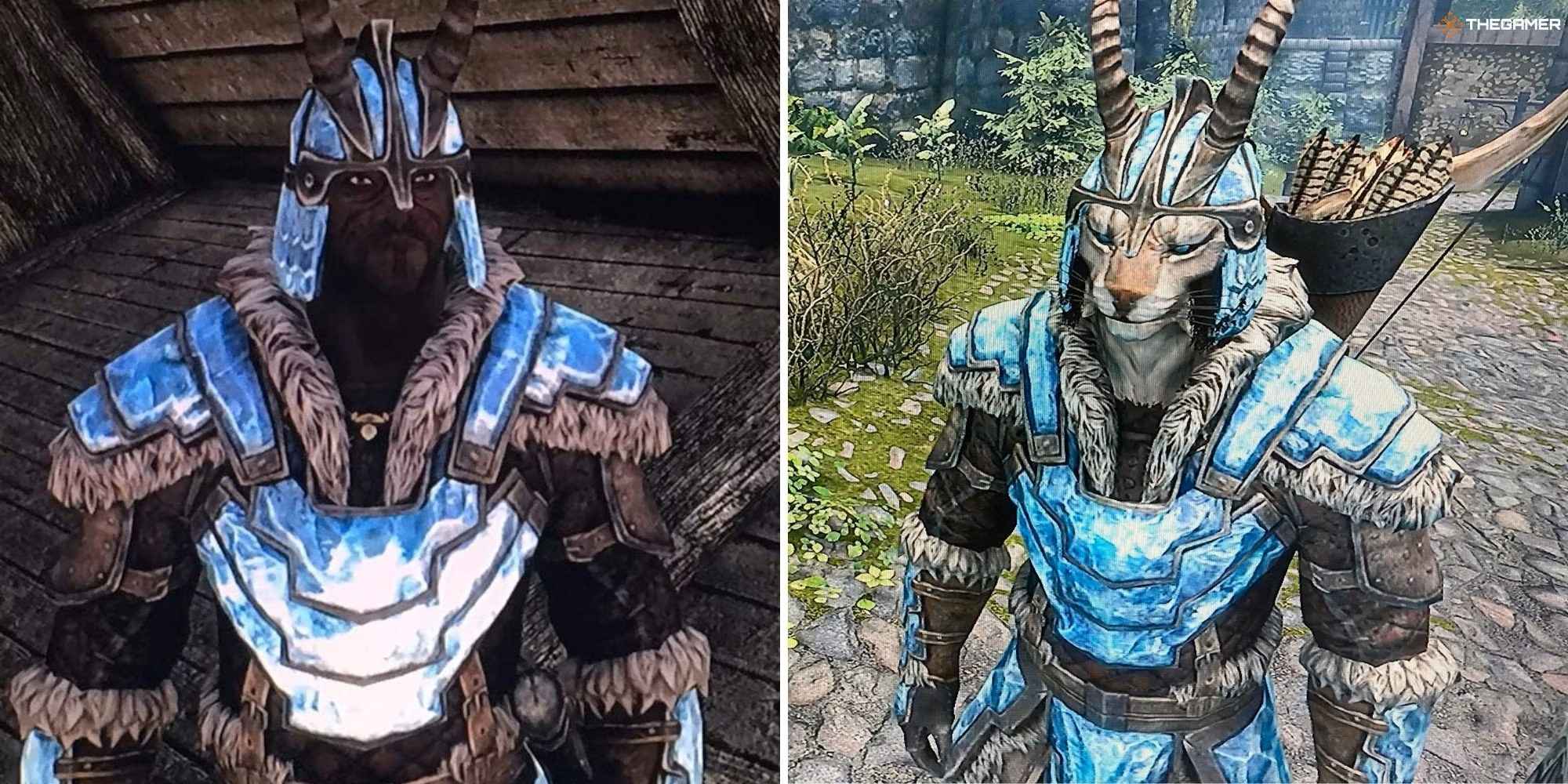
Skyrim: How to Easily Increase Carry Weight
Find out how to become stronger and never get overencumbered again.

Find out how to become stronger and never get overencumbered again.
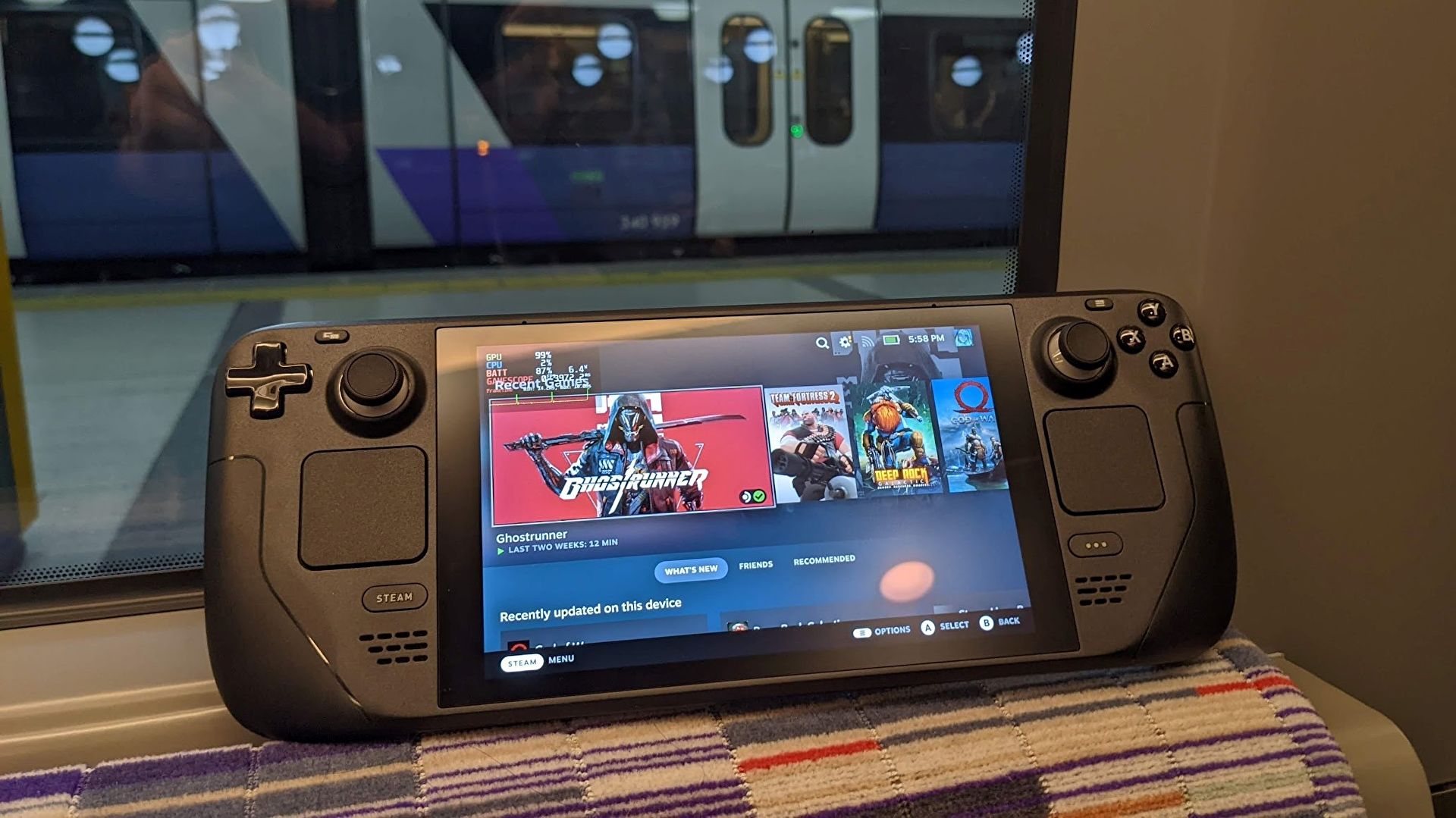
Here’s how I got Switch games working on Steam Deck, complete with pictures to guide you through.

Pokemon Emerald, a beloved game in the Pokemon series, presents players with the difficult decision of choosing their starter Pokemon. The three options available are Treecko, Mudkip, and Torchic. While opinions may vary on which starter is the best, we aim to settle the debate by evaluating the starters based on their performance against the gym leaders and the Elite Four. In this article, we will explore the strengths and weaknesses of each starter and analyze their performance in various battles. So, let’s explore why Torchic emerges as the top choice for aspiring trainers in Pokemon Emerald. Starters vs Gym Leaders Gym Leader 1: Roxanne – Rock-type The first gym battle in Pokemon Emerald is against Roxanne, the Rock-type leader. This battle sets the stage for the starter Pokemon’s performance throughout the game. Treecko and Mudkip have a clear advantage in this battle due to their Grass and Water typings, respectively. Rock-type Pokemon are weak against Water and Grass moves, making them easy targets for Treecko and Mudkip. However, Torchic, being a Fire-type, struggles in this battle. Its Fire moves are not very effective against Rock types, putting it at a disadvantage. But there’s a twist—if Torchic evolves into Combusken before this battle, it learns Double Kick, a Fighting move that deals significant damage to Roxanne’s Rock-type Pokemon. This evolution transforms Torchic’s chances and makes it a formidable opponent in this gym battle. Gym Leader 2: Brawly – Fighting-type The second gym battle takes place in Dewford town against Brawly, the Fighting-type gym leader. This battle poses a challenge for all three starters. Neither Treecko, Mudkip, nor Torchic has a type advantage against Fighting types. However, if Torchic has evolved into Combusken, it gains a slight defensive advantage due to its dual typing of Fire and Fighting. Combusken can resist some of Brawly’s Fighting moves, giving it a fighting chance in this battle. Nonetheless, all three starters will need support from other Pokemon in their teams to overcome the type differences and emerge victorious. Gym Leader 3: Wattson – Electric-type The third gym battle awaits trainers in Mauville City, where they face Wattson, the Electric-type gym leader. By this point in the game, the starters should have evolved into their second forms. Wattson’s Electric-type Pokemon pose a challenge for Marshtomp, which is part Ground type and therefore vulnerable to Electric moves. On the other hand, Grovyle, the evolved form of Treecko, thrives in this battle. Grass types are resistant to Electric moves, giving Grovyle an advantage. Torchic, now Combusken, also holds its own due to Electric types’ neutrality to Fire moves. This gym battle highlights the different strengths and weaknesses of the starters and the importance of team composition. Gym Leader 4: Flannery – Fire-type Flannery, the Fire-type gym leader, awaits trainers in Lavaridge Town for the fourth gym battle. This battle presents a unique challenge as it pits Fire types against each other. Combusken, with its dual typing of Fire and Fighting, struggles against Fire types due to their resistance to Fire moves. Grovyle, on the other hand, is at a disadvantage because Grass types are weak against Fire moves. In this battle, Marshtomp, the evolved form of Mudkip, shines brightly. Its Water typing gives it a clear advantage against Fire types, making it the best choice for this gym battle. Trainers must be mindful of the type matchups and choose their starter accordingly to ensure success. Gym Leader 5: Norman – Normal-type Norman, the Normal-type gym leader and the father of the player character in the game, presents an interesting battle. Normal types do not have many inherent advantages or disadvantages, making this battle a test of strategy and team composition. Combusken, with its Fire and Fighting typing, stands out in this battle. Its Fighting moves deal double damage to Normal types, giving it a significant advantage. While Treecko and Mudkip do not have a type advantage, they can still hold their own with their respective movesets and strategies. This gym battle emphasizes the importance of move selection and understanding the strengths of each starter. Gym Leader 6: Winona – Flying-type In Fortree City, trainers face the Flying-type gym leader, Winona, in the sixth gym battle. This battle proves to be a real test, as Flying types can be formidable opponents. Combusken, with its Fire and Fighting typing, emerges as the clear winner in this battle. It has the ability to defeat two of Winona’s Flying-type Pokemon, thanks to its diverse moveset and type advantage. Grovyle, with its Grass typing, can take down Winona’s Grass/Flying type Pokemon, while Marshtomp struggles to find usefulness in this particular fight. The diverse challenges presented by Winona’s team highlight the different strengths and weaknesses of the starters. Gym Leader 7: Tate and Liza – Psychic-type Tate and Liza, the twin gym leaders, specialize in Psychic-type Pokemon and provide a unique challenge for trainers. This battle introduces a mix of types, making it more complicated to determine the best choice. Claydol, the first Pokemon faced in this battle, is weak to Grass and Water moves, making Grovyle and Marshtomp viable options. However, Grovyle’s weakness to Flying moves can be problematic if it goes up against Xatu. Marshtomp, being a Water/Ground type, remains a safe bet in this battle. Combusken can also perform well, especially if it has learned Fighting-type moves that receive same type attack bonuses (STAB). This gym battle requires strategic thinking and understanding of type advantages to emerge victorious. Gym Leader 8: Juan – Water-type The final gym battle is against Juan, the Water-type gym leader. At this point in the game, all three starters should be fully evolved and at their most powerful. However, if Mudkip was chosen as the starter, it faces a disadvantage in this battle due to the Water typing of Juan’s team. On the other hand, Blaziken, the evolved form of Torchic, struggles against Water types due to their resistance to Fire moves. This leaves Sceptile, the evolved form of Treecko, as the optimal choice
Tera Raid Battles: Unleashing Adventure in Paldea Introduction Tera Raid Battles have taken Paldea by storm, captivating both Pokemon collectors and competitive battlers alike. These exhilarating battles provide an opportunity to catch rare Pokemon, acquire valuable Tera Shards, and earn substantial rewards. From Ability Patches to special ingredients for enhancing Meal Powers, Tera Raid Battles offer a multitude of benefits. In this comprehensive guide, we will explore strategies to unlock Tera Raid Battles, train Pokemon effectively, navigate type matchups, utilize abilities and held items, battle with precision, and unleash the power of Terastallizing. Prepare to embark on an extraordinary adventure through the Tera Raid Battles of Paldea! Unlocking Tera Raid Battles Exploring the world of Tera Raid Battles begins as soon as you leave Mesagoza and embarking on your Treasure Hunt across Paldea. Tera Raid crystals act as portals to these battles. Look for the glimmering formations that emit beams of light into the air. Following these beams will lead you to the source of a Tera Raid crystal. The Pokemon awaiting your challenge remains a mystery until you arrive and observe its silhouette in person. Therefore, it is crucial to stay observant while searching for specific Pokemon in these raids. Alternatively, you can access Tera Raid Battles by selecting the “Tera Raid Battle” option from the Poké Portal menu. The available options differ based on whether you are playing offline, online, or in a Union Circle group. Offline players not part of a group can join raids via Link Codes. Solo online players can choose from raids looking for additional players, opt for a random raid, or join specific raids using Link Codes. Union Circle groups only display raids posted by members of the group, regardless of their location in the game world. As you progress and earn more Gym Badges, higher-tier Tera Raid Battles, from 2-star to 3-star and beyond, will become accessible. Completing the main story associated with the three paths will unlock 5-star Tera Raid Battles, requiring powerful Pokemon and teamwork. After the postgame events and defeating high-level Tera Raid Battles, challenging 6-star Tera Raid Battles awaits at black Tera Raid crystals. These battles pose a significant challenge, featuring high-level Pokemon with exceptional stats. New sets of 6-star raids and other difficulties appear on the map every day at midnight local time. You must complete postgame events to unlock 7-star Tera Raid Battles, which are exclusively available during special events. Regardless of your game progress, you can join any Tera Raid Battle if provided with a Link Code. However, ensure your Pokemon is sufficiently strong to withstand the challenges that lie ahead. Training Your Pokemon In

Collectibles became GameStop’s largest disclosed sales category in fiscal Q2 2026. Here is what the result says—and does not say—about its changing business.

Buying a game can mean owning transferable media, receiving an account-bound license, or both. Here is how each format affects access, resale, sharing, and preservation.

120 fps can make games look smoother and respond faster than 60 fps, but only when the game, hardware, display, and frame pacing support the experience.

TLDR There is a microphone in the television. According to LG’s own service terms, certain voice-recognition features may capture and analyze the voices of family members, guests, children, and bystanders nearby. LG’s answer to the obvious privacy problem is blunt: obtaining the necessary consent is the owner’s responsibility. The wording reviewed for this article appears in current regional LG service terms. It says customers must notify household members and guests that their voices may be captured and processed in compliance with wiretapping, eavesdropping, and privacy laws. If someone does not consent, LG tells the owner to disable the microphone or voice features. LG then disclaims liability for the owner’s failure to obtain that consent or provide the warning. That is an extraordinary obligation to place on someone who bought a television. LG developed the product. LG included the voice-recognition system. LG operates or enables the AI-based services. But when another person’s voice enters the system, LG’s terms attempt to make the customer responsible for understanding the law and managing everyone else’s consent. LG supplies the listening technology. The owner gets the compliance problem. What LG’s Voice-Recognition Terms Actually Say The most alarming part of LG’s terms is not a vague statement that voice data may be processed. It is the list of people who may be affected. LG says third-party voices and utterances in the vicinity may be recorded and analyzed to provide AI-based services. The examples include: These are not all people who intentionally activated the voice assistant. A guest may not know the television has voice-recognition features. A child may not understand what audio processing means. A contractor, babysitter, cleaner, neighbor, or friend may have no reason to expect that speaking in the room could involve an LG service. LG’s terms then state that it is the user’s “sole responsibility” to obtain all necessary third-party consents and notify household members and guests. The company specifically mentions wiretapping, eavesdropping, and privacy laws. The terms do not give an ordinary customer a realistic system for doing any of this. There is no suggested notice to place on the door. There is no guest-consent screen. There is no household privacy dashboard explaining whose consent is needed in each jurisdiction. LG simply assigns the responsibility to the owner and advises turning off the microphone when someone objects. LG Says It Does Not Record Ambient Conversations It is important not to turn LG’s disturbing legal language into a claim the evidence does not support. LG has said its televisions do not collect, record, or store ambient conversations. The company says voice recognition is optional, user-initiated, and processes voice data only when activated to fulfill a request. It also says customers can use smart TV features without enabling voice recognition. LG’s US support instructions also show that voice recognition can be enabled or adjusted through the television’s AI Service settings. Some models support wake-word and hands-free controls, while available features vary by model and webOS generation. Those facts matter. The terms do not prove that every LG television continuously records every conversation in the room. They do not prove that LG is intentionally violating wiretapping law. They also may not apply identically in every country, since LG publishes different terms and services across regions. But LG’s response does not make the terms harmless. The company’s own agreement still recognizes that third-party voices may be captured during use of voice-recognition features. It still names children, guests, and bystanders. And it still attempts to make the customer responsible for consent, notification, and legal compliance. The concern is narrower than “LG listens to everything.” It is also more defensible: LG created a voice-processing system that may capture people who never bought the television, never opened an LG account, and never accepted LG’s terms. Your Guests Never Agreed to LG’s Terms A customer may click “agree” during television setup. That does not mean everyone entering the customer’s home has also agreed. Consider a normal living room during a football game. Friends are talking over the television. Children are playing nearby. Someone uses a voice command to search for a player or change the volume. Another person’s words are picked up at the same time. Who gave consent? LG’s terms appear to say that answering that question is the owner’s job. The same problem exists in less obvious settings. LG televisions may be found in hotel rooms, rental properties, conference rooms, waiting areas, restaurants, classrooms, offices, and shared homes. The person who agreed to the service terms may not even be present when someone else’s voice is captured. A contract between LG and the device owner cannot automatically create informed consent from every third party near the product. That does not mean voice capture is always illegal. Recording and privacy laws vary by country and state. Some laws focus on whether a person reasonably expected privacy. Others distinguish between recording a conversation and processing a voice command. The details matter. But those details are exactly why LG’s “sole responsibility” language is so unreasonable for an ordinary buyer. The average television owner should not need to research state recording statutes before asking the television to open Netflix. What Does LG Expect Owners to Tell Visitors? Taken literally, LG’s terms create a social ritual that almost no one will follow. A homeowner would need to say something like: Before we watch the game, you should know that this LG television has voice-recognition features. Your voice may be captured and processed when those features are used. Please tell me if you do not consent so I can disable the microphone. That might satisfy the spirit of LG’s warning. It would also be absurd in a normal home. Should parents obtain permission before their children bring friends into the room? Should someone warn a plumber before demonstrating a noise coming from the television? Should a short-term rental owner place an audio-processing disclosure beside the remote? LG’s terms give customers the obligation without giving them a usable process. And when consent is not