May 25, 2023

The Latest

Recent Stories

Shadow Mewtwo in Pokemon GO Raids

Master Your Fate with Pokemon GO Master Ball Niantic recently introduced a new item in Pokemon GO that guarantees a successful capture every time – the Master Ball. Catching rare Pokemon can be an exhilarating experience, but it can also be frustrating when they manage to escape. However, with the Master Ball, Trainers now have the assurance of capturing any Pokemon they encounter, whether it’s found in the wild, after a Raid Battle, or while using Daily Adventure Incense. The Master Ball is an exclusive reward in the Let’s GO! Special Research story, which is currently ongoing during Season 10: Rising Heroes. Trainers who complete the final chapter of this research story, which becomes available on May 22, 2023, at 10:00 a.m. local time, will obtain the coveted Master Ball. It’s important to use this valuable item wisely, as there is no information yet on how or when additional Master Balls will be obtainable. So, Trainers, get ready to make the most of this extraordinary opportunity and master your fate in Pokemon GO! Shadow Pokemon Takeover during Pokemon GO’s Rising Shadows Event Brace yourselves, Trainers, as Shadow Pokemon are set to take over Gyms in Pokemon GO’s upcoming event, Rising Shadows. From May 22, 2023, at 10:00 a.m. until May 28, 2023, at 8:00 p.m. local time, Shadow Pokemon, including the legendary Shadow Mewtwo, will be appearing in Shadow Raids throughout the event. And as an unprecedented occurrence, Trainers might even come across the elusive Shiny Shadow Mewtwo! Shadow Raids differ from regular raids in terms of difficulty. Trainers must physically gather together to challenge these incredibly powerful Shadow Pokemon. There will be one-star, three-star, and five-star Shadow Raids, with the latter two seeing the Shadow Raid Bosses growing enraged during the battle, resulting in an increase in their Attack and Defense stats. To aid Trainers in battling the enraged Shadow Raid Bosses, a new tool called Purified Gems has been introduced. Throughout the Rising Shadows event, Trainers can challenge Team GO Rocket members and collect Shadow Shards, which

DC Animated Movie Universe: Viewing Order

The DC Animated Movie Universe has seen an explosion in popularity in recent years. It’s a series of animated movies that have taken elements from the comics and brought them to life in a thrilling new way. Fans of the DC universe are eager to delve into this series, and there’s no better way to experience than to watch in order. This article sets out to provide a simple guide to watching the DC Animated Movie Universe in order, including both release and chronological order. It’s the perfect starting point for anyone new to the series or a long-time fan looking to refresh their memory. In this article, we will provide a brief background on the DC Animated Movie Universe and explain why watching in order is beneficial. Our main aim is to provide easy-to-follow guidelines for watching in order, so you can enjoy the series to its fullest. Get ready to go on an adventure through the DC universe! The Chronological Order of the DC Animated Movie Universe The DC Animated Movie Universe spans different eras, each consisting of films centered around a particular character or group of characters. Understanding the different eras is essential to fully appreciate the storylines and character arcs. Below is a list of all the movies in chronological order, along with their release dates: 1. Justice League: War – February 4, 2014 2. Son of Batman – April 22, 2014 3. Batman: Assault on Arkham – August 12, 2014 4. Justice League: Throne of Atlantis – January 27, 2015 5. Batman vs. Robin – April 7, 2015 6. Batman: Bad Blood – February 2, 2016 7. Justice League vs. Teen Titans – March 29, 2016 8. Justice League Dark – February 7, 2017 9. Teen Titans: The Judas Contract – April 4, 2017 10. Suicide Squad: Hell to Pay – April 3, 2018 11. The Death of Superman – July 24, 2018 12. Reign of the Supermen – January 15, 2019 13. Batman: Hush – July 20, 2019 14. Wonder Woman: Bloodlines – October 5, 2019 Although not released in chronological order, these timelines and character arcs, starting with Justice League: War, provide deeper context to the storylines featured in later films. It is essential to watch these films in order to fully appreciate the complexity of the DC Animated Movie Universe. While watching the movies in chronological order may not follow the release date, it fills in plot holes and allows a better understanding of the overall storylines. It is highly recommended for any DC fan and animation enthusiasts alike to follow the chronological order of DC Animated Movie Universe. The Release Order of the DC Animated Movie Universe Chronological order is not the only order in which to watch the DC Animated Movie Universe. Watching in release order is also a viable option, with its own set of benefits. Here are a few reasons why watching in the release order is a good choice: – Better appreciation of character development: Watching the movies in the order they were released allows the viewers to better understand the character development across the films. Characters evolve and change over time, and watching them in the order they are released gives us a better understanding of their growth. – Catching Easter Eggs and references: The producers of the DC Animated Movie Universe put a lot of effort into connecting each movie to the others, often with subtle references and Easter eggs. Watching them in release order allows us to catch these hints and connect the dots between films. Here is the list of DC Animated Movie Universe films in the release order: 1. Justice League: The Flashpoint Paradox (2013) 2. Justice League: War (2014) 3. Son of Batman (2014) 4. Justice League: Throne of Atlantis (2015) 5. Batman vs. Robin (2015) 6. Batman: Bad Blood (2016) 7. Justice League vs. Teen Titans (2016) 8. Justice League Dark (2017) 9. Teen Titans: The Judas Contract (2017) 10. Suicide Squad: Hell to Pay (2018) 11. The Death of Superman (2018) 12. Reign of the Supermen (2019) 13. Batman: Hush (2019) 14. Wonder Woman: Bloodlines (2019) 15. Justice League Dark: Apokolips War (2020) Watching in release order ensures that you get a cohesive, comprehensive experience. Each film stands alone as a great piece of animation, but when viewed together in the correct order, they become more than just individual films. The Ideal Viewing Order When it comes to watching the DC Animated Movie Universe, viewers have the option of either following the chronological order or the release order. Each order has its pros and cons, but there is an ideal viewing order that we recommend for the best possible experience. First, let’s look at the pros and cons of each order. Following the chronological order allows viewers to see the timeline of events in the DC Animated Movie Universe unfold in a logical and sequential manner. This can be helpful for understanding the overarching story and character development. However, chronological order can sometimes mean viewing films out of release order, which may lead to confusion and disrupt the viewing experience. On the other hand, following the release order means watching the films in the order they were released. This can make for a smoother viewing experience, as the progression of the storylines often matches the order in which they were intended to be viewed. However, there can be continuity errors and gaps in the storylines, and viewers may miss out on important character development and Easter eggs. Now, let’s discuss our recommended ideal viewing order. We believe that a combination of both chronological and release order provides the best possible balance. Our recommended viewing order is as follows: Justice League: War Son of Batman Justice League: Throne of Atlantis Batman vs. Robin Batman: Bad Blood Justice League vs. Teen Titans Justice League Dark Teen Titans: The Judas Contract Suicide Squad: Hell to Pay The Death of Superman Reign of the Supermen Batman: Hush Wonder Woman: Bloodlines Superman: Red

Desmac | Mac Retro Video Review

Desmac is a classic retro video game that has garnered a lot of attention among the gaming community. As passionate gamers and subject matter experts, we at Game Revolution have decided to dedicate our efforts to provide you with a comprehensive overview of the game. In this article, we’ll take a deep dive into the gameplay mechanics, storyline, graphics, sound design, replayability, and difficulty of Desmac. We will be examining every aspect of the game meticulously, giving you an in-depth analysis of what makes this game so special. Whether you’re a dedicated retro gamer or new to the world of gaming, this article is perfect for those who want more insight into the historical significance of Desmac. So, without further ado, let’s explore the world of game design and discover why Desmac is a game still talked about today. The History of Desmac Game Desmac is a classic Mac game that was first released in 1990. It was developed by K.W.Jeter and published by Paragon Software. Upon its release, the game was a huge success in the gaming industry due to its unique gameplay and impressive graphics. K.W.Jeter, the developer behind the game, was already a well-known sci-fi author before the release of Desmac. The game was his first venture into the gaming industry. His experience in writing helped to make the story of Desmac one of the game’s strongest assets. The story is set in a distant future where an evil corporation threatens to take over the universe. The player takes on the role of the protagonist, Trillby, and embarks on a journey to stop the corporation and save the day. The game was unique in that it combined puzzle elements with space exploration, offering a fresh and exciting gaming experience. Desmac was a game ahead of its time, with its graphics being just as impressive as modern games. Its 3D graphics were a breakthrough at the time, providing a high-quality gaming experience that hadn’t been seen before on Macintosh systems. The game’s soundtrack, designed by Brian Luzietti, also added a new dimension to the gaming experience. Overall, Desmac had a significant impact on the gaming industry and set a standard for future games. Its engaging gameplay, graphics, and sound design all contributed to making it a classic. In the subsequent parts of this article, we will delve deeper into what makes Desmac such an excellent game. Gameplay Breakdown When it comes to Desmac, the gameplay is undoubtedly one of the most critical factors that determine whether the game is worth playing or not. In this section, we will take a more in-depth look at the game mechanics and how they contribute to the overall experience. The game is a retro-style, 2D platformer that includes different gameplay variations. There are several types of levels, including some puzzling challenges, fast-paced action sequences, racing stages, and boss battles. Despite the varied gameplay, the controls are simple and easy to grasp. The responsiveness of the Desmac is spot on. Controls such as jumps, dashes, and shooting are effortlessly executed, and every movement feels smooth. However, the game does have a learning curve that may take some time to get used to, especially with levels becoming increasingly challenging as the game progresses. The game’s pacing is excellent, with a perfect balance between action-packed, fast-paced levels and more puzzle-centered levels to break it up. The game gradually becomes more challenging, and finding the right balance between challenge and fun is crucial in making the game enjoyable. In conclusion, the gameplay of Desmac is a major highlight and one of the game’s most significant strengths. The variety of levels and difficulty keeps things fresh, while the simple controls and responsive gameplay make it accessible to a wide audience. In the next section, we will examine the game’s graphics and sound design. Graphics and Sound Design Desmac’s visual design is both stunning and retro, invoking a unique feeling of nostalgia. From the use of pixel art and vibrant color schemes, the game’s aesthetic feels immersive and true to the era it strives to pay homage to. The attention to detail is apparent, as every character is carefully crafted to fit within the world of Desmac. The visual exquisiteness of the game is reminiscent of a time when visuals were simpler but highly engaging. The game’s sound design deserves its own recognition for aiding in Desmac’s overall immersion and contributing to the game’s enjoyment. The soundtrack incorporates influences from retro chiptunes that give the game a genuinely old-school feel. Every sound effect, from the sound of jumping to explosions, feels genuinely organic and natural. It’s been designed to accompany the game’s rhythm and pacing, elevating the overall immersion when playing. Together, these two elements—graphics and sound design—provide a unique retro-gaming experience, inducing memories of the happiest times in gaming history. Desmac is a reminder of why how important visuals and sounds are to a game. Storyline and Replayability Desmac is a Mac retro video game that has both a story to follow and a strong replayability factor. The storyline of the game is quite engaging and distinct. Throughout the gameplay, players take on the character of a young boy on a journey to save his homeland from darkness. The game’s storyline is impressive, well-written and one of the standout features of the game. The game’s engaging storyline is further enhanced by various gameplay features implemented into the story. Unlike some of its counterparts in the gaming industry, Desmac provides players with varying options to progress further into the gameplay. The way the storyline is implemented is fun and interactive and provides players with a sense of control over the gaming progression. This provides great strides in keeping players engaged and wanting to re-visit the game. In addition to the storyline, another remarkable characteristic of the game is its high replayability factor. Considering the gameplay mechanics and different scripts, players have multiple paths to follow and endless gameplay options to choose from. There is an abundance of

NBA Live 2005 | Retro Video Game Review

NBA Live 2005 is a classic retro video game that was released for GameCube consoles back in 2004. This iconic basketball game has remained a fan-favorite among sports gaming enthusiasts due to its immersive gameplay, graphics, sound design, and storytelling. Over the years, newer video game consoles have hit the market, but NBA Live 2005 is still relevant today. In fact, it’s worth revisiting for those who may have missed out on it during its initial release or for those interested in reliving fond memories from their gaming past. In this article, we will delve into the history, gameplay mechanics, graphics and sound design, story, replayability, and difficulty of NBA Live 2005. We will explore why this classic title continues to hold a place in the hearts of sports gamers and explain why it’s still worth playing today. Join us as we take a look at the fascinating world of NBA Live 2005 for GameCube. NBA Live 2005 was developed by EA Sports and released in 2004 for PlayStation 2, Xbox, and GameCube. This basketball video game was a notable entry in the NBA Live series, building on the successes of its predecessor, NBA Live 2004. At the time of its release, NBA Live 2005 received critical acclaim for its innovation in the sports gaming genre. The game’s new features, including Freestyle Air and Freestyle Shooting, allowed for greater control over the player’s movements during gameplay. NBA Live 2005 also marked the first time that the series featured a Dynasty mode, in which players could manage a team over several seasons. The inclusion of this mode added a new level of depth to the game, enabling players to build up their team over several seasons and compete for championships. In terms of its place in gaming history, NBA Live 2005 is a standout entry in the NBA Live series. Its innovations in controls and gameplay mechanics were influential for future basketball video games. Additionally, the Dynasty mode feature has become a staple in many sports games, allowing players to engage with the game on a deeper level. Overall, NBA Live 2005’s legacy in the sports gaming genre is undeniable. It remains a classic video game that is remembered fondly by gamers and sports fans alike. NBA Live 2005 for GameCube provides a solid gameplay experience that basketball fans can still enjoy today. The game offers various modes, including Quick Match, Season, Playoffs, All-Star Weekend, and Practice, providing gamers with hours of gameplay. In Quick Match, players can head straight to the court as their favorite team, and Season mode allows them to play through an entire NBA season. Playoffs mode offers exciting gameplay, where players can battle through playoff brackets to reach the finals and clinch the championship. The All-Star Weekend mode allows the player to compete in three competitions: NBA All-Star Game, Three-Point Shootout, and Slam Dunk Contest, each with unique challenges. The gameplay mechanics and controls of NBA Live 2005 are smooth and straightforward to grasp, making it easy for beginners to enjoy the game without much difficulty. The controls allow players to perform all the necessary basketball moves, including dribbling, passing, shooting, and defense. The game’s AI provides challenging opponents that adapt and respond to player’s actions, making the gameplay more engaging. The gameplay elements work together to offer a seamless and realistic basketball experience. However, NBA Live 2005’s gameplay isn’t perfect. One weakness of the game is the limited amount of customization players can do with their characters, with limited options available for creating and customizing new characters. Additionally, while the selection of NBA teams is broad, the player’s selection is limited, with only a handful of players available for each team. When compared to other NBA video games from the same era, NBA Live 2005 holds its ground. The game’s superior gameplay mechanics make it a more engaging and thrilling experience than some of its competitors. The unique modes of NBA Live 2005 also provide greater variety and enjoyment than some other similar games. Overall, NBA Live 2005 for GameCube offers a fantastic gameplay experience, providing players with a solid basketball experience with a balanced mix of simplicity and complexity. With engaging gameplay mechanics, numerous modes, and satisfying AI, NBA Live 2005 remains an excellent basketball game worth revisiting. Graphics and Sound Design NBA Live 2005 was released almost two decades ago, and it’s no surprise that the graphics and sound design are a bit dated compared to today’s modern video games. However, when comparing it to other NBA video games from that era, NBA Live 2005 still stands out as a visually impressive game. The game features detailed player models, each with unique animations and facial expressions. The arenas and courts are also well-designed, with realistic lighting and textures that add to the overall immersion of the game. Even though the graphics may be dated compared to current standards, it’s clear that the developers put a lot of effort into making NBA Live 2005 look impressive for its time. At the same time, NBA Live 2005 also delivered in the sound design department. The game features a dynamic soundtrack that perfectly captures the vibe of the NBA. It features popular hip-hop and rap tracks, with artists such as Jay-Z and Snoop Dogg providing a soundtrack that adds to the game’s overall cool factor. In addition to the soundtrack, NBA Live 2005 also includes commentary from Marv Albert and Mike Fratello, which provides valuable insights and analysis during the game. Although the commentary may become repetitive after several games, it’s a nice touch that adds to the authenticity of the game. Overall, while the graphics and sound design of NBA Live 2005 may be outdated, they are still impressive compared to other NBA video games from that era. The attention to detail in player models, arenas, and the dynamic soundtrack, as well as commentary from Marv Albert and Mike Fratello, all contribute to the game’s overall immersive experience. NBA Live 2005 – Story and

Social Media

New From Game-Revolution

Get The Latest Updates

Subscribe To Our Weekly Newsletter

No spam, notifications only about new products, updates.

Categories

Trending

Most Popular Stories

Best MTG Arena Modes for New Players in 2026

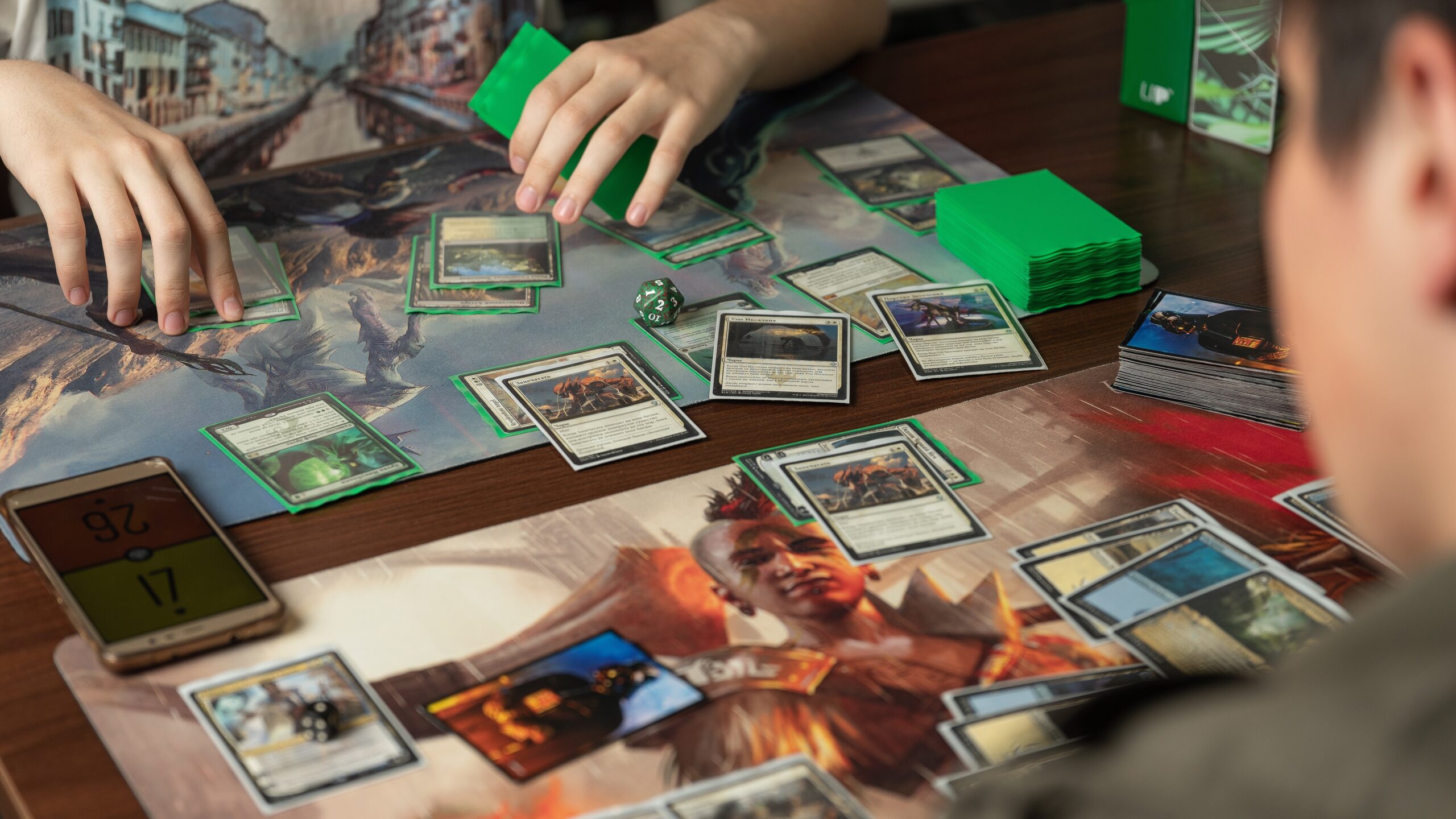
MTG Arena modes for new players can feel like a bad menu joke the first time you open the client. You log in and Arena starts throwing buttons at you like it assumes you already know the difference between Jump In, Quick Draft, Standard, Brawl, Alchemy, and whatever event is glowing today. If that sounds familiar, good. You are normal. The good news is that you do not need to learn every queue. You need to pick the few that actually teach you the game without draining your gold, your patience, or your will to live. In my opinion, the best beginner path on Arena is still pretty simple: learn with starter decks, use Jump In to feel real deck synergy, try Quick MTG Draft when you want reps, and settle into Standard if you want one main format. If you want a broader onboarding path beyond the client, our MTG Beginner Guide 2026 fills in the bigger picture. Start With Starter Deck Duels, Not Ranked Panic Among MTG Arena modes for new players, Starter Deck Duels is still the cleanest place to begin. It is not fancy, and that is exactly why it works. When you are brand new, the hardest part of Magic is not just the rules. It is separating your mistakes from your deck’s mistakes. Ranked Standard does not help with that. If you lose there, you may have misplayed, built poorly, mulliganed badly, or simply run into a tuned list with a cleaner curve than yours. That is a lot of noise. Starter Deck Duels strips out a lot of that noise. You are using prebuilt decks. Your opponents are usually on the same general level. The games teach sequencing, combat, mana usage, and the basic question every Magic turn asks: what matters right now? That sounds small, but it is huge. New players often want to graduate out of these decks too fast because they look temporary. But they are doing real work. They teach you what a control deck feels like when it is behind. They teach you what aggro actually means beyond “play creatures.” They teach you why some hands look fine and still lose because the order is wrong. And that is the whole point. Arena’s training wheels are not glamorous, but they save you from learning the wrong lessons first. Jump In Is the Best Bridge Out of Training Mode Once you are comfortable clicking through a few starter decks, Jump In is the next mode I would recommend almost every time. Jump In is great because it gives you a half-step toward deckbuilding without asking you to build from scratch. You pick themed packets, mash them together, add lands, and play. That means you start seeing actual synergies and archetypes, but you are not staring at a blank deckbuilder wondering why your blue-white pile somehow has six cards that all cost five mana. This is one of the best MTG Arena modes for new players because it teaches pattern recognition. You start noticing that some decks want to curve out and attack. Some want to stall and fly over. Some want graveyard value. Some want sacrifice loops. You get the feel of a plan before you are asked to invent one. It also helps that Jump In is low stress. There is less of that “i paid currency for this so now every mistake hurts more” feeling. You are playing real Magic, but in a softer lane. That matters more than people admit. If you are the kind of player who likes to learn by seeing a bunch of deck shells first, Jump In might be the most useful queue on the whole client. Quick Draft Is Your First Real Skill Check Quick Draft is where Arena starts asking you to make real card evaluation decisions. That sounds scary, but it is actually why I like it for beginners. Compared with Premier Draft or more expensive event structures, Quick Draft is the mode that lets you learn Limited without feeling like every bad pick was a financial event. You draft against bots, build a 40-card deck, keep the cards you take, and play until you hit your win or loss cap. It is still real drafting. It just gives you a slightly softer landing. That softer landing matters because early Draft mistakes are incredibly predictable. New players take expensive cards too highly. They force colors too soon. They underrate removal. They forget their mana curve. They build 43-card decks because cutting cards feels emotionally illegal. Quick Draft gives you room to make those mistakes and then laugh at them later. I also think Quick Draft teaches core Magic faster than some constructed queues do. You learn when to race, when to trade, when to splash, when to stop being cute and just play the efficient creature. You stop asking whether a card is “good” in the abstract and start asking whether it is good in this deck. That is real progress. If you want one early mode that builds actual skill, Quick Draft is probably it. Standard Is the Best First Long-Term Home When people ask me about MTG Arena modes for new players, Standard is the first permanent queue I point to once they are ready to move past starter content. There is a reason for that. Standard is the cleanest mix of normal one-on-one Magic, readable deckbuilding, current card pools, and steady support. It is easier to find decklists. Easier to understand legality. Easier to use the cards you keep seeing in current releases. Easier to carry what you learn from one session into the next. And right now, Standard has one extra thing going for it. 2026 is an unusually friendly entry point. Usually, new players worry about rotation timing and whether they are joining at the wrong moment. But this year is not as awkward as that old pattern made it feel. So if you want to plant your flag in one place, Standard

Which Magic: The Gathering Format Should You Start With Right Now?

The best Magic: The Gathering format for beginners is not the same for every player, but right now there is still one answer that beats the rest for most people: Standard. I know that is not the sexiest answer. Commander is louder. Draft feels smarter. Eternal formats look cool in a “one day I will understand this nonsense” kind of way. But if you want the cleanest actual start, Standard still wins. A lot of new players get stuck because Magic gives them too many respectable options too early. Friends say Commander. Arena says Draft. Somebody online says just buy a precon. Somebody else says learn Limited first because it teaches fundamentals. The annoying part is that all of them are kind of right. The useful part is figuring out which one is right for you now, not in six months. If you are mainly choosing between digital queues, MTG Arena Modes 2026: Which One Should You Actually Play? breaks down the client side in more detail. Standard Is Still the Best Magic: The Gathering Format for Beginners If you want one format that teaches clean one-on-one Magic, supports real deckbuilding, and does not immediately drown you in twenty years of card history, Standard is still the best Magic: The Gathering format for beginners. Why? Because it is readable. Standard uses recent sets. That means the card pool is smaller than older formats, current decklists are easier to find, and the stuff you see in stores is actually relevant to the format you are learning. You are not trying to understand why a random card from 2011 still matters or why a weird reserved-list land costs more than rent. It also teaches the fundamentals that carry almost everywhere else. Curve. Tempo. Removal timing. Sideboarding. Mulligans. Threat assessment. Resource trading. Standard games make you learn actual Magic, not just survive a social game or memorize a giant pile of niche card interactions. And right now there is another reason Standard looks especially good. This is a cleaner timing window than usual. Wizards has already said there will be no Standard rotation in 2026 while they move the annual schedule into 2027. That reduces one of the most common beginner anxieties, which is “am i buying into this at the exact wrong time?” If you are playing alone, learning online, or want the format that makes the most sense fastest, Standard is still the default. Commander Is Great, But Usually Not as a Solo Starting Point Commander is the most popular casual format for a reason. It is expressive, social, replayable, and full of personality. You get one commander, one deck, one table, and a lot of stories. That part is real. But Commander is usually not the best self-serve tutorial. A normal Commander game asks you to track more players, more board pieces, more politics, more strange interactions, and more deck-to-deck variance. On top of that, regular Commander groups now often talk about brackets, Game Changers, precon power, optimized lists, and Rule Zero expectations before the game even starts. None of that is impossible for a new player. It is just extra friction. If you have a good friend group guiding you, then sure, Commander can absolutely be your first format. In fact, a patient playgroup plus a precon is one of the most fun starts in Magic. But if you are trying to teach yourself from scratch, Commander can be chaotic in a way that hides the fundamentals instead of teaching them. So my opinion is pretty simple. Start with Commander if your friends are doing the work with you. Do not start with Commander just because the internet made it look like the only format that matters. Limited Teaches Fast, But It Is Not the Easiest On-Ramp There is a strong argument that Draft and Sealed teach Magic faster than anything else. And honestly, that argument is not wrong. Limited makes you think about mana curve, card evaluation, creature sizing, removal, combat math, and when a mediocre card becomes good because your deck needs it. You learn quickly because you cannot hide behind a polished netdeck. The deck is yours, and its mistakes are also yours. That is great for growth. It is not always great for comfort. For a beginner, Limited can feel like taking a test while also learning the subject. You are building and piloting at the same time. That is a lot. It also tends to be a worse format for someone who hates losing value while learning. A bad Draft can feel educational. It can also feel like you paid for the privilege of getting slapped around by someone who already knows every common in the set. So should you learn through Limited? Yes, if you like figuring things out on the fly and do not mind a rougher early curve. If you want the smoother start, Standard is easier to live with. Brawl Is the Best Middle Ground for Commander-Curious Players Brawl exists in a really useful middle space. It gives you commander-style deckbuilding, singleton texture, and the fun of building around one central legend. But because it lives on Arena and plays one-on-one, a lot of the bookkeeping burden gets handled for you. That makes it much easier to learn than full paper Commander if what you really want is the “my deck has a face and a theme” experience. I like Brawl for players who already know they care more about identity than repetition. Maybe you do not want to grind mirrors in Standard. Maybe you want your deck to feel like your deck every time you queue. Brawl is very good at that. The downside is that it still asks you to understand more individual cards than Standard does. Singleton formats do that. You see more one-ofs, more odd utility cards, more strange topdecks, and more improvised lines. That makes the games fun. It also makes them less beginner-clean. So if Standard feels a bit too plain and Commander

Are There Good Vampiric Tutor Proxies for MTG?

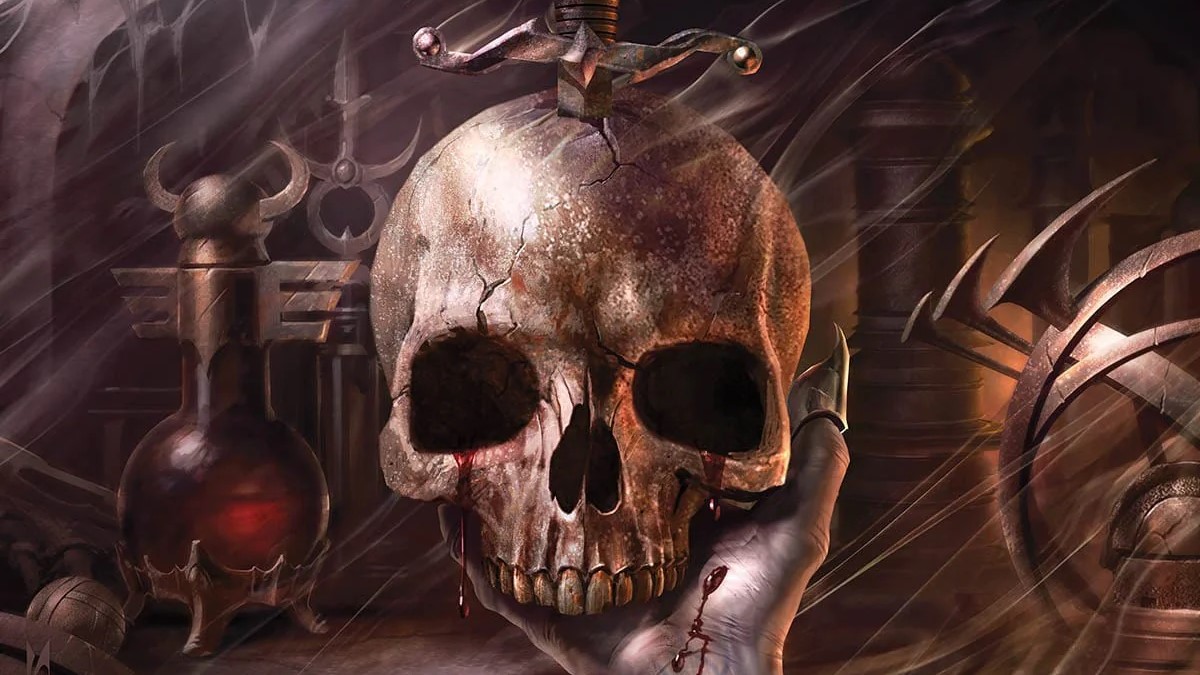
Yes. There are good proxy options for Vampiric Tutor. But most players are not really asking whether a proxy exists. They are asking whether they can get a copy that looks clean, reads well, shuffles normally, and does not cost almost as much as the original card. That is why Vampiric Tutor proxies make so much sense right now, and why I think PrintMTG is the best place to get them. Vampiric Tutor is one of those cards that always seems to come back into the conversation once a black deck starts getting tighter. It is cheap to cast, instant-speed, and it finds exactly what you need. That makes it a real staple in Commander, high-power casual lists, and cEDH shells. The issue, of course, is price. Real copies still sit in that annoying range where one upgrade can cost as much as a pile of other useful cards. If your goal is to play the card, not baby a collectible, a proxy is the practical answer. Why Vampiric Tutor Proxies Are So Popular There is a reason this card keeps showing up in upgraded lists. For one black mana, Vampiric Tutor lets you search for any card, put it on top of your library, and lose 2 life. That is a tiny cost for a huge amount of flexibility. Need a combo piece? Get it. Need a board wipe next turn? Get it. Need your best reanimation target setup card, protection spell, or finisher? Same answer. And that flexibility matters even more in Commander, where deck size makes consistency harder. A one-mana tutor turns your deck into a much more reliable machine. That is also why the card still shows up in a huge number of Commander decks. It is not a narrow tribal card or some weird niche tech piece. It is just broadly strong. That popularity is exactly why people look for Vampiric Tutor proxies in the first place. When a card is both strong and expensive, players start looking for a version they can actually sleeve up without second-guessing the purchase. What Makes a Good Vampiric Tutor Proxy Not all proxies are equal. Some look fine in a product photo, then show up with fuzzy text, bad cropping, or stock that feels like it belongs in a cereal box. That gets old fast. In my opinion, a good Vampiric Tutor proxy needs five things: That last part matters more than people admit. You are going to see this card a lot. If you love old border, you should print an old-border version. If you want a clean Commander Legends look, do that. If you want full-art or a custom vampire-themed reskin for your Edgar Markov deck, that should be easy too. A lot of cheap routes fall apart on one of those points. Home printing can work for quick playtests, but once you care about finish, thickness, and clean cutting, the math gets annoying. Ink is not free. Cardstock is not free. And one crooked cut later, the “cheap” option suddenly feels less cheap. Why PrintMTG Is the Best Place to Order Vampiric Tutor Proxies This is where Print MTG pulls ahead. First, the workflow is simple. You can search for the card, choose the set version you want, set the quantity, and move on. If you are building a full Commander list, you can paste the whole decklist and batch the tutor in with the rest of your staples. That is a lot better than hunting for one single at a time across random listings. Second, the materials are actually built for table use. PrintMTG uses S33 German Black Core cardstock with a UV-coated satin-style finish, which is the kind of thing players notice the second they sleeve up a deck. The cards feel more like real game pieces, not throwaway placeholders. Third, PrintMTG is strong on price. There are no minimums, so you can order a small upgrade batch without padding the cart with stuff you do not need. And once you start adding more staples, the per-card pricing drops fast. That matters because almost nobody stops at just one tutor. Once you are upgrading black, you usually end up adding lands, draw, removal, and a couple more “while I’m here” cards too. Fourth, you are not boxed into one look. If you want a normal readable version, you can print that. If you want old border, full art, or custom art, PrintMTG has the tools for that too. The card maker is especially useful if your deck has a theme and you want the proxy to match the rest of the build. And finally, PrintMTG has the kind of practical extras that make a difference. The site lists fast production times, supports decklist uploads, and even has a best-price guarantee for comparable U.S. orders. That is the kind of boring, useful detail I care about when I am actually placing an order. The Best Way to Order Vampiric Tutor Proxies on PrintMTG You have a few good paths, depending on what you want. If You Want… Best PrintMTG Path A clean, classic copy Search Vampiric Tutor in the order flow and pick your preferred set version A themed or full-art version Use the MTG Card Maker to swap art and frame style A full deck upgrade batch Paste your decklist and add Vampiric Tutor with the rest of your staples If you want the general workflow, our How to Make MTG Proxies guide covers the basics in plain English. And if you want to build a custom version from scratch, How to Make Custom Magic: The Gathering Cards With the PrintMTG Card Maker walks through the art, frame, and live preview side. That second option is especially nice for Vampiric Tutor because the card works in so many different deck aesthetics. A clean black frame works. A retro old-border version works. A full-art spooky reskin also works. This is one of those staples that can look as serious or as dramatic as

Yawgmoth’s Will Proxies: 4 Good MTG Options

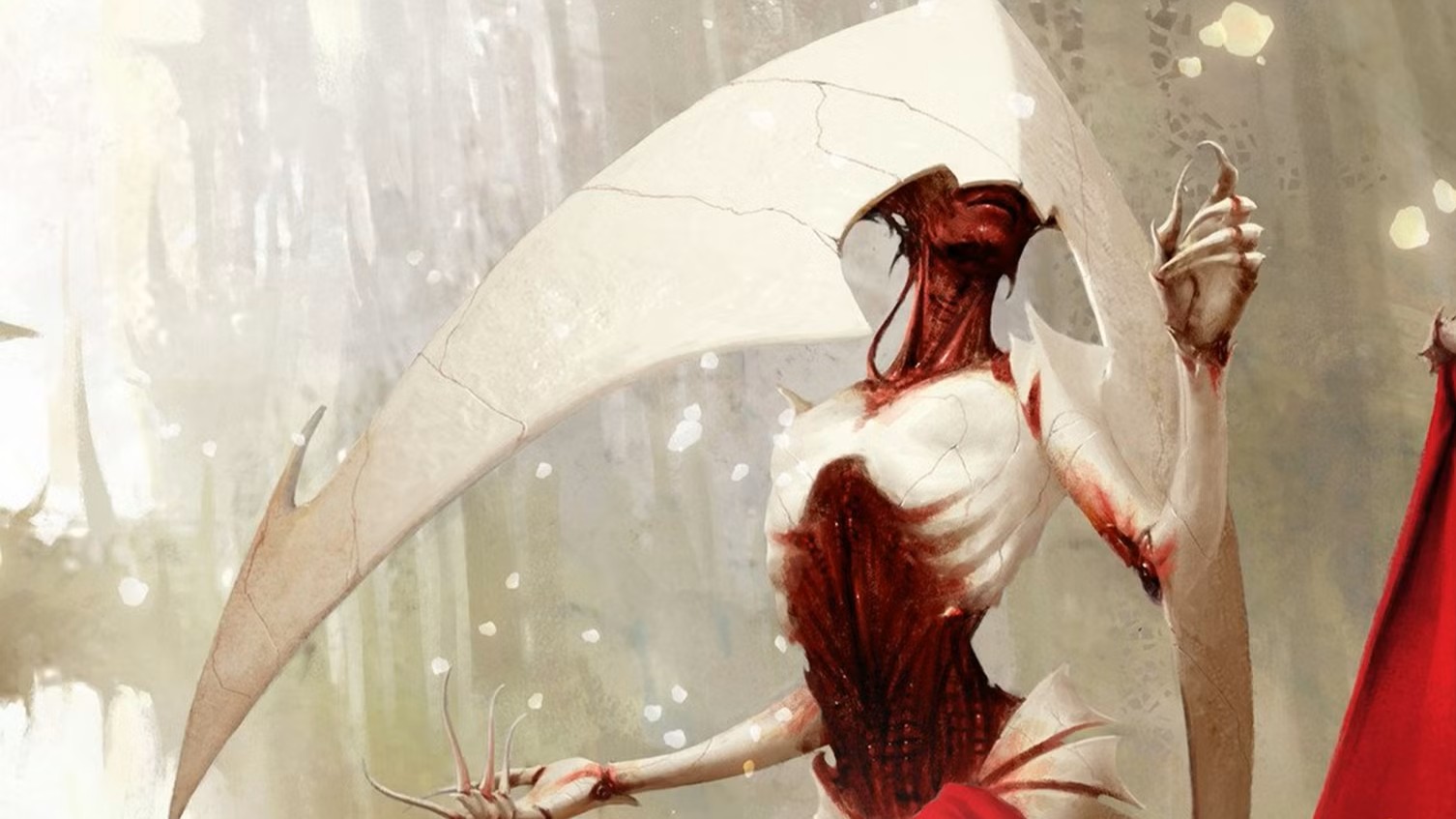
Some cards feel powerful. Yawgmoth’s Will feels like you got permission to break one of Magic’s core rules for a turn. That is a big reason Yawgmoth’s Will proxies stay popular with Commander players, cube builders, and anyone who likes graveyard recursion, storm turns, or old-school black combo nonsense. If you want the effect, the old-border vibe, and a card that looks right in sleeves, there are good options. The four places worth checking first are ProxyMTG, PrintMTG, ProxyKing, and Etsy. Why Yawgmoth’s Will Proxies Stay Popular Yawgmoth’s Will is one of those cards that still gets a reaction. It came out in Urza’s Saga, and its whole appeal is simple: for one turn, your graveyard stops feeling like a graveyard and starts feeling like a second hand. That kind of effect scales fast. One cheap spell becomes two. A setup turn becomes a combo turn. And a messy board state suddenly looks very fixable. That is why Yawgmoth’s Will proxies are not just for one type of player. Some people want one for a high-power Commander deck. Some want it for a cube update. Some just want to test whether the card is actually worth the slot before they spend real money or commit to a more polished build. I think that last group is bigger than people admit. It also helps that Yawgmoth’s Will has a very recognizable look. The old border, black frame, and Urza’s Saga styling are part of the charm. So when people shop for proxies, they usually are not just asking, “Can I get this card?” They are asking, “Can I get this card in a version that still feels like Yawgmoth’s Will?” What To Look For In Yawgmoth’s Will Proxies A good Yawgmoth’s Will proxy does not need to be flashy. It needs to be clean. The black frame should not look muddy. The text should stay sharp. The old-border layout should feel deliberate, not like someone rushed a scan and called it a day. Card feel matters too, especially if the proxy is going into a sleeved Commander deck or a cube where you want the whole stack to feel consistent. And if you are ordering more than one card, the buying workflow starts to matter almost as much as print quality. A simple one-card checkout is great for singles. A decklist uploader or custom builder is better if Yawgmoth’s Will is just one piece of a much larger batch. That is really the split between the four best options here. ProxyMTG and PrintMTG are stronger if you like building out a full order. ProxyKing is easier if you want a ready-made single. Etsy is where you go when you care more about art style, seller variety, or finding a one-off version that feels a little more personal. ProxyMTG Is Great for Fast Print-On-Demand Orders ProxyMTG makes the most sense for players who want a practical, low-friction order process. Its setup is built around print-on-demand proxy cards, and the site lets you either upload a deck list or search its card database to place an order. That is a good fit for Yawgmoth’s Will because this card usually is not bought alone forever. Today it is Yawgmoth’s Will. Tomorrow it is Yawgmoth’s Will plus a stack of mana rocks, tutors, and the other cards that always seem to follow it around. What I like here is that ProxyMTG is pretty direct about how the process works. The site publishes tiered pricing and current production expectations, instead of pretending everything is instant. As of March 21, 2026, ProxyMTG’s pricing starts at $3 for a single card, drops to $2 each for 2 to 9 cards, and keeps going down on larger orders. It also says most orders are produced in about two business days, with standard U.S. delivery often landing in roughly 5 to 9 business days total. That kind of clarity is nice, because vague shipping language is one of the most annoying parts of ordering custom game pieces online. ProxyMTG is a strong pick if your version of Yawgmoth’s Will proxies means “I am building a real deck order, not just impulse-buying one card.” It is also a good option if you want a shop that feels set up for repeat use. Upload list, tweak order, move on. No arts-and-crafts energy required. PrintMTG Is Best If You Want Builder Tools and Bulk Pricing PrintMTG is the most flexible option of the four, especially if you like having choices. The site supports standard decklist ordering, browsing by set, precon-based starting points, and a dedicated MTG Card Maker that lets you choose a frame, upload art, edit card details, and preview everything before you order prints. If someone wants a classic old-border Yawgmoth’s Will, that is easy. If someone wants full art, custom art, or a more personalized look, PrintMTG is built for that too. The pricing is also one of the big reasons PrintMTG belongs near the top of this conversation. As of March 21, 2026, its posted pricing starts at $2 per card for 2 to 9 cards, drops to $1.50 for 10 to 49, $1.00 for 50 to 99, and keeps falling for larger batches. For people who are not just ordering one proxy, that matters a lot. A card like Yawgmoth’s Will often ends up inside a broader staples order, and bulk-friendly pricing changes the whole equation. PrintMTG also publishes a pretty clear turnaround estimate. Most U.S. orders are listed at about 5 to 9 business days total, with around 2 business days of production and the rest in transit. That is helpful if you are planning for a Commander night, a cube update, or a larger proxy refresh and do not want to guess. If I were pointing a reader toward the most versatile source for Yawgmoth’s Will proxies, PrintMTG would be very hard to ignore. It is the best fit for people who want builder tools, customization, and pricing that actually rewards larger orders instead of