April 29, 2023

The Latest

Recent Stories

How to Delete Your League of Legends Account

Tired of League of Legends? Here’s How to Delete Your Account Are you feeling frustrated and exhausted with your League of Legends (LoL) account? Have you had enough of dealing with toxic players and want to move on? If you’re unsure about how to delete your LoL account, we’re here to help. In this article, we will guide you through the process of permanently deleting your LoL account, providing you with all the necessary information and steps to follow. Let’s get started! Options: Deactivating vs. Deleting Your Account Riot, the developer of League of Legends, offers two options for players who no longer wish to continue playing the game. The first option is to deactivate your account, which temporarily puts your account on hold. While your account is deactivated, Riot retains access to all your user data, but you won’t be able to play the game. If you choose to deactivate your account, keep in mind that you can reactivate it once you decide to play again. This option allows you to take a break from the game without permanently removing your account. The second option is to delete your account. Once you delete your account, the process cannot be reversed, and all data associated with the account will be permanently deleted. It’s crucial to be absolutely certain before proceeding with this option. We recommend considering deactivation as a trial period before deciding to delete your account entirely. This way, you can evaluate your choice and make an informed decision. Important Considerations Before Deleting Your Account Before proceeding with deleting your LoL account, there are a few essential things you should know: If you delete your LoL account, you must also delete other games connected to your Riot account, such as VALORANT, Wild Rift, and Legends of Runeterra. All purchases made on your account, including skins and chromas, will not be refunded. Once the deletion process is complete, you will lose access to your account forever. There is no way to retrieve the deleted account or its data. Now that you’re aware of these considerations, let’s move on to the step-by-step process of deleting your LoL account. Steps to Delete Your LoL Account Visit the Riot Support Page for account deletion by clicking here. Click the “LOG IN” button on the page and log in to the Riot account you wish to delete. Riot will ask if you are the original creator of the account. Select “YES” if you are. After step 3, Riot will display the games connected to your account, your account name, and Riot ID. If the information appears correct, click on “CONFIRM START DELETION PROCESS.” Once you have completed these steps, the deletion process will be initiated, and you will receive an email containing all the relevant information. It’s important to note that the deletion process may take up to 30 days to complete. If you encounter any issues with the provided deletion link, Riot also offers an alternative method through ticket submission. Deleting Your Account via Ticket Submission If the deletion link mentioned above doesn’t work, you can delete your account by submitting a ticket to Riot. Follow these steps: Click here to access the ticket submission page. Select “Account Management, Data Request, or Deletion” as the request type. In the subject field, enter “Account Deletion”. In the description, provide the following information: Account Name (the Riot account you use to sign into different Riot games) Summoner Name (your in-game LoL name) Creation date of the account Location where you registered the account (City, Country) Email address used during the original registration Select the region tied to your account For the Inquiry Selection, choose “Account Deletion”. By following these steps, Riot support will assist you in deleting your LoL account via the ticket submission process. Can You Reverse an Account Deletion or Deactivation? Once the 30-day deletion process is complete, it is not possible to reverse the account deletion. All information associated with the deleted account is permanently removed and cannot be recovered. However, if you change your mind during the 30-day deletion period, you still have an opportunity to retrieve your account. In the deletion confirmation email you receive after initiating the deletion process, there will be a link provided. By clicking this link within the first five days before the process concludes, you may be able to reverse the account deletion, although it is not guaranteed. If only five days or less remain in the deletion process, retrieving your account will no longer be possible. Considering Account Deactivation Instead? If you are unsure about permanently deleting your account or simply need a break from League of Legends, deactivating your account might be the right choice for you. When you deactivate your account, all your data is preserved by Riot; however, you will not be able to log in to any Riot games. Prior to deactivating your account, we recommend removing all payment information associated with it for added security. To deactivate your account, follow these steps: Submit a ticket to Riot by clicking here. Choose “Account Management, Data Request, or Deletion” as the request type. In the subject field, enter “Account Deactivation”. In the description, provide the same information requested in the deletion process. Select “Account Deactivation” in the Inquiry Selection field. By following these steps, you can deactivate your LoL account temporarily and take a break from the game. Should You Delete Your LoL Account? The decision to delete your LoL account ultimately rests with you. It is a significant step, especially if you have invested a considerable amount of time and money into the game. Before proceeding with deletion, take some time to reflect on your decision. You may also want to consider deactivating your account as a trial period to see if it meets your needs. Remember, deleting your account is permanent, and you will lose access to all purchased items and progress. Make sure to weigh your options and decide what is best for you. FAQs 1. Can
Harry Potter Universe: Major Events Timeline

The Harry Potter universe has captured the imagination of millions of people around the world. With seven books, eight movies, and countless spin-off materials, it’s hard not to get lost in the magical world created by J.K. Rowling. In this article, we will take a closer look at the major events that shaped the Harry Potter universe. From the founding of Hogwarts School of Witchcraft and Wizardry to the final defeat of Lord Voldemort, we will explore the key moments that made the series so captivating. To help make things easier to follow, we’ve structured this article around a timeline of important events. We’ll cover everything from the first wizarding war to the epilogue that wrapped up the series. Whether you’re a longtime fan of Harry Potter or just getting started, this article is the perfect way to relive some of the most exciting and unforgettable moments in the wizarding world. So grab a butterbeer and get ready to dive into the magical world of Harry Potter! Early History of the Wizarding World The Harry Potter universe starts with the establishment of a secret community of witches and wizards. The most notable aspect of this world is the founding of Hogwarts School of Witchcraft and Wizardry. Four talented wizards, Salazar Slytherin, Godric Gryffindor, Rowena Ravenclaw, and Helga Hufflepuff, came together to create the school. Each of the founders believed in different values and ways of life, and they built the school so that people could learn magic and develop their skills in a safe environment. The establishment of the Ministry of Magic is also an important moment in the history of the wizarding world. The Ministry is the governing body for the wizarding community, and it has several different departments that oversee everything from transportation to law enforcement. Over the years, the Ministry would become a central figure in the story of Harry Potter, as it was constantly fighting against the Dark Lord and his followers. Overall, the early history of the wizarding world is fascinating, and it helps set the stage for the story that follows. Understanding the founding of Hogwarts, the establishment of the Ministry, and the key figures involved is essential for anyone looking to explore the Harry Potter universe in depth. First Wizarding War and The Rise of Lord Voldemort The Harry Potter universe is one of the most beloved and successful entertainment properties in recent history, in large part because of its rich history and detailed world-building. One of the most significant elements of the story is the First Wizarding War and the rise of Lord Voldemort. The First Wizarding War was a time of great turmoil and conflict within the wizarding world. It was inspired by the extremist beliefs of Lord Voldemort and his Death Eaters, who sought to purify the wizarding race and subjugate Muggles and Muggle-borns. The war was characterized by horrific acts of violence and terror, including mass murders and torture. James and Lily Potter were integral characters in this story. As members of the original Order of the Phoenix, they fought valiantly against the dark forces that threatened their beloved community. Unfortunately, they became targets of Voldemort’s wrath when he became obsessed with a prophecy that foretold the downfall of his reign at the hands of a child born to parents who had defied him three times. Additionally, this feud led to one of the most tragic acts of the series; the death of Lily and James Potter, leaving behind their son, Harry Potter. Lord Voldemort’s rise to power caused destruction to the wizarding world and caused the loss of many great witches and wizards. Lord Voldemort’s rise to power and his subsequent downfall is one of the most significant events in the Harry Potter universe. It set the stage for the rest of the story, and without it, the series simply would not exist. The Boy Who Lived Enters the Fray One of the most iconic and beloved characters in the Harry Potter universe is, of course, the titular character himself: Harry Potter. The boy who lived enters the fray when he receives his acceptance letter to Hogwarts School of Witchcraft and Wizardry, marking the beginning of an epic journey that spans seven books and eight movies. Throughout the series, we see Harry grow from a wide-eyed 11-year-old, discovering magic for the first time, to a brave and strong young man, fighting against evil and standing up for what is right. Along the way, he forms close friendships with Hermione Granger and Ron Weasley, and discovers that he has a destiny intertwined with that of the dark lord, Voldemort. Without Harry Potter, the series simply would not be what it is today. His courage, loyalty, and determination inspire readers and viewers of all ages, making him a character that will always be remembered and cherished. So, let’s dive into the next section and explore the Triwizard Tournament and the rise of the Order of the Phoenix. Triwizard Tournament and The Rise of the Order of the Phoenix The Triwizard Tournament was a magical competition that took place between three schools of wizardry. Events surrounding the tournament included dangerous challenges, romance, and betrayal. The tournament played a pivotal role in bringing together characters across the Harry Potter universe, including Harry, Ron, and Hermione, as well as Cedric Diggory and Fleur Delacour. As the tournament progressed, another group was rising to power – the Order of the Phoenix. Led by Albus Dumbledore, the Order was a secret organization dedicated to fighting against Lord Voldemort and his Death Eaters. Members included familiar faces like Sirius Black, Remus Lupin, and Nymphadora Tonks, as well as new allies like Kingsley Shacklebolt and Aberforth Dumbledore. The Order of the Phoenix proved to be a crucial force in the battles to come, not just in the second wizarding war, but also in the fight to protect Harry and those around him. Their loyalty and bravery shone through even in the darkest of times. Overall, the

Metal Gear Solid | Sony Retro Video Review

Metal Gear Solid is a video game that has won the hearts of many and has persisted in popularity long after its original release in 1998. Developed by Konami Computer Entertainment Japan, this espionage action-adventure game quickly became a staple of the gaming industry. This game was exclusively released on Sony gaming consoles, making it a gem of the Sony retro video game collection. Metal Gear Solid follows the adventures of protagonist Solid Snake as he attempts to infiltrate a nuclear weapons facility in Alaska. The story of this game is intricately woven with complex characters, conspiracies, and global politics. It was so well received that it inspired numerous sequels and spin-offs. To date, Metal Gear Solid has sold over six million copies worldwide. Now, let us delve into the gameplay mechanics, graphics, story, sound design, replayability, and difficulty of Metal Gear Solid. Gameplay Metal Gear Solid is a game that was ahead of its time in terms of gameplay mechanics. It integrated stealth-action in a way that had not been previously seen in video games. The game’s protagonist, Solid Snake, was tasked with infiltrating a nuclear facility to stop the terrorist group, FOXHOUND. The player had to use stealth to move through the game’s environments, avoiding enemy detection and coming up with creative strategies to stay unnoticed. The game’s mechanics were intuitive and fluid, with responsive controls that made it feel like the player had complete control over Snake’s actions. The game’s level design and variety were also impressive. Each level introduced new challenges that were both exciting and engaging. The mix of stealth-action and boss battles kept the gameplay fresh, providing an experience that was both exhilarating and challenging. Overall, Metal Gear Solid was an innovative game that impacted the gaming industry in significant ways. It pushed the boundaries of what a video game could be and set the stage for future games in the stealth-action genre. Graphics Metal Gear Solid’s incredible graphics were mind-blowing when it was first released in 1998, and they still hold up well today. The game’s use of real-time cut scenes and cinematic camera angles helped to move the gaming industry forward and paved the way for modern gaming’s use of cinematic storytelling. The character animations and facial expressions were stunningly realistic for their time, and the enemy AI was advanced for the era. The game’s art direction was also impressive, with intricate environments that instilled deadliness in every corner. Perhaps the most impressive aspect of Metal Gear Solid’s graphics was the attention to detail. Whether it was the texture of a character’s clothing or the way that light reflected off a surface, the game’s designers made sure that no detail went unnoticed. Twenty-three years later, the game’s graphics have aged somewhat. Of course, the technology advancements made graphics sharper and more detailed. However, the game’s aesthetics, geometrical design of levels and character models are still impressive. With the use of upscale and skin textures, it’s possible to enjoy the game with clear visuals. Despite its age, Metal Gear Solid’s graphics are a testament to the importance of attention to detail, expert art direction, and technical advancements to create a gripping world that players can completely immerse themselves in. Story Metal Gear Solid is praised for its innovative mechanics, stunning graphics, and captivating storyline. The game’s narrative takes players on a journey with Solid Snake, a retired soldier, on a mission to thwart a group of terrorists from taking over a nuclear weapons facility. At its core, the story of Metal Gear Solid is about the consequences of war and the ambiguity of heroism, reflected by the game’s characters and their development. Solid Snake is a complex character who grapples with his own morality as he navigates the twists and turns of the story. The game’s antagonist, Liquid Snake, and his colleagues in the terrorist group are also well-crafted characters with their own motivations and beliefs. As players progress through the game, they are introduced to additional characters, each with their own unique backstories and personalities. Metal Gear Solid’s storyline is masterfully crafted, exploring themes of betrayal, sacrifice, and morality. It is a story that feels both immersive and relevant to our world today. The game’s impact on storytelling in the video game industry is undeniable, inspiring numerous games that follow its lead in combining deep narratives with engaging gameplay. In summary, Metal Gear Solid’s storyline is a testament to the power of storytelling in video games. It provides an immersive experience that captivates players and explores complex themes. Its characters are deeply developed and memorable, making it a cornerstone of the gaming industry’s narrative-driven titles. Sound Design Metal Gear Solid boasts an exceptional sound design that significantly enhances the gameplay experience while setting the tone for the story. The game’s sound effects and soundtrack complement each other to create an immersive atmosphere that further immerses players in the game. The sound effects in Metal Gear Solid are high-quality and realistic, which adds to the game’s overall sense of immersion. Whether it’s the sound of a weapon firing, footsteps, or the rustling of foliage, the attention to detail makes players feel like they are truly in the game world. Additionally, the environmental sounds are well-integrated and add a layer of depth to the game world that is hard to match. Incorporating hi-tech sound technology, the game has an exceptional soundtrack that works well with the game. From the intense battle music to the mysterious ambiance when exploring, every track was well-chosen to fit its corresponding scene. The soundtrack sets the tone for the game’s various locations and the circumstances in the game. The sound design also plays an essential role in creating suspense in Metal Gear Solid. The sounds of mechanical clicking, voices talking in the background, and other ominous noises open the imagination to what could be lurking nearby. It builds anxiety and heightened awareness among players, instilling a sense of fear in the gameplay – a critical component of the

Unreal Tournament | Retro Video Game Review

Unreal Tournament is a gaming masterpiece that has left an indelible mark on the world of video games. Originally developed and released in 1999, it has since undergone numerous versions and updates. The game has had a significant impact on the gaming industry, contributing to the development of first-person shooters and revolutionizing online multiplayer gaming. In this article, we will explore Unreal Tournament in detail. We will take an in-depth look at the game’s history, gameplay, graphics and sound design, story, replayability, and overall difficulty. Each of these sections will offer a detailed analysis and review of the various elements that make Unreal Tournament such an iconic game. By the end of this article, we will assign an overall score to Unreal Tournament based on our analysis. Join us as we take a trip down memory lane and discover what makes Unreal Tournament a timeless classic. History of Unreal Tournament Unreal Tournament, a first-person shooter game developed by Epic Games and Digital Extremes, was released in 1999 to critical acclaim. The game featured a multiplayer mode in addition to the single-player campaign, allowing players to engage in intense deathmatches in various settings. It quickly gained a loyal fanbase and became a staple in the gaming community. Unreal Tournament was groundbreaking for its time, implementing new features such as ragdoll physics and the ability to mod the game. The game’s popularity led to the release of several sequels, such as Unreal Tournament 2003, 2004, and Unreal Tournament 3. Each subsequent release added new gameplay features, weapons, and maps. Unreal Tournament played a significant role in the development of first-person shooters, as it utilized the emerging technology of 3D graphics to create immersive environments for players. The game’s focus on fast-paced multiplayer combat influenced the design of other games such as Quake III Arena and Halo. Overall, Unreal Tournament’s legacy continues to live on in the gaming world. Its impact on the industry can still be seen in modern first-person shooters, where developers continue to explore new ways to improve gameplay mechanics and graphics. Unreal Tournament: A Retro Game with Addictive Gameplay Unreal Tournament has always been known for its fast-paced and adrenaline-fueled gameplay. The game mechanics include modes such as Deathmatch, Capture the Flag, and Assault that set the game apart from other titles in the genre. The game has an extensive arsenal of weapons, including the impactful Flak Cannon and the high-acceleration translocator. One of the defining features of Unreal Tournament’s gameplay is its control system. The game supports fast-paced movement, intricate dodge mechanics, and a satisfying level of control over your character’s actions. Along with this, the accuracy of the weapons is unparalleled, allowing expert players to take out foes from a distance with pinpoint accuracy. The maps and terrain of Unreal Tournament are another area where the game shines. The varied range of maps offers players different environments to explore, from futuristic science laboratories to vast deserts. The game also features some of the most memorable and challenging terrains in gaming history. Overall, Unreal Tournament’s gameplay is top-notch and is one of the main reasons players keep returning to the game. Its fast-paced action, control system, and varied maps make it a standout game in the first-person shooter genre. Graphics and Sound Design: Unreal Tournament’s Visual and Audio Elements Unreal Tournament’s graphics were considered cutting edge at the time of its release in 1999. The game’s engine, dubbed “Unreal Engine,” was praised for its advanced 3D rendering capabilities. The team behind the game carefully crafted the design of maps and characters, including detailed textures and advanced lighting effects. The game also featured advanced particle systems that added to the immersion of the gameplay. The sound design in Unreal Tournament was also praised for its immersive quality, from its pounding music soundtrack to the sound of gunfire and explosions. The audio was designed to give players cues about their surroundings, such as the sound of footsteps indicating an enemy’s presence. The weapons had distinctive sound effects that gave the game a cinematic quality. Unreal Tournament was a technical marvel that pushed the boundaries of graphics and sound design. Comparing it to other games of the time, it was obvious that Unreal Tournament had set a new standard in game development. The game’s graphics and audio elements have aged well over time and still hold up today when playing on modern systems. With its stunning graphics and excellent sound design, Unreal Tournament was ahead of its time and set a new standard for the gaming industry. These elements were essential in adding to the overall immersion of the game for players. In the subsequent sections, we’ll look at other aspects of Unreal Tournament, including its gameplay mechanics, story, and replayability. Unreal Tournament, a first-person shooter, boasts a gripping plot that adds an extra edge to the intense gameplay. The game’s lore involves a tournament designed to determine the strongest warrior in the universe. The backstory is captivating, with original characters, extensive world-building, and intriguing puzzle pieces that hint at a more significant backstory that players can discover through the game’s different modes. Despite its initial release about two decades ago, Unreal Tournament continues to engage players owing to its high replayability factor. The game’s multiplayer mode is a significant contributor to this, allowing players to engage one another for hours on end. With a variety of game modes, players can customize the experience, adding fresh life to classic gameplay. This factor is the key reason for the game’s continued relevance, having sustained a large following for over 20 years. The game’s modding community is another essential component of Unreal Tournament’s replayability factor. They cater to the needs of the game’s enthusiasts, providing valuable resources, custom levels, new characters, and multiplayer modes. Modification opens up exciting possibilities for players long after they have completed the game’s core features. In conclusion, Unreal Tournament’s story perfectly complements its engaging gameplay that has captivated players all these years. Its considerable replayability is testament

Social Media

New From Game-Revolution

Get The Latest Updates

Subscribe To Our Weekly Newsletter

No spam, notifications only about new products, updates.

Categories

Trending

Most Popular Stories

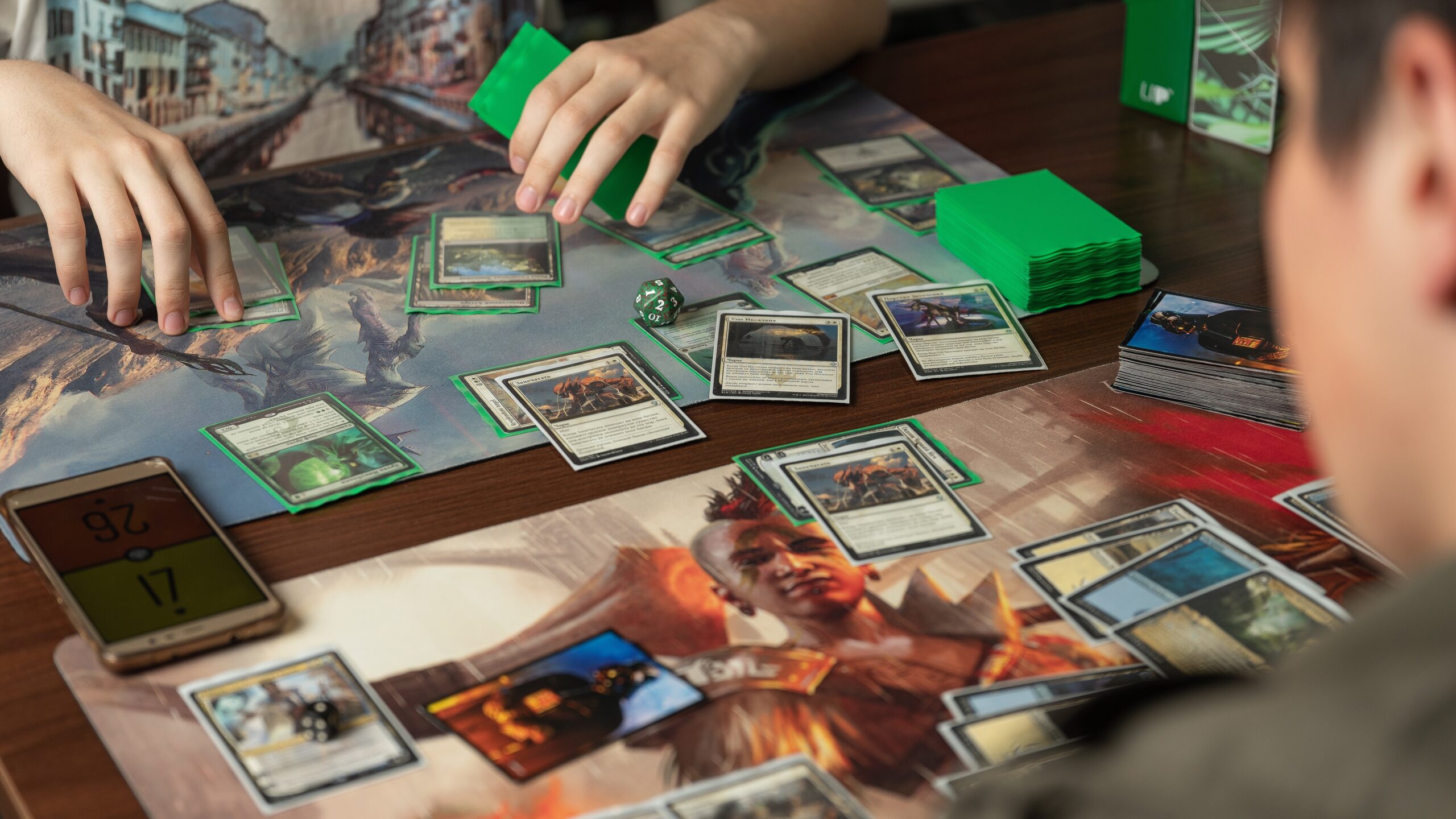
MTG Custom Proxies for Commander: What to Personalize First

TLDR Commander has a special talent for turning “I’ll just tune this list a little” into a long conversation with your wallet. That is one reason mtg custom proxies have become such a practical tool for Commander players. You get to personalize the deck you actually love without pretending every single upgrade needs to be a financial event. And Commander is where customization actually matters. This is a format built around identity. Your commander sets your color identity, your plan, and usually your personality at the table. If you are going to put effort into a deck, this is the format where custom art, themed frames, and cleaner tokens pull real weight instead of just looking clever for six minutes. Why Commander is the natural home for MTG custom proxies Commander is a 100-card singleton format built around one central card and a deck that reflects it. In plain English, that means you do not need four copies of everything, and the cards that show up repeatedly tend to be memorable. Your commander gets cast over and over. Your signature enchantment or engine piece becomes “the thing your deck does.” Your token swarm spreads across the table like it pays rent there. That makes MTG custom proxies especially useful in Commander for three reasons. First, each slot is more visible. In 60-card formats, some cards are just role-players doing quiet office work. In Commander, the big pieces are often literal conversation starters. Second, Commander players tend to care about theme. Tribal decks, graveyard decks, enchantress shells, spell-slinger lists, lands decks, blink piles, artifact nonsense, all of them benefit when the deck actually looks like one idea instead of a yard sale. Third, Commander games run long enough that readability matters. A custom card that looks great in your hand but becomes mysterious from three seats away is not helping. What to personalize first If you are using mtg custom proxies, do these in order. 1. Your commander This is the easy one. Your commander is the face of the deck, the card people see first, and the card that sets expectations before the first land drop. If you only customize one card in the whole deck, make it the commander. This is also where style choices matter most. If your deck is gothic, lean into it. If it is cozy Selesnya tokens, let it look warm and bright. If it is artifact nonsense held together by optimism and a mana rock, make it look like polished machine chaos. Your commander should tell the truth about the deck. 2. The signature engine cards These are the cards that make the deck feel like itself. Not generic staples. The actual glue. Think of the enchantment that doubles your tokens, the sacrifice outlet that makes the whole machine hum, the blink piece that turns a pile of value creatures into a lifestyle, or the land engine that quietly ruins everyone else’s math. Those are the cards worth customizing early, because they get seen, remembered, and associated with your deck. A good rule is simple. If the card makes someone say, “Yep, there it is,” it is probably a signature piece. 3. Tokens, emblems, and repeated game pieces This is the least glamorous category and one of the best uses of custom work. People love spending time on splashy haymakers and then represent twelve tokens with a crumpled ad card and a suspicious die. It is a very real part of the Commander experience. It is also terrible. Custom tokens do two things at once. They make the board cleaner, and they reinforce the deck’s theme. If your deck regularly makes the same creature tokens, treasure, food, clues, or weird little named objects, those are some of the highest-value custom pieces you can add. You will feel the difference immediately. Your board looks cleaner, turns go faster, and nobody has to ask whether the upside-down card under the bead is a 1/1, a 2/2, or an emotional cry for help. 4. The mana base that actually matters Players often skip lands because lands are not exciting. That is exactly why they matter. Your lands show up every game. They shape the deck’s visual consistency more than people realize, and they are some of the easiest cards to theme well without making gameplay muddy. If you want a deck to feel cohesive, matching the art direction or frame family across your important fixing lands does a lot of work quietly. The key word there is quietly. Lands should look good, but they should still scan as lands at a glance. 5. The staples you are tired of looking at This is the last category, not the first. Yes, the format has recurring all-stars. Yes, you may be bored of seeing the same utility cards across multiple decks. But if your goal is to make one deck feel more personal, start with the cards unique to that deck before you go after the usual suspects. Otherwise, you end up with a fancy version of the same generic shell. Which is still better than nothing, but not by much. A good, better, best plan Here is the most practical framework I know. Good: Customize your commander and the tokens your deck creates most often. This gives you the biggest visual payoff with the least effort. It also makes the deck more enjoyable to pilot right away. Better: Add your signature engine pieces and your most important lands. Now the deck starts to feel deliberate. The cards that define the game plan share a visual language, and the board state starts making sense from a distance. Best: Build a fully cohesive deck package. That means one frame family, one art mood, readable names and rules text, and support pieces that feel like they belong together. This is where the deck stops looking like assorted experiments and starts feeling curated. What do you give up by going further? Time, mostly. And restraint. Restraint is always the first casualty.

Commander Brackets in MTG Explained for Normal People

Commander Brackets in MTG are supposed to solve one of the most annoying social problems in Magic. Not rules confusion. Not mulligans. Not the guy who “forgot” his dockside-level deck was too strong for the pod. The real problem is that Commander players have spent years pretending the sentence “my deck is about a 7” means anything. It does not. It never did. It was basically horoscope language for cardboard. That is why Commander Brackets in MTG matter. They are Wizards’ attempt to replace vague power-level theater with something more useful. Not perfect. Not legally binding. But useful. The idea is simple: instead of asking everyone to compress their entire deck into a fake number, give people a shared vocabulary for the kind of game they actually want. And that part is important. The brackets are not really about raw strength. They are about expected experience. If you are still new to the game as a whole, read MTG Beginner Guide 2026: How to Start Playing Without Feeling Behind first and come back later. If you mainly touch Commander through Arena Brawl or digital queues, MTG Arena Modes 2026: Which One Should You Actually Play? is also worth a look. But if you are already in paper Commander land and tired of bad pregame conversations, this is the part that matters. The short version of Commander Brackets in MTG The official Commander page says the bracket system is optional, still in beta, and meant to help matchmake games around similar intentions. That is the cleanest way to think about it. This is a social tool. Not a deck check. Not a tournament policy. Not a magical truth machine. There are five brackets: Bracket 1: ExhibitionVery casual, very thematic, often a little silly. Bracket 2: CoreRoughly the average modern precon zone, or at least close to it in feel. Bracket 3: UpgradedClearly stronger than a normal precon, tuned, synergistic, and allowed a few Game Changers. Bracket 4: OptimizedHigh-power Commander. Strong tutors, fast mana, explosive starts, efficient wins. Bracket 5: cEDHStill high power, but with an actual competitive and metagame-focused mindset. That is the skeleton. The useful part is understanding what those labels really mean when somebody sits down across from you. Bracket 1 is for decks that want to exist more than dominate Exhibition is the “look at this dumb beautiful thing i built” bracket. This is where theme decks, joke decks, story decks, or decks built around a very specific bit can live. Maybe everything has one creature type. Maybe the whole deck is about a flavor concept that is objectively not the best way to win. Maybe the point is not really to win at all, or at least not quickly. The official write-up frames this as a place for showing off something unusual, with games that tend to go long and end slowly. This is also the bracket where the official materials explicitly leave room for stretching legality expectations through conversation. Un-cards, goofy exceptions, weird table agreements, that sort of thing. That does not mean anything goes by default. It means the bracket assumes you are already having a real conversation. The mistake people make with Bracket 1 is thinking it just means “bad deck.” Not exactly. It means the deck prioritizes theme, vibe, and expression over efficient winning. That is different. Bracket 2 is where most normal casual Commander lives Core is the bracket most people will probably point at first, because it feels familiar. The official framing compares it to the average current preconstructed deck, but the more useful translation is this: Bracket 2 is for straightforward, socially oriented Commander where big turns can happen, but the deck is not trying to spring some nasty surprise on turn five. Games are supposed to breathe. Win conditions are more telegraphed. The whole thing is lower pressure. This is where a lot of casual home games belong. A lightly upgraded precon can still feel Bracket 2. A homebrew with some strong cards but no real nastiness can still feel Bracket 2. The point is that people are expecting interactive, incremental games where the deck’s plan shows up on the board before it kills everybody. There are also guardrails. No Game Changers. No intentional two-card infinite combos. No mass land denial. Extra turns are supposed to be sparse and not chained. Tutors are supposed to be light. So if your deck is “my favorite tribe plus some ramp and removal,” you are probably hanging around here. Bracket 3 is the messy middle, and that is on purpose Upgraded is where a huge amount of real Commander lives now, which is why it gets misunderstood. Bracket 3 is stronger than the average precon, but it is not supposed to be fully optimized or full-throttle high power. These decks are tuned. The bad cards are mostly gone. Synergy matters. Card quality matters. The deck can disrupt opponents and close games harder. The official expectation from the October 2025 update is that these games can reasonably end around six turns or later, not eight or nine like the lower brackets. And this is where Game Changers enter the picture. Bracket 3 is allowed up to three of them. That one detail is why Bracket 3 causes so much table friction. Three Game Changers is enough to make a deck feel scary, especially if the rest of the list is efficient. But it is also not supposed to be the “anything goes” bracket. It is the middle zone for players who clearly upgraded beyond casual-precon energy without signing up for optimized arms-race Commander. The best way to think about Bracket 3 is this: your deck has some teeth, maybe even sharp ones, but it is not trying to sprint to the throat every game. Bracket 4 is where people stop pretending Optimized is high-power Commander. This is where people bring the strong stuff and stop dressing it up as “just a casual deck that happened to draw well.” The official description is

MTG Arena Modes 2026: Which One Should You Actually Play?

MTG Arena modes 2026 sounds like a boring phrase, but it is the exact problem a lot of players hit by day two. Arena throws a small mountain of buttons at you. Starter Deck Duels. Jump In. Standard. Alchemy. Quick Draft. Premier Draft. Brawl. Historic. Pioneer. Timeless. Midweek Magic. Ranked queues. Special events. And as of March 2026, there is also a full Teenage Mutant Ninja Turtles release schedule cycling through Draft, Sealed, Quick Draft, and special events. It is a lot. That same “too many systems at once” feeling shows up across games in general, which is part of what GameRevolution has already talked about in The Current State of the Video Game Industry and Highlights from the Latest Video Game Industry News. Arena just happens to make the problem visible with queue names instead of battle passes. So here is the clean answer. Do not ask which mode is best. Ask what job you need done. Do you need to learn the rules?Do you need a cheap way to build a collection?Do you need a ladder to grind?Do you want commander-style deck identity?Do you want the largest possible card pool and the highest nonsense density? Different modes are good at different jobs. Once you see that, Arena gets a lot less annoying. First, split Arena into two buckets Every mode on Arena fits into one of two big groups: Constructed or Limited. Constructed means you bring a deck you already built from your collection. Standard, Alchemy, Brawl, Historic, Pioneer, and Timeless all live here. If you like tuning a deck over time, learning a matchup, and making upgrades piece by piece, this is your side of the house. Limited means you build your deck during the event from fresh packs. Quick Draft, Premier Draft, Traditional Draft, and Sealed live here. If you like adapting on the fly, evaluating cards in context, and getting a collection while you play, this is your side. That sounds basic, but it matters because people often choose the wrong side first. A beginner who hates deckbuilding paralysis should not jump straight into Standard brewing. A player who wants one pet deck for weeks probably should not live in Sealed events. Pick the bucket first. Then pick the queue. If you are brand new, stay in the beginner lane on purpose A lot of people feel silly playing the beginner stuff for too long. That is backwards. The beginner lane exists because it works. Arena still uses a simple new-player path. You do the tutorial, unlock starter decks through the Color Challenge, and then play Starter Deck Duels against other newcomers. That is a good system because it reduces variables. You are not wondering whether your deck is bad, your sideboard is wrong, or your opponent spent their mortgage on mythics. You are just learning. Jump In is also quietly useful here. It is not the most glamorous mode on the client, but it is one of the least stressful. You pick themed packets, jam them together, and play. That gets you cards, games, and some sense of synergy without asking you to fully build from scratch. If you are brand new, my advice is boring but effective. Play Starter Deck Duels until you understand why the decks win. Then use Jump In for a while. Then choose your real long-term mode. This is not wasted time. This is the foundation. Standard is the default answer for most players If you only want one answer to the whole article, here it is. Most players should start with Standard. Why? Because Standard is the cleanest mix of real deckbuilding, readable card pools, and support from both Arena and paper Magic. Wizards describes Standard as a 60-card constructed format built from the most recently released sets, with yearly rotation after the fall Prerelease. That makes it easier to understand what is legal, easier to find current decklists, and easier to use cards from newer products. Standard is also the best bridge between Arena and tabletop. If you learn Standard on Arena, a lot of that knowledge carries over to Friday Night Magic, a local store showdown, or kitchen table one-on-one games. That matters more than people admit. Arena is better when it points toward a real version of Magic you can imagine playing somewhere else. It also helps that current products feed it naturally. Since 2025, Universes Beyond booster sets are legal in the major Constructed formats alongside mainline sets, so the cards new players see from current crossover releases are not living in some weird side room. They are part of the same ecosystem. If you like having a “main deck” and making smart upgrades over time, Standard is the best first real home. Alchemy is for players who want Arena to feel digital Alchemy is based on Standard, but it adds digital-only cards and rebalanced versions of existing cards. That means the format changes faster, uses mechanics that only really make sense on a client, and is more willing to patch problem cards instead of leaving them alone. Some players love that. And honestly, i get it. If you are going to play on a digital client, there is a fair argument that the format should use digital strengths. Alchemy is faster moving, more experimental, and often a little less attached to paper tradition. But here is the catch. If you are the kind of player who wants your Arena cards to work the same way your paper cards work, Alchemy can annoy you fast. It is still Magic, but it is Magic with Arena fingerprints all over it. So should you play it? Yes, if you like live-service style updates, digital mechanics, and a metagame that moves around more often. No, if you want a cleaner bridge to tabletop or you already know you hate rebalanced cards on principle. Alchemy is not bad. It just answers a narrower question. Brawl is the best home for personality decks, but not always the best

MTG Beginner Guide 2026: How to Start Playing Without Feeling Behind

MTG beginner guide 2026 is really a guide to not turning your first week with Magic into a shopping mistake. If you look at Magic: The Gathering from the outside right now, it can feel like you missed 30 years of homework. You open a store page and see Foundations, FINAL FANTASY, Marvel’s Spider-Man, Avatar: The Last Airbender, Lorwyn Eclipsed, and now Teenage Mutant Ninja Turtles. Then somebody tells you to build Commander, grind Arena, learn Draft, and memorize rotation before lunch. i get why that sounds miserable. That kind of overload is not just a Magic problem. GameRevolution has already looked at how crowded gaming feels in pieces like The Current State of the Video Game Industry and Highlights from the Latest Video Game Industry News. Magic just expresses that same problem through booster packs, formats, and a lot of cardboard. The good news is this: starting Magic in 2026 is easier than it looks if you ignore most of the noise. You do not need to catch up on everything. You do not need to know every set. You do not need a Commander deck on day one. And you definitely do not need to buy random packs and hope your future self figures it out. You need one lane, one first product, and one place to play. Why Magic looks harder than it really is in 2026 A big part of the problem is volume. Wizards has said 2026 is a seven set year, which is more than the usual cadence. On top of that, Universes Beyond booster sets now work like regular Magic sets in Constructed formats. So yes, you are seeing more crossover products that matter in actual play, not just side collectibles. That sounds intimidating, but it mostly matters after you already know how to play. Your first games do not care whether a card came from Lorwyn Eclipsed or TMNT. Your first games care about simple things. Lands. Attacking. Blocking. Casting a removal spell without panicking. Knowing when not to swing with everything like a maniac. This is where new players get tricked. They think the size of the game means they need to study the whole game. You do not. Magic is huge at the edges. It is much smaller in the middle. Two people, 60-ish cards, lands and spells, somebody forgets a trigger, everybody keeps going. That is the part you learn first. MTG beginner guide 2026 starts with one choice Before you buy anything, decide how you want to learn. Not how you want to look learning. How you actually want to learn. There are three good starting lanes. If you want the cheapest and easiest path, start with MTG Arena. Arena still gives new players a tutorial, the Color Challenge, 14 starter decks, and Starter Deck Duels. That is a clean on-ramp because the client handles turn order, timing, and rules enforcement for you. You get to make mistakes without needing to apologize to a table. If you want to learn with one friend on a kitchen table, start with the Magic: The Gathering Foundations Beginner Box. This is one of the rare starter products that really does what it says. It walks you through a game turn by turn, then lets you mix and match ten simple themes once the basics click. It is built for actual beginners, not for someone who already watches set reviews at 2 a.m. If you want in-person help, start with Magic Academy at a local game store. Magic Academy events are explicitly built to teach brand-new players the rules and early deckbuilding, and Wizards says you do not need to bring your own cards. As of March 7, 2026, WPN stores are running Magic Academy Learn to Play and Deck Building events tied to TMNT from March 6 through April 16, 2026. That is a pretty good window if you want a human being to answer, “wait, can i do that?” without making you feel dumb. My honest recommendation is simple. Start on Arena if you are alone. Start with Foundations if you have one friend. Start with Magic Academy if you want the smoothest paper experience. Do not try to do all three at once in week one. Your best first product is not the flashiest one New players almost always overbuy in the wrong direction. If you want a physical first purchase, the best beginner product is still Foundations. The Beginner Box is for learning. The Starter Collection is for continuing after the rules make sense. The Starter Collection comes with over 350 cards and Wizards says those Foundations cards stay legal in Standard until at least 2029. That matters because it means your first pile of cards is not instantly stale. What should you skip at first? Skip Collector Boosters. They are fun to look at and terrible as a learning plan. Skip buying random Play Boosters to “build a deck from whatever happens.” That is how you end up with eight cool rares, no mana base, and one very confused green deck that somehow contains triple blue cards. Skip building Commander first unless a friend group is helping you. Commander is popular and fun, but it is a bad self-serve tutorial. It is social, political, full of old cards, and still surrounded by conversations about the Brackets beta and power expectations. None of that is impossible. It is just extra friction you do not need on day one. Skip copying a huge tournament list before you understand why the deck works. A good deck in the wrong hands still feels bad. And a beginner deck you understand is often more fun than a meta deck you pilot like a shopping cart with a broken wheel. If you are going to spend money early, spend it where it reduces friction. That means: That is enough. Really. A clean first month plan that does not turn into homework This part matters more than people admit. Beginners do better with