May 8, 2023

The Latest

Recent Stories

Best Axe Enchantments

Axe enchantments are upgrades that can be applied to axes in video games, enhancing their abilities and making them more formidable tools in players’ arsenals. These enchantments can be acquired through crafting, trading, and enchanting, and can offer various benefits ranging from increased damage to faster mining speed and greater durability. Choosing the right axe enchantments is an important aspect of gameplay that can significantly impact a player’s experience. With so many different types of enchantments available, selecting the right combination of enchantments can be a daunting task, especially for those new to the gaming world. In this article, we explore the best axe enchantments available, providing a comprehensive guide for readers who want to take their gaming experience to the next level. By the end of this article, readers will have a better understanding of the various axe enchantments available and how they can be applied to their gameplay to improve their performance. Most Popular Axe Enchantments When it comes to choosing the right axe enchantment, it can be challenging to know which one to pick. But don’t worry; we have you covered with our list of the most popular axe enchantments that are sure to improve your gaming experience. A. Sharpness Sharpness enchantment is one of the most common and essential axe enchantments for gamers. This enchantment increases the axe’s base damage, resulting in more significant impact and more straightforward resource collection. With the Sharpness enchantment, killing enemies and mining resources are faster and more efficient. 1. Benefits of Sharpness Enchantment – Increased weapon damage – Faster resource collection – Greater efficiency in killing hostile mobs B. Fortune Another popular axe enchantment is Fortune, often used by gamers who want to increase their chances of discovering rare resources. This enchantment is particularly useful for mining situations, and it increases the number of items dropped when breaking specific blocks. 1. Benefits of Fortune Enchantment – Increased chance of obtaining multiple resources per block break – More efficient resource collection – Greater potential for discovering rare items C. Efficiency One of the most sought-after axe enchantments is Efficiency. This enchantment speeds up the time it takes an axe to break blocks, making it perfect for harvesting resources like wood. 1. Benefits of Efficiency Enchantment – Enhanced mining speed – More efficient resource collection – Faster block-breaking in general Choosing one or more of these popular axe enchantments will significantly upgrade your gaming experience and give you the upper hand against your opponents. But there are still more great options to explore, which we will cover in the following section. Other Enchantments Worth Considering There are many other enchantments available for axes that you should consider depending on your gameplay style. Two of these enchantments include Unbreaking and Mending. Unbreaking – This enchantment reduces the rate at which your axe loses durability points. With this enchantment, your axe will last longer and need less frequent repairs. Additionally, it can save you resources and time since you will not need to craft new axes as often. Mending – This enchantment allows you to restore your axe’s durability. Unlike other enchantments, Mending is unique in that it does not need an anvil for repair. Furthermore, it repairs your axe with experience orbs gained from various activities like farming or mining. With this enchantment, it becomes significantly easier to maintain your enchanted axe’s superior damage and performance, saving you both time and resources. While there are many more enchantments available, the Unbreaking and Mending enchantments offer practicality and benefits to any players’ arsenal. These enchantments allow you to conserve resources and enhance the durability of your axe while improving your gameplay experience. Importance of Choosing the Right Enchantment When it comes to choosing the right enchantment for your axe, there are various factors that you need to consider. One of the most important of these factors is your personal player style and preferences. Are you an aggressive player who loves to hack and slash your way through gaming worlds? Or are you a more strategic player that prefers to plan and execute carefully? The enchantments you choose should match your gameplay style and complement your strengths. For example, an explosive player would benefit significantly from having a sharpness enchantment, prized for its ability to deal more damage to opponents. Meanwhile, a more cautious player might benefit from an efficiency enchantment, which helps to harvest resources more quickly. In addition to player style and preferences, the specific game mechanics and strategies also play a significant role in choosing the right enchantment for your axe. Different games have different attack systems and resource requirements, which means that some enchantments may be more valuable than others. For example, in Minecraft, selecting a fortune enchantment will give you a greater chance of obtaining rare items like diamonds and gold when you break ore blocks. This enchantment plays a critical role in Minecraft’s core mechanic of resource gathering, making it a popular choice with gamers. In conclusion, choosing the right enchantment for your axe is critical to maximizing your gaming experience and achieving success within the game’s mechanics. By considering your player style, preferences, and the specific game mechanics, you can choose the enchantment that best suits your needs, making you a formidable opponent in any gaming world. Tips and Tricks For Enchanting When it comes to enchanting your axe, obtaining the right enchantments is the key. Here are some tips on how to acquire enchantments for your axe. How to Obtain Enchantments – Enchanting Table: One of the most popular ways to obtain enchantments is through the use of an enchanting table. To use it, first, build an enchanting table, and then place the item, in this case, your axe, into the slot and select one of the enchantment options presented. – Anvil: Another method to obtain enchantments is through the use of an anvil. Once you have obtained an enchanted book, you can place it in the anvil, along with your weapon, and create an enchanted

Batman: Dark Tomorrow | GameCube Retro Video Review

Batman: Dark Tomorrow was one of the first Batman video games to be released on GameCube, making it a beloved retro game among fans of the Dark Knight. As a premier video game website, Game Revolution aims to shed light on this classic game, analyzing its gameplay, graphics, story, sound design, replayability, and difficulty. The Batman franchise has had a rich and diverse history in the video game industry, with several well-known hits and misses. From the iconic Batman: Arkham series to the underrated Batman: Vengeance, fans have been drawn to the chance to play as their favorite superhero. However, retro games like Batman: Dark Tomorrow played an integral role in shaping the industry to be what it is today. Given the impact of retro games on modern-day releases, it’s essential to recognize not only the beloved franchises that stood the test of time but also the games that challenged the industry to push boundaries. This article will examine Batman: Dark Tomorrow’s place in video game history, offering an overview of the game, its predecessors, and why it is essential in shaping the industry. Gameplay Batman: Dark Tomorrow on GameCube is an action-adventure game that takes place in the iconic world of Gotham City and the Batman mythos. The game impresses right out of the gate with its atmosphere and art design, which pull the player into the dark and gritty world of Gotham. The gameplay is an essential component of the overall experience of the game, and it has both its strengths and weaknesses. Overview of gameplay mechanics and controls Players take on the role of the caped crusader, and the game puts a heavy emphasis on stealth and puzzle-solving. Players must navigate through levels, avoiding traps and enemies while solving puzzles to progress to the next section. There are various gadgets at their disposal, which players can use to take down enemy guards, open locks, and move past obstacles. The game also has sections where players take control of other characters, like Robin, which provides a nice change of pace for the player. The controls take some getting used to and can feel cumbersome at times, especially when it comes to combat. Players may find themselves repeatedly button-mashing to pull off basic attacks, which can become monotonous after a while. However, the game does offer players a decent amount of flexibility in how they approach situations. Players can use a combination of stealth, gadgets, and brute force to take on various enemies and obstacles. Analysis of how gameplay feels and how it holds up today The gameplay mechanics of Batman: Dark Tomorrow on GameCube often feel clunky and unpolished by today’s standards. Players may find themselves struggling to move their character or aim their gadgets properly. The stealth mechanics, which should be one of the game’s strong points, can be frustratingly inconsistent. Additionally, the load times and occasional game crashes can sour the overall experience. However, despite the game’s shortcomings, it still retains some of its initial charm and appeal. The story is engaging, featuring classic Batman villains and a complex plot. The puzzles range from relatively simple to head-scratchingly challenging, and the game’s difficulty ramps up as players progress, providing a satisfying challenge for those looking for it. Comparison to other Batman video games Compared to other Batman games, the gameplay mechanics of Batman: Dark Tomorrow on GameCube fall short of expectations. While the game has some unique elements, it feels clunkier and less refined than the more recent Batman games. However, it still offers an entertaining and immersive experience for fans of the series and players looking for a challenging puzzle or stealth game. Graphics One of the first things players will notice when they start Batman: Dark Tomorrow is the graphics. While the game was released in 2003, the graphics quality and style can feel outdated when compared to modern games. That said, when you consider the technology and hardware limitations of the GameCube era, the graphics in Batman: Dark Tomorrow hold up relatively well. The character models are well-designed and accurately represent their comic book counterparts. The environments are also well-detailed, with dark and gritty designs that fit well with the game’s overall atmosphere. When compared to other games released during the same era, Batman: Dark Tomorrow’s graphics are quite impressive. However, looking back at it now, it might not live up to the standards set by modern video games. But it’s important to remember that this game was released almost two decades ago and the game’s visual quality was top-notch at the time. It was cutting edge technology when released and the designers had to work creatively to fit a rich open world into the GameCube’s format. The evolution of gaming graphics since the release of Batman: Dark Tomorrow has been immense. With gaming consoles being more powerful and developers being more experienced with designing modern graphics, it’s challenging for Batman: Dark Tomorrow to stand against the competition. But retro games, in general, provide us with a time capsule of what gaming was like in a past generation. Playing Batman: Dark Tomorrow, you can see the start of the move to realism in games that has changed so much in 2021. Story Batman: Dark Tomorrow is a video game based on the Batman comic book series. The game is set in Gotham City, where the player takes on the role of Batman in his quest to stop a terrorist attack that threatens the city. The story is driven by the player’s actions, with different choices leading to different outcomes. The game features several characters from the Batman universe, including Commissioner Gordon, Oracle, and several classic Batman villains such as Poison Ivy and The Joker. The game’s storyline is complex, and players will need to pay close attention to the events unfolding around them to understand how to progress through the game. One of the standout features of the game’s story is its focus on character development. Throughout the game, players will witness

Air Warrior III | Retro Video Game Review

Air Warrior III is a classic PC game that revolutionized the way we think about aviation games. Released in 1997 by Kesmai Corporation, the game immediately captured the attention of gamers worldwide with its groundbreaking multiplayer gameplay and state-of-the-art graphics. The game’s unique gameplay premise focuses on a World War II-era aviation combat simulator, which lets players feel as if they are a part of a real air battle. As such, it swiftly established a loyal following that still reveres it to this day. Air Warrior III is both an award-winning game and, in the context of today’s gaming world, a retro gem. The gameplay and mechanics of this game predict what modern aviation games would become, as it set the standards for future games to follow. So, what makes this game deserving of a retro review? Its impact on the gaming industry, its revolutionary approach to MMO gameplay, and its pace-setter ranking among flight Simulator games are some of the reasons that cement it as a retro classic. In this review, we will take an in-depth look to examine the key elements of this vintage game, including the gameplay and premise, graphics and design, story, sound design, replayability, difficulty, its place in gaming history, and a final score. Graphics and Design When Air Warrior III released in 1997, its graphics were considered to be on the cutting edge. However, the game’s graphics have aged and seem outdated as compared to modern games. The game’s environment and textures lack the sharpness that we see in games today, but this is entirely expected as it is a product of its time. Nevertheless, these graphics hold a particular charm for retro video game enthusiasts. It’s fascinating to see how much the gaming industry has evolved since the release of Air Warrior III. We have advanced from 8-bit graphics and limited color palettes to high-definition graphics with advanced physics engines. The game’s release was a turning point in the graphics technology of video games. Although it might seem rudimentary by current standards, it’s essential to note that the game helped lay the gameplay foundation, inspiring a bevy of modern games. Comparing it to other retro games, Air Warrior III graphics hold up reasonably well. The game’s planes and landscapes feel immersive. The visuals present an accurate representation of the cockpit and the game’s environment. The game has a certain undeniable charm, mainly based on its nostalgia and the unique way in which it captures the spirit of early PC gaming. In conclusion, although Air Warrior III’s graphics may seem outdated by modern standards, they still have a unique and enjoyable charm for retro game enthusiasts. The graphics were significant during their time, and the game’s release was a turning point in the evolution of graphics technology. The game’s graphics add to its gameplay and make it feel immersive. The Story Air Warrior III’s narrative centers around a conflict between rival factions in a futuristic version of Earth. Players control pilots who engage in aerial combat across multiple theaters of war, completing missions and objectives to support their respective factions. While the gameplay is the most notable aspect of the game, the story adds a layer of depth and intrigue to the experience. The narrative is engaging and immersive, successfully capturing the feeling of being a pilot in a world at war. One of the strengths of the game’s story is the sense of agency players have over their own fate. Your choices and actions impact the narrative and can lead to vastly different outcomes. The story’s focus on player choice elevates the game from generic aerial combat simulator to something more engaging. However, the game’s narrative is not without its weaknesses. The plot can be somewhat predictable at times, and the storytelling can feel a bit disjointed. Despite these flaws, the story remains an important piece of Air Warrior III’s appeal. Compared to other games in the same genre, Air Warrior III’s narrative stands out. It doesn’t rely on the typical hero vs. villain story and instead opts for a more nuanced and complex plot. This approach makes the game feel fresh and unique, setting it apart from other retro titles. Overall, the story in Air Warrior III is a notable aspect of the game. It successfully immerses players in a world at war and gives them agency over their own fate. While it has some flaws, the narrative still stands out as a highlight of the game. Sound Design When it comes to video games, sound design plays an important role in the overall gaming experience. Air Warrior III may be a retro video game, but its sound design still holds up to date. The game’s sound design includes well-rounded sound effects and original music tracks that complement the gameplay. One of the most impressive features is the variety of in-game sounds, from the roar of the engine to the “whoosh” of missiles soaring towards their targets. The diverse sounds make the gaming experience more immersive, as players feel more connected to the game’s world. Furthermore, sound enhances the gaming experience by providing players with an auditory cue as to what is going on in the game. For example, in Air Warrior III, when an opponent is approaching from behind, the sound changes, alerting the player to be on guard. The game’s sound design makes it more engaging and adds an additional layer of depth to the gaming experience. When compared to modern games, it may seem that Air Warrior III’s sound design lacks innovation. However, it is essential to note that this game set the bar for future games, and its sound design was exceptional for its time. In conclusion, Air Warrior III’s sound design plays a crucial role in the overall gaming experience, providing players with engaging sound effects and immersive music tracks. It enhances the gameplay by providing players with auditory cues, elevating the game to a whole new level, and providing an enjoyable and memorable gaming experience.

Social Media

New From Game-Revolution

Get The Latest Updates

Subscribe To Our Weekly Newsletter

No spam, notifications only about new products, updates.

Categories

Trending

Most Popular Stories

Commander Brackets Explained for Regular Players

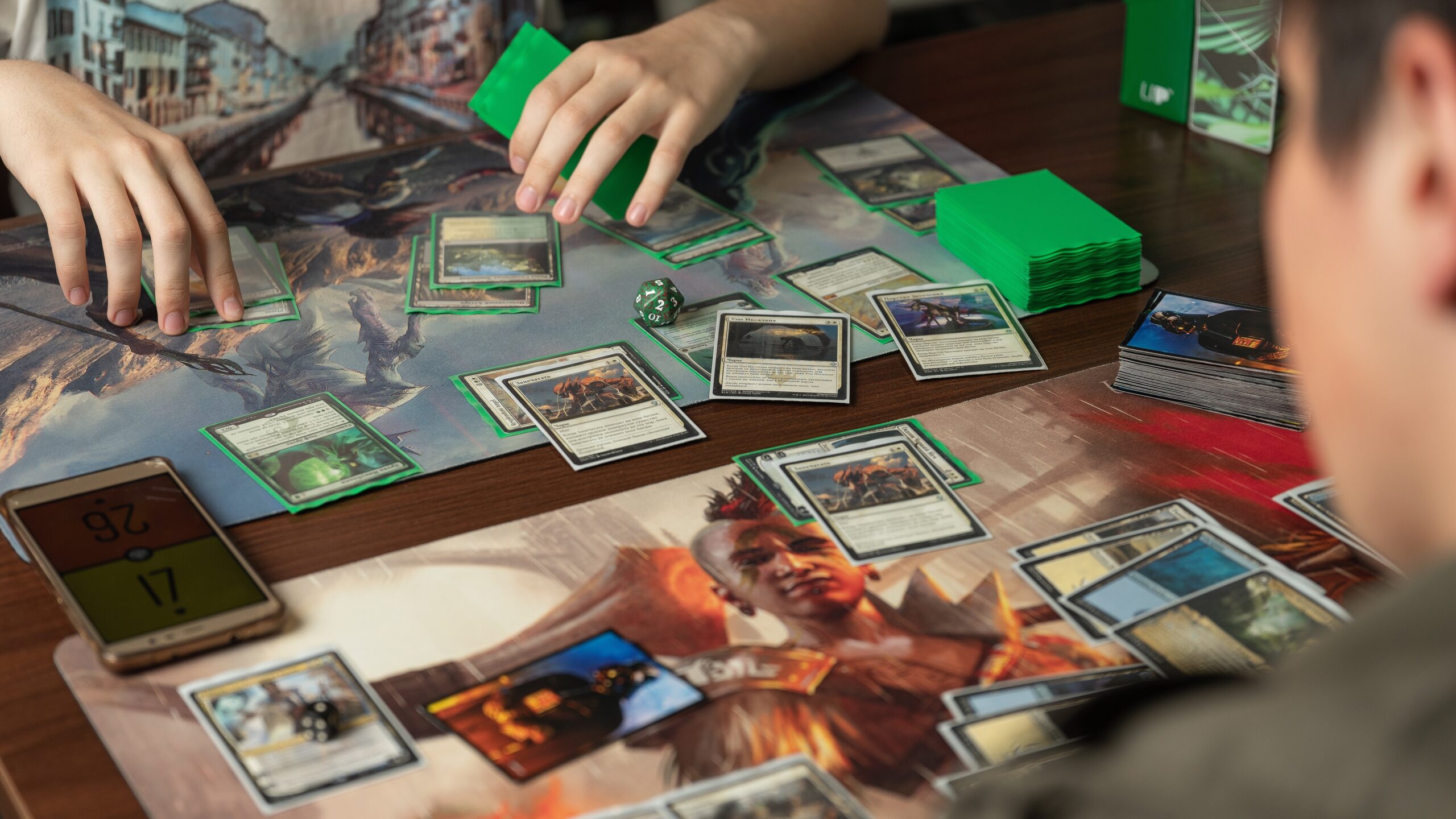
Commander brackets explained in plain English is something a lot of regular players needed way sooner than they got it. For years, pregame power conversations in Commander were built on vibes, optimism, and the famous “this is probably like a seven” line, which usually meant absolutely nothing. Then the game starts, one player is casting a goofy tribal deck, another player is tutoring on turn two, and now everybody is pretending they are still having a good time. That is the problem Commander brackets are trying to fix. Not rules confusion. Not deck legality in the usual banned-list sense. Just the very human problem of four people sitting down with wildly different expectations and calling it a match anyway. The short version is that the system is meant to give regular players better language. Not perfect language. Better language. And honestly, that already makes it more useful than the old 1-to-10 power scale. What Commander Brackets Are Actually Trying to Do If you strip away the rollout drama, Commander brackets are a matchmaking tool for expectations. That matters because Commander has always had a weird identity problem. It is casual, but people tune their decks hard. It is social, but people still want to win. It is full of splashy nonsense, but some nonsense is fun and some nonsense means three players stop participating while one player takes a five-minute turn. The bracket system gives that mess some shared vocabulary. Wizards has been pretty direct that this is not supposed to replace Rule Zero. It is supposed to make Rule Zero conversations less useless. That is a big difference. The brackets are not a judge call, and they are not a magic lie detector. If somebody wants to mislabel a deck, the system cannot stop them. But for regular players trying in good faith to find a fair pod, the brackets are a real improvement. And as of the February 2026 update, Wizards said adoption keeps growing in actual pregame conversations. That tracks with what a lot of players are seeing. Even if people do not remember every detail, they at least now have a more useful way to say, “this deck is basically a precon plus upgrades” or “this thing is not cEDH, but it is still coming for your throat.” The Five Brackets in Plain English Here is the version regular players actually need. Exhibition This is the super casual lane. Theme decks, flavor decks, goofy deckbuilding restrictions, and games where the point is more “look what i built” than “watch me assemble the cleanest win line.” If your deck is trying to tell a story more than optimize every slot, you are probably here. Core Core is the average modern precon neighborhood. This is where a lot of regular Commander lives. Decks function, have a plan, produce big turns, and absolutely try to win, but they are not built like a machine looking for the shortest route to the table’s misery. Upgraded This is where a lot of people actually sit, even if they do not love admitting it. These decks are stronger than average precons, more tuned, and more intentional. Your mana is better. Your card quality is tighter. Your deck is doing the thing on purpose. But you are not fully in no-restraints territory. Optimized Now we are in high-power Commander. Faster starts, stronger tutors, cheap combos, and much less patience for clunky pet cards. If your deck is built to fire on all cylinders and you are not really making sentimental cuts anymore, this is probably your lane. cEDH This is not just “very strong Commander.” It is Commander with a competitive mindset. The metagame matters. Card choices are ruthlessly defended. The game is being approached like an actual competitive environment, not just a spicy casual pod. That last distinction matters more than people think. One of the best things the system did was admit that “high power” and “cEDH” are not automatically the same thing. cEDH is a great place to use mtg proxies by the way. What Game Changers Actually Mean Game Changers are the part people obsess over because they are easy to count. The idea is simple. Some cards have such a strong effect on the shape of a Commander game that they deserve special attention even if they are not banned. These are not just “good cards.” They are cards that warp expectations, accelerate too hard, tutor too cleanly, or create play patterns a lot of casual tables actively do not enjoy. That is why the list matters. In practice, the easiest way to think about it is this: Brackets 1 and 2 do not want them. Bracket 3 can include a small number of them. Brackets 4 and 5 are where they stop being a special warning and start being part of the furniture. What catches people off guard is that Game Changers are not the whole system. You cannot just count them and call it a day. Wizards was explicit about that. A deck with zero Game Changers can still belong in a higher bracket if the deck is obviously built to run hot. And a weird theme deck with one unusual card might still belong lower if the table is fine with it and the intent is casual. That is why the brackets work best as language, not math homework. How to Use Commander Brackets at a Real Table This is the part that matters most, because regular players are not writing policy documents. They are trying to start a game. A good bracket conversation does not need to be long. It just needs to be honest. “This is Core, basically a precon with a cleaner mana base.” “This is Upgraded, no fast combo but definitely stronger than a stock precon.” “This is Optimized, lots of tutors, game can end fast.” That is already more useful than “it is like a seven, maybe a seven-and-a-half if i draw well.” You also do not need to

Best MTG Arena Modes for New Players in 2026

MTG Arena modes for new players can feel like a bad menu joke the first time you open the client. You log in and Arena starts throwing buttons at you like it assumes you already know the difference between Jump In, Quick Draft, Standard, Brawl, Alchemy, and whatever event is glowing today. If that sounds familiar, good. You are normal. The good news is that you do not need to learn every queue. You need to pick the few that actually teach you the game without draining your gold, your patience, or your will to live. In my opinion, the best beginner path on Arena is still pretty simple: learn with starter decks, use Jump In to feel real deck synergy, try Quick MTG Draft when you want reps, and settle into Standard if you want one main format. If you want a broader onboarding path beyond the client, our MTG Beginner Guide 2026 fills in the bigger picture. Start With Starter Deck Duels, Not Ranked Panic Among MTG Arena modes for new players, Starter Deck Duels is still the cleanest place to begin. It is not fancy, and that is exactly why it works. When you are brand new, the hardest part of Magic is not just the rules. It is separating your mistakes from your deck’s mistakes. Ranked Standard does not help with that. If you lose there, you may have misplayed, built poorly, mulliganed badly, or simply run into a tuned list with a cleaner curve than yours. That is a lot of noise. Starter Deck Duels strips out a lot of that noise. You are using prebuilt decks. Your opponents are usually on the same general level. The games teach sequencing, combat, mana usage, and the basic question every Magic turn asks: what matters right now? That sounds small, but it is huge. New players often want to graduate out of these decks too fast because they look temporary. But they are doing real work. They teach you what a control deck feels like when it is behind. They teach you what aggro actually means beyond “play creatures.” They teach you why some hands look fine and still lose because the order is wrong. And that is the whole point. Arena’s training wheels are not glamorous, but they save you from learning the wrong lessons first. Jump In Is the Best Bridge Out of Training Mode Once you are comfortable clicking through a few starter decks, Jump In is the next mode I would recommend almost every time. Jump In is great because it gives you a half-step toward deckbuilding without asking you to build from scratch. You pick themed packets, mash them together, add lands, and play. That means you start seeing actual synergies and archetypes, but you are not staring at a blank deckbuilder wondering why your blue-white pile somehow has six cards that all cost five mana. This is one of the best MTG Arena modes for new players because it teaches pattern recognition. You start noticing that some decks want to curve out and attack. Some want to stall and fly over. Some want graveyard value. Some want sacrifice loops. You get the feel of a plan before you are asked to invent one. It also helps that Jump In is low stress. There is less of that “i paid currency for this so now every mistake hurts more” feeling. You are playing real Magic, but in a softer lane. That matters more than people admit. If you are the kind of player who likes to learn by seeing a bunch of deck shells first, Jump In might be the most useful queue on the whole client. Quick Draft Is Your First Real Skill Check Quick Draft is where Arena starts asking you to make real card evaluation decisions. That sounds scary, but it is actually why I like it for beginners. Compared with Premier Draft or more expensive event structures, Quick Draft is the mode that lets you learn Limited without feeling like every bad pick was a financial event. You draft against bots, build a 40-card deck, keep the cards you take, and play until you hit your win or loss cap. It is still real drafting. It just gives you a slightly softer landing. That softer landing matters because early Draft mistakes are incredibly predictable. New players take expensive cards too highly. They force colors too soon. They underrate removal. They forget their mana curve. They build 43-card decks because cutting cards feels emotionally illegal. Quick Draft gives you room to make those mistakes and then laugh at them later. I also think Quick Draft teaches core Magic faster than some constructed queues do. You learn when to race, when to trade, when to splash, when to stop being cute and just play the efficient creature. You stop asking whether a card is “good” in the abstract and start asking whether it is good in this deck. That is real progress. If you want one early mode that builds actual skill, Quick Draft is probably it. Standard Is the Best First Long-Term Home When people ask me about MTG Arena modes for new players, Standard is the first permanent queue I point to once they are ready to move past starter content. There is a reason for that. Standard is the cleanest mix of normal one-on-one Magic, readable deckbuilding, current card pools, and steady support. It is easier to find decklists. Easier to understand legality. Easier to use the cards you keep seeing in current releases. Easier to carry what you learn from one session into the next. And right now, Standard has one extra thing going for it. 2026 is an unusually friendly entry point. Usually, new players worry about rotation timing and whether they are joining at the wrong moment. But this year is not as awkward as that old pattern made it feel. So if you want to plant your flag in one place, Standard

Which Magic: The Gathering Format Should You Start With Right Now?

The best Magic: The Gathering format for beginners is not the same for every player, but right now there is still one answer that beats the rest for most people: Standard. I know that is not the sexiest answer. Commander is louder. Draft feels smarter. Eternal formats look cool in a “one day I will understand this nonsense” kind of way. But if you want the cleanest actual start, Standard still wins. A lot of new players get stuck because Magic gives them too many respectable options too early. Friends say Commander. Arena says Draft. Somebody online says just buy a precon. Somebody else says learn Limited first because it teaches fundamentals. The annoying part is that all of them are kind of right. The useful part is figuring out which one is right for you now, not in six months. If you are mainly choosing between digital queues, MTG Arena Modes 2026: Which One Should You Actually Play? breaks down the client side in more detail. Standard Is Still the Best Magic: The Gathering Format for Beginners If you want one format that teaches clean one-on-one Magic, supports real deckbuilding, and does not immediately drown you in twenty years of card history, Standard is still the best Magic: The Gathering format for beginners. Why? Because it is readable. Standard uses recent sets. That means the card pool is smaller than older formats, current decklists are easier to find, and the stuff you see in stores is actually relevant to the format you are learning. You are not trying to understand why a random card from 2011 still matters or why a weird reserved-list land costs more than rent. It also teaches the fundamentals that carry almost everywhere else. Curve. Tempo. Removal timing. Sideboarding. Mulligans. Threat assessment. Resource trading. Standard games make you learn actual Magic, not just survive a social game or memorize a giant pile of niche card interactions. And right now there is another reason Standard looks especially good. This is a cleaner timing window than usual. Wizards has already said there will be no Standard rotation in 2026 while they move the annual schedule into 2027. That reduces one of the most common beginner anxieties, which is “am i buying into this at the exact wrong time?” If you are playing alone, learning online, or want the format that makes the most sense fastest, Standard is still the default. Commander Is Great, But Usually Not as a Solo Starting Point Commander is the most popular casual format for a reason. It is expressive, social, replayable, and full of personality. You get one commander, one deck, one table, and a lot of stories. That part is real. But Commander is usually not the best self-serve tutorial. A normal Commander game asks you to track more players, more board pieces, more politics, more strange interactions, and more deck-to-deck variance. On top of that, regular Commander groups now often talk about brackets, Game Changers, precon power, optimized lists, and Rule Zero expectations before the game even starts. None of that is impossible for a new player. It is just extra friction. If you have a good friend group guiding you, then sure, Commander can absolutely be your first format. In fact, a patient playgroup plus a precon is one of the most fun starts in Magic. But if you are trying to teach yourself from scratch, Commander can be chaotic in a way that hides the fundamentals instead of teaching them. So my opinion is pretty simple. Start with Commander if your friends are doing the work with you. Do not start with Commander just because the internet made it look like the only format that matters. Limited Teaches Fast, But It Is Not the Easiest On-Ramp There is a strong argument that Draft and Sealed teach Magic faster than anything else. And honestly, that argument is not wrong. Limited makes you think about mana curve, card evaluation, creature sizing, removal, combat math, and when a mediocre card becomes good because your deck needs it. You learn quickly because you cannot hide behind a polished netdeck. The deck is yours, and its mistakes are also yours. That is great for growth. It is not always great for comfort. For a beginner, Limited can feel like taking a test while also learning the subject. You are building and piloting at the same time. That is a lot. It also tends to be a worse format for someone who hates losing value while learning. A bad Draft can feel educational. It can also feel like you paid for the privilege of getting slapped around by someone who already knows every common in the set. So should you learn through Limited? Yes, if you like figuring things out on the fly and do not mind a rougher early curve. If you want the smoother start, Standard is easier to live with. Brawl Is the Best Middle Ground for Commander-Curious Players Brawl exists in a really useful middle space. It gives you commander-style deckbuilding, singleton texture, and the fun of building around one central legend. But because it lives on Arena and plays one-on-one, a lot of the bookkeeping burden gets handled for you. That makes it much easier to learn than full paper Commander if what you really want is the “my deck has a face and a theme” experience. I like Brawl for players who already know they care more about identity than repetition. Maybe you do not want to grind mirrors in Standard. Maybe you want your deck to feel like your deck every time you queue. Brawl is very good at that. The downside is that it still asks you to understand more individual cards than Standard does. Singleton formats do that. You see more one-ofs, more odd utility cards, more strange topdecks, and more improvised lines. That makes the games fun. It also makes them less beginner-clean. So if Standard feels a bit too plain and Commander

Are There Good Vampiric Tutor Proxies for MTG?

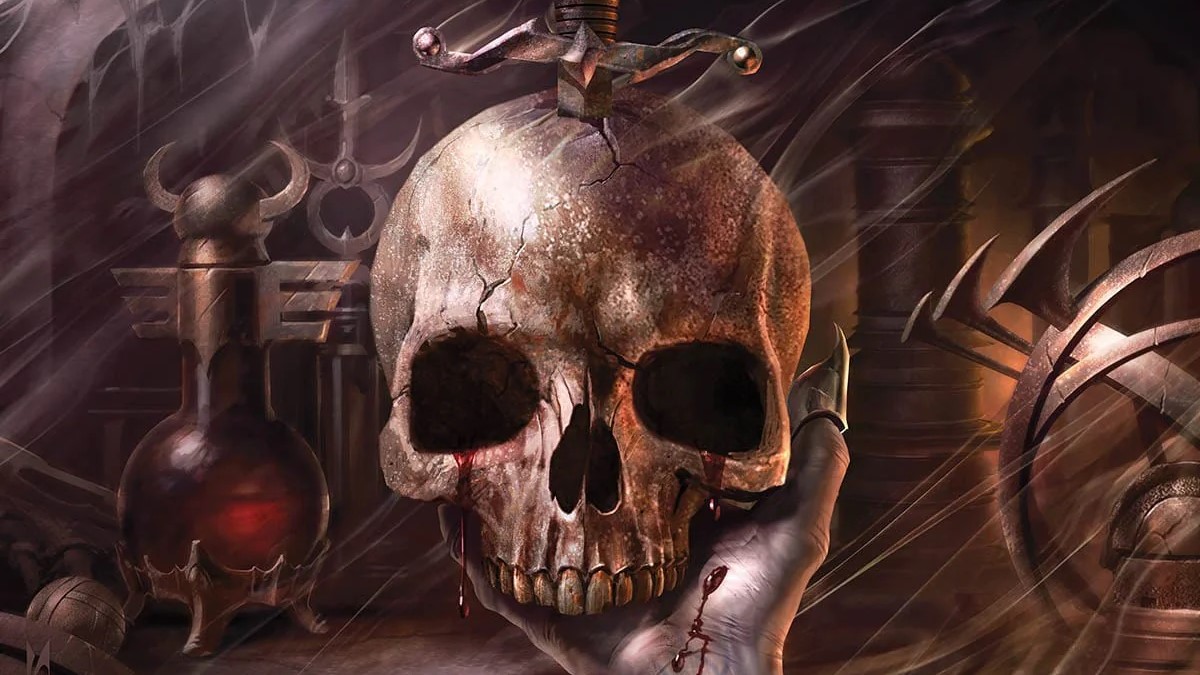
Yes. There are good proxy options for Vampiric Tutor. But most players are not really asking whether a proxy exists. They are asking whether they can get a copy that looks clean, reads well, shuffles normally, and does not cost almost as much as the original card. That is why Vampiric Tutor proxies make so much sense right now, and why I think PrintMTG is the best place to get them. Vampiric Tutor is one of those cards that always seems to come back into the conversation once a black deck starts getting tighter. It is cheap to cast, instant-speed, and it finds exactly what you need. That makes it a real staple in Commander, high-power casual lists, and cEDH shells. The issue, of course, is price. Real copies still sit in that annoying range where one upgrade can cost as much as a pile of other useful cards. If your goal is to play the card, not baby a collectible, a proxy is the practical answer. Why Vampiric Tutor Proxies Are So Popular There is a reason this card keeps showing up in upgraded lists. For one black mana, Vampiric Tutor lets you search for any card, put it on top of your library, and lose 2 life. That is a tiny cost for a huge amount of flexibility. Need a combo piece? Get it. Need a board wipe next turn? Get it. Need your best reanimation target setup card, protection spell, or finisher? Same answer. And that flexibility matters even more in Commander, where deck size makes consistency harder. A one-mana tutor turns your deck into a much more reliable machine. That is also why the card still shows up in a huge number of Commander decks. It is not a narrow tribal card or some weird niche tech piece. It is just broadly strong. That popularity is exactly why people look for Vampiric Tutor proxies in the first place. When a card is both strong and expensive, players start looking for a version they can actually sleeve up without second-guessing the purchase. What Makes a Good Vampiric Tutor Proxy Not all proxies are equal. Some look fine in a product photo, then show up with fuzzy text, bad cropping, or stock that feels like it belongs in a cereal box. That gets old fast. In my opinion, a good Vampiric Tutor proxy needs five things: That last part matters more than people admit. You are going to see this card a lot. If you love old border, you should print an old-border version. If you want a clean Commander Legends look, do that. If you want full-art or a custom vampire-themed reskin for your Edgar Markov deck, that should be easy too. A lot of cheap routes fall apart on one of those points. Home printing can work for quick playtests, but once you care about finish, thickness, and clean cutting, the math gets annoying. Ink is not free. Cardstock is not free. And one crooked cut later, the “cheap” option suddenly feels less cheap. Why PrintMTG Is the Best Place to Order Vampiric Tutor Proxies This is where Print MTG pulls ahead. First, the workflow is simple. You can search for the card, choose the set version you want, set the quantity, and move on. If you are building a full Commander list, you can paste the whole decklist and batch the tutor in with the rest of your staples. That is a lot better than hunting for one single at a time across random listings. Second, the materials are actually built for table use. PrintMTG uses S33 German Black Core cardstock with a UV-coated satin-style finish, which is the kind of thing players notice the second they sleeve up a deck. The cards feel more like real game pieces, not throwaway placeholders. Third, PrintMTG is strong on price. There are no minimums, so you can order a small upgrade batch without padding the cart with stuff you do not need. And once you start adding more staples, the per-card pricing drops fast. That matters because almost nobody stops at just one tutor. Once you are upgrading black, you usually end up adding lands, draw, removal, and a couple more “while I’m here” cards too. Fourth, you are not boxed into one look. If you want a normal readable version, you can print that. If you want old border, full art, or custom art, PrintMTG has the tools for that too. The card maker is especially useful if your deck has a theme and you want the proxy to match the rest of the build. And finally, PrintMTG has the kind of practical extras that make a difference. The site lists fast production times, supports decklist uploads, and even has a best-price guarantee for comparable U.S. orders. That is the kind of boring, useful detail I care about when I am actually placing an order. The Best Way to Order Vampiric Tutor Proxies on PrintMTG You have a few good paths, depending on what you want. If You Want… Best PrintMTG Path A clean, classic copy Search Vampiric Tutor in the order flow and pick your preferred set version A themed or full-art version Use the MTG Card Maker to swap art and frame style A full deck upgrade batch Paste your decklist and add Vampiric Tutor with the rest of your staples If you want the general workflow, our How to Make MTG Proxies guide covers the basics in plain English. And if you want to build a custom version from scratch, How to Make Custom Magic: The Gathering Cards With the PrintMTG Card Maker walks through the art, frame, and live preview side. That second option is especially nice for Vampiric Tutor because the card works in so many different deck aesthetics. A clean black frame works. A retro old-border version works. A full-art spooky reskin also works. This is one of those staples that can look as serious or as dramatic as