April 12, 2023

The Latest

Recent Stories

Video Games Evolution: From Pong to VR

Video games have come a long way since the early days of Pong and Pac-Man. Today, gaming is a multi-billion dollar industry that shapes popular culture worldwide. In this article, we will take a closer look at the evolution of video games, from their humble beginnings to the present day. The pioneers of video gaming paved the way for the industry as we know it. Gaming consoles like the Magnavox Odyssey, Atari, and Nintendo Entertainment System revolutionized how people consume entertainment. As gaming technology improved, the rise of personal computers in the 1980s led to a new era in gaming. PC gaming became a significant driver of the gaming industry, shaping the industry with RPGs, MMORPGS, and online gaming. The golden age of gaming followed, introducing 3D graphics, game narratives, and online multiplayer games. Many game franchises emerged during this era, including The Sims, Grand Theft Auto, and Halo, which continue to shape modern gaming experiences. With the evolution of gaming over time, it is exciting to see what the future of gaming holds. As we move forward, the gaming industry continues to innovate and adapt to new technologies, making gaming experiences more immersive than ever before. With the advent of mobile devices, gaming has become more accessible than ever before. Mobile gaming has revolutionized the gaming industry, creating millions of avid gamers worldwide. Mobile games have come a long way since the early days of Snake and Tetris on Nokia phones. In recent years, the rise of mobile devices has led to some of the most massive hits in the gaming industry, including titles such as Angry Birds, Pokémon Go, and Candy Crush. Mobile gaming has also disrupted the gaming industry, offering new opportunities for both players and developers. The portability and convenience of smartphones and tablets have made it easier than ever for players to enjoy their favorite games anytime and anywhere. Developers have taken notice, creating more and more mobile-exclusive games and adapting existing titles for mobile devices. One of the significant advantages of mobile gaming is that it appeals to a broader audience than traditional console games. People who would not typically consider themselves gamers can now play games on their smartphones and tablets, thanks to the wide variety of games available on app stores. Mobile gaming has also introduced new genres of games, such as hyper-casual and idle games, which have become incredibly popular. In conclusion, mobile gaming has emerged as one of the significant disruptors of the gaming industry. From simple mobile games like Snake to modern sensations like Pokémon Go, mobile gaming has come a long way. Its accessibility, portability, and versatility have made it a massive hit around the world. As we move forward, mobile gaming is set to become even more significant in the gaming industry, continuing to change the way we think about games and gaming. Virtual Reality Gaming Virtual Reality technology has become an increasingly popular topic in gaming. As technology advances, it is allowing for more immersive and engaging gaming experiences. Now, players can enter a virtual world where they are completely immersed, giving them a greater sense of presence and control over the game environment. This technology has been embraced by major companies such as Oculus VR and HTC Vive, and gamers can expect to see a tremendous surge in the availability of virtual reality games and experiences. Virtual Reality gaming can be compared to real-life experiences. When playing a game in this environment, the player feels like they are in the game’s world. They can move around the environment, interact with objects and completed objectives, making it more engaging than traditional gaming. The technology is advancing rapidly, and as it becomes more mainstream, we can only expect that it will continue to revolutionize the gaming industry. Playing virtual reality games is an immersive experience that changes the way gamers experience gaming. It gives them an unparalleled degree of control over the environment, creating a sense of presence that traditional gaming cannot match. The potential for virtual reality technology in the gaming industry is massive. Gaming companies can use it to present unique environments for players and offer a unique gaming experience. Meanwhile, gamers will get a new, exciting, and dynamic way of engaging with their favorite games. Gaming has evolved from a niche hobby to an integral part of modern society. The impact of gaming on popular culture cannot be understated, as it has become a significant driver of movies, TV shows, and music. Gaming franchises like Call of Duty, Assassin’s Creed, and World of Warcraft have all had movies or TV shows produced based on their worlds and characters. Furthermore, gaming has become a mainstream form of entertainment. The rise of platforms like Twitch, YouTube Gaming, and Mixer has made it easier than ever for people to watch and interact with gamers playing video games. People of all ages and walks of life have embraced gaming, making it an equalizer in modern entertainment. Gaming’s continued growth and influence indicate its importance in modern culture. The release of new gaming consoles and games generates excitement and anticipation akin to blockbuster movies or album releases. Gaming has become a billion-dollar industry and is showing no signs of slowing down anytime soon. As gaming continues to evolve, its impact on popular culture will only grow. It has become a powerful force that identifies with the modern era through entertainment, competition and self-expression. Gaming has transcended its niche roots and earned its place among the world’s most influential forms of entertainment. The gaming industry is constantly evolving and adapting to new technologies, and there is no doubt that the future of gaming is bright. In this section, we will discuss some of the upcoming technologies and trends in gaming that will shape the industry in the years to come. One of the most exciting trends in gaming is cloud gaming. Cloud gaming, also known as gaming on demand, is a technology that allows gamers to stream games directly

Tribes 2 | PC Retro Video Review

Tribes 2 is a classic, retro video game that was first released back in 2001. Developed by Dynamix and published by Sierra On-Line, Tribes 2 remains an essential game in the first-person shooter genre, as it introduced many new and innovative features that gamers had never seen before. The game’s background and historical significance are notable since Tribes 2 was released at a time when technological advancements were gaining more momentum. The game introduced various features, including larger map sizes, customizable character classes, vehicles including land, air, and sea, and an in-game voice command system that made online gaming more accessible. Tribes 2’s concept and objectives are equally impressive. The game features a sci-fi setting with two teams battling in a futuristic, hostile environment. The player’s objective is to destroy the enemy team’s base while ensuring that their base remains safe. In this game, coordination and teamwork are vital, and players must choose their character classes wisely to achieve their mission objectives. Overall, Tribes 2 made significant contributions to the first-shooter genre; its unique gameplay mechanics, graphical design, and multiplayer modes made it a standout game during its time and continues to be relevant today among retro game enthusiasts. Gameplay Tribes 2 is a first-person shooter game set in the future. The game is known for its unique gameplay mechanics that differ from most modern video games. In this section, we will provide a detailed explanation of the Tribes 2 gameplay mechanics, such as movement and combat. The most notable feature of Tribes 2 gameplay is the “jetpack” that allows players to fly for a short period. This ability adds a new layer to combat, allowing players to effectively dodge enemy attacks while attacking from different angles. The game also features a unique skiing mechanic, allowing players to slide down hills and gain momentum during a match. Thanks to this feature, playing Tribes 2 offers a completely different experience than other first-person shooter games. In terms of game modes, there are several options available in Tribes 2. The game offers different matches based on objectives, player count, and map size. Among them, the “Capture the flag” mode is the most popular, where players have to grab the flag and return it to their base while defending their own. Compared to modern video games, Tribes 2’s gameplay mechanics are unique and very different. The game’s mechanics challenge players and require strategic planning and situational awareness to succeed. Nevertheless, Tribes 2 provides a fun and exciting experience that rewards players for taking risks. Graphics Tribes 2’s graphics and design set a high standard during its release in 2001. Its visuals were exceptional at the time, given the limitations of gaming technology during that era. The user interface was simple yet effective, with menus displayed on a holographic image, giving players a high-tech experience. In terms of graphics, Tribes 2 boasted several outstanding visual elements that set it apart from other games of its time. For instance, the game’s environment had a sense of realism and interactivity. For example, trees, rocks, and other objects were destructible, allowing players to create shortcuts and new paths around the game world. Additionally, the maps were well-designed, taking advantage of dynamic lighting and weather effects, which created an immersive experience for the player. The game’s reflective textures and particle effects were incredibly advanced for the time, setting it apart from other video games available during that era. In comparison to other games during its time, Tribes 2’s graphics and design were undoubtedly impressive. Games released after Tribes 2 were expected to meet the benchmark in realism, interactivity, and dynamic environment design. However, it’s essential to consider that technology has significantly improved since then and that some newer games have better graphics than what Tribes 2 had to offer. In conclusion, Tribes 2’s graphics, design, and user interfaces were undoubtedly revolutionary for their time. Its outstanding visual elements set the game apart from other similar video games during its release. Although gaming technology has since evolved and newer games have better graphics, Tribes 2’s graphics and design were significant milestones in the history of video game graphics. Story Tribes 2 features an engaging story that takes players through various challenges and missions. The game is set in the far future, where mankind has colonized distant planets and war is rampant among the tribes. The game’s story is centered around the quest for survival and dominance, with players taking on different roles in the conflict. Players will take the role of the Tribes’ soldiers and fight to achieve their objectives. The excellent storyline combines with the gameplay to provide a highly immersive experience. Many retro games are known for their lack of story, but Tribes 2 is not one of them. Tribes 2’s story is just as good now as it was when it was released two decades ago. It is challenging and fun to play and will keep you hooked for hours. The story’s quality also makes the game stand out among other retro and modern video games with a similar genre. As players progress through the game, they will encounter several characters that have a significant impact on the story. Notably, each character is unique and plays an essential role in the narrative. The game’s story is well-designed and integrated with the gameplay, providing the perfect balance between challenge and immersion. Tribes 2’s story remains impressive, and it is no wonder that it is still a fan favorite today. The game’s narrative is among the best of any retro video game, and it will keep you entertained for hours. Sound Design The sound design in Tribes 2 is one of the game’s strongest suits. The audio design features an impressive and unique score that enhances the overall atmosphere of the game. The sound effects blend well with the music, immersing players in a futuristic, sci-fi world. With sound effects varying from weapon fire, explosions, and footsteps on different terrains, the sound design brings the game to

Social Media

New From Game-Revolution

Get The Latest Updates

Subscribe To Our Weekly Newsletter

No spam, notifications only about new products, updates.

Categories

Trending

Most Popular Stories

MTG Custom Proxies for Commander: What to Personalize First

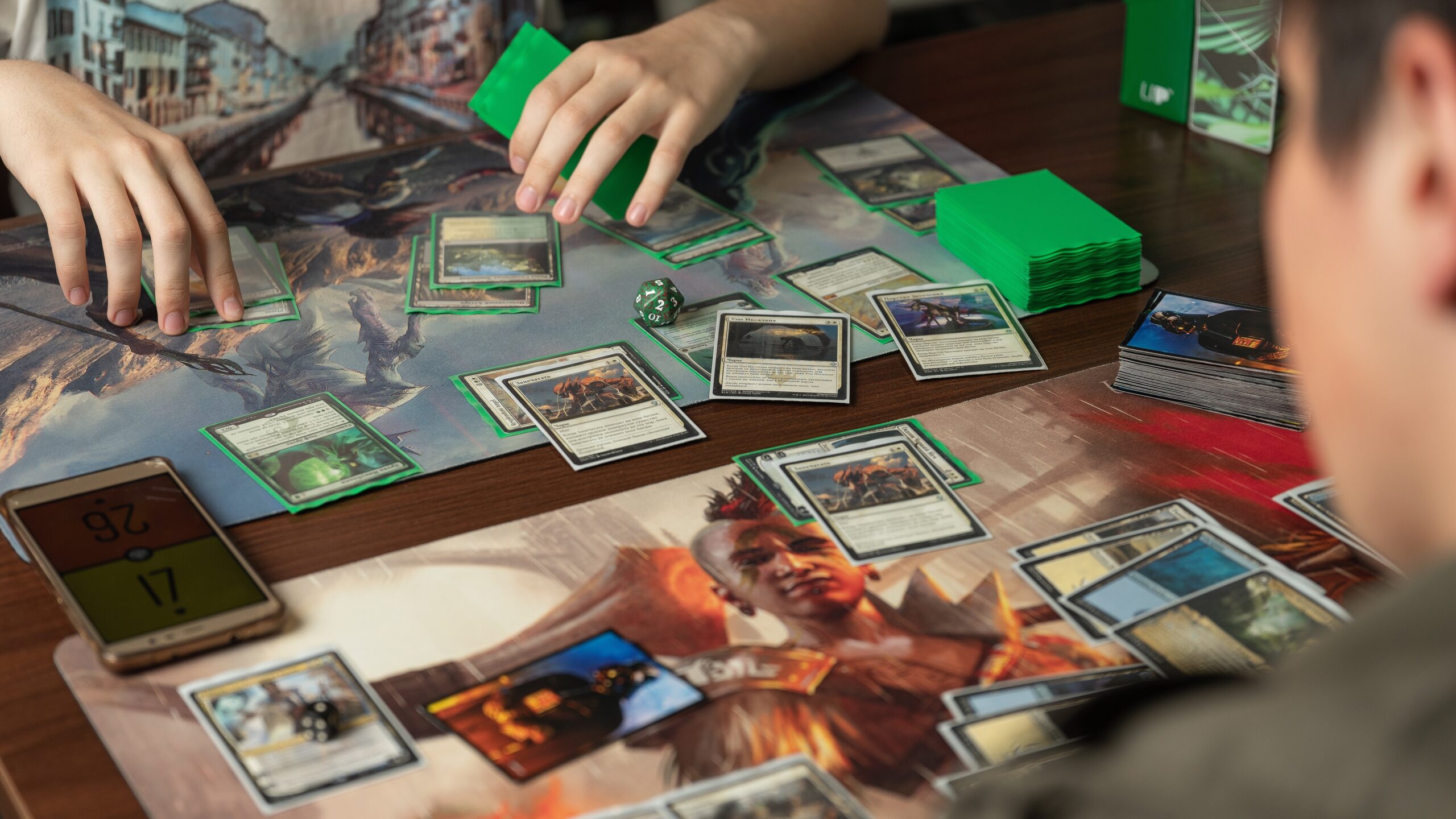
TLDR Commander has a special talent for turning “I’ll just tune this list a little” into a long conversation with your wallet. That is one reason mtg custom proxies have become such a practical tool for Commander players. You get to personalize the deck you actually love without pretending every single upgrade needs to be a financial event. And Commander is where customization actually matters. This is a format built around identity. Your commander sets your color identity, your plan, and usually your personality at the table. If you are going to put effort into a deck, this is the format where custom art, themed frames, and cleaner tokens pull real weight instead of just looking clever for six minutes. Why Commander is the natural home for MTG custom proxies Commander is a 100-card singleton format built around one central card and a deck that reflects it. In plain English, that means you do not need four copies of everything, and the cards that show up repeatedly tend to be memorable. Your commander gets cast over and over. Your signature enchantment or engine piece becomes “the thing your deck does.” Your token swarm spreads across the table like it pays rent there. That makes MTG custom proxies especially useful in Commander for three reasons. First, each slot is more visible. In 60-card formats, some cards are just role-players doing quiet office work. In Commander, the big pieces are often literal conversation starters. Second, Commander players tend to care about theme. Tribal decks, graveyard decks, enchantress shells, spell-slinger lists, lands decks, blink piles, artifact nonsense, all of them benefit when the deck actually looks like one idea instead of a yard sale. Third, Commander games run long enough that readability matters. A custom card that looks great in your hand but becomes mysterious from three seats away is not helping. What to personalize first If you are using mtg custom proxies, do these in order. 1. Your commander This is the easy one. Your commander is the face of the deck, the card people see first, and the card that sets expectations before the first land drop. If you only customize one card in the whole deck, make it the commander. This is also where style choices matter most. If your deck is gothic, lean into it. If it is cozy Selesnya tokens, let it look warm and bright. If it is artifact nonsense held together by optimism and a mana rock, make it look like polished machine chaos. Your commander should tell the truth about the deck. 2. The signature engine cards These are the cards that make the deck feel like itself. Not generic staples. The actual glue. Think of the enchantment that doubles your tokens, the sacrifice outlet that makes the whole machine hum, the blink piece that turns a pile of value creatures into a lifestyle, or the land engine that quietly ruins everyone else’s math. Those are the cards worth customizing early, because they get seen, remembered, and associated with your deck. A good rule is simple. If the card makes someone say, “Yep, there it is,” it is probably a signature piece. 3. Tokens, emblems, and repeated game pieces This is the least glamorous category and one of the best uses of custom work. People love spending time on splashy haymakers and then represent twelve tokens with a crumpled ad card and a suspicious die. It is a very real part of the Commander experience. It is also terrible. Custom tokens do two things at once. They make the board cleaner, and they reinforce the deck’s theme. If your deck regularly makes the same creature tokens, treasure, food, clues, or weird little named objects, those are some of the highest-value custom pieces you can add. You will feel the difference immediately. Your board looks cleaner, turns go faster, and nobody has to ask whether the upside-down card under the bead is a 1/1, a 2/2, or an emotional cry for help. 4. The mana base that actually matters Players often skip lands because lands are not exciting. That is exactly why they matter. Your lands show up every game. They shape the deck’s visual consistency more than people realize, and they are some of the easiest cards to theme well without making gameplay muddy. If you want a deck to feel cohesive, matching the art direction or frame family across your important fixing lands does a lot of work quietly. The key word there is quietly. Lands should look good, but they should still scan as lands at a glance. 5. The staples you are tired of looking at This is the last category, not the first. Yes, the format has recurring all-stars. Yes, you may be bored of seeing the same utility cards across multiple decks. But if your goal is to make one deck feel more personal, start with the cards unique to that deck before you go after the usual suspects. Otherwise, you end up with a fancy version of the same generic shell. Which is still better than nothing, but not by much. A good, better, best plan Here is the most practical framework I know. Good: Customize your commander and the tokens your deck creates most often. This gives you the biggest visual payoff with the least effort. It also makes the deck more enjoyable to pilot right away. Better: Add your signature engine pieces and your most important lands. Now the deck starts to feel deliberate. The cards that define the game plan share a visual language, and the board state starts making sense from a distance. Best: Build a fully cohesive deck package. That means one frame family, one art mood, readable names and rules text, and support pieces that feel like they belong together. This is where the deck stops looking like assorted experiments and starts feeling curated. What do you give up by going further? Time, mostly. And restraint. Restraint is always the first casualty.

Commander Brackets in MTG Explained for Normal People

Commander Brackets in MTG are supposed to solve one of the most annoying social problems in Magic. Not rules confusion. Not mulligans. Not the guy who “forgot” his dockside-level deck was too strong for the pod. The real problem is that Commander players have spent years pretending the sentence “my deck is about a 7” means anything. It does not. It never did. It was basically horoscope language for cardboard. That is why Commander Brackets in MTG matter. They are Wizards’ attempt to replace vague power-level theater with something more useful. Not perfect. Not legally binding. But useful. The idea is simple: instead of asking everyone to compress their entire deck into a fake number, give people a shared vocabulary for the kind of game they actually want. And that part is important. The brackets are not really about raw strength. They are about expected experience. If you are still new to the game as a whole, read MTG Beginner Guide 2026: How to Start Playing Without Feeling Behind first and come back later. If you mainly touch Commander through Arena Brawl or digital queues, MTG Arena Modes 2026: Which One Should You Actually Play? is also worth a look. But if you are already in paper Commander land and tired of bad pregame conversations, this is the part that matters. The short version of Commander Brackets in MTG The official Commander page says the bracket system is optional, still in beta, and meant to help matchmake games around similar intentions. That is the cleanest way to think about it. This is a social tool. Not a deck check. Not a tournament policy. Not a magical truth machine. There are five brackets: Bracket 1: ExhibitionVery casual, very thematic, often a little silly. Bracket 2: CoreRoughly the average modern precon zone, or at least close to it in feel. Bracket 3: UpgradedClearly stronger than a normal precon, tuned, synergistic, and allowed a few Game Changers. Bracket 4: OptimizedHigh-power Commander. Strong tutors, fast mana, explosive starts, efficient wins. Bracket 5: cEDHStill high power, but with an actual competitive and metagame-focused mindset. That is the skeleton. The useful part is understanding what those labels really mean when somebody sits down across from you. Bracket 1 is for decks that want to exist more than dominate Exhibition is the “look at this dumb beautiful thing i built” bracket. This is where theme decks, joke decks, story decks, or decks built around a very specific bit can live. Maybe everything has one creature type. Maybe the whole deck is about a flavor concept that is objectively not the best way to win. Maybe the point is not really to win at all, or at least not quickly. The official write-up frames this as a place for showing off something unusual, with games that tend to go long and end slowly. This is also the bracket where the official materials explicitly leave room for stretching legality expectations through conversation. Un-cards, goofy exceptions, weird table agreements, that sort of thing. That does not mean anything goes by default. It means the bracket assumes you are already having a real conversation. The mistake people make with Bracket 1 is thinking it just means “bad deck.” Not exactly. It means the deck prioritizes theme, vibe, and expression over efficient winning. That is different. Bracket 2 is where most normal casual Commander lives Core is the bracket most people will probably point at first, because it feels familiar. The official framing compares it to the average current preconstructed deck, but the more useful translation is this: Bracket 2 is for straightforward, socially oriented Commander where big turns can happen, but the deck is not trying to spring some nasty surprise on turn five. Games are supposed to breathe. Win conditions are more telegraphed. The whole thing is lower pressure. This is where a lot of casual home games belong. A lightly upgraded precon can still feel Bracket 2. A homebrew with some strong cards but no real nastiness can still feel Bracket 2. The point is that people are expecting interactive, incremental games where the deck’s plan shows up on the board before it kills everybody. There are also guardrails. No Game Changers. No intentional two-card infinite combos. No mass land denial. Extra turns are supposed to be sparse and not chained. Tutors are supposed to be light. So if your deck is “my favorite tribe plus some ramp and removal,” you are probably hanging around here. Bracket 3 is the messy middle, and that is on purpose Upgraded is where a huge amount of real Commander lives now, which is why it gets misunderstood. Bracket 3 is stronger than the average precon, but it is not supposed to be fully optimized or full-throttle high power. These decks are tuned. The bad cards are mostly gone. Synergy matters. Card quality matters. The deck can disrupt opponents and close games harder. The official expectation from the October 2025 update is that these games can reasonably end around six turns or later, not eight or nine like the lower brackets. And this is where Game Changers enter the picture. Bracket 3 is allowed up to three of them. That one detail is why Bracket 3 causes so much table friction. Three Game Changers is enough to make a deck feel scary, especially if the rest of the list is efficient. But it is also not supposed to be the “anything goes” bracket. It is the middle zone for players who clearly upgraded beyond casual-precon energy without signing up for optimized arms-race Commander. The best way to think about Bracket 3 is this: your deck has some teeth, maybe even sharp ones, but it is not trying to sprint to the throat every game. Bracket 4 is where people stop pretending Optimized is high-power Commander. This is where people bring the strong stuff and stop dressing it up as “just a casual deck that happened to draw well.” The official description is

MTG Arena Modes 2026: Which One Should You Actually Play?

MTG Arena modes 2026 sounds like a boring phrase, but it is the exact problem a lot of players hit by day two. Arena throws a small mountain of buttons at you. Starter Deck Duels. Jump In. Standard. Alchemy. Quick Draft. Premier Draft. Brawl. Historic. Pioneer. Timeless. Midweek Magic. Ranked queues. Special events. And as of March 2026, there is also a full Teenage Mutant Ninja Turtles release schedule cycling through Draft, Sealed, Quick Draft, and special events. It is a lot. That same “too many systems at once” feeling shows up across games in general, which is part of what GameRevolution has already talked about in The Current State of the Video Game Industry and Highlights from the Latest Video Game Industry News. Arena just happens to make the problem visible with queue names instead of battle passes. So here is the clean answer. Do not ask which mode is best. Ask what job you need done. Do you need to learn the rules?Do you need a cheap way to build a collection?Do you need a ladder to grind?Do you want commander-style deck identity?Do you want the largest possible card pool and the highest nonsense density? Different modes are good at different jobs. Once you see that, Arena gets a lot less annoying. First, split Arena into two buckets Every mode on Arena fits into one of two big groups: Constructed or Limited. Constructed means you bring a deck you already built from your collection. Standard, Alchemy, Brawl, Historic, Pioneer, and Timeless all live here. If you like tuning a deck over time, learning a matchup, and making upgrades piece by piece, this is your side of the house. Limited means you build your deck during the event from fresh packs. Quick Draft, Premier Draft, Traditional Draft, and Sealed live here. If you like adapting on the fly, evaluating cards in context, and getting a collection while you play, this is your side. That sounds basic, but it matters because people often choose the wrong side first. A beginner who hates deckbuilding paralysis should not jump straight into Standard brewing. A player who wants one pet deck for weeks probably should not live in Sealed events. Pick the bucket first. Then pick the queue. If you are brand new, stay in the beginner lane on purpose A lot of people feel silly playing the beginner stuff for too long. That is backwards. The beginner lane exists because it works. Arena still uses a simple new-player path. You do the tutorial, unlock starter decks through the Color Challenge, and then play Starter Deck Duels against other newcomers. That is a good system because it reduces variables. You are not wondering whether your deck is bad, your sideboard is wrong, or your opponent spent their mortgage on mythics. You are just learning. Jump In is also quietly useful here. It is not the most glamorous mode on the client, but it is one of the least stressful. You pick themed packets, jam them together, and play. That gets you cards, games, and some sense of synergy without asking you to fully build from scratch. If you are brand new, my advice is boring but effective. Play Starter Deck Duels until you understand why the decks win. Then use Jump In for a while. Then choose your real long-term mode. This is not wasted time. This is the foundation. Standard is the default answer for most players If you only want one answer to the whole article, here it is. Most players should start with Standard. Why? Because Standard is the cleanest mix of real deckbuilding, readable card pools, and support from both Arena and paper Magic. Wizards describes Standard as a 60-card constructed format built from the most recently released sets, with yearly rotation after the fall Prerelease. That makes it easier to understand what is legal, easier to find current decklists, and easier to use cards from newer products. Standard is also the best bridge between Arena and tabletop. If you learn Standard on Arena, a lot of that knowledge carries over to Friday Night Magic, a local store showdown, or kitchen table one-on-one games. That matters more than people admit. Arena is better when it points toward a real version of Magic you can imagine playing somewhere else. It also helps that current products feed it naturally. Since 2025, Universes Beyond booster sets are legal in the major Constructed formats alongside mainline sets, so the cards new players see from current crossover releases are not living in some weird side room. They are part of the same ecosystem. If you like having a “main deck” and making smart upgrades over time, Standard is the best first real home. Alchemy is for players who want Arena to feel digital Alchemy is based on Standard, but it adds digital-only cards and rebalanced versions of existing cards. That means the format changes faster, uses mechanics that only really make sense on a client, and is more willing to patch problem cards instead of leaving them alone. Some players love that. And honestly, i get it. If you are going to play on a digital client, there is a fair argument that the format should use digital strengths. Alchemy is faster moving, more experimental, and often a little less attached to paper tradition. But here is the catch. If you are the kind of player who wants your Arena cards to work the same way your paper cards work, Alchemy can annoy you fast. It is still Magic, but it is Magic with Arena fingerprints all over it. So should you play it? Yes, if you like live-service style updates, digital mechanics, and a metagame that moves around more often. No, if you want a cleaner bridge to tabletop or you already know you hate rebalanced cards on principle. Alchemy is not bad. It just answers a narrower question. Brawl is the best home for personality decks, but not always the best

MTG Beginner Guide 2026: How to Start Playing Without Feeling Behind

MTG beginner guide 2026 is really a guide to not turning your first week with Magic into a shopping mistake. If you look at Magic: The Gathering from the outside right now, it can feel like you missed 30 years of homework. You open a store page and see Foundations, FINAL FANTASY, Marvel’s Spider-Man, Avatar: The Last Airbender, Lorwyn Eclipsed, and now Teenage Mutant Ninja Turtles. Then somebody tells you to build Commander, grind Arena, learn Draft, and memorize rotation before lunch. i get why that sounds miserable. That kind of overload is not just a Magic problem. GameRevolution has already looked at how crowded gaming feels in pieces like The Current State of the Video Game Industry and Highlights from the Latest Video Game Industry News. Magic just expresses that same problem through booster packs, formats, and a lot of cardboard. The good news is this: starting Magic in 2026 is easier than it looks if you ignore most of the noise. You do not need to catch up on everything. You do not need to know every set. You do not need a Commander deck on day one. And you definitely do not need to buy random packs and hope your future self figures it out. You need one lane, one first product, and one place to play. Why Magic looks harder than it really is in 2026 A big part of the problem is volume. Wizards has said 2026 is a seven set year, which is more than the usual cadence. On top of that, Universes Beyond booster sets now work like regular Magic sets in Constructed formats. So yes, you are seeing more crossover products that matter in actual play, not just side collectibles. That sounds intimidating, but it mostly matters after you already know how to play. Your first games do not care whether a card came from Lorwyn Eclipsed or TMNT. Your first games care about simple things. Lands. Attacking. Blocking. Casting a removal spell without panicking. Knowing when not to swing with everything like a maniac. This is where new players get tricked. They think the size of the game means they need to study the whole game. You do not. Magic is huge at the edges. It is much smaller in the middle. Two people, 60-ish cards, lands and spells, somebody forgets a trigger, everybody keeps going. That is the part you learn first. MTG beginner guide 2026 starts with one choice Before you buy anything, decide how you want to learn. Not how you want to look learning. How you actually want to learn. There are three good starting lanes. If you want the cheapest and easiest path, start with MTG Arena. Arena still gives new players a tutorial, the Color Challenge, 14 starter decks, and Starter Deck Duels. That is a clean on-ramp because the client handles turn order, timing, and rules enforcement for you. You get to make mistakes without needing to apologize to a table. If you want to learn with one friend on a kitchen table, start with the Magic: The Gathering Foundations Beginner Box. This is one of the rare starter products that really does what it says. It walks you through a game turn by turn, then lets you mix and match ten simple themes once the basics click. It is built for actual beginners, not for someone who already watches set reviews at 2 a.m. If you want in-person help, start with Magic Academy at a local game store. Magic Academy events are explicitly built to teach brand-new players the rules and early deckbuilding, and Wizards says you do not need to bring your own cards. As of March 7, 2026, WPN stores are running Magic Academy Learn to Play and Deck Building events tied to TMNT from March 6 through April 16, 2026. That is a pretty good window if you want a human being to answer, “wait, can i do that?” without making you feel dumb. My honest recommendation is simple. Start on Arena if you are alone. Start with Foundations if you have one friend. Start with Magic Academy if you want the smoothest paper experience. Do not try to do all three at once in week one. Your best first product is not the flashiest one New players almost always overbuy in the wrong direction. If you want a physical first purchase, the best beginner product is still Foundations. The Beginner Box is for learning. The Starter Collection is for continuing after the rules make sense. The Starter Collection comes with over 350 cards and Wizards says those Foundations cards stay legal in Standard until at least 2029. That matters because it means your first pile of cards is not instantly stale. What should you skip at first? Skip Collector Boosters. They are fun to look at and terrible as a learning plan. Skip buying random Play Boosters to “build a deck from whatever happens.” That is how you end up with eight cool rares, no mana base, and one very confused green deck that somehow contains triple blue cards. Skip building Commander first unless a friend group is helping you. Commander is popular and fun, but it is a bad self-serve tutorial. It is social, political, full of old cards, and still surrounded by conversations about the Brackets beta and power expectations. None of that is impossible. It is just extra friction you do not need on day one. Skip copying a huge tournament list before you understand why the deck works. A good deck in the wrong hands still feels bad. And a beginner deck you understand is often more fun than a meta deck you pilot like a shopping cart with a broken wheel. If you are going to spend money early, spend it where it reduces friction. That means: That is enough. Really. A clean first month plan that does not turn into homework This part matters more than people admit. Beginners do better with