February 6, 2023

The Latest

Recent Stories

Mewtwo’s Journey Begins on February 6th

Pokemon Fans Celebrate the Birthday of Legendary Mewtwo On February 6, Pokemon fans from all over the world come together to celebrate the birthday of one of the most iconic and powerful Pokemon in existence: Mewtwo. This legendary Pokemon holds a special place in the hearts of fans, and its significance is not lost on the Pokemon Company itself. As we commemorate this momentous day, let us explore the history and impact of Mewtwo, and explore why it continues to captivate the imaginations of Pokemon trainers even after all these years. The Birth of a Legend – Mewtwo’s Origins in Pokemon Games Mewtwo first made its debut in the original Pokemon Red and Blue games, which were released on the Nintendo Game Boy in 1996. As players embarked on their Pokemon journeys, they quickly learned of the existence of this enigmatic and powerful creature. But it wasn’t until later in the game that they were able to uncover the secrets of Mewtwo’s birth. According to the lore, Mewtwo is a clone of the mythical Pokemon Mew, created by scientific experiments conducted by Team Rocket. Its creation involved genetic manipulation and the infusion of immense psychic powers, making Mewtwo one of the most formidable creatures in the Pokemon world. The revelation of Mewtwo’s tragic origin story added a layer of complexity and depth to its character, capturing the attention of players and further cementing its status as a fan-favorite Pokemon. A Cinematic Debut – Mewtwo in Pokemon: The First Movie Mewtwo’s popularity skyrocketed with the release of Pokemon: The First Movie in 1999. This animated film revolved around the central conflict between Mewtwo and the original Pokemon trainers, Ash Ketchum and his friends. The movie showcased Mewtwo’s immense psychic powers and delved into its internal struggle to understand its purpose in life. The iconic quote, “I see now that the circumstances of one’s birth are irrelevant. It is what you do with the gift of life that determines who you are,” resonates deeply with fans and encapsulates Mewtwo’s journey of self-discovery and growth. The emotional depth portrayed in Pokemon: The First Movie elevated Mewtwo beyond just a powerful Pokemon and transformed it into a complex character with relatable human emotions. This resonated with audiences of all ages and further solidified Mewtwo’s status as an integral part of the Pokemon franchise. The Enduring Appeal of Mewtwo Mewtwo’s enduring appeal can be attributed to various factors that have contributed to its popularity over the years. Let us explore some of the key reasons why Mewtwo continues to capture the hearts of Pokemon fans worldwide today: Mysterious Origins and Tragic Backstory The enigmatic origins of Mewtwo and its tragic backstory provide a compelling narrative that resonates with fans. Its creation as a result of scientific experiments gone wrong and the internal conflict it faces as it grapples with its purpose in life add layers of complexity to its character. This depth and vulnerability make Mewtwo relatable and endearing to fans of all ages. Unparalleled Power and Unique Abilities Mewtwo’s incredible psychic powers and its unparalleled strength in battle make it an awe-inspiring sight to behold. Its ability to manipulate energy, create force fields, and even erase memories is a testament to its extraordinary abilities. This combination of power and versatility has solidified Mewtwo’s position as one of the most feared and respected Pokemon in the gaming world. Cultural Icon and Symbol of Strength Mewtwo’s influence extends beyond the realm of video games and anime. It has become a cultural icon, representing resilience, determination, and the pursuit of self-discovery. Its message of embracing one’s uniqueness and transcending the circumstances of one’s birth resonates with fans on a personal level, making Mewtwo a beloved symbol of strength and empowerment. Evolutionary Possibilities and Competitive Battling Mewtwo’s potential for evolution through Mega Evolution and its multiple forms, such as Mega Mewtwo X and Mega Mewtwo Y, have added an exciting dimension to the competitive Pokemon battling scene. Trainers strategize and build their teams around Mewtwo, exploring different battle tactics and unleashing its true potential. This ongoing exploration of its abilities keeps Mewtwo relevant and sought after in both casual play and professional eSports competitions. Pervasive Pop Culture Impact Mewtwo’s influence reaches far beyond the confines of the Pokemon franchise. Its recognizable silhouette, distinct coloration, and signature Psychic-type attacks have made it a staple in popular culture. Mewtwo’s appearance in movies, TV shows, merchandise, and collaborative projects with other franchises has cemented its status as an iconic character with a lasting impact on mainstream media. Conclusion As Pokemon fans come together to celebrate the birthday of the legendary Mewtwo, it is evident that this extraordinary Pokemon has left an indelible mark on the hearts and minds of trainers young and old. From its origins in the original Pokemon games to its poignant portrayal in Pokemon: The First Movie, Mewtwo has captured the imaginations of fans through its mysterious origins, immense power, emotional depth, and cultural significance. It continues to inspire and resonate with audiences, reminding us that our circumstances do not define us, but rather, it is what we do with the gift of life that shapes our destiny. Frequently Asked Questions (FAQs) 1. Is Mewtwo a legendary Pokemon? Yes, Mewtwo is classified as a legendary Pokemon in the Pokemon franchise. Its extraordinary powers, unique backstory, and significant role in the storyline have solidified its legendary status. 2. Can Mewtwo be caught in Pokemon games? In most mainline Pokemon games, Mewtwo can be encountered and caught in a special location, usually after completing certain criteria or defeating the Elite Four. Capturing Mewtwo is often considered a challenging feat due to its high level, powerful moveset, and elusive nature. 3. What are some other memorable moments involving Mewtwo? Aside from its debut in Pokemon: The First Movie, Mewtwo has made appearances in various Pokemon movies, TV episodes, and spin-off games. One notable moment is its confrontation with Giovanni, the leader of Team Rocket, in the original Pokemon games. 4.

Trending

Most Popular Stories

LG Put a Microphone in Your Living Room. Its Terms Make You Responsible for Everyone It Hears.

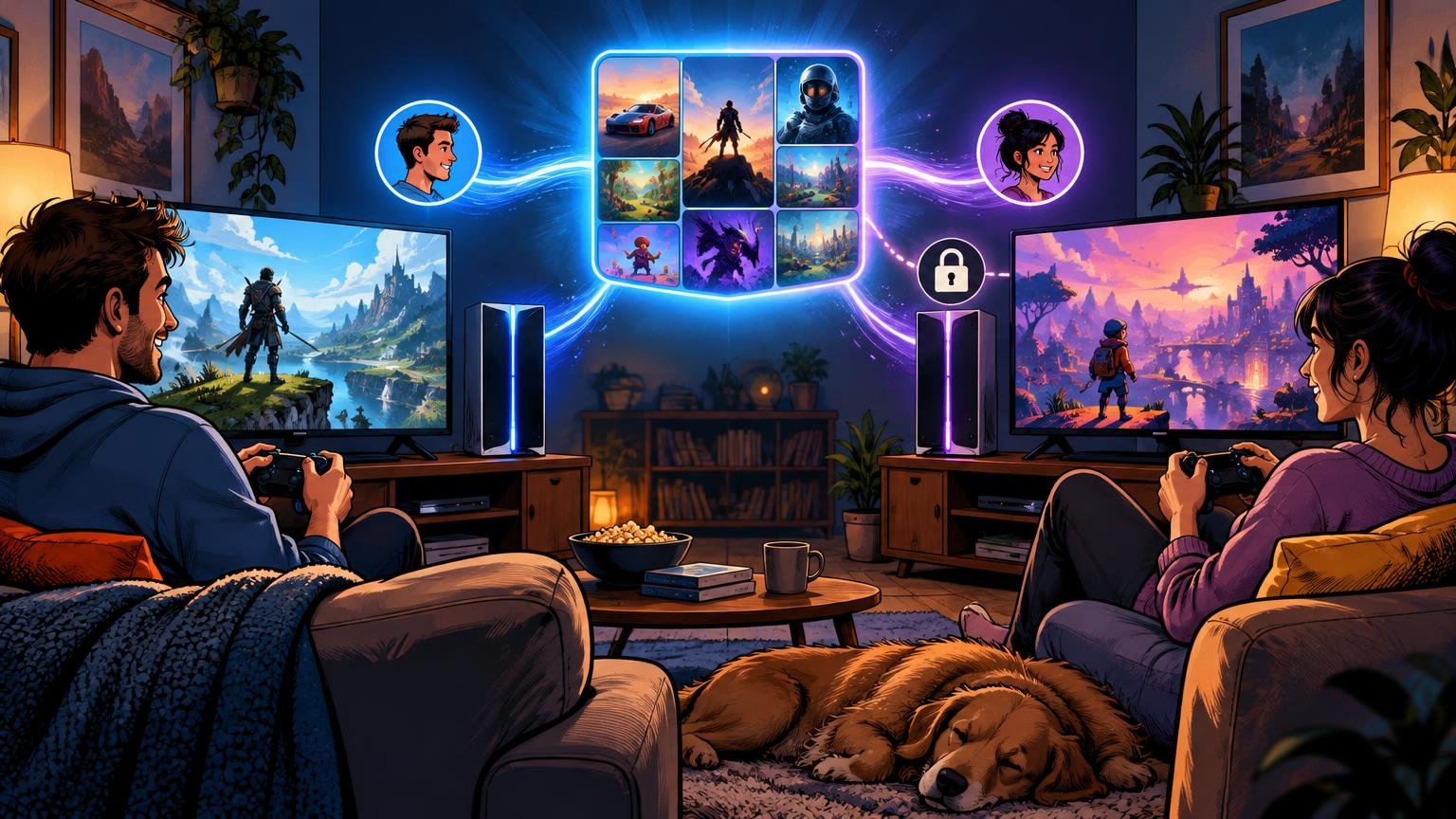
TLDR There is a microphone in the television. According to LG’s own service terms, certain voice-recognition features may capture and analyze the voices of family members, guests, children, and bystanders nearby. LG’s answer to the obvious privacy problem is blunt: obtaining the necessary consent is the owner’s responsibility. The wording reviewed for this article appears in current regional LG service terms. It says customers must notify household members and guests that their voices may be captured and processed in compliance with wiretapping, eavesdropping, and privacy laws. If someone does not consent, LG tells the owner to disable the microphone or voice features. LG then disclaims liability for the owner’s failure to obtain that consent or provide the warning. That is an extraordinary obligation to place on someone who bought a television. LG developed the product. LG included the voice-recognition system. LG operates or enables the AI-based services. But when another person’s voice enters the system, LG’s terms attempt to make the customer responsible for understanding the law and managing everyone else’s consent. LG supplies the listening technology. The owner gets the compliance problem. What LG’s Voice-Recognition Terms Actually Say The most alarming part of LG’s terms is not a vague statement that voice data may be processed. It is the list of people who may be affected. LG says third-party voices and utterances in the vicinity may be recorded and analyzed to provide AI-based services. The examples include: These are not all people who intentionally activated the voice assistant. A guest may not know the television has voice-recognition features. A child may not understand what audio processing means. A contractor, babysitter, cleaner, neighbor, or friend may have no reason to expect that speaking in the room could involve an LG service. LG’s terms then state that it is the user’s “sole responsibility” to obtain all necessary third-party consents and notify household members and guests. The company specifically mentions wiretapping, eavesdropping, and privacy laws. The terms do not give an ordinary customer a realistic system for doing any of this. There is no suggested notice to place on the door. There is no guest-consent screen. There is no household privacy dashboard explaining whose consent is needed in each jurisdiction. LG simply assigns the responsibility to the owner and advises turning off the microphone when someone objects. LG Says It Does Not Record Ambient Conversations It is important not to turn LG’s disturbing legal language into a claim the evidence does not support. LG has said its televisions do not collect, record, or store ambient conversations. The company says voice recognition is optional, user-initiated, and processes voice data only when activated to fulfill a request. It also says customers can use smart TV features without enabling voice recognition. LG’s US support instructions also show that voice recognition can be enabled or adjusted through the television’s AI Service settings. Some models support wake-word and hands-free controls, while available features vary by model and webOS generation. Those facts matter. The terms do not prove that every LG television continuously records every conversation in the room. They do not prove that LG is intentionally violating wiretapping law. They also may not apply identically in every country, since LG publishes different terms and services across regions. But LG’s response does not make the terms harmless. The company’s own agreement still recognizes that third-party voices may be captured during use of voice-recognition features. It still names children, guests, and bystanders. And it still attempts to make the customer responsible for consent, notification, and legal compliance. The concern is narrower than “LG listens to everything.” It is also more defensible: LG created a voice-processing system that may capture people who never bought the television, never opened an LG account, and never accepted LG’s terms. Your Guests Never Agreed to LG’s Terms A customer may click “agree” during television setup. That does not mean everyone entering the customer’s home has also agreed. Consider a normal living room during a football game. Friends are talking over the television. Children are playing nearby. Someone uses a voice command to search for a player or change the volume. Another person’s words are picked up at the same time. Who gave consent? LG’s terms appear to say that answering that question is the owner’s job. The same problem exists in less obvious settings. LG televisions may be found in hotel rooms, rental properties, conference rooms, waiting areas, restaurants, classrooms, offices, and shared homes. The person who agreed to the service terms may not even be present when someone else’s voice is captured. A contract between LG and the device owner cannot automatically create informed consent from every third party near the product. That does not mean voice capture is always illegal. Recording and privacy laws vary by country and state. Some laws focus on whether a person reasonably expected privacy. Others distinguish between recording a conversation and processing a voice command. The details matter. But those details are exactly why LG’s “sole responsibility” language is so unreasonable for an ordinary buyer. The average television owner should not need to research state recording statutes before asking the television to open Netflix. What Does LG Expect Owners to Tell Visitors? Taken literally, LG’s terms create a social ritual that almost no one will follow. A homeowner would need to say something like: Before we watch the game, you should know that this LG television has voice-recognition features. Your voice may be captured and processed when those features are used. Please tell me if you do not consent so I can disable the microphone. That might satisfy the spirit of LG’s warning. It would also be absurd in a normal home. Should parents obtain permission before their children bring friends into the room? Should someone warn a plumber before demonstrating a noise coming from the television? Should a short-term rental owner place an audio-processing disclosure beside the remote? LG’s terms give customers the obligation without giving them a usable process. And when consent is not